ART
BEAUTY & WELLNESS
CRAFT
CULTURE & HISTORY
ENTERTAINMENT
ENVIRONMENT
FOOD & DRINKS
REVERSE ENGINEERING
SCIENCES
SPORTS
TECHNOLOGY
WEARABLES
Translated


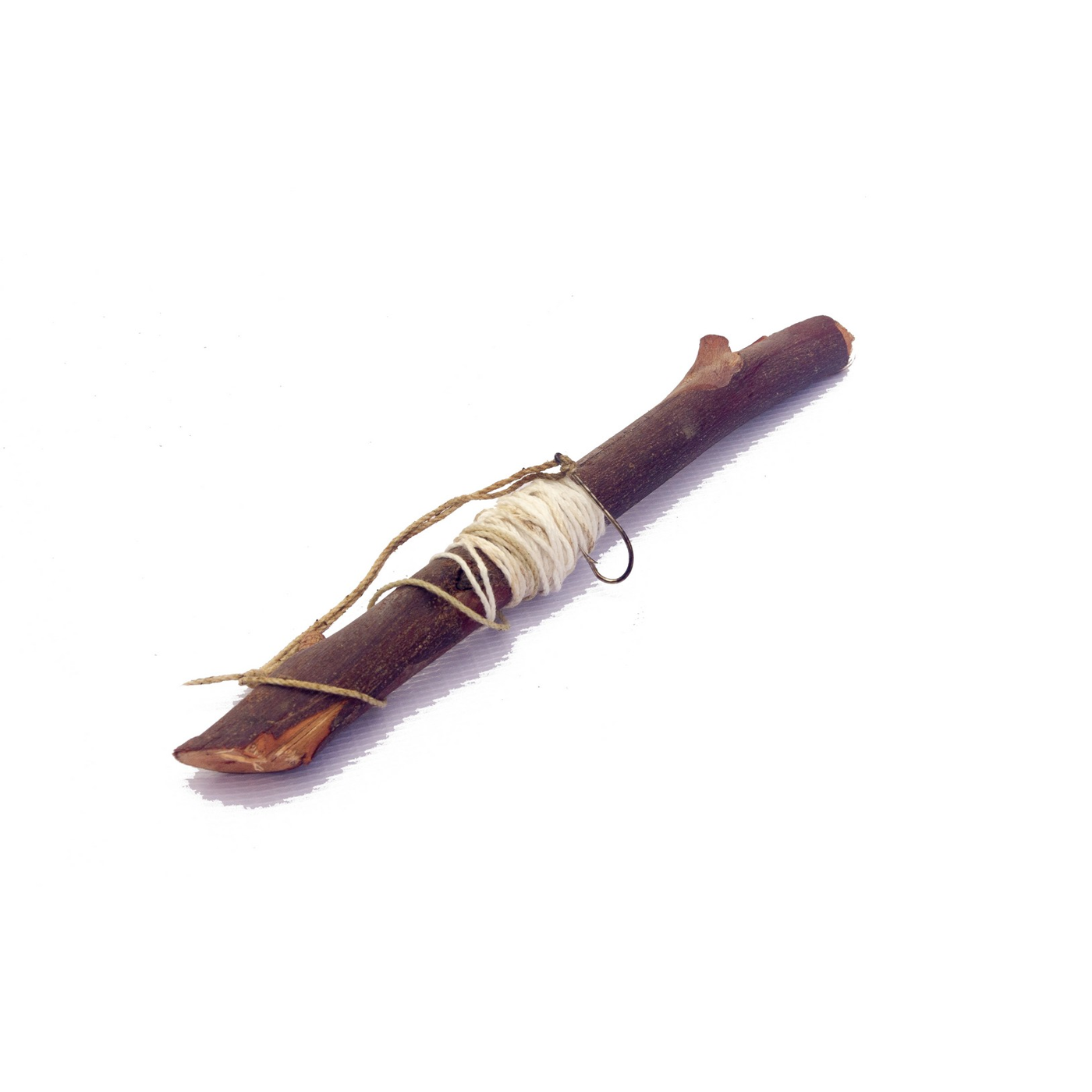
Bet Pla Lai (Thai Eel Hook) — a 2.5 cm Hook, 5 cm of Twisted Cord, a 1 Metre Line Tied to a Bamboo Tube, Lowered into an Eel's Burrow at the Water's Edge
เบ็ดปลาไหล (bet pla lai) is used to catch swamp eels living in burrows, all year round. The baited hook is lowered into the burrow; when the eel takes it, it backs deeper into the hole, and the fisher slowly eases it out.
This blueprint makes a real bet pla lai to the sizes in the source.
Beginner
About 1 hour
Instructions
1
1
Real sizes
Real sizes
Loading Jupyter Notebook...
2
2
Hooks, before it
Hooks, before it
The bet thok lures fish in the water with a long rod; the bet pla lai has no rod, it is lowered into an eel's burrow at the water's edge and left.
3
3
Read from the source
Read from the source
"If you are impatient and tug against the line, it may break or the hook may come out. So you must let the line out at times — 'give line, let the bait follow the fish'." (Sirindhorn Anthropology Centre, author ทำนุ วรธงไชย (Thamnu Worathongchai), CC BY 4.0)
4
4
Tie the hook
Tie the hook
Use a medium hook, about 2.5 cm from the bend to the eye. Tie it to the cord, then twist the cord for about 5 cm above it.
Materials for this step:
 Cotton Twine1 piece
Tools needed:
 Knife
Knife5
5
Line and float
Line and float
Make the cord about 1 metre long and tie its end to a short bamboo tube, a sponge or foam — or leave the cord bare and tie its end to a clump of grass beside the burrow when in use.
Materials for this step:
 Bamboo Poles1 piece
Tools needed:
 Hand Saw
6
6
Find the burrow
Find the burrow
Search the water's edge for eel burrows. When you find one, you can push a stick in and look for water on its tip, or you may see water in the hole. To catch eels in the daytime, use the hook to lure them to take the bait.
7
7
Real photos
Real photos
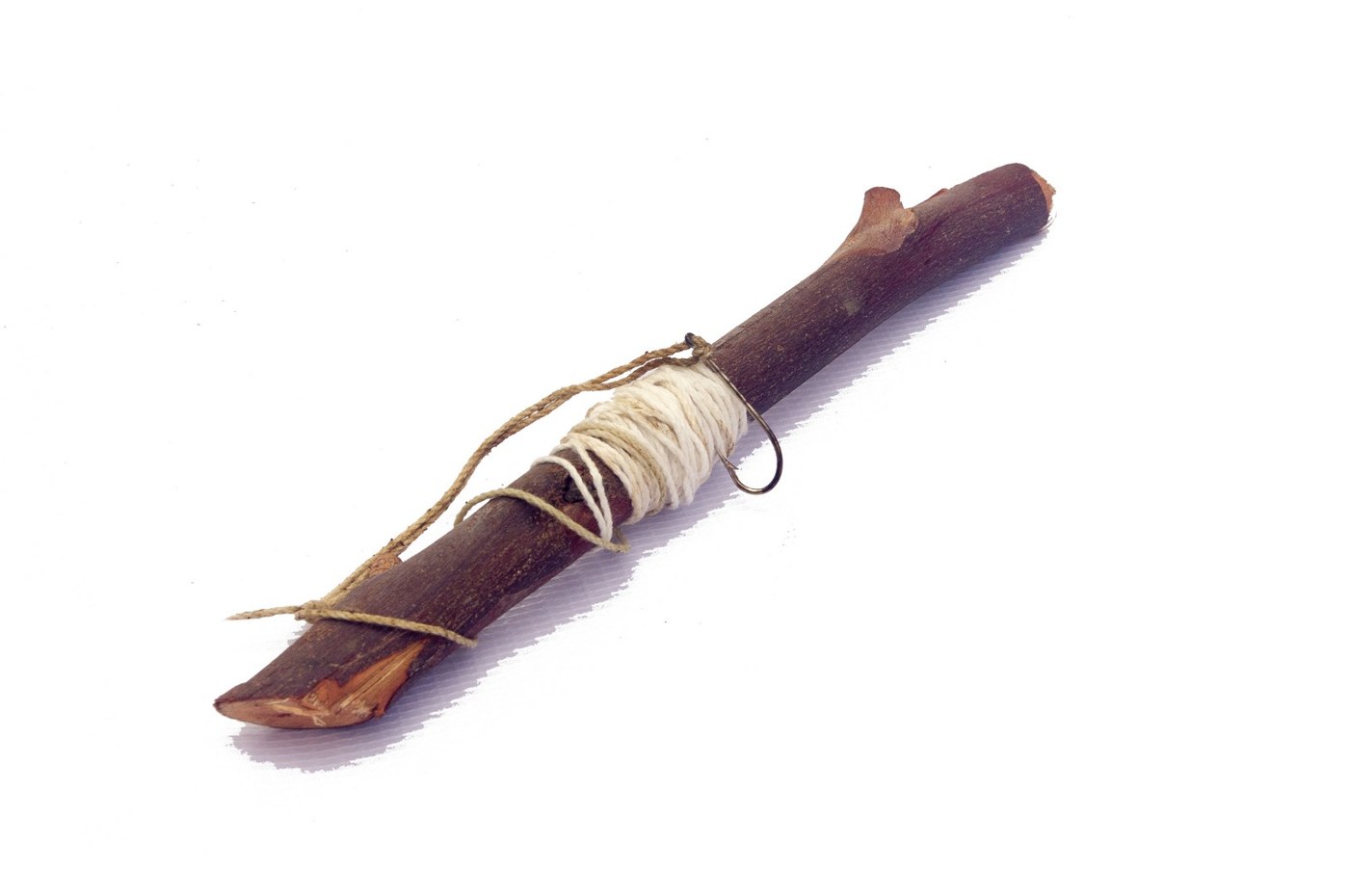
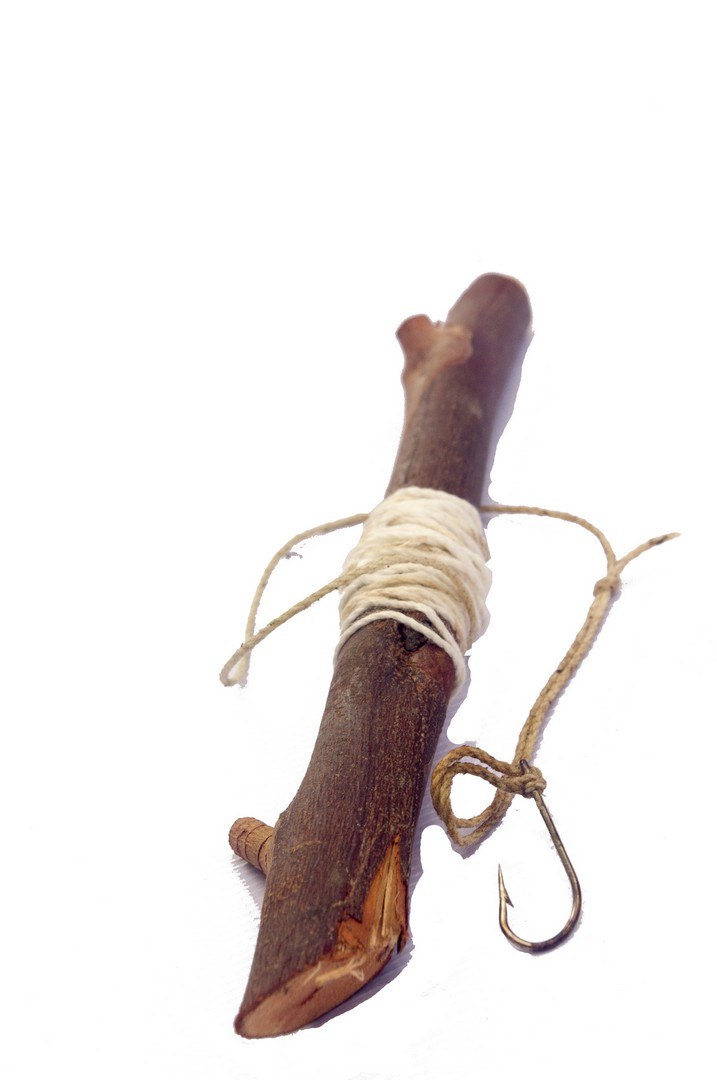
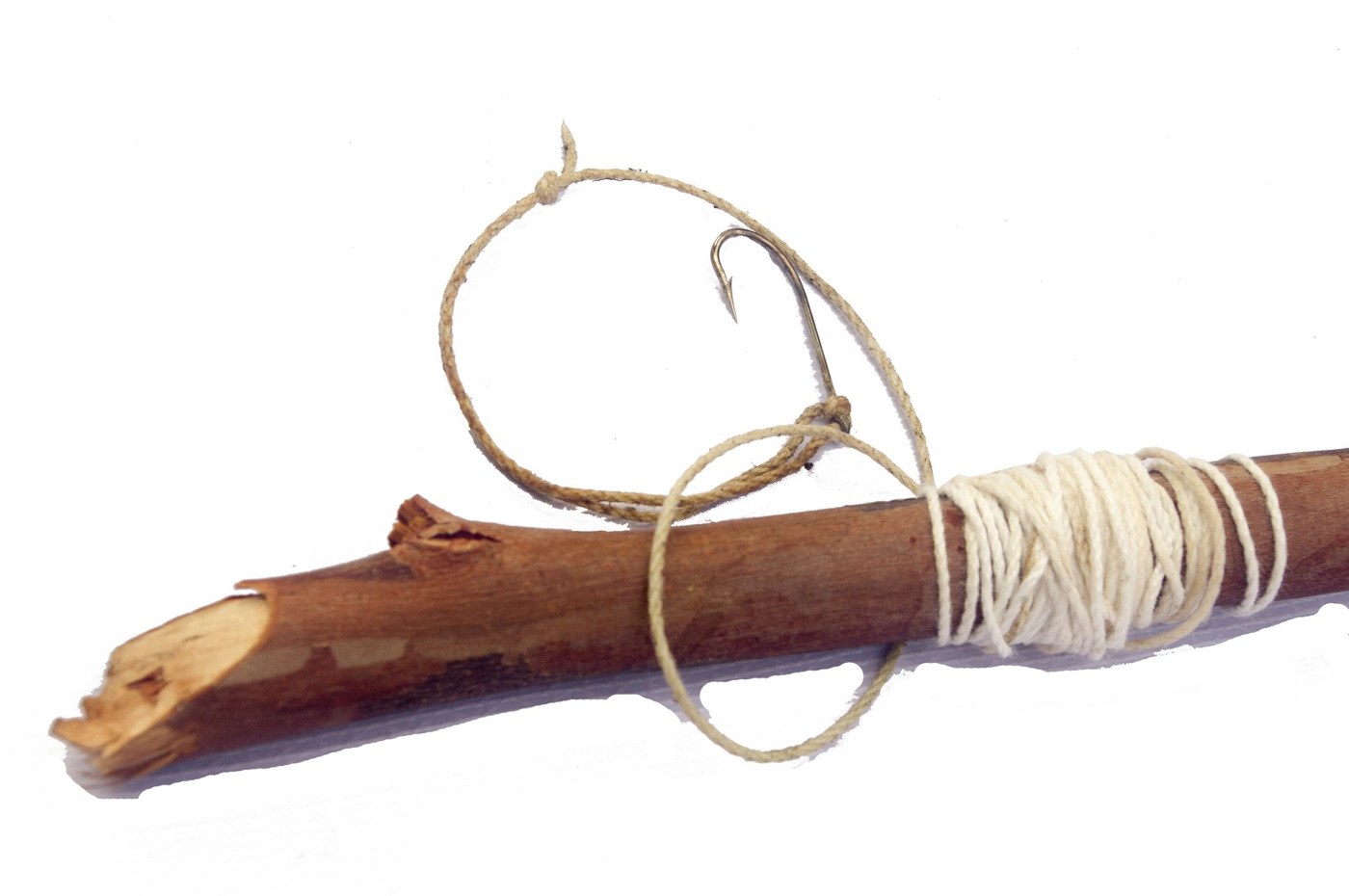
Photos of a real bet pla lai from the Nong Bua Khok Folk Museum; in the photos the cord is wound for storage on a short stick (Sirindhorn Anthropology Centre, author ทำนุ วรธงไชย (Thamnu Worathongchai), CC BY 4.0).
8
8
How it is used
How it is used
Bait with earthworm, a small fish, chicken gut or pork. Lower it, or push it in with a stick to "feed the bait", into the mouth of the burrow, about one hand-span deep or deeper. Set the float or tie the cord to the grass and leave it. When the eel is hooked it backs deeper into the hole and the line goes taut: pull slowly, give line at times, then draw it up again. When the eel nears the mouth of the burrow, pull it out at once.
9
9
Troubleshooting
Troubleshooting
Troubleshooting the bet pla lai.
Flow
Loading...
10
10
History and limits
History and limits
Eels burrow at the water's edge and feed at night, so they are usually trapped with lan and i-chu traps left overnight; in the daytime a fork or a hook is used, which pulls them from the burrow faster. Giving line is like a modern reel.
Source: Sirindhorn Anthropology Centre, Traditional Objects of Everyday Use database, "เบ็ดปลาไหล", author ทำนุ วรธงไชย (Thamnu Worathongchai), Nong Bua Khok Folk Museum, Buriram (CC BY 4.0 licence).
**Limits** The source does not give the cord type or the bamboo tube size, and there is no listing for the hook, so it is named in the text.
Materials
2- 1 piecePlaceholder
- 1 piecePlaceholder
Related Blueprints
These blueprints share knowledge with this one — techniques, materials, or principles that connect them in the learning graph.
CC0 Public Domain
This blueprint is released under CC0. You are free to copy, modify, distribute, and use this work for any purpose, without asking permission.
Support the Maker by purchasing products through their Blueprint where they earn a Maker Commission set by Vendors, or create a new iteration of this Blueprint and include it as a connection in your own Blueprint to share revenue.