ART
BEAUTY & WELLNESS
CRAFT
CULTURE & HISTORY
ENTERTAINMENT
ENVIRONMENT
FOOD & DRINKS
REVERSE ENGINEERING
SCIENCES
SPORTS
TECHNOLOGY
WEARABLES
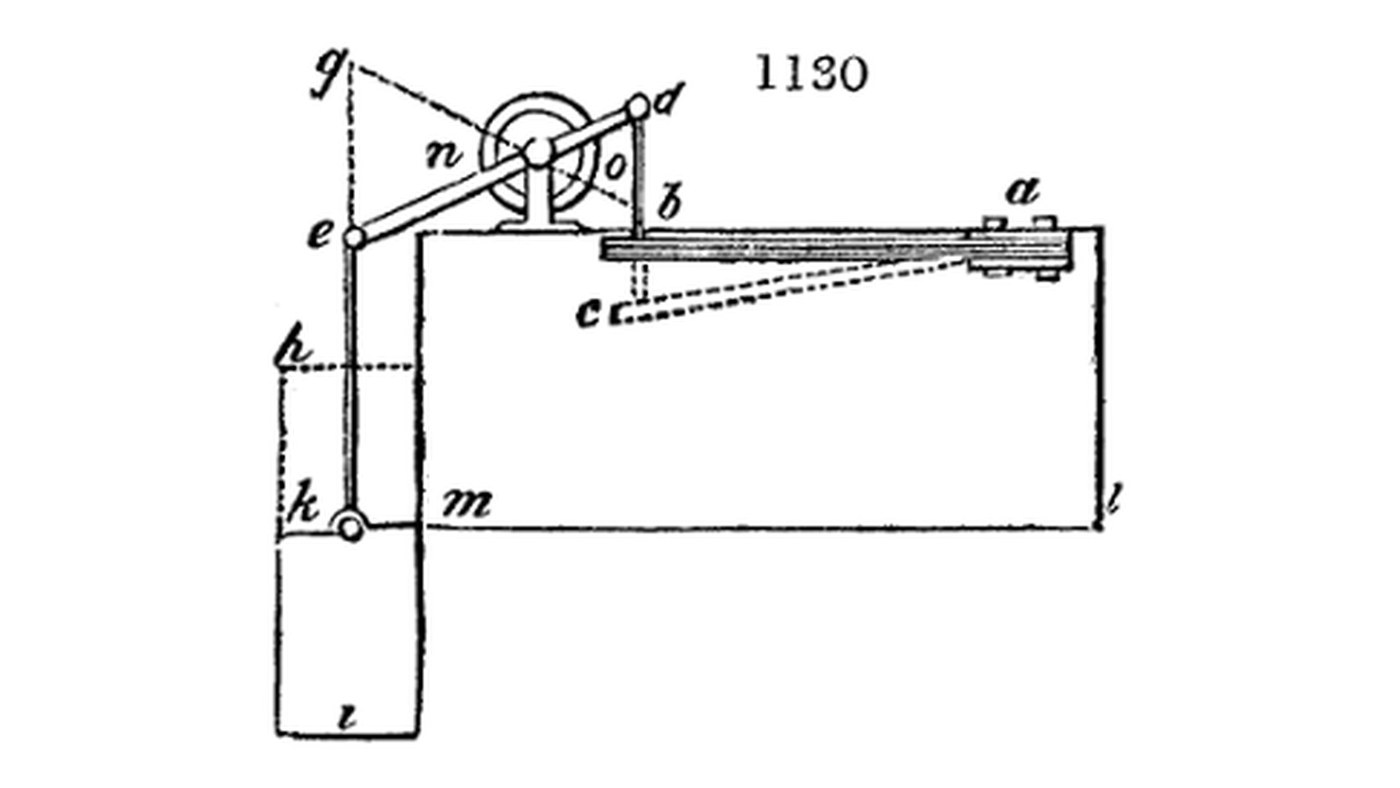


Bimetallic Strip: Ure's Thermostatic Bar of Steel and Brass (1839)
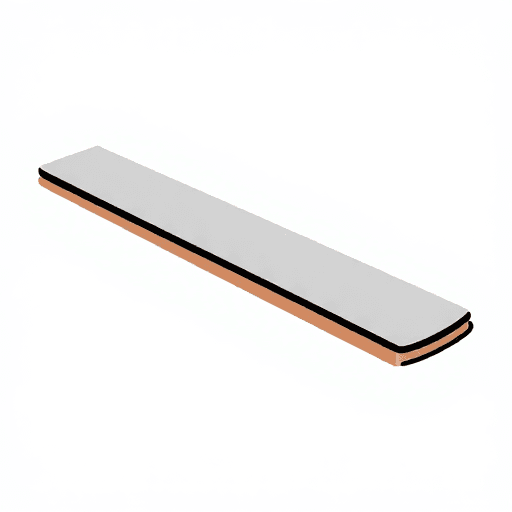
The compound bar of Andrew Ure's 1831 thermostat: a thin steel ruler and a ruler of hard-hammered brass riveted face to face. Brass expands more than steel, so when the bar warms it bends, and the free end can work a valve, damper or cock.
Bolt one end fast and leave the other free to move.
Source: A. Ure, Dictionary of Arts, Manufactures and Mines (1839), 'Thermostat'. Picture: the book's Fig. 1130.
Beginner
Unknown
Instructions
1
1
Prepare the two rulers
Prepare the two rulers
Take two long thin rulers, one of steel and one of brass. Hammer the brass hard.
Materials for this step:
 Carbon Steel Strip1 thin ruler
 Brass Strip1 thin ruler
Tools needed:
 Hammer
 Anvil
2
2
Rivet them face to face
Rivet them face to face
Lay the rulers face to face and rivet them firmly together along their length.
Materials for this step:
 Copper Rivets1 piece
Tools needed:
 Hand Drill
 Rivet SetHammer
3
3
Mount and use
Mount and use
Fix one end of the compound bar by bolts and leave the other free: when heated the free end moves by flexure, and through links and levers it can open or close a valve, cock, register or ventilator. In the still's heat-governor two such bars stand with their edges up and down.
Tools needed:
HammerMaterials
3- 1 thin rulerPlaceholder
- 1 thin rulerPlaceholder
- 1 piecePlaceholder
This blueprint makes
CC0 Public Domain
This blueprint is released under CC0. You are free to copy, modify, distribute, and use this work for any purpose, without asking permission.
Support the Maker by purchasing products through their Blueprint where they earn a Maker Commission set by Vendors, or create a new iteration of this Blueprint and include it as a connection in your own Blueprint to share revenue.