ART
BEAUTY & WELLNESS
CRAFT
CULTURE & HISTORY
ENTERTAINMENT
ENVIRONMENT
FOOD & DRINKS
REVERSE ENGINEERING
SCIENCES
SPORTS
TECHNOLOGY
WEARABLES
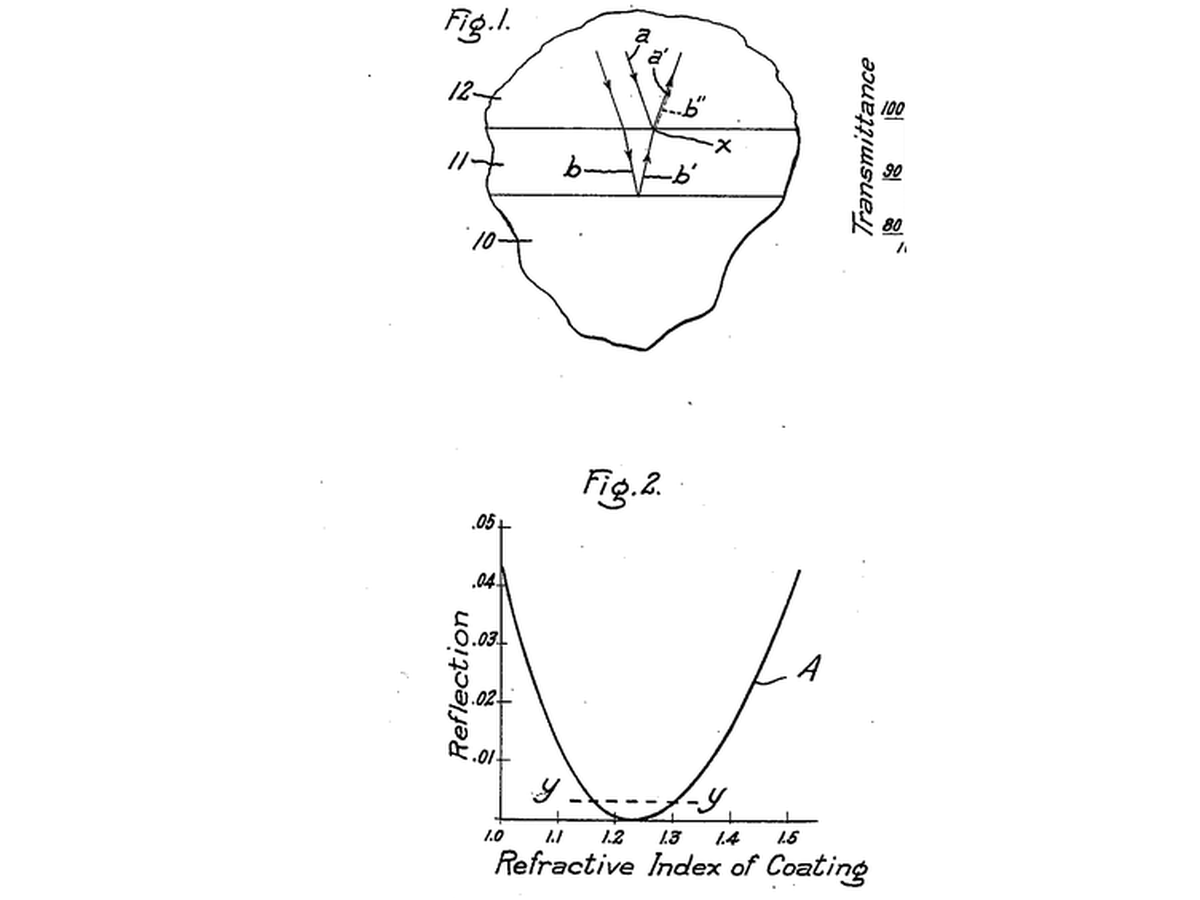


Anti-Reflection Coating
Katharine Blodgett at General Electric, working with Irving Langmuir, learned to build soap-like films one molecule-thick layer at a time. Stacking just enough layers onto glass, she made it nearly invisible: light reflected from the top of the film and from the glass beneath cancelled out.
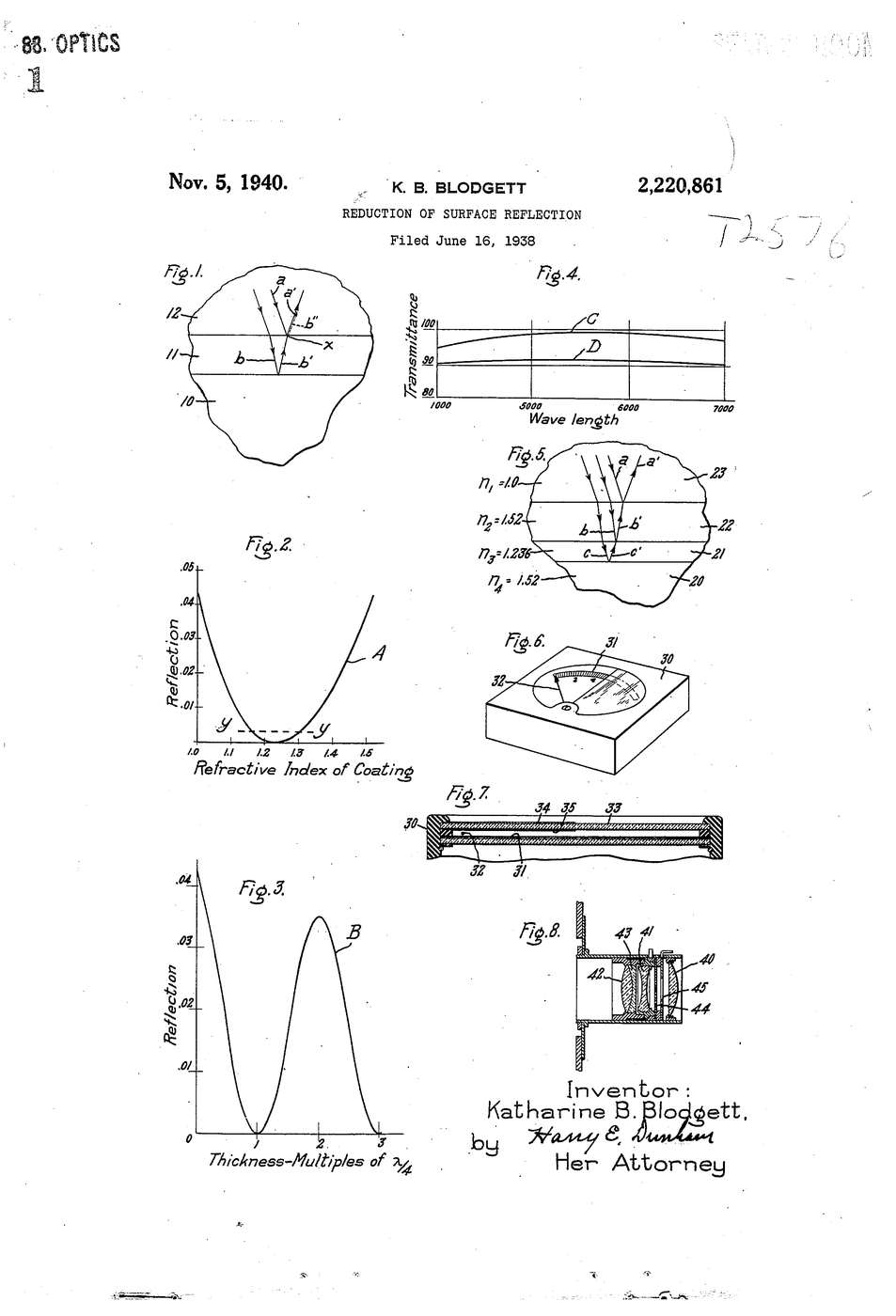
**US 2,220,861**, "Reduction of surface reflection", Blodgett, assigned to General Electric, filed 16. June 1938, granted 5. November 1940: a coating whose "optical thickness … corresponds at least approximately to a quarter wave length of visible light" and whose refractive index is "intermediate" between air and the glass.
**You measure the reflection a coating removes**, design one in a notebook, and watch quarter-wave interference happen in a soap film.
Beginner
90 minutes
Instructions
1
1
Measure bare glass
Measure bare glass
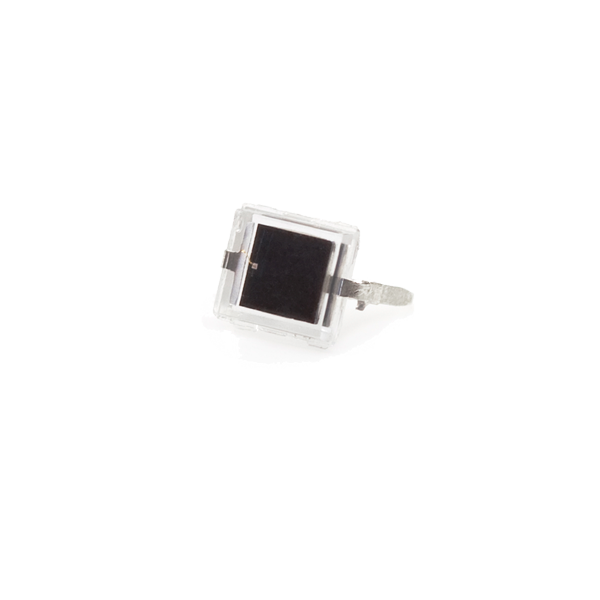
Clip the solar cell to the multimeter (DC mA). In a dim room shine the laser straight onto the cell and note the current. Then bounce the beam off a clean microscope slide, close to perpendicular, onto the cell. Note that current. Never look along the beam.
Materials for this step:
 Microscope Slides with Coverslips1 pack
 Solar Cell Mini - 350mV1 piece
Tools needed:
 Laser Pointer
 Multimeter
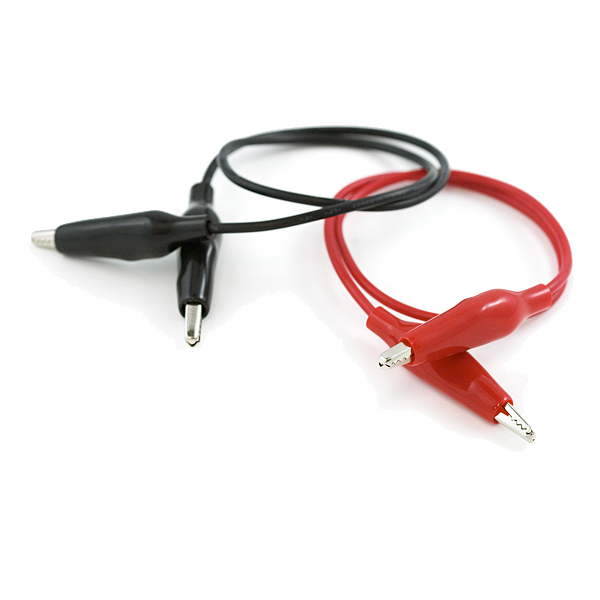 Alligator to Alligator Cables
2
2
Mix a film solution
Mix a film solution
Stir 1 part detergent and 1 part glycerin into 10 parts water in a jar. Bend copper wire into a 60 mm loop with a handle.
Materials for this step:
 Mild Detergent20 ml
 Glycerin (Vegetable)20 ml
 Copper Wire1 meter
Tools needed:
 Glass Jar
 Pliers Set
3
3
Watch a film thin
Watch a film thin
Dip the loop and hold it upright in front of black card, lit by a window behind you. Colour bands slide down as the film drains; at the top a black band appears - a film too thin to reflect.
Materials for this step:
 Black Card Stock1 sheet
4
4
Fresnel, coating design, soap film
Fresnel, coating design, soap film
Loading Jupyter Notebook...
5
5
History & Context
History & Context
**What the patent specifies:** a surface layer of quarter-wave optical thickness with a refractive index between those of the surrounding medium and the glass. **Modern build (derived):** measurement and design only - production coatings are evaporated in vacuum.
Blodgett's stearate films were too soft to wipe clean. Alexander Smakula at Zeiss had developed coatings evaporated in vacuum in 1935; that durable route won, and today almost every camera lens and eyeglass is coated, often with many layers. Their limits: a single layer is perfect at only one wavelength, and coatings scratch.
Materials
6- Placeholder
- Solar Cell Mini - 350mV10% commission1 piece$2.18
- 20 mlPlaceholder
- 20 mlPlaceholder
- 1 meterPlaceholder
- 1 sheetPlaceholder
Tools Required
5- Placeholder
- Placeholder
- Alligator to Alligator Cables10% commission$3.52
- Placeholder
- Placeholder
Estimated Total
What the maker bought. Materials shown without a price are sourced wherever you buy them.
Related Blueprints
These blueprints share knowledge with this one — techniques, materials, or principles that connect them in the learning graph.

CC0 Public Domain
This blueprint is released under CC0. You are free to copy, modify, distribute, and use this work for any purpose, without asking permission.
Support the Maker by purchasing products through their Blueprint where they earn a Maker Commission set by Vendors, or create a new iteration of this Blueprint and include it as a connection in your own Blueprint to share revenue.