Collaboration
ART
BEAUTY & WELLNESS
CRAFT
CULTURE & HISTORY
ENTERTAINMENT
ENVIRONMENT
FOOD & DRINKS
REVERSE ENGINEERING
SCIENCES
SPORTS
TECHNOLOGY
WEARABLES
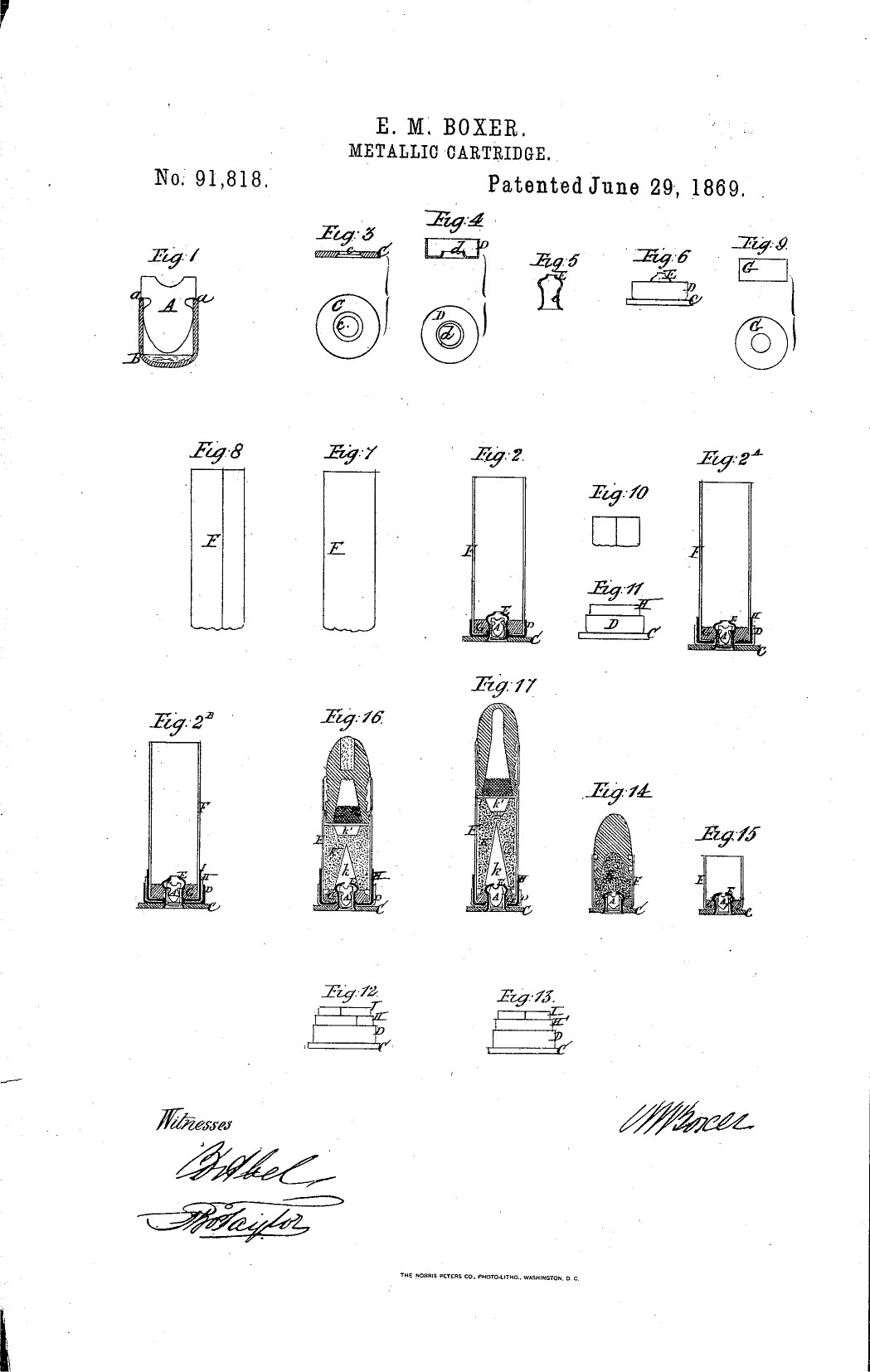

The Centre-Fire Cartridge With an Anvil (Boxer, 1866-1869) - History and How It Works
Beginner
About 15 minutes
Instructions
1
1
Read Boxer's patent
Read Boxer's patent
His first claim is for "constructing the anvil to cartridges for breech loading fire-arms with shoulders or projections, so formed as to abut against the edge of the percussion cap, and thus to prevent its entering the cap to such an extent as to cause the ignition ... except when the cap is acted upon by the striker of the gun" (US 91,818, dated 29 June 1869; patented in England 13 October 1866).
2
2
How it works, in principle
How it works, in principle
In a centre-fire cartridge the cap is in the middle of the base. When the gun's striker dents the cap, it is crushed against the anvil and fires, and the flame passes into the case. Boxer shaped the anvil so that, until the striker hits, it cannot be pushed far enough into the cap to fire it.
3
3
Why it mattered
Why it mattered
A cartridge that only fires when struck by the gun is safer to carry, ship and handle. Centre-fire cartridges with the cap in the middle of the base became the usual design for rifles and pistols.
4
4
Honest limits
Honest limits
From the text of US 91,818 (1869). Boxer's patent also describes the construction of the case; that is not covered here. This page gives no dimensions, compositions, charges or making steps, by design.
Related Blueprints
These blueprints share knowledge with this one — techniques, materials, or principles that connect them in the learning graph.
Hazardous
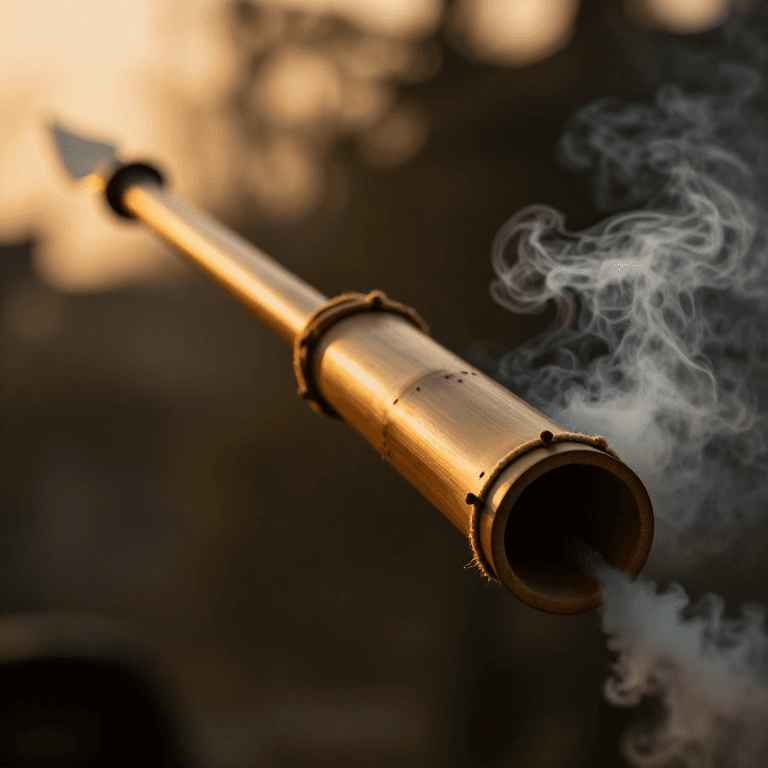
Building a Song Dynasty Fire Lance — The World's First Gunpowder Weapon
by Charlie
Weaponry
110
1
0
0
4
0
Hazardous
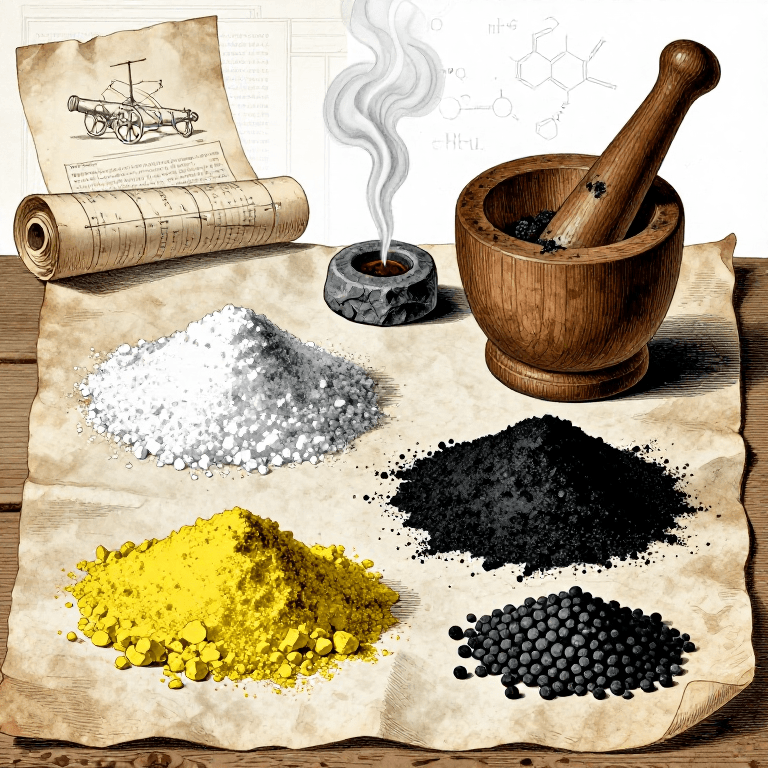
Making Black Powder from Saltpeter, Sulfur, and Charcoal — The Mixture That Changed the World
by Charlie
Weaponry
190
0
0
0
7
0
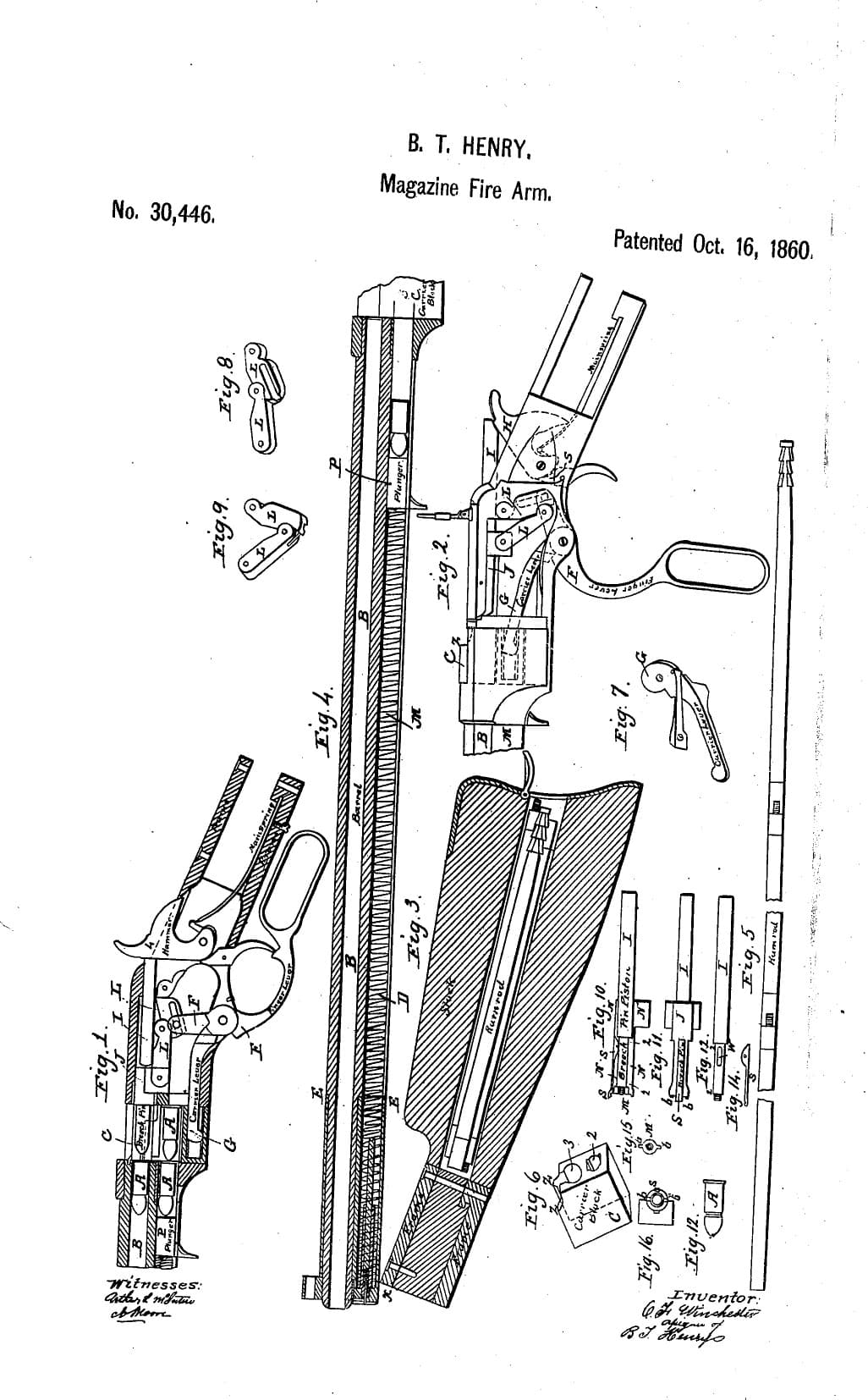
The Lever-Action Magazine Rifle (B. Tyler Henry, 1860) - History and How It Works
by Charlie
Weaponry
0
0
0
0
0
0
CC0 Public Domain
This blueprint is released under CC0. You are free to copy, modify, distribute, and use this work for any purpose, without asking permission.
Support the Maker by purchasing products through their Blueprint where they earn a Maker Commission set by Vendors, or create a new iteration of this Blueprint and include it as a connection in your own Blueprint to share revenue.