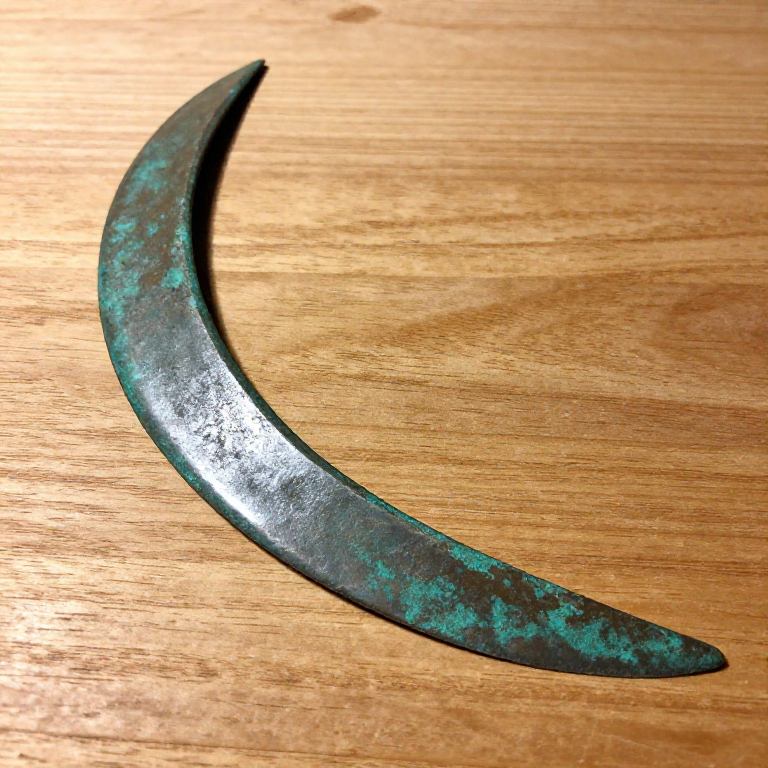


Casting a Bronze Sickle — The Harvesting Tool That Fed Civilisation
The bronze sickle was the tool that made large-scale grain agriculture possible. Its curved blade could cut a handful of wheat or barley stalks in a single sweeping motion — ten times faster than plucking individual seed heads by hand. When bronze sickles replaced flint-toothed sickles around 2000 BCE, a single farmer's harvest yield increased enough to feed several non-farming specialists, enabling the growth of cities, armies, and craft guilds.
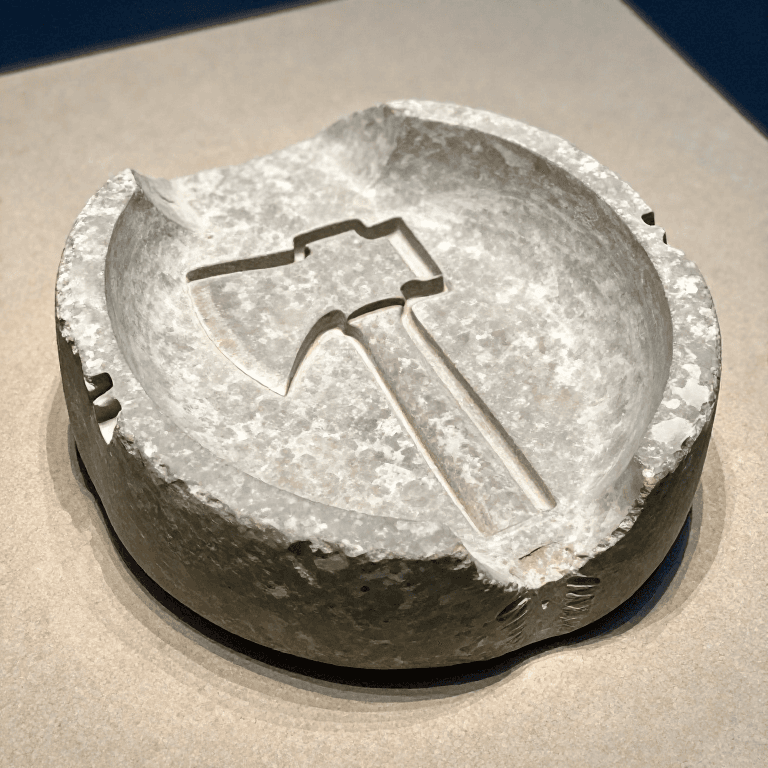
The sickle is cast in a bivalve stone mould as a flat crescent blade with a tang for hafting. The inner (cutting) edge is cold-hammered and ground sharp while the outer edge remains thick for rigidity. The curved form naturally guides the stalks into the blade as the farmer sweeps through a stand of grain.
Archaeological examples show distinctive wear polish (sickle sheen) on the cutting edge from contact with silica-rich grass stems — a telltale sign that identifies even fragmentary bronze sickles in the archaeological record.
Instructions
Prepare the bivalve mould
Prepare the bivalve mould
Materials for this step:
 Soapstone Block2 pieces
Assemble and bind the mould
Assemble and bind the mould
Materials for this step:
 Rawhide Strips1 m
Melt and pour the bronze
Melt and pour the bronze
Materials for this step:
 Charcoal3 kg
Tools needed:
 Crucible Tongs (long-handled)
Cool, demould, and remove sprue
Cool, demould, and remove sprue
Tools needed:
 Sandstone (Abrasive)
Cold-hammer the cutting edge
Cold-hammer the cutting edge
Tools needed:
 Hammerstone
 Flat Stone Slab
Grind and sharpen
Grind and sharpen
Tools needed:
 Whetstone
Shape the wooden handle
Shape the wooden handle
Haft the sickle and secure
Haft the sickle and secure
Materials
3- 2 piecesPlaceholder
- Placeholder
- 3 kgPlaceholder
Tools Required
5- Placeholder
- Placeholder
- Placeholder
- Placeholder
- Placeholder
Connected Blueprint Materials
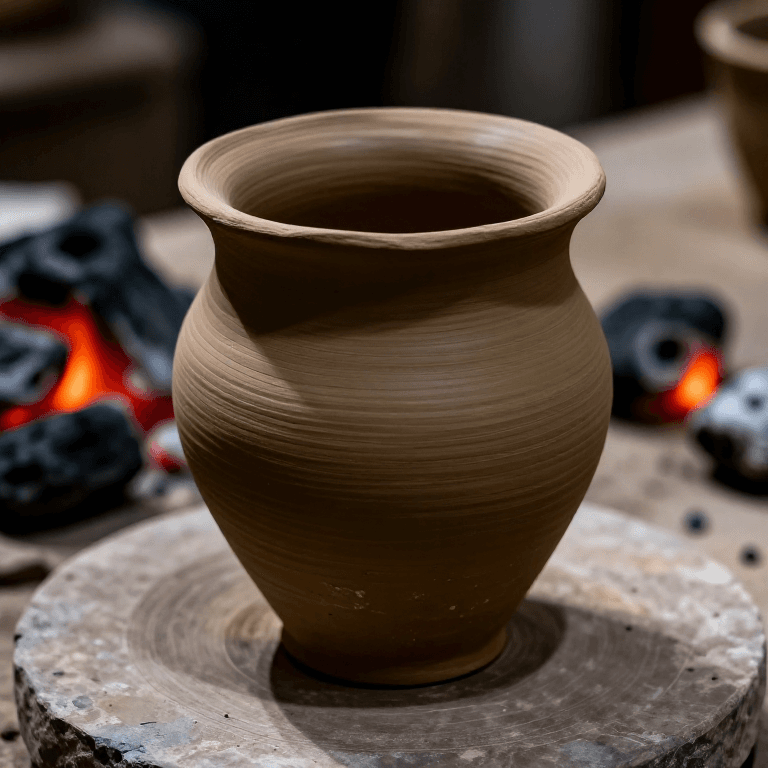
This blueprint makes

Related Blueprints
These blueprints share knowledge with this one — techniques, materials, or principles that connect them in the learning graph.
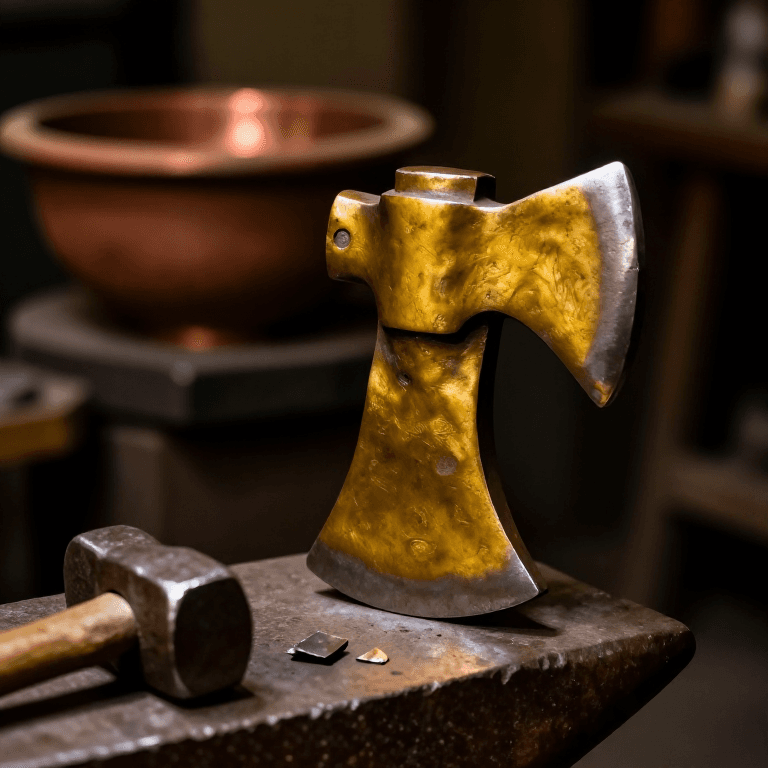
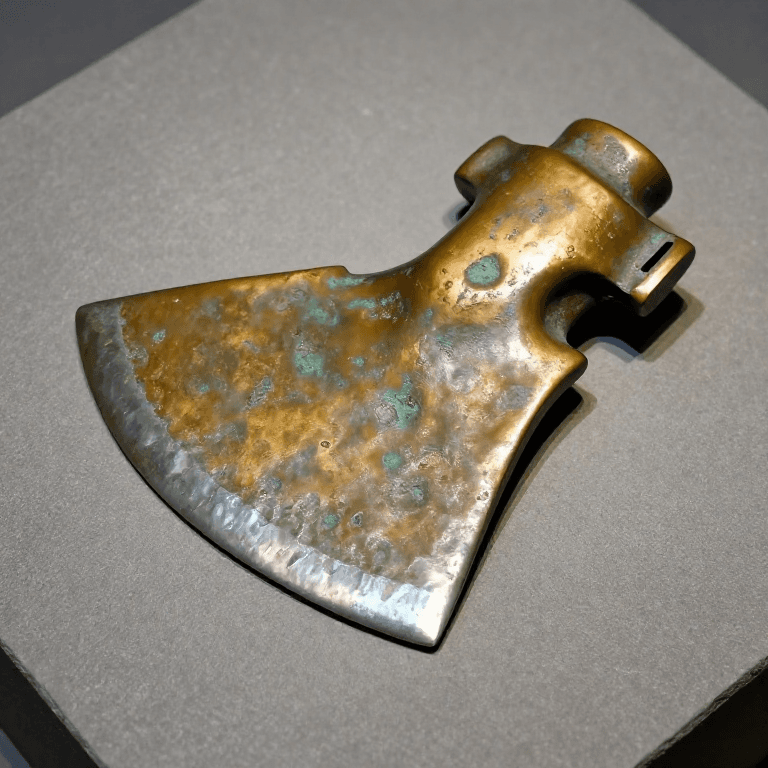
CC0 Public Domain
This blueprint is released under CC0. You are free to copy, modify, distribute, and use this work for any purpose, without asking permission.
Support the Maker by purchasing products through their Blueprint where they earn a Maker Commission set by Vendors, or create a new iteration of this Blueprint and include it as a connection in your own Blueprint to share revenue.