ART
BEAUTY & WELLNESS
CRAFT
CULTURE & HISTORY
ENTERTAINMENT
ENVIRONMENT
FOOD & DRINKS
REVERSE ENGINEERING
SCIENCES
SPORTS
TECHNOLOGY
WEARABLES
Hazardous


Cerium: Anhydrous Cerous Chloride Electrolysed in an Iron Pipe at 200 Amperes (Hirsch, 1911)
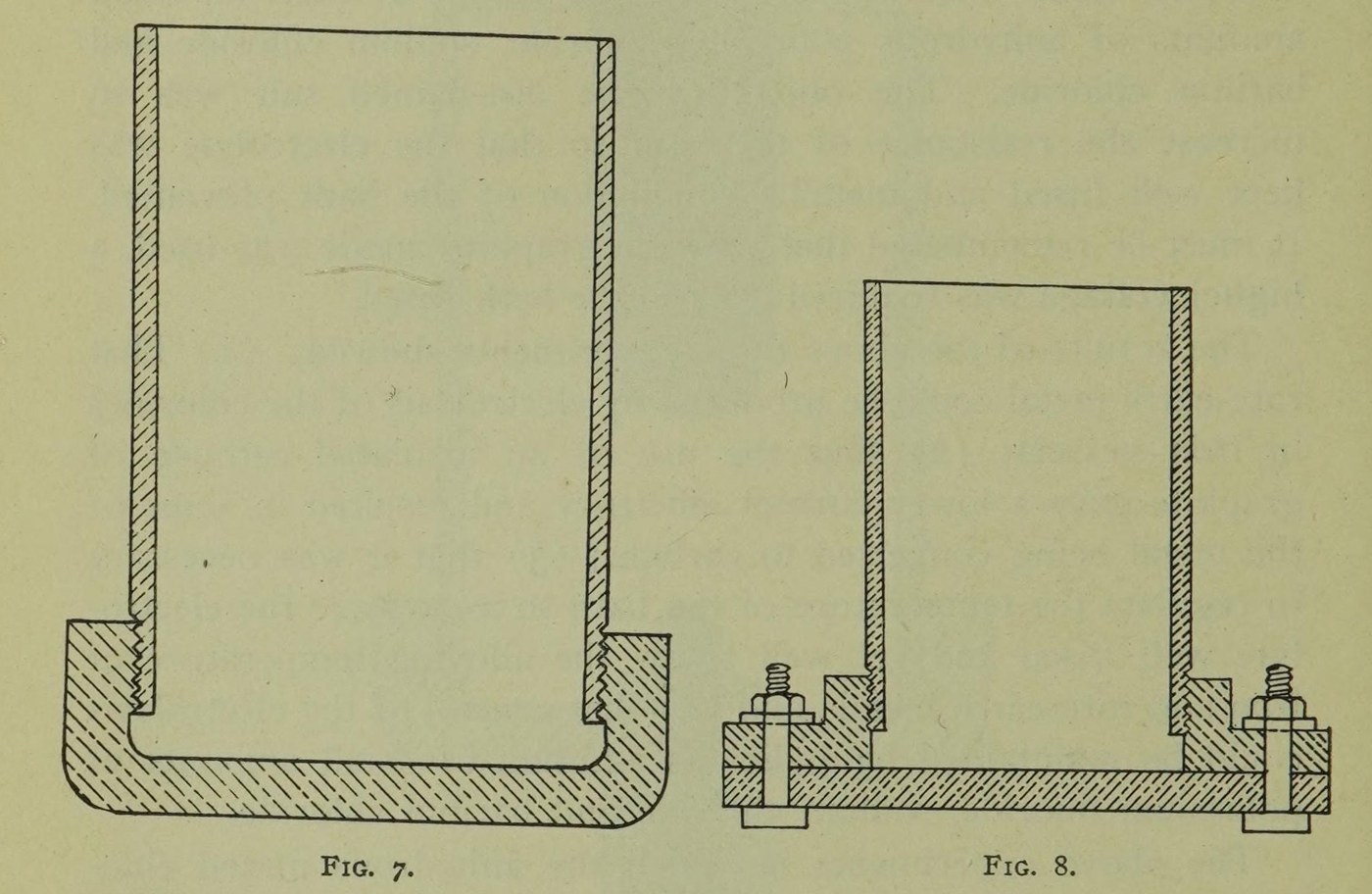
The hard part of making cerium is a chloride with no water and no oxide in it. Hirsch boiled purified cerium ammonium nitrate down with hydrochloric acid for weeks, dried it in a stream of dry hydrogen chloride, then electrolysed the melt in a plain iron pipe, which served as the cathode.
Result: a fused ingot of cerium metal (580 g in one run), about 98 % cerium.
Source: A. Hirsch, The Preparation and Properties of Metallic Cerium, Trans. Am. Electrochem. Soc. 20 (1911), pp. 65-85. Chlorine comes off the anode; hydrogen chloride is corrosive; the original seal used asbestos. Picture: Figs. 7 and 8 of the paper.
Advanced
4 weeks
Hazardous content
This blueprint contains hazardous procedures. Log in and enable hazardous content in your account settings to view the step-by-step instructions.
Sign inThis blueprint makes

CC0 Public Domain
This blueprint is released under CC0. You are free to copy, modify, distribute, and use this work for any purpose, without asking permission.
Support the Maker by purchasing products through their Blueprint where they earn a Maker Commission set by Vendors, or create a new iteration of this Blueprint and include it as a connection in your own Blueprint to share revenue.