ART
BEAUTY & WELLNESS
CRAFT
CULTURE & HISTORY
ENTERTAINMENT
ENVIRONMENT
FOOD & DRINKS
REVERSE ENGINEERING
SCIENCES
SPORTS
TECHNOLOGY
WEARABLES
Translated


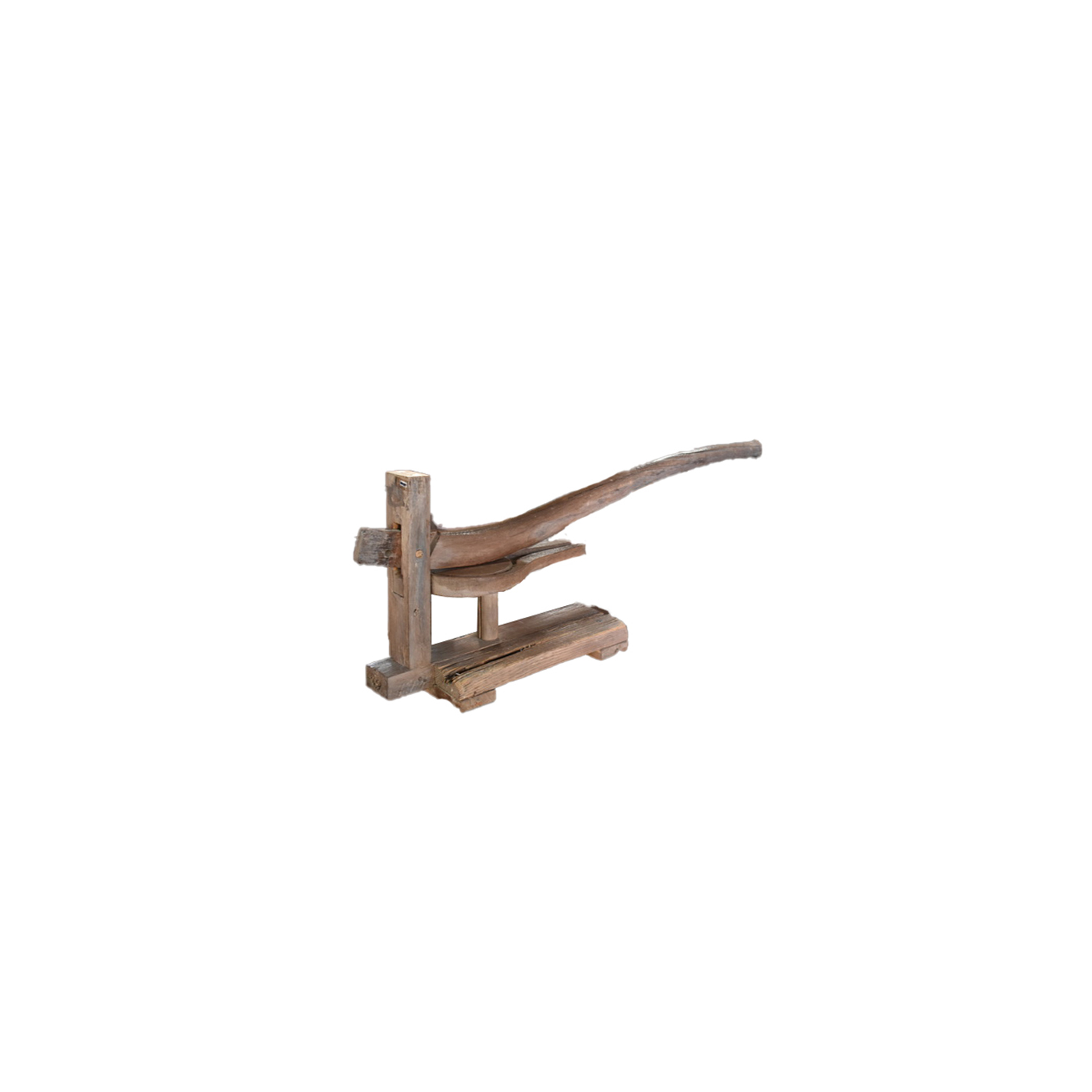
ช้างหีบ (chang hip) — Pull the Trunk Down on Cane Laid on the Jaw, and the Juice Runs Along the Groove into a Vessel
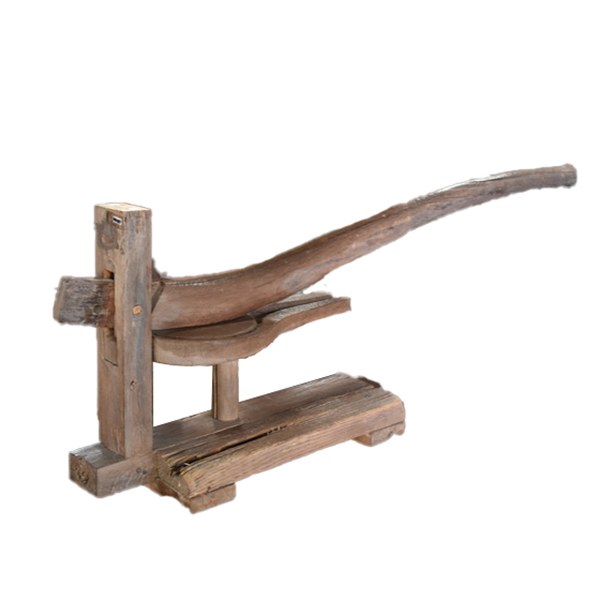
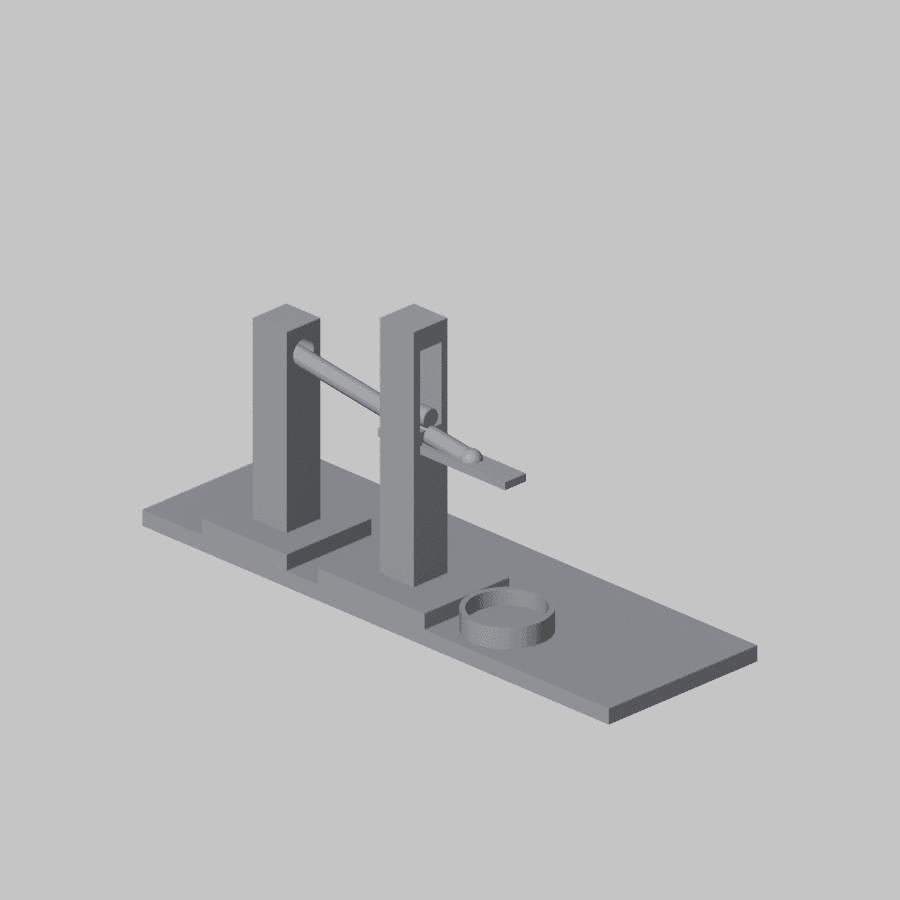
ช้างหีบ (chang hip) is a tool for pressing sugarcane, squeezing coconut milk and pressing oil from seeds. It is called the elephant press because the lever looks like an elephant's trunk and the base it presses on like an elephant's mouth or jaw. It is made of the trunk (mai nguang chang), the post (mai tang), the foot board (mai kha wang) and the jaw (mai pak chang).
This blueprint builds a real chang hip from hardwood, to the sizes in the source.
Beginner
About 2-3 days
Instructions
1
1
Real sizes
Real sizes
Loading Jupyter Notebook...
2
2
The cane press stick before it
The cane press stick before it
The mai hip oi works like the chang hip but presses a little at a time; the chang hip is bigger and presses more.
3
3
Read from the source
Read from the source
"A tool for pressing sugarcane: cut the cane into pieces, peel them and lay them on the elephant's mouth, then pull the tip of the trunk down; when the pieces of cane are pressed, the cane juice runs out." (Sirindhorn Anthropology Centre, author พิชชา ทองขลิบ (Phitcha Thongkhlip), CC BY 4.0)
4
4
Foot board and post
Foot board and post
Make the foot board from a board about 40 cm wide, 80 cm long and 5 cm thick. Make the post from a thick board: chisel a rectangular hole for the trunk to pass loosely, and a hole for the jaw's tenon. Tenon the post into the foot board.
Materials for this step:
 Hardwood Board1 piece
 Teak Lumber1 piece
Tools needed:
 Chisel Set - Wood
 Wooden Mallet
 Hand Saw
5
5
The jaw
The jaw
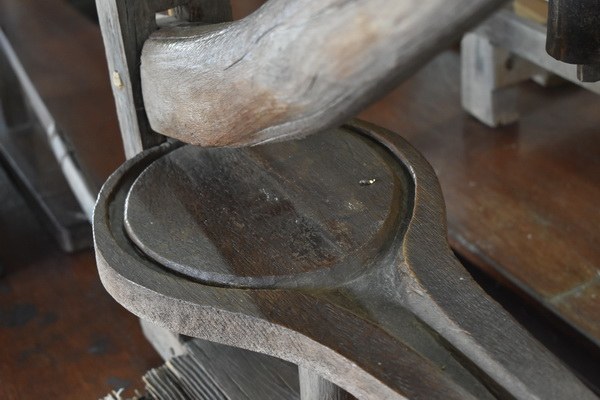
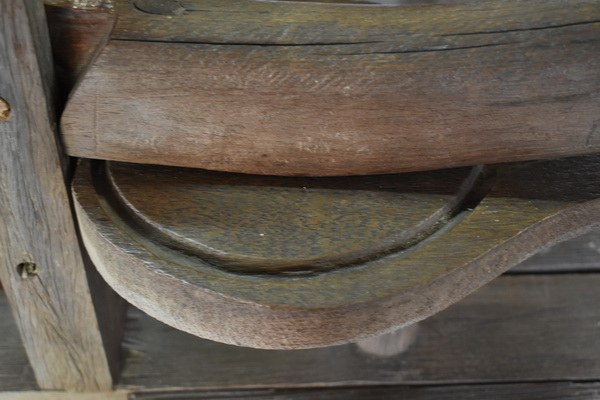
Make a thick board shaped like an elephant's lower jaw, round and broad at the root and tapering to the tip, with a groove cut round it. Tenon it into the post midway between the trunk and the foot board, sloping slightly toward the tip.
Materials for this step:
 Hardwood Block1 piece
Tools needed:
 Gouge
Gouge Adze
Adze6
6
The trunk
The trunk
Hew wood into an elephant's trunk 1-2 metres long, big at the root and tapering to the tip. Bore a hole in the root and pass an iron pin through it to hold it to the post, so it rocks up and down.
Materials for this step:
 Iron Rod1 piece
Tools needed:
 Hand Plane
 Auger
Auger7
7
Real photos
Real photos
Real photos of a ช้างหีบ (chang hip) from พิพิธภัณฑ์พื้นบ้านจ่าทวี (Ja Thawee Folk Museum) (Sirindhorn Anthropology Centre, author พิชชา ทองขลิบ (Phitcha Thongkhlip), CC BY 4.0)
8
8
How to use it
How to use it
Cut the cane into pieces, peel them and lay them on the jaw. Pull the tip of the trunk down, and the juice runs along the groove into a vessel. It can also squeeze coconut milk from grated coconut, or press oil from pounded beans, sesame or castor seeds put in a bag.
9
9
Troubleshooting
Troubleshooting
Troubleshooting the chang hip.
Flow
Loading...
10
10
History and limits
History and limits
It is called the elephant press because the lever looks like an elephant's trunk and the base it presses on like an elephant's mouth or jaw. The foot board is also called mai tin chang (elephant's foot).
Source: Sirindhorn Anthropology Centre, Traditional Objects of Everyday Use database, "ช้างหีบ" (CC BY 4.0 licence).
**Limits** The source does not give clear sizes for the post and the jaw.
Materials
4- 1 piecePlaceholder
- Teak Lumber10% commission1 piecePlaceholder
- 1 piecePlaceholder
- 1 piecePlaceholder
Related Blueprints
These blueprints share knowledge with this one — techniques, materials, or principles that connect them in the learning graph.


CC0 Public Domain
This blueprint is released under CC0. You are free to copy, modify, distribute, and use this work for any purpose, without asking permission.
Support the Maker by purchasing products through their Blueprint where they earn a Maker Commission set by Vendors, or create a new iteration of this Blueprint and include it as a connection in your own Blueprint to share revenue.