Collaboration
ART
BEAUTY & WELLNESS
CRAFT
CULTURE & HISTORY
ENTERTAINMENT
ENVIRONMENT
FOOD & DRINKS
REVERSE ENGINEERING
SCIENCES
SPORTS
TECHNOLOGY
WEARABLES
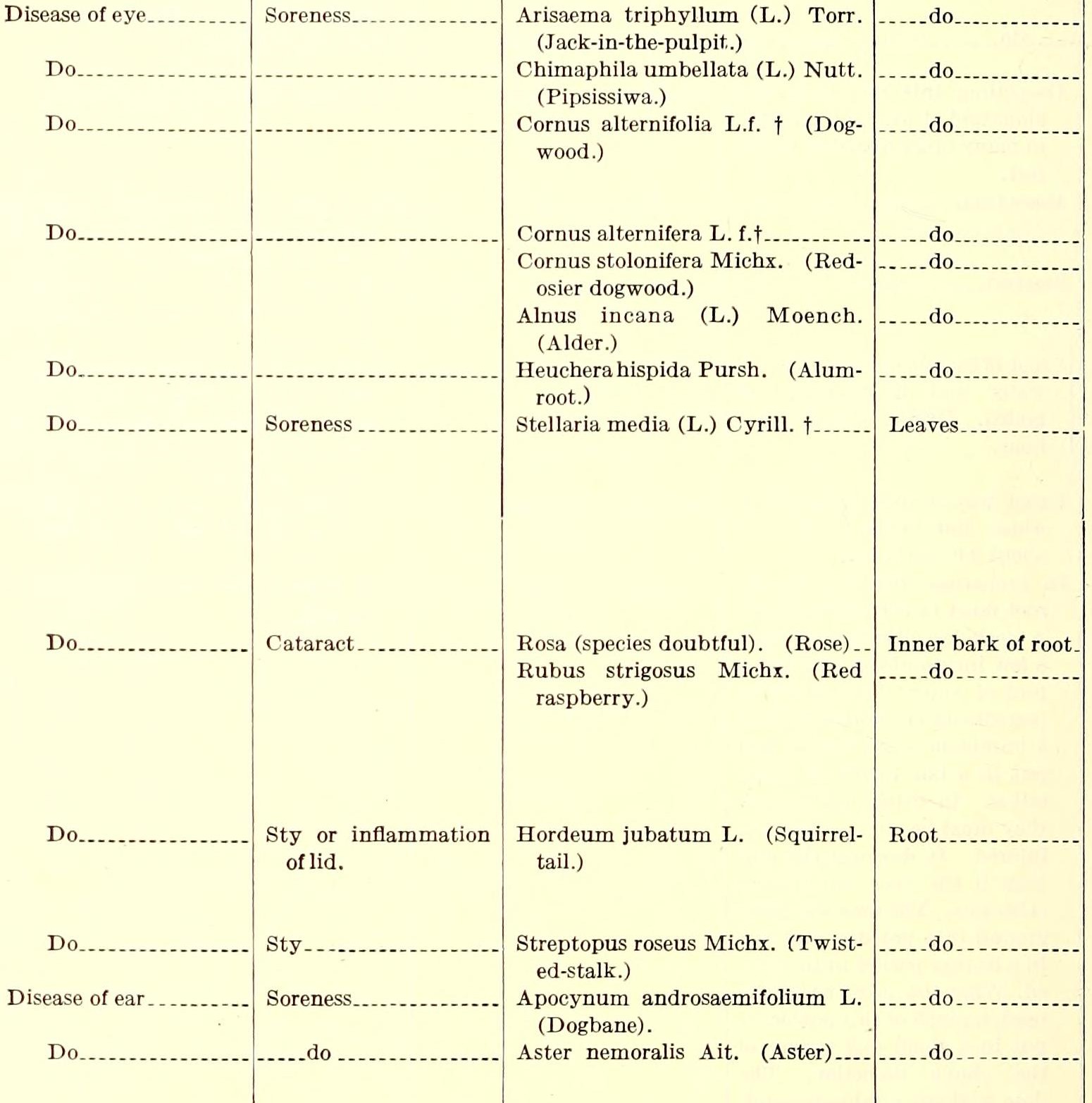

Chippewa Remedies for Sore Eyes, Sties, Cataract and Sore Ears: Dogwood and Alder Washes, Chickweed, Rose and Raspberry Root, Squirrel-Tail, Aster (Densmore, 1928)
Chippewa (Ojibwe) eye and ear remedies recorded by Frances Densmore: pipsissewa drops, a strained dogwood root wash, dogwood and alder root compresses, alum root, a chickweed leaf wash, rose and then raspberry root bark squeezed over the eye for cataract, a strong squirrel-tail root compress or twisted-stalk poultice for a sty, and lukewarm aster, harebell or trillium root drops for a sore ear. Recorded use, not medical advice.
Beginner
An hour
Instructions
1
1
Her measures
Her measures
Loading Jupyter Notebook...
2
2
Read Densmore
Read Densmore
Rows under "Disease of eye" and "Disease of ear". Recorded use, not medical advice: anything put in an eye should be sterile (ours).
3
3
Washes for sore eyes
Washes for sore eyes
Pipsissewa root decoction was dropped in the eye. "Scrape and steep the [dogwood] root, using a handful to about a pint and a half of water. Let it cool and strain well"; bathe the eye or use it on a compress. Equal parts of dogwood, red-osier dogwood and alder roots were boiled for a wash or compress, and whole alum root was boiled for use outside.
Materials for this step:
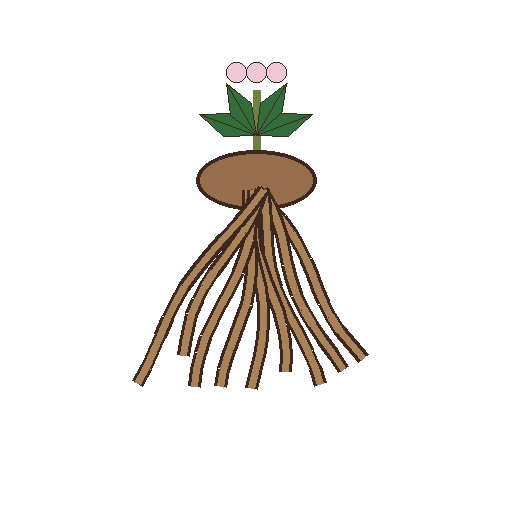 Pipsissewa Root1 piece
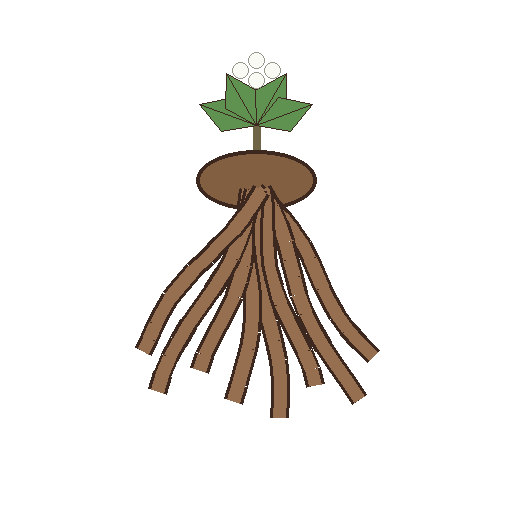 Alternate-Leaf Dogwood Root1 piece
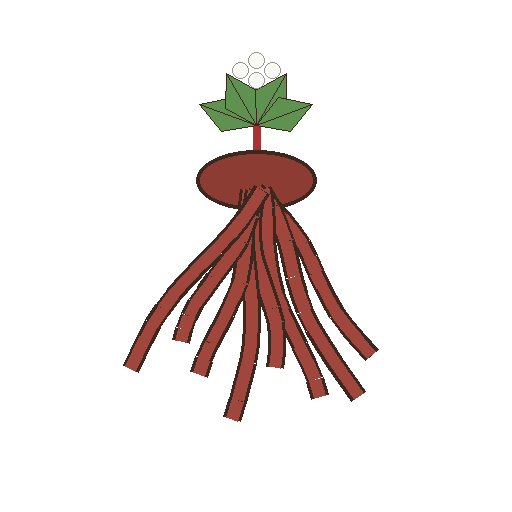 Red-Osier Dogwood Root1 piece
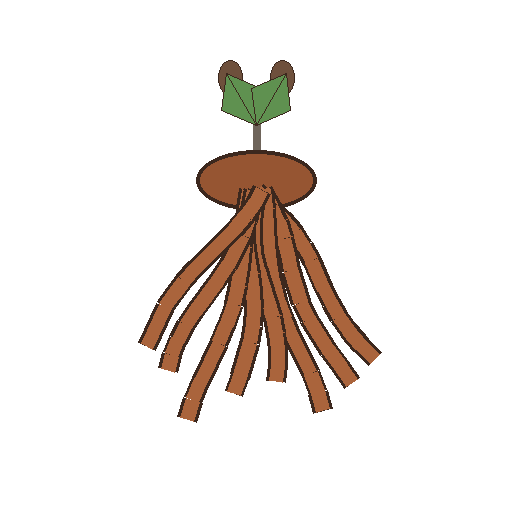 Alder Root1 piece
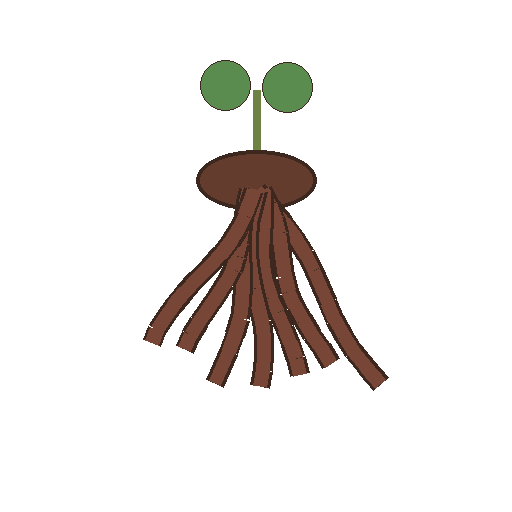 Alum Root1 piece
 Water1 piece
 Cotton Gauze1 piece
Tools needed:
 Digging Stick
 Knife
 Clay Pot
 Fire Pit
 Cheesecloth
4
4
Chickweed wash
Chickweed wash
"Put a handful of the leaves in hot water, do not let it boil long, let it stand and strain it." Used as a wash.
Materials for this step:
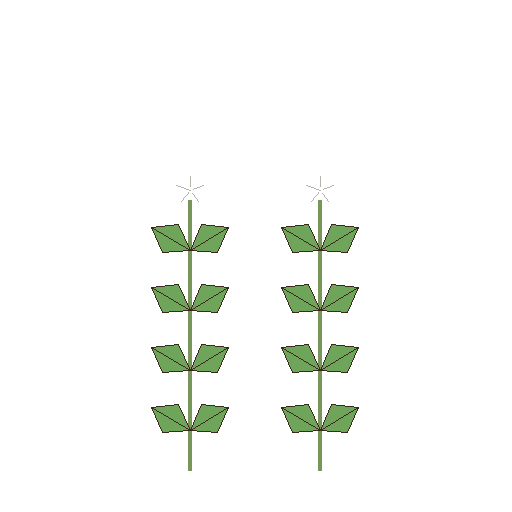 Chickweed Leaves1 pieceWater1 piece
Tools needed:
Clay PotFire PitCheesecloth5
5
Rose and raspberry for cataract
Rose and raspberry for cataract
Two remedies used one after the other: rose root first "for removing inflammation," raspberry root second "for healing the eye." Scrape the second layer of the root into a bit of cloth, soak it in warm water and squeeze it over the eye, "letting some of the liquid run into the eye. This is done 3 times a day." It was said these would cure cataract unless too far advanced; ours: cataract is cured by surgery.
Materials for this step:
 Rose Root Inner Bark1 piece
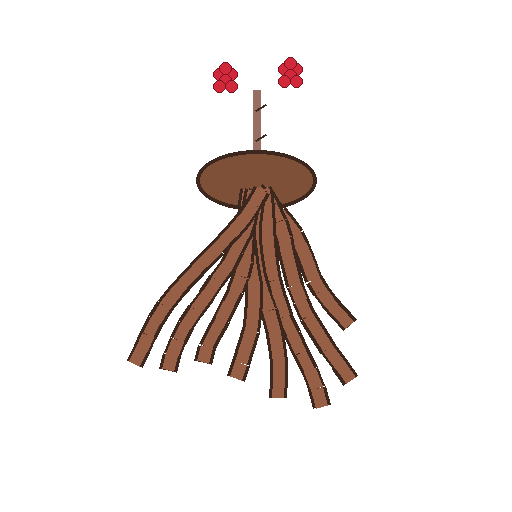 Red Raspberry Root1 pieceWater1 pieceCotton Gauze1 piece
Tools needed:
Digging StickKnifeClay PotFire Pit6
6
Sties
Sties
Squirrel-tail root: "Dried, pounded, put in a cloth which was moistened with warm water and sopped on the eye." It was so strong that one root would have an effect. Or steep twisted-stalk root and use it as a poultice.
Materials for this step:
 Squirrel-Tail Grass Root1 piece
 Twisted-Stalk Root1 pieceWater1 pieceCotton Gauze1 piece
Tools needed:
Digging Stick Drying Rack
 HammerstoneClay PotFire Pit
7
7
Sore ear
Sore ear
Boil aster root: "Drop in ear or apply on cloth; use lukewarm water." Or "take 1 root [of harebell] to one half cup of water; steep and strain" and drop a very little in the ear, lukewarm. Or scrape the second layer of trillium root bark, boil it and drop it in the ear.
Materials for this step:
 Aster Root1 piece
 Harebell Root1 piece
 Trillium Root Inner Bark1 pieceWater1 pieceCotton Gauze1 piece
Tools needed:
Digging StickClay PotFire PitCheesecloth8
8
Troubleshooting
Troubleshooting
Eye and ear safety.
Flow
Loading...
9
9
History and honest limits
History and honest limits
From Frances Densmore, *Uses of Plants by the Chippewa Indians*, **44th Annual Report of the Bureau of American Ethnology** (1928), pp. 360-363 (checked on the archive.org scan usesofplantsbych00dens). Chippewa remedies were mostly Midewiwin knowledge, shared so a record would survive. Left out: a Jack-in-the-pulpit eye wash (strong irritant) and dogbane and tansy ear drops (poisonous plants). Metric and safety lines are ours. Recorded use, not medical advice.
Materials
15- 1 piecePlaceholder
- 1 piecePlaceholder
- 1 piecePlaceholder
- 1 piecePlaceholder
- 1 piecePlaceholder
- 5 piecesPlaceholder
- 4 piecesPlaceholder
- 1 piecePlaceholder
- 1 piecePlaceholder
- 1 piecePlaceholder
- 1 piecePlaceholder
- 1 piecePlaceholder
- 1 piecePlaceholder
- 1 piecePlaceholder
- 1 piecePlaceholder
This blueprint makes
Related Blueprints
These blueprints share knowledge with this one — techniques, materials, or principles that connect them in the learning graph.
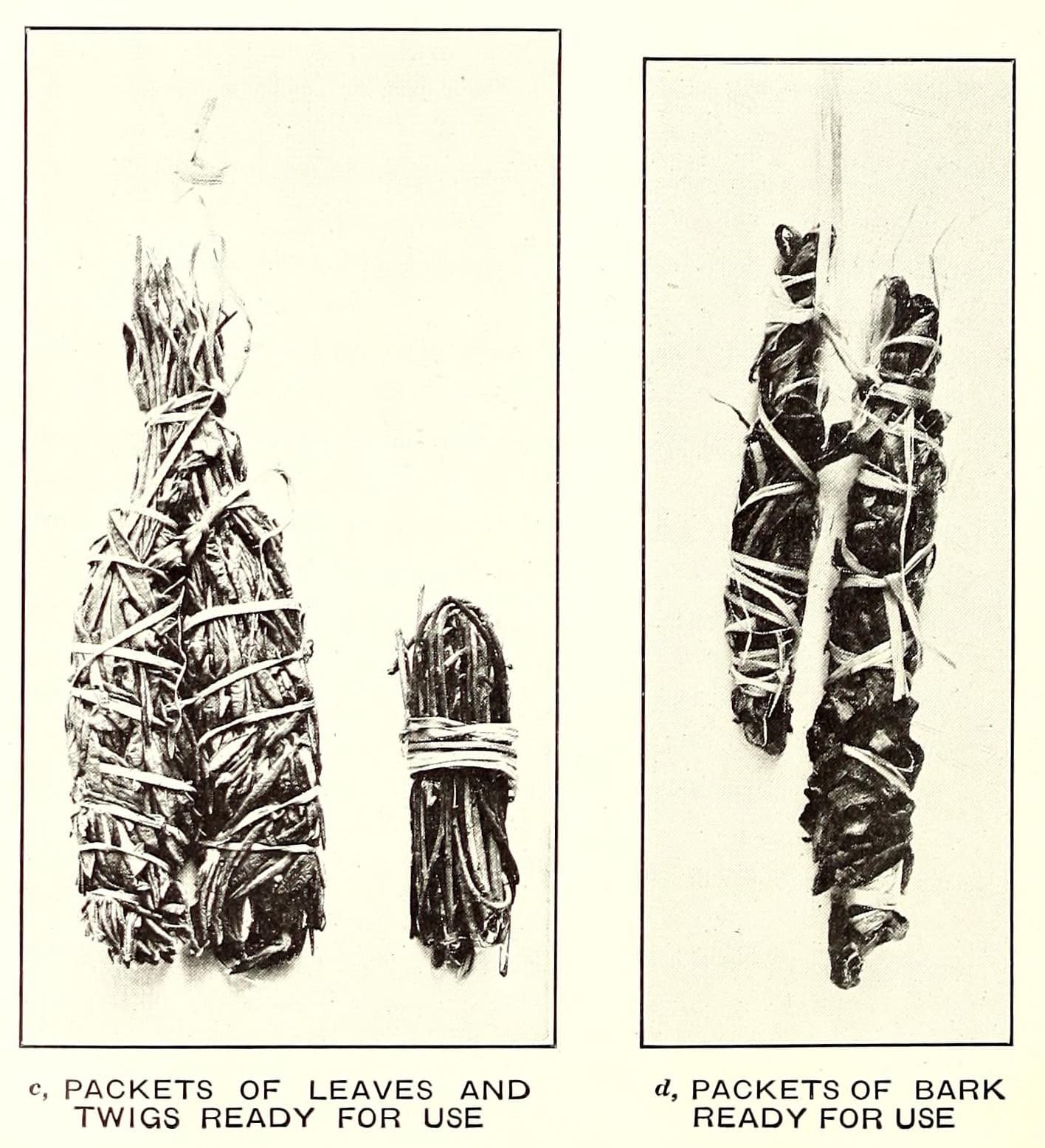
Chippewa Medicinal Roots and Barks: Gathered by the Sap, Dried, Tied in Packets and Kept in Bags (Densmore, 1928)
by Bob
Botany
4
0
0
0
0
0
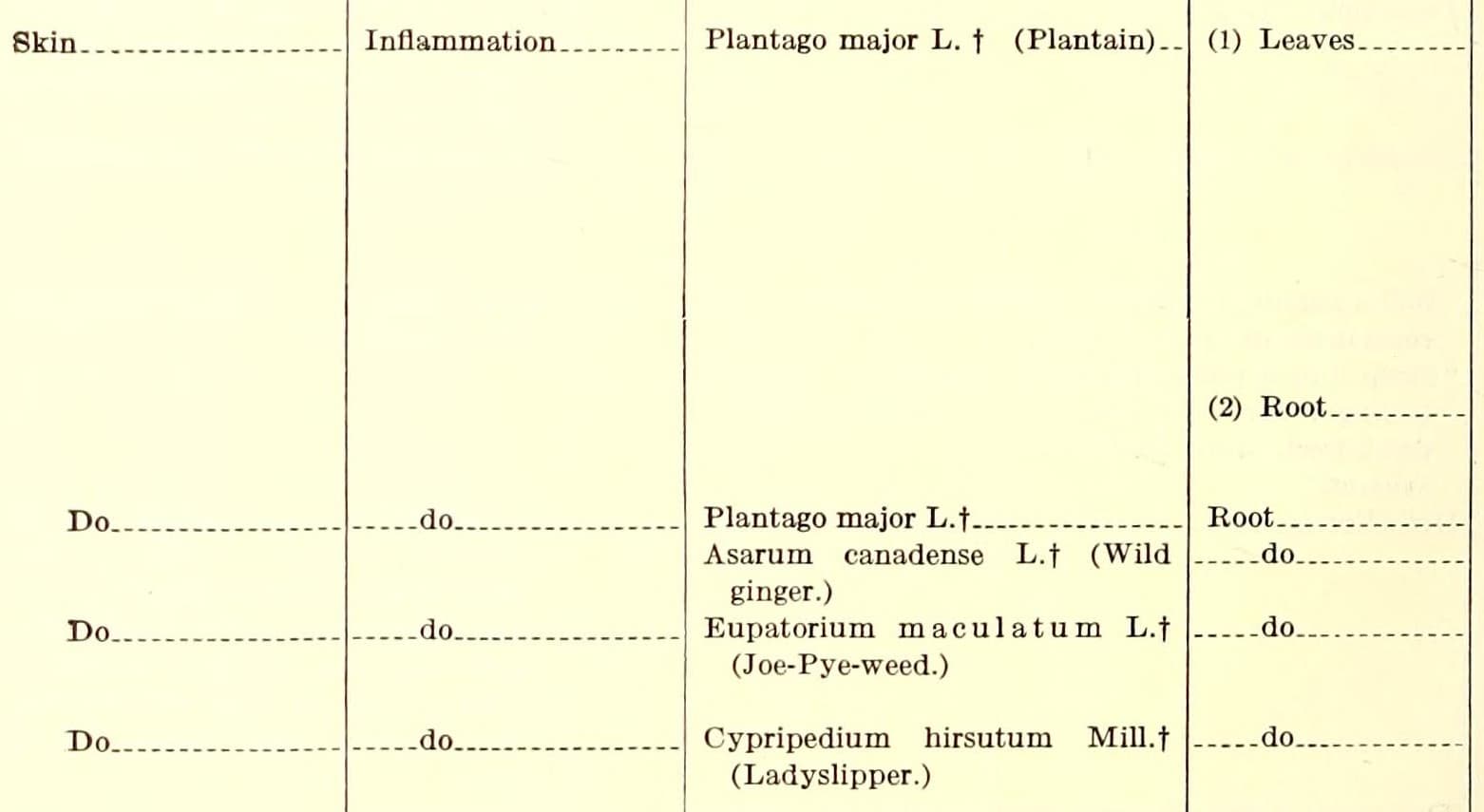
Chippewa Remedies for Inflammation: Greased Plantain Leaves, Plantain and Wild Ginger Root Poultice, Joe-Pye Weed Wash, Lady's Slipper (Densmore, 1928)
by Bob
Medicine
3
0
0
0
0
0
CC0 Public Domain
This blueprint is released under CC0. You are free to copy, modify, distribute, and use this work for any purpose, without asking permission.
Support the Maker by purchasing products through their Blueprint where they earn a Maker Commission set by Vendors, or create a new iteration of this Blueprint and include it as a connection in your own Blueprint to share revenue.