Collaboration
ART
BEAUTY & WELLNESS
CRAFT
CULTURE & HISTORY
ENTERTAINMENT
ENVIRONMENT
FOOD & DRINKS
REVERSE ENGINEERING
SCIENCES
SPORTS
TECHNOLOGY
WEARABLES
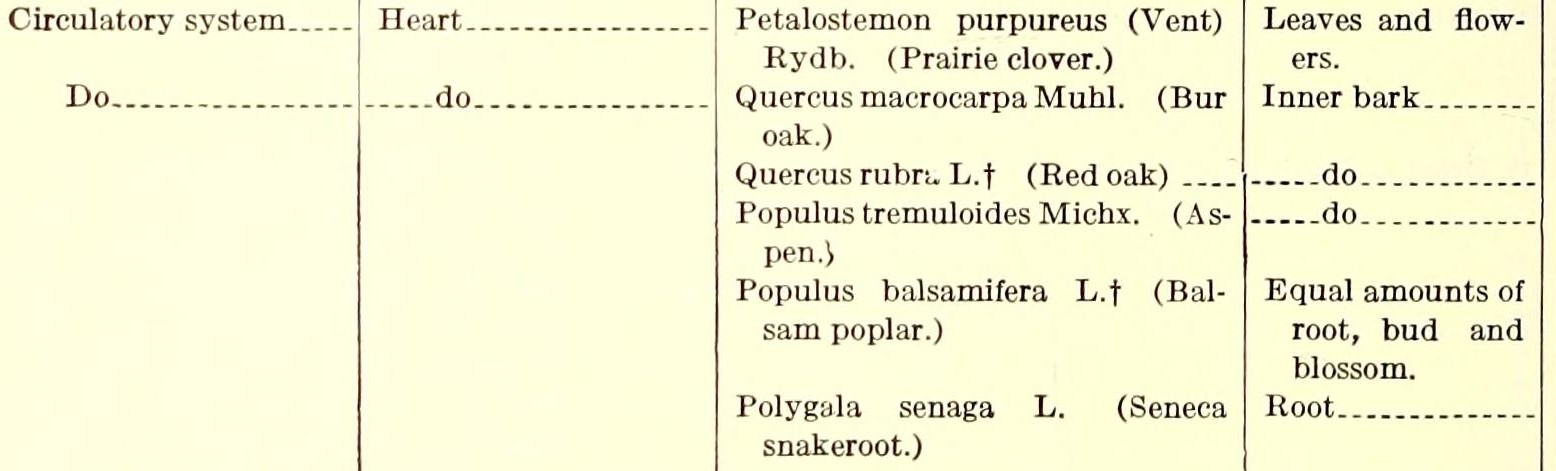

Chippewa Heart Remedies: Prairie Clover, a Ceremonial Oak, Aspen and Seneca Root Medicine Taken by the Swallow, and Mugwort for Palpitation (Densmore, 1928)
Chippewa (Ojibwe) heart remedies recorded by Frances Densmore: a handful of prairie clover in 1 1/2 pints of water, half a cup a dose; a powerful medicine of bur oak, red oak and aspen bark with Seneca root, laid on the water at the four directions and taken by the swallow from a marked birch-bark cup; and mugwort for palpitation. Recorded use, not medical advice.
Beginner
An hour
Instructions
1
1
Her measures
Her measures
Loading Jupyter Notebook...
2
2
Read Densmore
Read Densmore
Rows under Circulatory system, "Heart" and "Heart palpitation". Recorded use, not medical advice: chest pain is an emergency (ours).
3
3
Prairie clover
Prairie clover
Boil a handful of leaves and flowers in 1 1/2 pints (0.71 L) of water. "Dose, 1/2 cup; repeat in half hour if necessary."
Materials for this step:
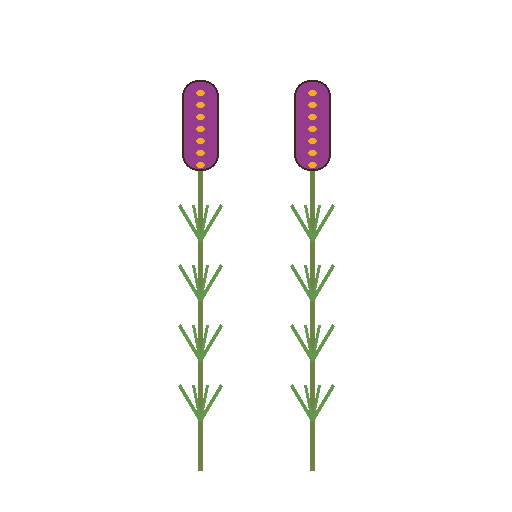 Prairie Clover Leaves and Flowers1 piece
 Water1 piece
Tools needed:
 Clay Pot
 Fire Pit
 Cheesecloth
4
4
The ceremonial heart medicine
The ceremonial heart medicine
Scrape and dry bur oak, red oak and aspen inner bark and powder equal parts in the hands. In a pail with about a pint of water the medicine man laid a little bark at the east, saying "Wa' bûnong" (eastward), then at the south, west and north, and on each pile a smaller portion of powdered Seneca root; then it steeped. "It was said to be very powerful so that care must be used not to take too much of it": one swallow, or a dose from a marked birch-bark cup, repeated in an hour. Balsam poplar (root, bud and blossom in equal amounts) is listed in the same row; its part in the recipe is not clear.
Materials for this step:
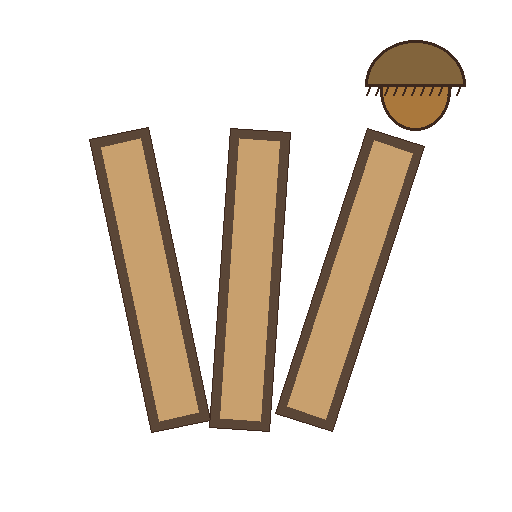 Bur Oak Inner Bark1 piece
 Red Oak Inner Bark1 piece
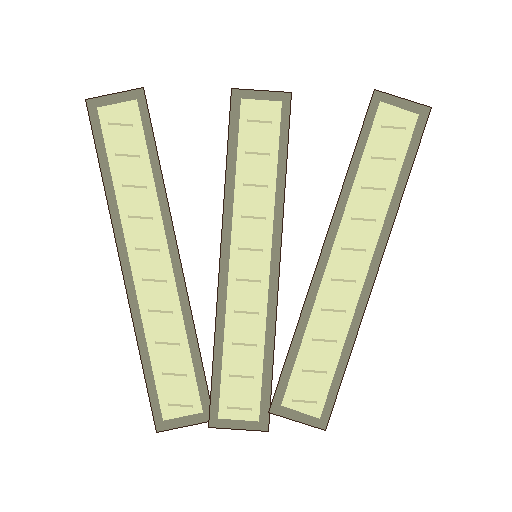 Aspen Inner Bark1 piece
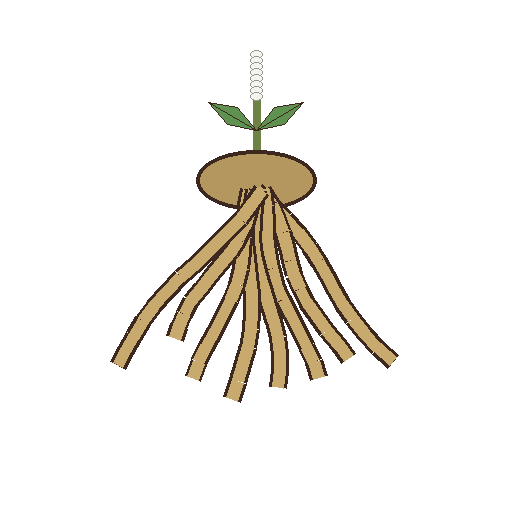 Seneca Snakeroot1 piece
 Balsam Poplar Root1 piece
 Balsam Poplar Buds1 piece
 Balsam Poplar Catkins1 pieceWater1 piece
Tools needed:
 Hatchet
 Knife
 Drying Rack
 Birch Bark Container
5
5
Mugwort for palpitation
Mugwort for palpitation
Dry the leaves and flowers; steep a handful in 1 1/2 pints of water. Give it partly cooled, 1/2 cup, "after which the patient reclined; dose repeated every half hour until patient was relieved." Fresh leaves were also chewed.
Materials for this step:
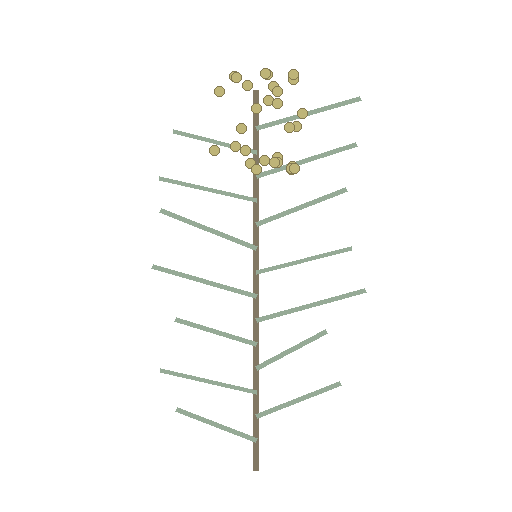 Mugwort Leaves and Tops1 pieceWater1 piece
Tools needed:
Drying RackClay PotFire Pit6
6
Troubleshooting
Troubleshooting
Heart safety.
Flow
Loading...
7
7
History and honest limits
History and honest limits
From Frances Densmore, *Uses of Plants by the Chippewa Indians*, **44th Annual Report of the Bureau of American Ethnology** (1928), pp. 338-339 (checked on the archive.org scan usesofplantsbych00dens). Chippewa remedies were mostly Midewiwin knowledge, shared so a record would survive. Left out: a dogbane root decoction for palpitation (dogbane is a poisonous heart-acting plant). Metric and safety lines are ours. Recorded use, not medical advice.
Materials
10- Placeholder
- 3 piecesPlaceholder
- 1 piecePlaceholder
- 1 piecePlaceholder
- 1 piecePlaceholder
- 1 piecePlaceholder
- 1 piecePlaceholder
- 1 piecePlaceholder
- 1 piecePlaceholder
- 1 piecePlaceholder
This blueprint makes
Related Blueprints
These blueprints share knowledge with this one — techniques, materials, or principles that connect them in the learning graph.
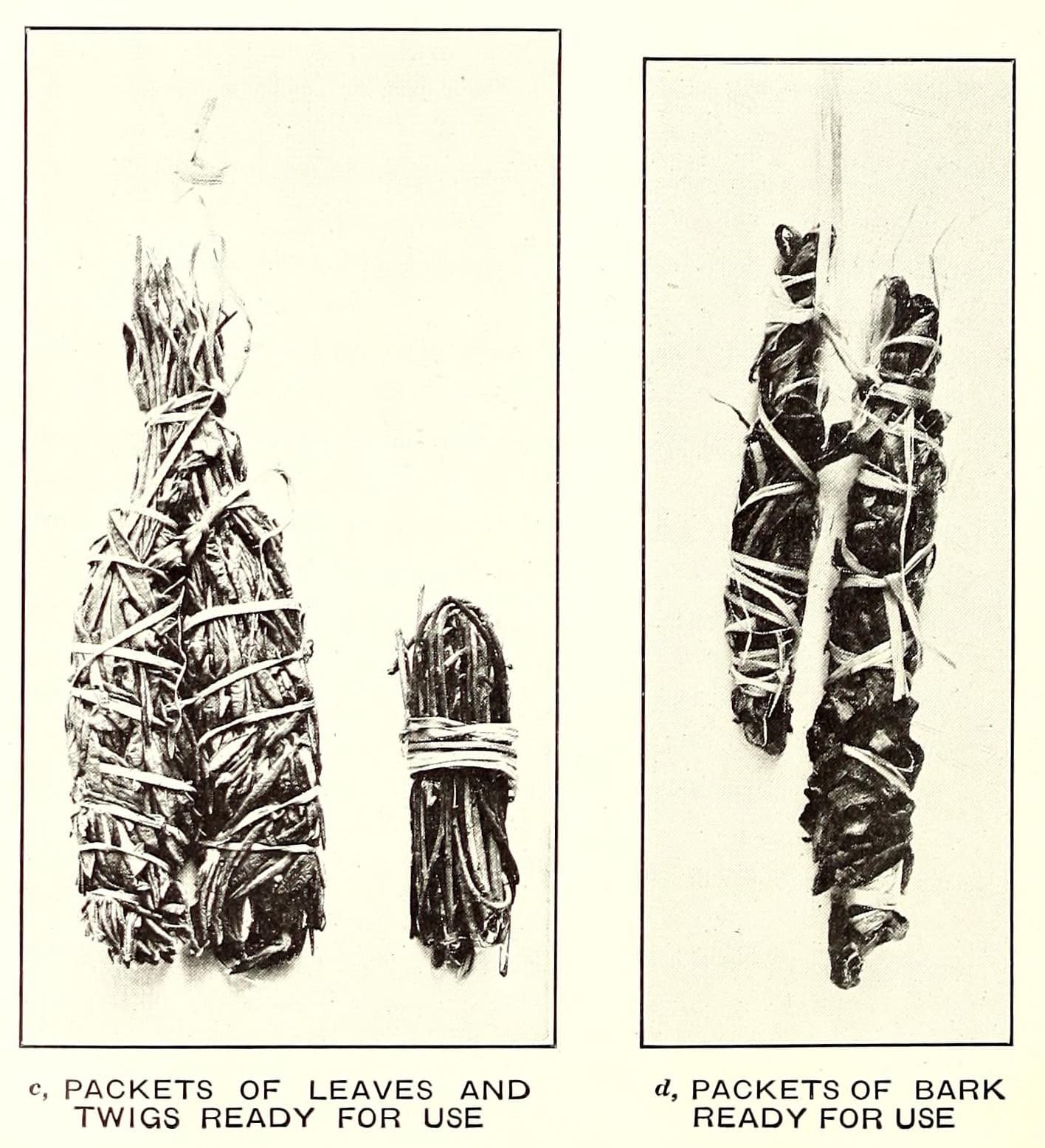
Chippewa Medicinal Roots and Barks: Gathered by the Sap, Dried, Tied in Packets and Kept in Bags (Densmore, 1928)
by Bob
Botany
4
0
0
0
0
0
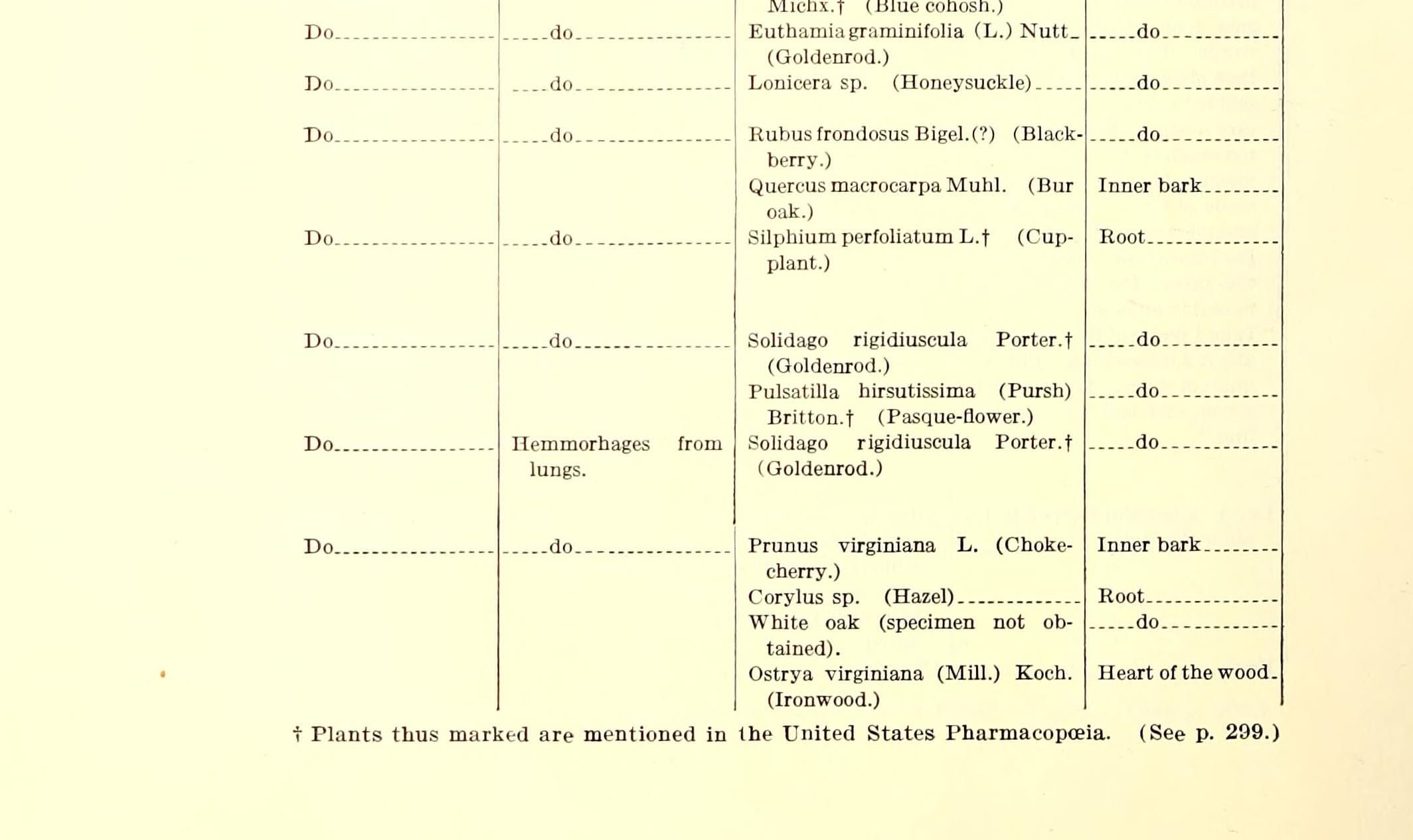
Chippewa Remedies for Chest Pain and Lung Trouble: Goldenrod Root, Blackberry with Bur Oak, Cup Plant, and Four Woods Steeped Together (Densmore, 1928)
by Bob
Medicine
4
0
0
0
0
0
CC0 Public Domain
This blueprint is released under CC0. You are free to copy, modify, distribute, and use this work for any purpose, without asking permission.
Support the Maker by purchasing products through their Blueprint where they earn a Maker Commission set by Vendors, or create a new iteration of this Blueprint and include it as a connection in your own Blueprint to share revenue.