
Making Coal Gas for Lighting — The Gasworks That Lit the Nineteenth Century
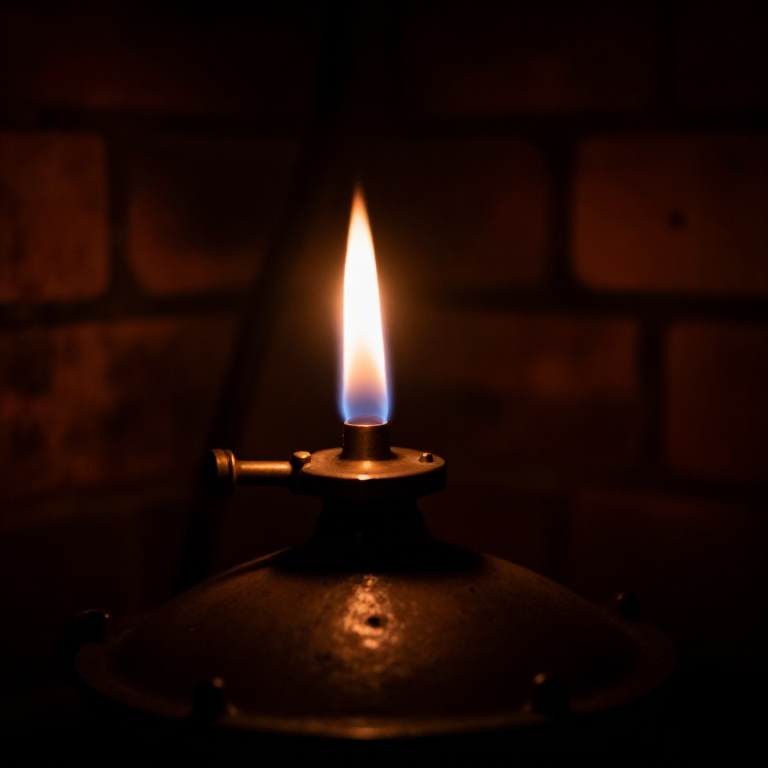
Before electricity, the brightest, most modern light a city could have came piped from a gasworks. Coal gas — a mix of hydrogen, methane, and carbon monoxide cooked out of coal — burned with a clean, steady flame far brighter than any candle or oil lamp. From the 1810s, gas mains snaked under the streets of London and then every industrial city, lighting factories, shops, theatres, and homes.
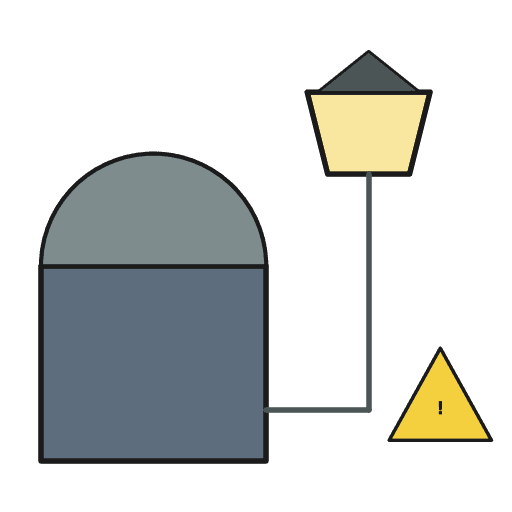
The process is destructive distillation: coal is roasted in a sealed retort with no air, and instead of letting the volatile gases burn off as waste (as a coke heap does), the gasworks captures them. The raw gas is cooled to drop out the coal tar, washed to remove ammonia, and purified over lime to take out the foul-smelling sulphur. The clean gas is stored in a great floating gasholder and piped out to burners.
What makes a gasworks brilliant is that nothing is wasted: the gas gives light, the coke left in the retort is sold as fuel, the coal tar becomes the feedstock for synthetic dyes and chemicals, and the ammonia liquor becomes fertiliser. One load of coal yields four products — the same destructive distillation that makes coke, run the other way round to harvest the gas.
Instructions
Understand coal gas
Understand coal gas
Build a sealed retort
Build a sealed retort
Materials for this step:
 Firebrick50 pieces
Tools needed:
 Iron Retort
Charge the coal and seal
Charge the coal and seal
Materials for this step:
 Bituminous Coal30 kg
 Clay4 kg
Heat the retort from outside
Heat the retort from outside
Materials for this step:
Bituminous Coal25 kgDraw off the raw gas
Draw off the raw gas
Condense the tar
Condense the tar
Tools needed:
 Condenser Coil
Wash the gas
Wash the gas
Materials for this step:
 Water20 liters
Purify over lime
Purify over lime
Materials for this step:
 Slaked Lime5 kg
Store in a gasholder
Store in a gasholder
Tools needed:
 Gasholder
Pipe to a burner and light
Pipe to a burner and light
Tools needed:
 Gas Burner
Recover the coke
Recover the coke
Tools needed:
 Rake
RakeAccount for every product
Account for every product
Materials
5- 50 piecesPlaceholder
- 55 kgPlaceholder
- 4 kgPlaceholder
- 20 litersPlaceholder
- Placeholder
Tools Required
5- Placeholder
- Placeholder
- Placeholder
- Placeholder
- Placeholder
This blueprint makes

Related Blueprints
These blueprints share knowledge with this one — techniques, materials, or principles that connect them in the learning graph.
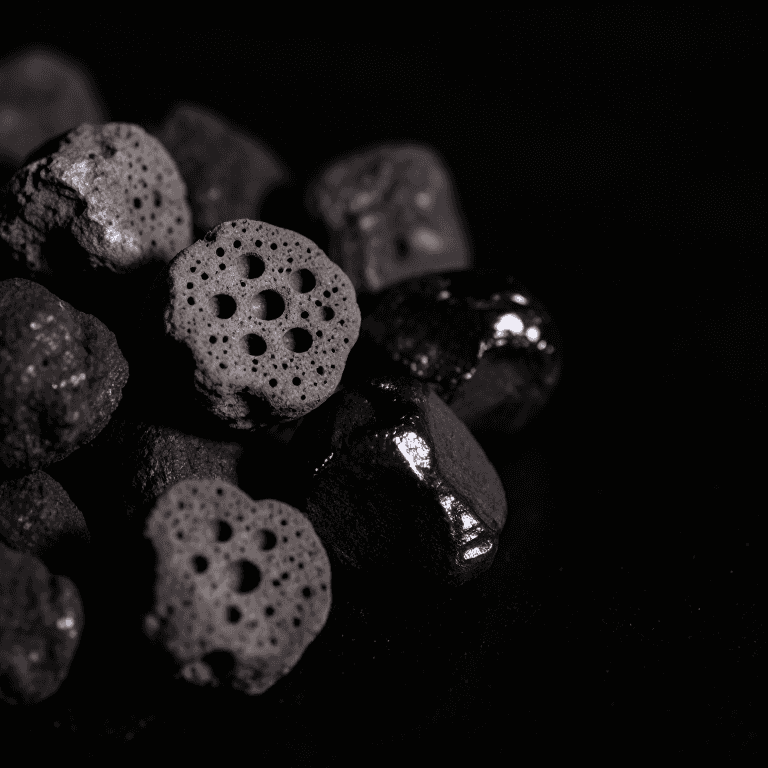
Making Coke from Coal — The Smokeless Fuel That Forged the Industrial Revolution
by Gimli
Metalworking
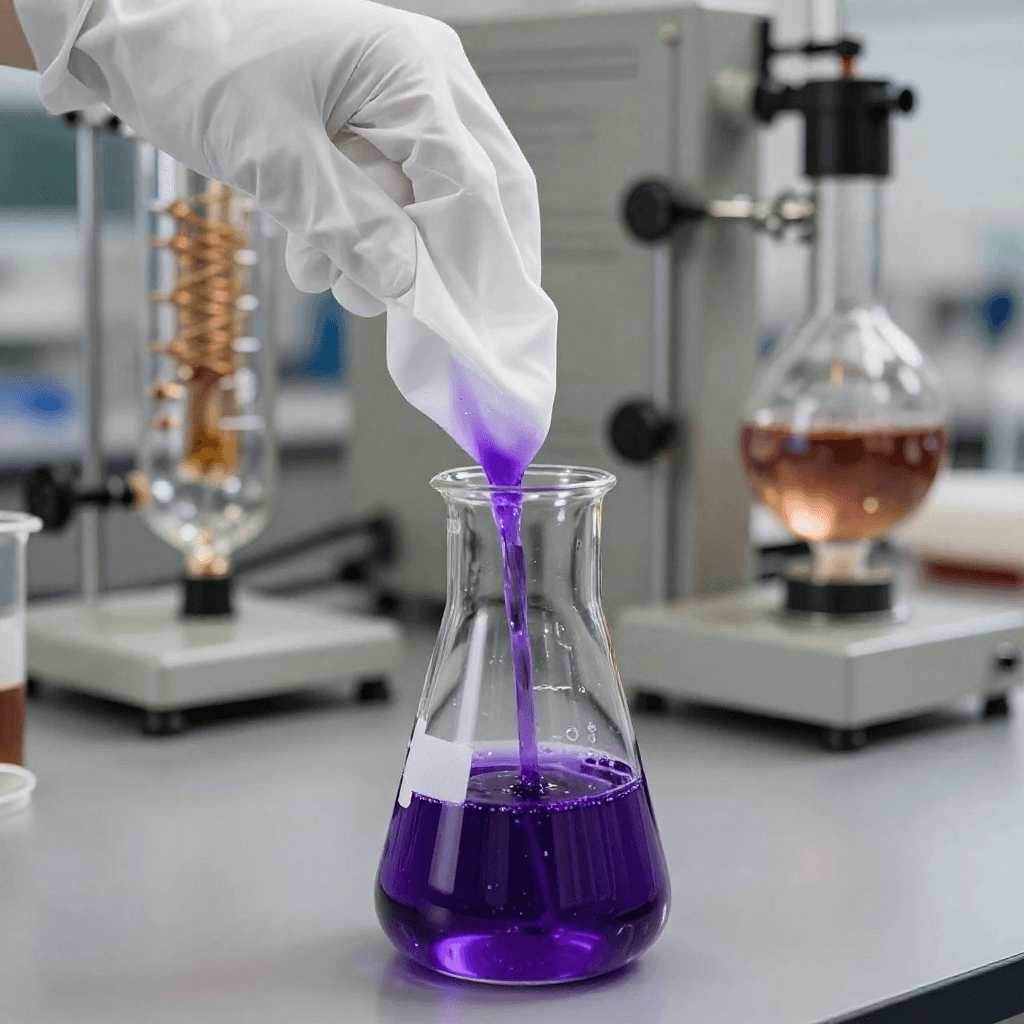
Perkin's Mauveine — The First Synthetic Aniline Dye from Coal Tar
by Tex
Textile & Leather
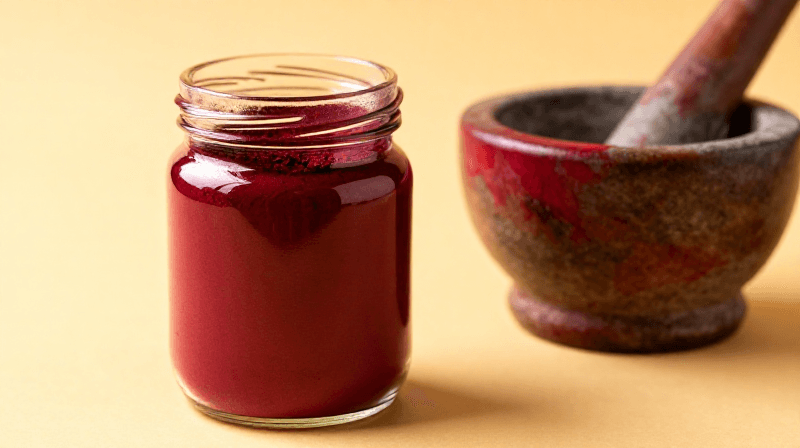
Making Synthetic Alizarin Crimson — The Coal Tar Pigment That Destroyed the Madder Industry
by Charlie
ART
CC0 Public Domain
This blueprint is released under CC0. You are free to copy, modify, distribute, and use this work for any purpose, without asking permission.
Support the Maker by purchasing products through their Blueprint where they earn a Maker Commission set by Vendors, or create a new iteration of this Blueprint and include it as a connection in your own Blueprint to share revenue.