ART
BEAUTY & WELLNESS
CRAFT
CULTURE & HISTORY
ENTERTAINMENT
ENVIRONMENT
FOOD & DRINKS
REVERSE ENGINEERING
SCIENCES
SPORTS
TECHNOLOGY
WEARABLES


Continuous Casting of Steel Billets
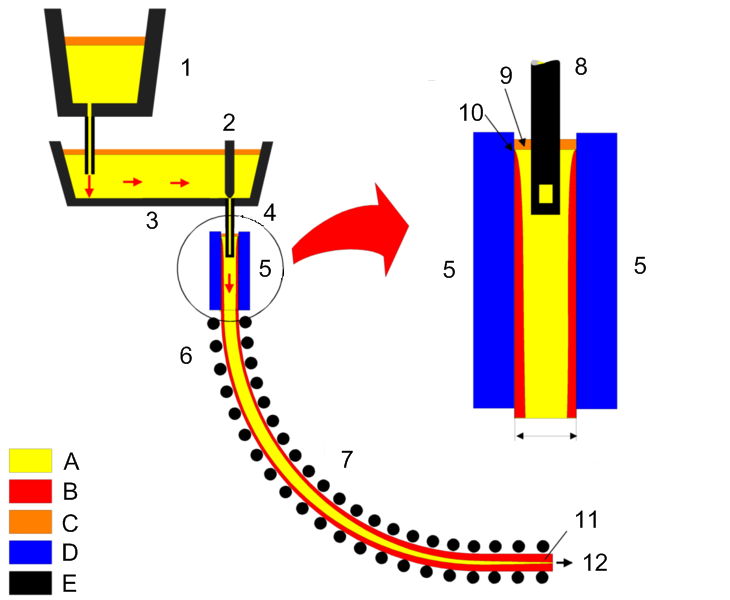
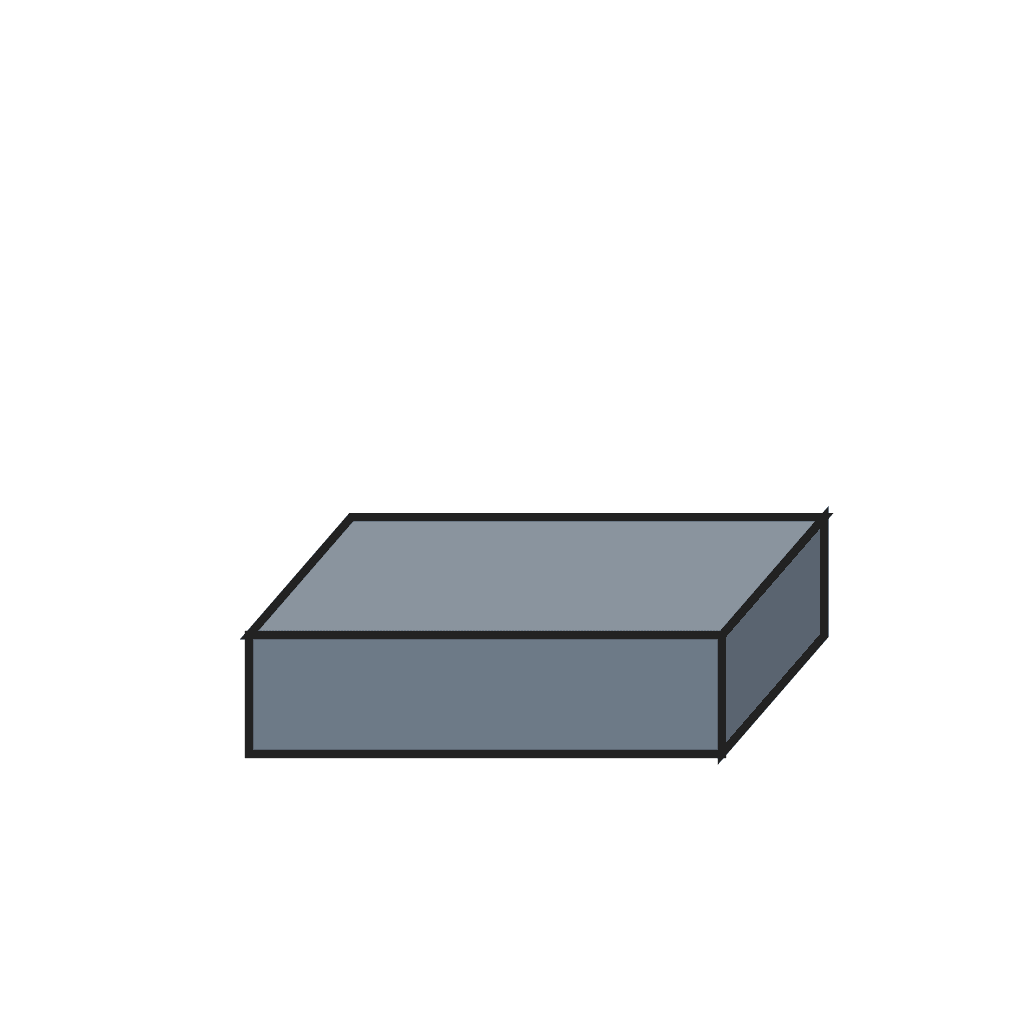
In continuous casting, molten steel is poured without stop into a short, open-bottomed copper mould and drawn out below as a solid strand. The steel goes from the ladle to a tundish, which holds a reserve while ladles are changed and steadies the flow, and from there into the water-cooled mould. The mould oscillates so the steel does not stick, and a lubricating powder melts on the surface and traps slag. A thin skin freezes against the copper; the strand leaves the mould still liquid inside, is held by water-cooled rolls and sprayed with water until it is solid, then straightened and cut to length. Billet casters cast sections under 200 mm square, up to 12 m long, at up to 4 m a minute.
Advanced
Factory process
Instructions
1
1
Ladle to tundish
Ladle to tundish
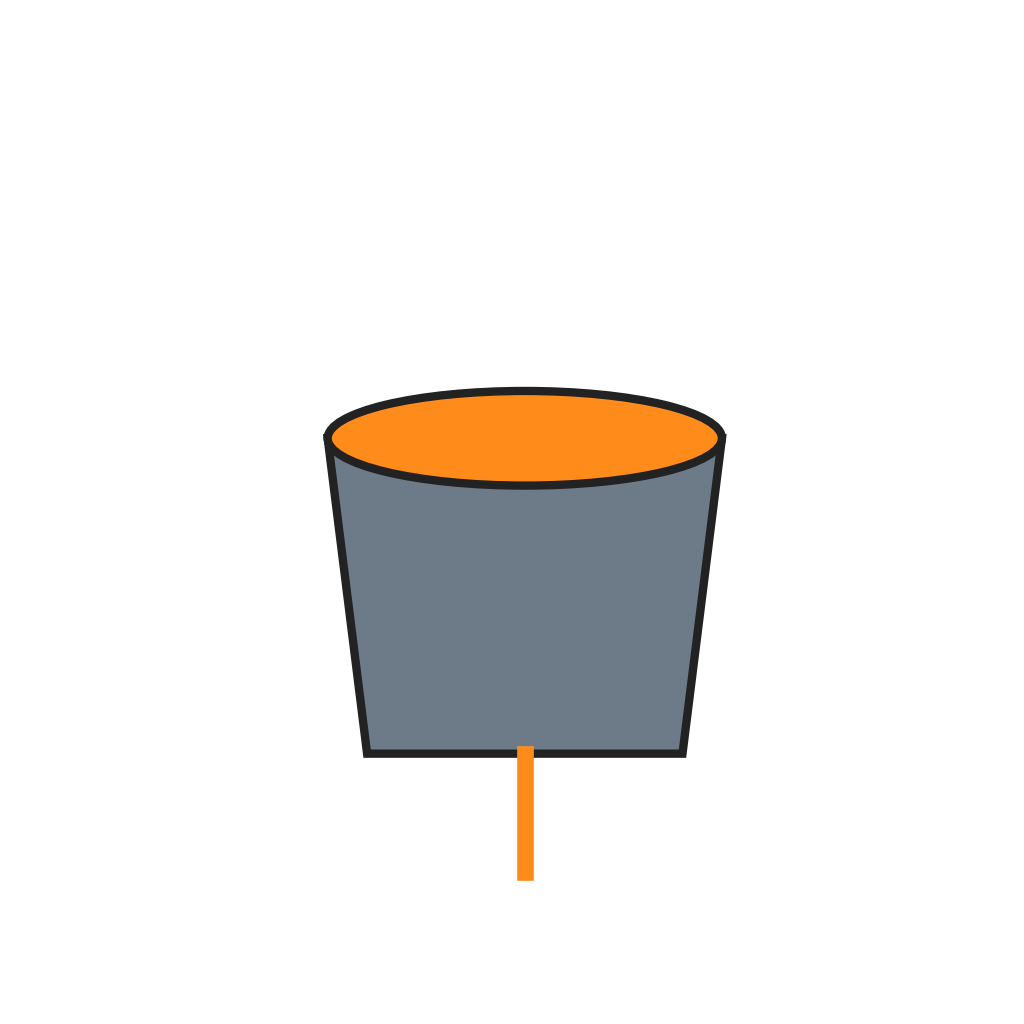
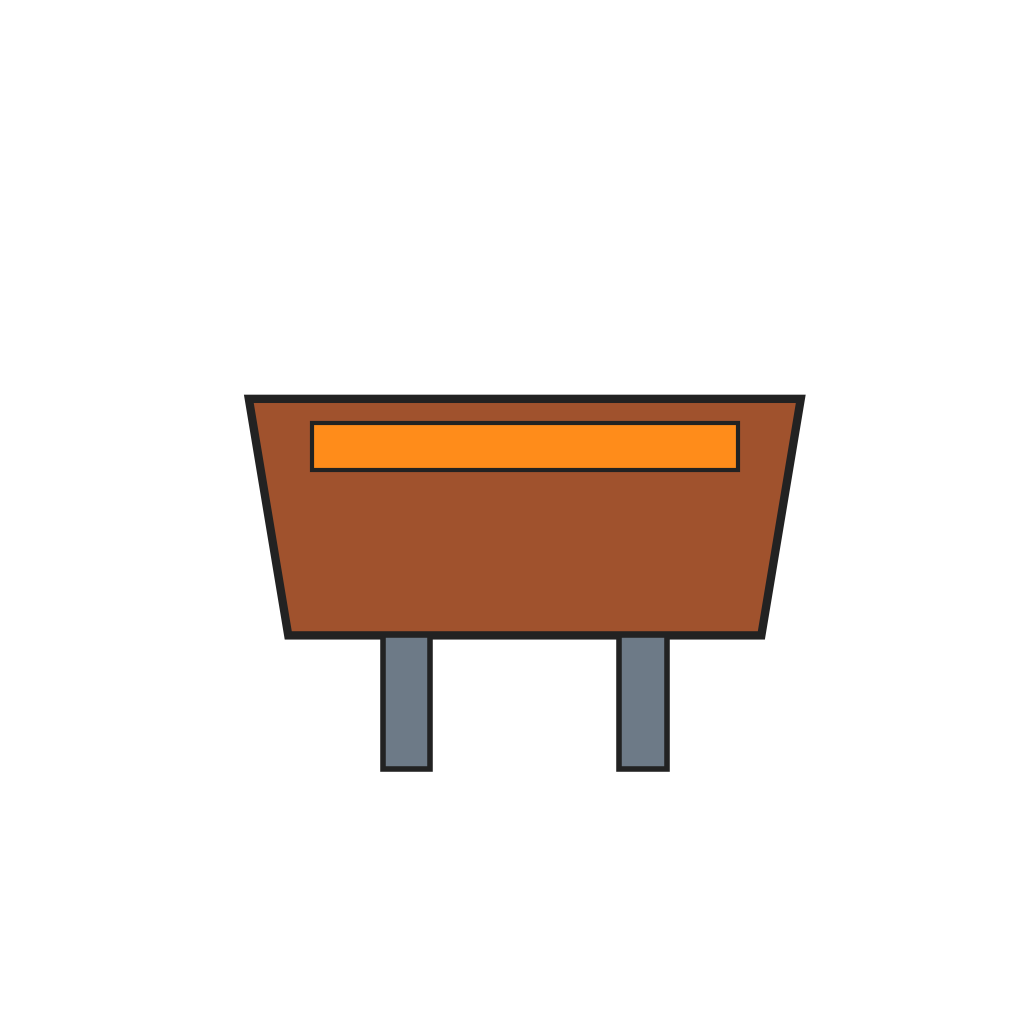
Bring the ladle of molten steel to the casting machine and pour through a refractory shroud into the tundish, which buffers the metal while ladles are changed and smooths the flow.
Materials for this step:
 Molten Steel1 as required
Tools needed:
 Foundry Ladle
 Tundish
2
2
Mould
Mould
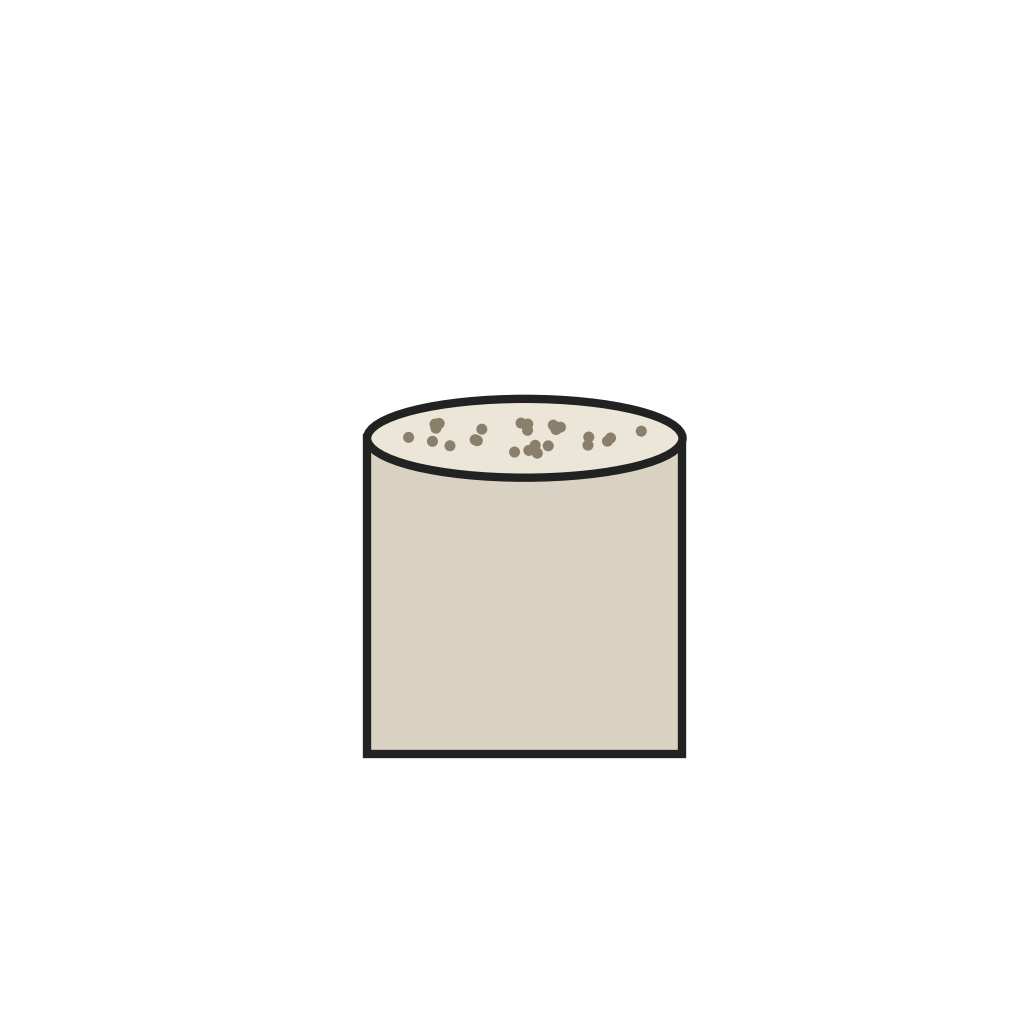
Let the steel run from the tundish through a submerged entry nozzle into the open-base copper mould, 0.5–2 m deep, cooled by water and oscillating vertically. Add the lubricant powder, which melts, stops sticking and floats slag to the top.
Materials for this step:
 Mould Powder1 as required
Tools needed:
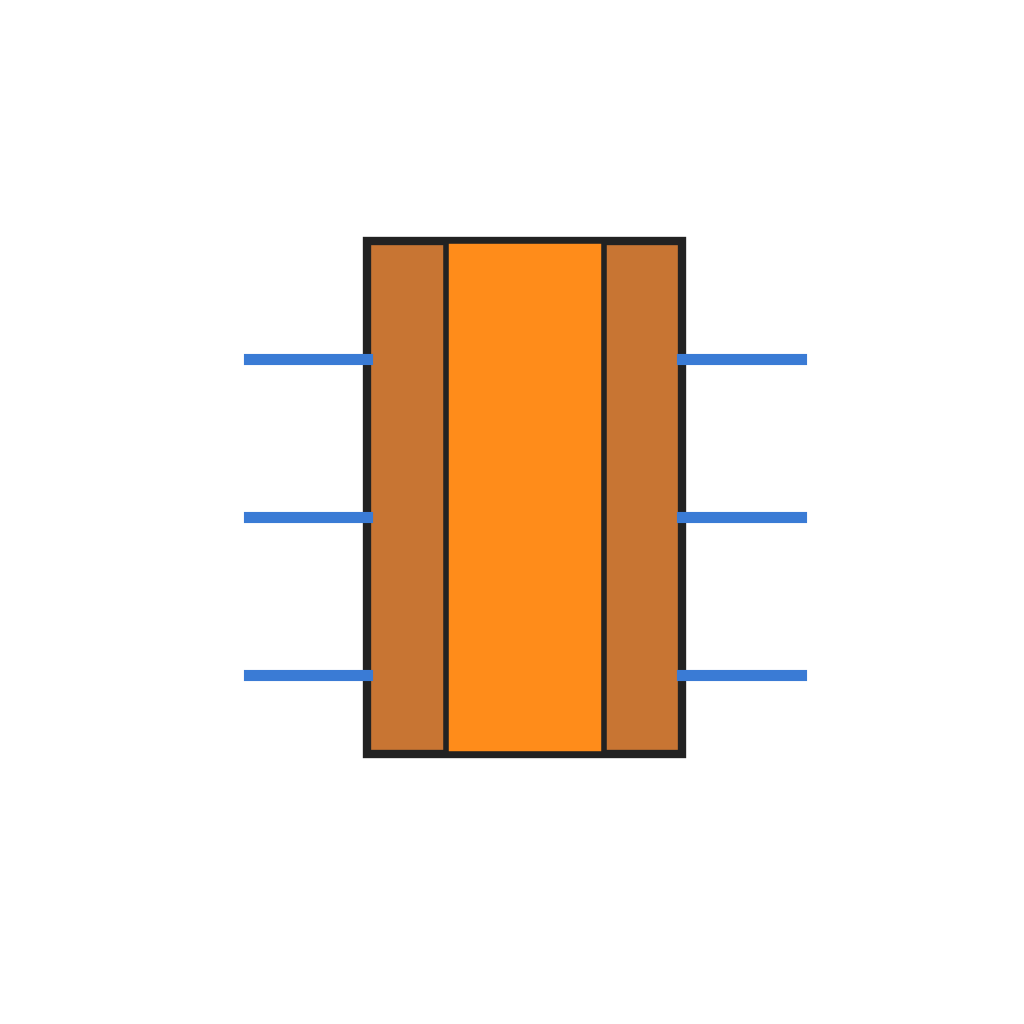 Water-Cooled Copper Casting Mould
3
3
Spray chamber
Spray chamber
The strand leaves the mould with a solid shell and a liquid core. Support it on closely spaced water-cooled rolls and spray it with water until it solidifies.
Tools needed:
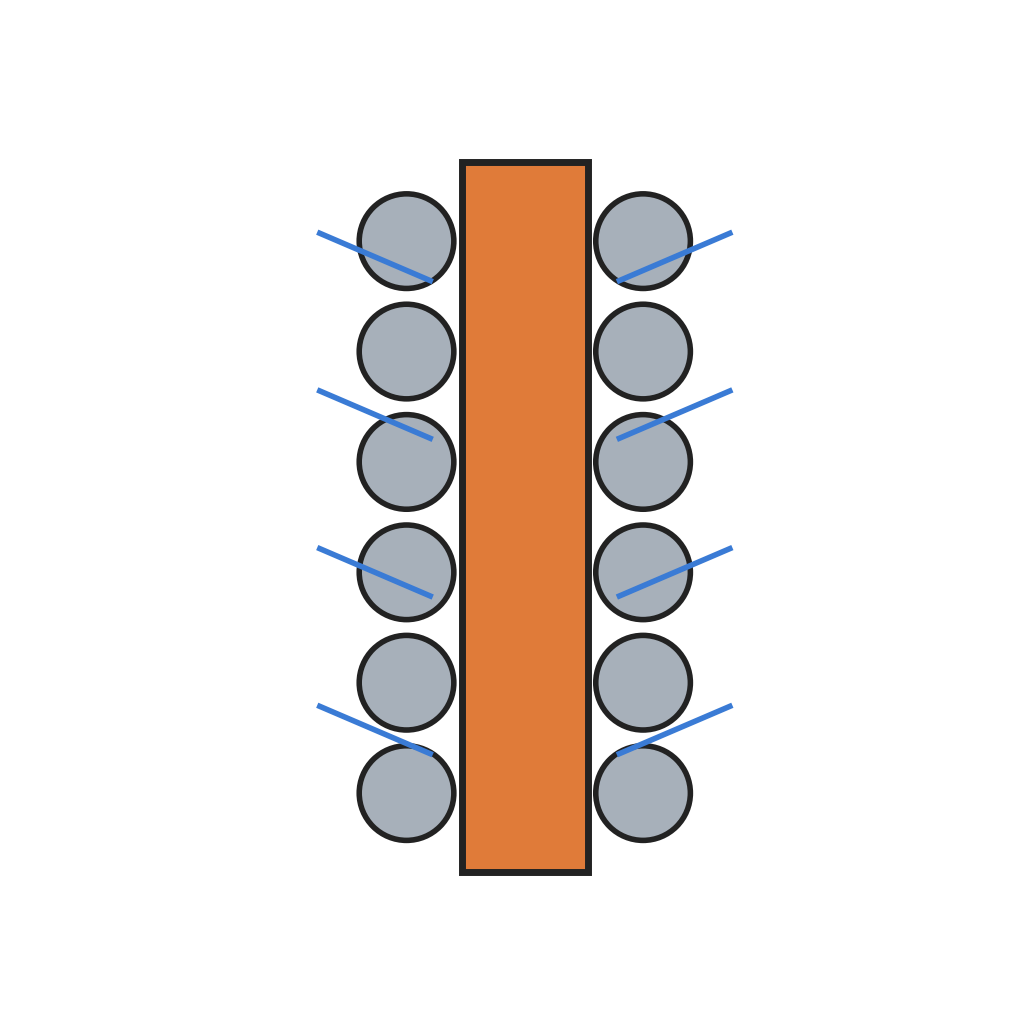 Spray Chamber with Support Rolls
4
4
Straighten, withdraw and cut
Straighten, withdraw and cut
Pass the strand through the straightening and withdrawal rolls, then cut it into billets of set length with shears or a travelling oxyacetylene torch, and mark them.
Tools needed:
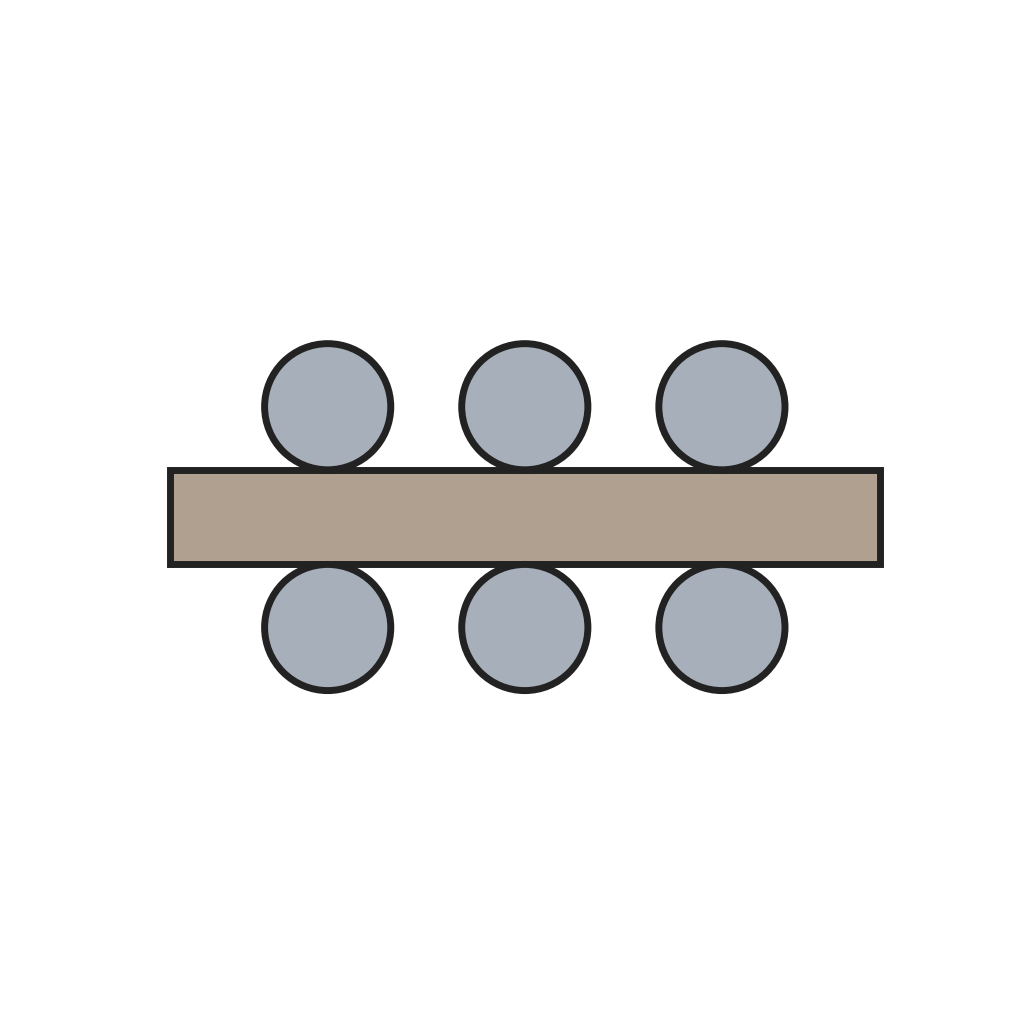 Straightening and Withdrawal Rolls
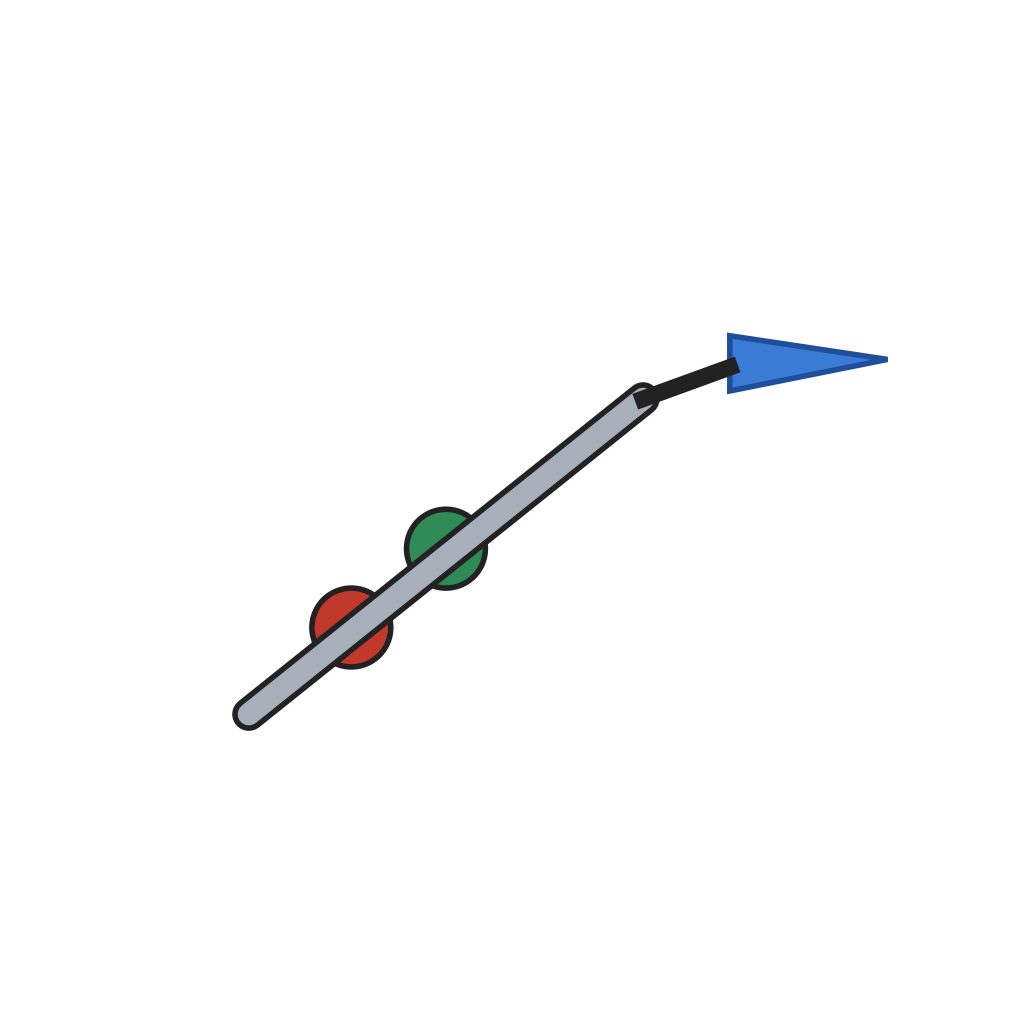 Oxyacetylene Cutting Torch
Materials
2- 1 as requiredPlaceholder
- 1 as requiredPlaceholder
Tools Required
6- Placeholder
- Placeholder
- Placeholder
- Placeholder
- Placeholder
- Placeholder
This blueprint makes
Related Blueprints
These blueprints share knowledge with this one — techniques, materials, or principles that connect them in the learning graph.


CC0 Public Domain
This blueprint is released under CC0. You are free to copy, modify, distribute, and use this work for any purpose, without asking permission.
Support the Maker by purchasing products through their Blueprint where they earn a Maker Commission set by Vendors, or create a new iteration of this Blueprint and include it as a connection in your own Blueprint to share revenue.