ART
BEAUTY & WELLNESS
CRAFT
CULTURE & HISTORY
ENTERTAINMENT
ENVIRONMENT
FOOD & DRINKS
REVERSE ENGINEERING
SCIENCES
SPORTS
TECHNOLOGY
WEARABLES
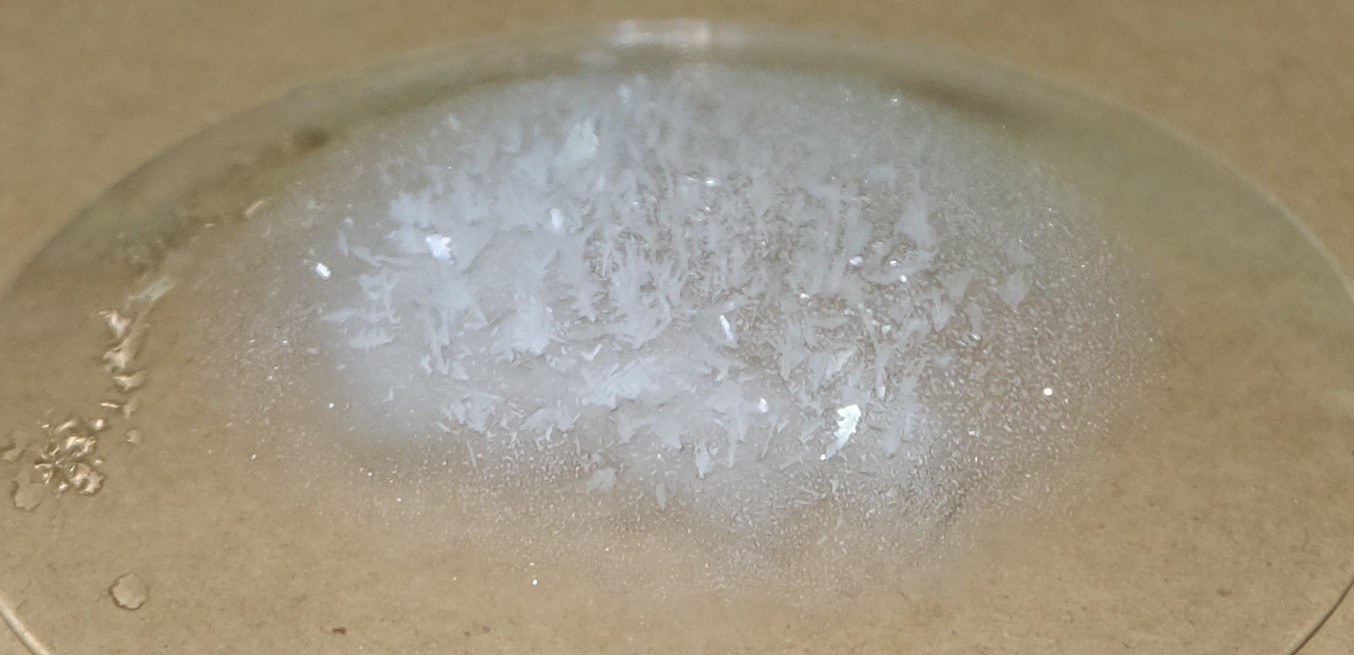


Crude Naphthalene from Light Creosote Oil: Warnes, 1913
How a coal-tar works made crude naphthalene, from Arthur R. Warnes's Coal Tar Distillation (1913). The naphthalene crystallises out of the light creosote oil (middle or carbolic oil) as it stands. It is melted, recrystallised and drained, sold as drained naphthalene, or pressed hard in bags as pressed naphthalene.
Advanced
Works process
Instructions
1
1
Salt out the oil
Salt out the oil
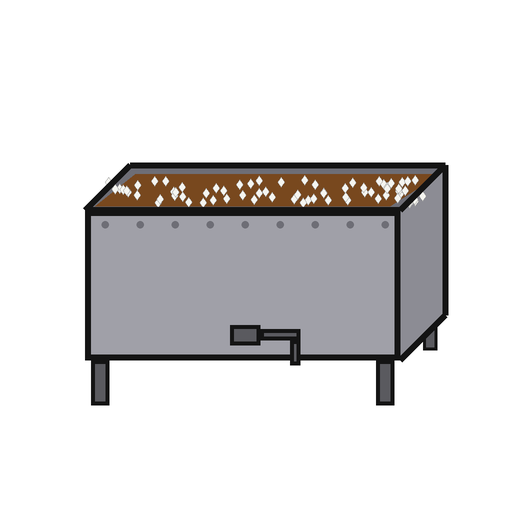
Use washed light creosote, quite free from tarry matter. Pump it into crystallising boilers and let it stand for several days, on average 3 to 5 depending on the time of year, while the naphthalene, the "salts", crystallises out. Then drain the separated oil away through the drain pipes.
Materials for this step:
 Light Creosote Oil1 as required
Tools needed:
 Crystallising Tank
 Transfer Pump
2
2
Melt and recrystallise
Melt and recrystallise
Melt the crude naphthalene left in the boilers with closed steam. When it is all liquid and well above its crystallising point, pump it into the recrystallising tanks, and at once blow steam through the pipes so no liquid salts set solid in them. Let it cool and recrystallise from the oil carried over.
Tools needed:
 Steam BoilerTransfer PumpCrystallising Tank
 Thermometer
3
3
Drain it
Drain it
After two to four days open the drain taps and run off the oil that has separated. When the crude naphthalene has thoroughly drained, it can be packed in barrels as drained naphthalene.
Tools needed:
Crystallising Tank Wooden Barrel
4
4
Press it in bags
Press it in bags
For pressed naphthalene, fill press bags (sometimes ordinary sacking) with the recrystallised crude, about 9 by 18 by 3 inches, keeping them evenly thick. Lay them on the press table about 2 inches apart, cover with a wrought-iron plate about 1/4 inch thick, and build up layer on layer, each lying squarely over the one below. Raise the press gently, then slowly increase the pressure to 1 1/2 to 2 tons per square inch and hold about an hour.
Tools needed:
 Hydraulic Press
 Iron Plate
 Burlap / Hessian
5
5
Trim and break up the cakes
Trim and break up the cakes
Release the pressure and take the cakes from the bags. Cut off any wet edges and press them again with the next batch. Break the cakes up in a disintegrator and pack them.
Tools needed:
 Knife
Knife Disintegrator
6
6
The press load
The press load
Loading Jupyter Notebook...
Materials
1- 1 as requiredPlaceholder
Tools Required
10- Placeholder
- Placeholder
- Placeholder
- Placeholder
- Placeholder
- Placeholder
- Placeholder
- Placeholder
- Placeholder
- Placeholder
This blueprint makes

Related Blueprints
These blueprints share knowledge with this one — techniques, materials, or principles that connect them in the learning graph.


CC0 Public Domain
This blueprint is released under CC0. You are free to copy, modify, distribute, and use this work for any purpose, without asking permission.
Support the Maker by purchasing products through their Blueprint where they earn a Maker Commission set by Vendors, or create a new iteration of this Blueprint and include it as a connection in your own Blueprint to share revenue.