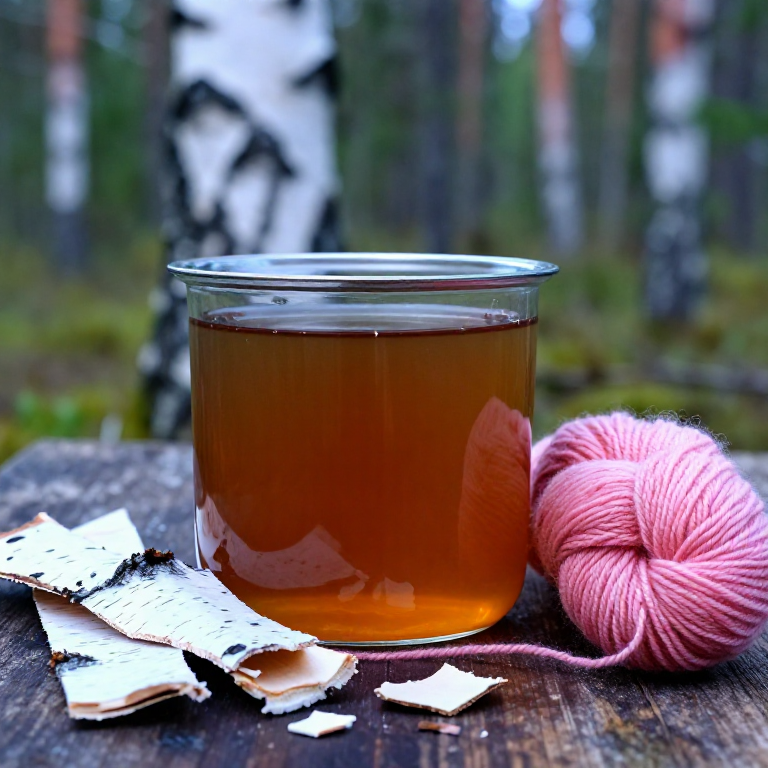

Dyeing with Birch Bark — Salmon-Pink and Cinnamon from the Northern Forest
The outer bark of birch trees (Betula species) contains betulin and betulinic acid — white crystalline compounds that give birch bark its characteristic papery whiteness. But the inner bark, the thin reddish-brown layer between the outer bark and the wood, contains tannins and colouring compounds that produce a distinctive range of warm pinks, salmons, and cinnamon-brown tones when used as a dye. This is one of the most accessible dyes in the boreal and northern temperate forests, where birch is abundant and bark falls naturally.
Nordic and Sami dyers used birch bark alongside other boreal dyes for millennia. The colour is subtle — not the screaming red of cochineal or the deep blue of indigo, but a soft, warm salmon-pink on alum-mordanted wool that evokes the northern landscape. With an iron modifier, birch bark shifts to grey-brown and warm taupe. These muted, earthy colours were the everyday palette of northern Europe before trade brought exotic dye materials from the Mediterranean and Asia.
Birch bark dye is especially appealing to modern natural dyers because the raw material is free and renewable. Birch trees shed bark naturally, and fallen branches provide bark without harming living trees. The dye process is simple, the colours are beautiful in their restraint, and the connection to northern forest ecology makes every skein a piece of landscape.
Instructions
Collect birch bark from fallen branches or shed bark
Collect birch bark from fallen branches or shed bark
Gather birch bark from fallen branches, windfall trees, or bark that has naturally peeled off living trees. Never strip bark from living birch trunks — the damage can kill the tree. For dyeing, use the inner bark (the thin, reddish-brown layer beneath the papery white outer bark) as well as the outer bark itself — both contribute colour. Collect about 200% WOF: for 100 g of wool, gather 200 g of bark. Tear or cut into pieces roughly 3-5 cm across.
Materials for this step:
 Birch Bark Sheets200 g
Soak the bark overnight in cold water
Soak the bark overnight in cold water
Place the bark pieces in the dye pot and cover with about 5 litres of cold water. Let them soak overnight (8-12 hours). The long soak begins extracting tannins and colouring compounds before heat is applied, producing a richer dye bath. The water will turn a pale tea colour during soaking.
Tools needed:
 Stock Pot
Simmer the bark for 90 minutes to extract the dye
Simmer the bark for 90 minutes to extract the dye
Bring the pot to a gentle simmer (80-90°C) and hold for 90 minutes. Birch bark releases its colour slowly — the long simmer is needed to extract the full range of tannins and pigments. Stir occasionally. The liquid will deepen to a warm amber-brown, somewhat darker than onion skin dye bath but lighter than walnut hull. After simmering, the bark pieces will be soft and pale.
Tools needed:
 Cooking Thermometer (0-200°C)
 Wooden Stirring Spoon
Strain out the bark pieces
Strain out the bark pieces
Strain the dye liquor through a fine mesh strainer into a clean pot. Squeeze the spent bark to extract the last colour. The strained dye bath should be a clear, warm amber — similar in appearance to weak coffee. Discard or compost the spent bark.
Tools needed:
 Fine Mesh Strainer
Add alum-mordanted wool and heat to 85°C for 45 minutes
Add alum-mordanted wool and heat to 85°C for 45 minutes
Pre-wet the alum-mordanted wool, squeeze out excess, and lower it into the strained dye bath at room temperature. Slowly raise to 85°C and hold for 45 minutes, turning gently every 10 minutes. The alum mordant transforms the dye from a washy brown (unmordanted) to a distinctive warm salmon-pink. The pink character is unique to birch bark — no other common dye plant produces exactly this shade with alum.
Materials for this step:
 Wool Yarn Skein100 g
 Alum (Potassium Alum)10 g
Cool overnight, rinse, and dry
Cool overnight, rinse, and dry
Turn off the heat, cover the pot, and let the wool cool in the dye bath overnight. Remove, squeeze gently, and rinse in lukewarm water. The final colour on alum-mordanted wool is a soft salmon-pink to cinnamon — warm, subtle, and distinctly northern. An iron afterbath shifts the colour to grey-taupe. Hang to dry in shade. Birch bark dye has moderate lightfastness — it will fade slowly in direct sunlight over months, so birch-dyed items are best used indoors or stored away from UV.
Materials
3- 200 gPlaceholder
- Placeholder
- Placeholder
Tools Required
4- Placeholder
- Placeholder
- Placeholder
- Placeholder
Connected Blueprint Materials
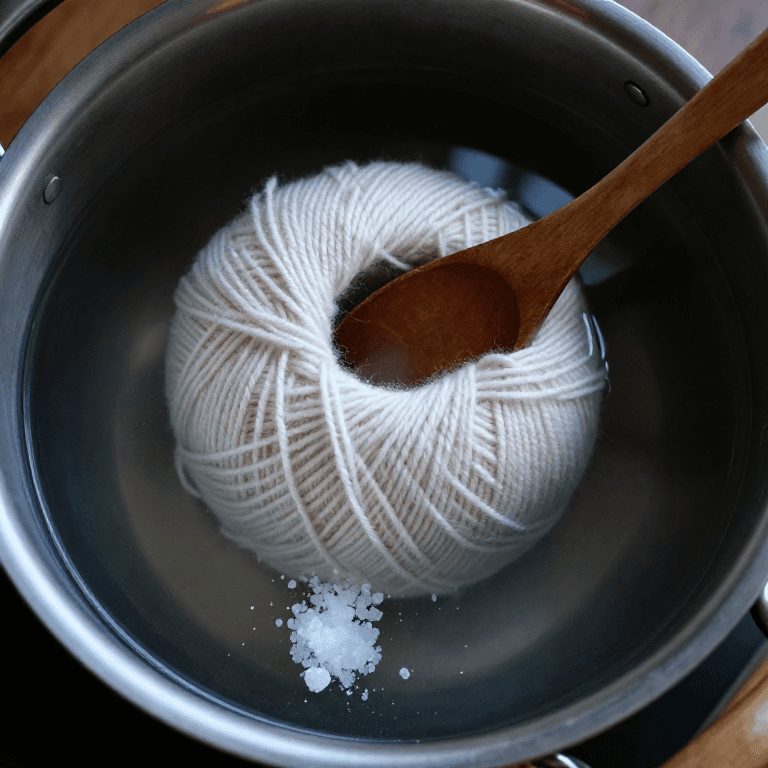
Mordanting Wool with Alum — The Foundation of Natural Dyeing
by Tex
Textile & Leather
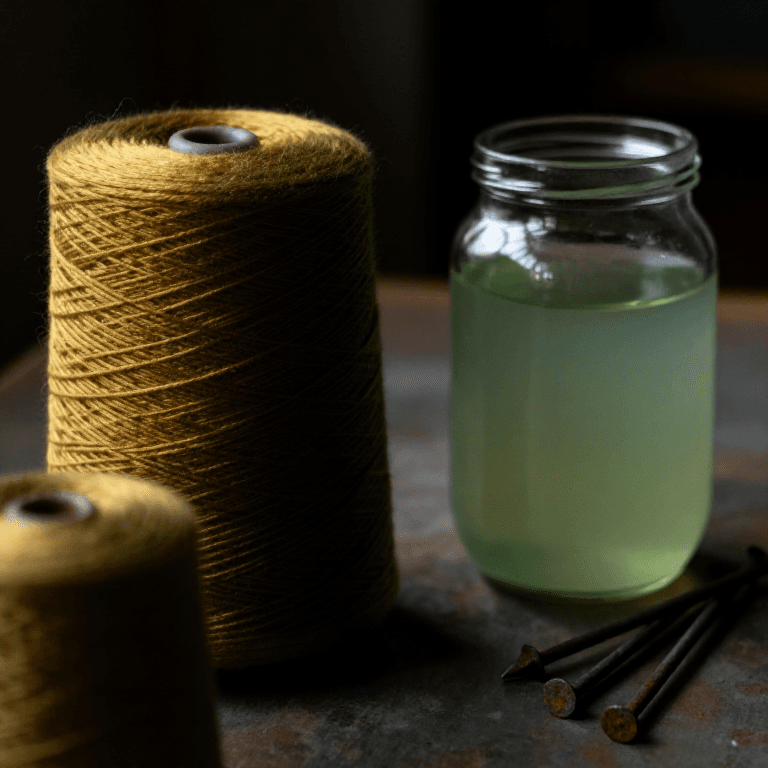
Iron Saddening — Darkening and Shifting Natural Dye Colours with Iron Water
by Tex
Textile & Leather
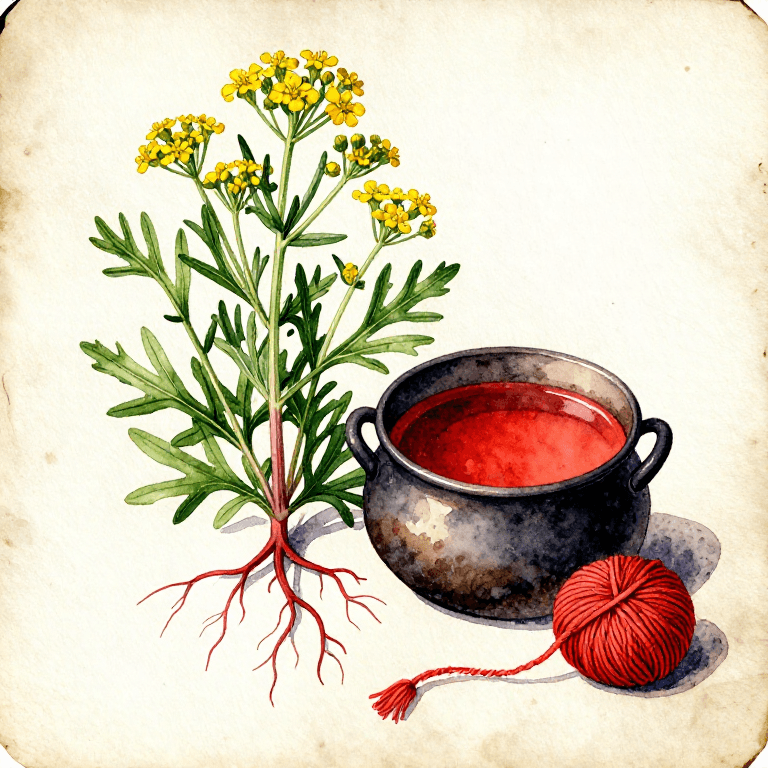
Dyeing Red with Lady's Bedstraw — The Wild Madder of Northern Europe
by Tex
Textile & Leather
This blueprint makes

Related Blueprints
These blueprints share knowledge with this one — techniques, materials, or principles that connect them in the learning graph.
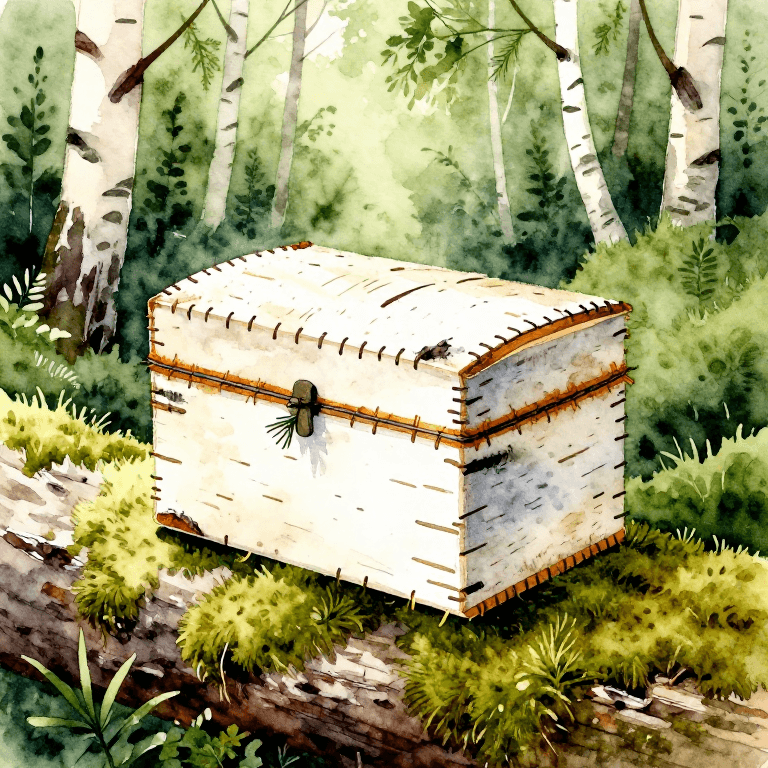
Crafting a Birch Bark Container — Folded & Sewn Bushcraft Vessel
by Woody
Woodworking
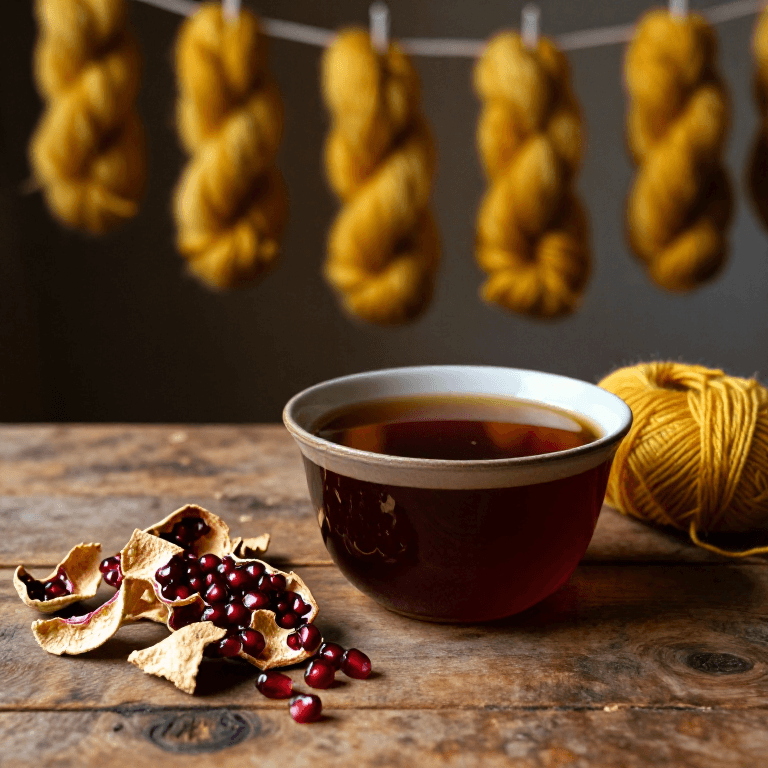
Dyeing with Pomegranate Rinds — Ancient Gold from the Fruit of the Middle East
by Tex
Textile & Leather
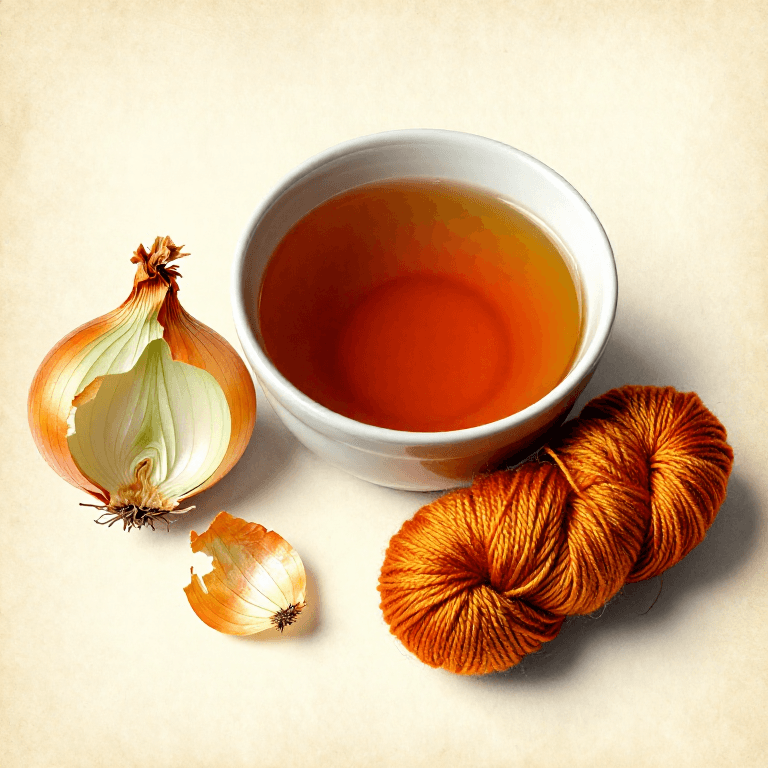
Dyeing with Onion Skins — Orange-Gold from the Kitchen
by Charlie
Chemistry
Dyeing Yellow with Yarrow — The Ancient Wound-Herb of Every Meadow
by Tex
Textile & Leather
Dyeing Brown-Black with Alder Bark — The Northern European Dark Dye
by Tex
Textile & Leather
Dyeing Tan to Rust with Eucalyptus — The Australian Bark Dye
by Tex
Textile & Leather
CC0 Public Domain
This blueprint is released under CC0. You are free to copy, modify, distribute, and use this work for any purpose, without asking permission.
Support the Maker by purchasing products through their Blueprint where they earn a Maker Commission set by Vendors, or create a new iteration of this Blueprint and include it as a connection in your own Blueprint to share revenue.