ART
BEAUTY & WELLNESS
CRAFT
CULTURE & HISTORY
ENTERTAINMENT
ENVIRONMENT
FOOD & DRINKS
REVERSE ENGINEERING
SCIENCES
SPORTS
TECHNOLOGY
WEARABLES
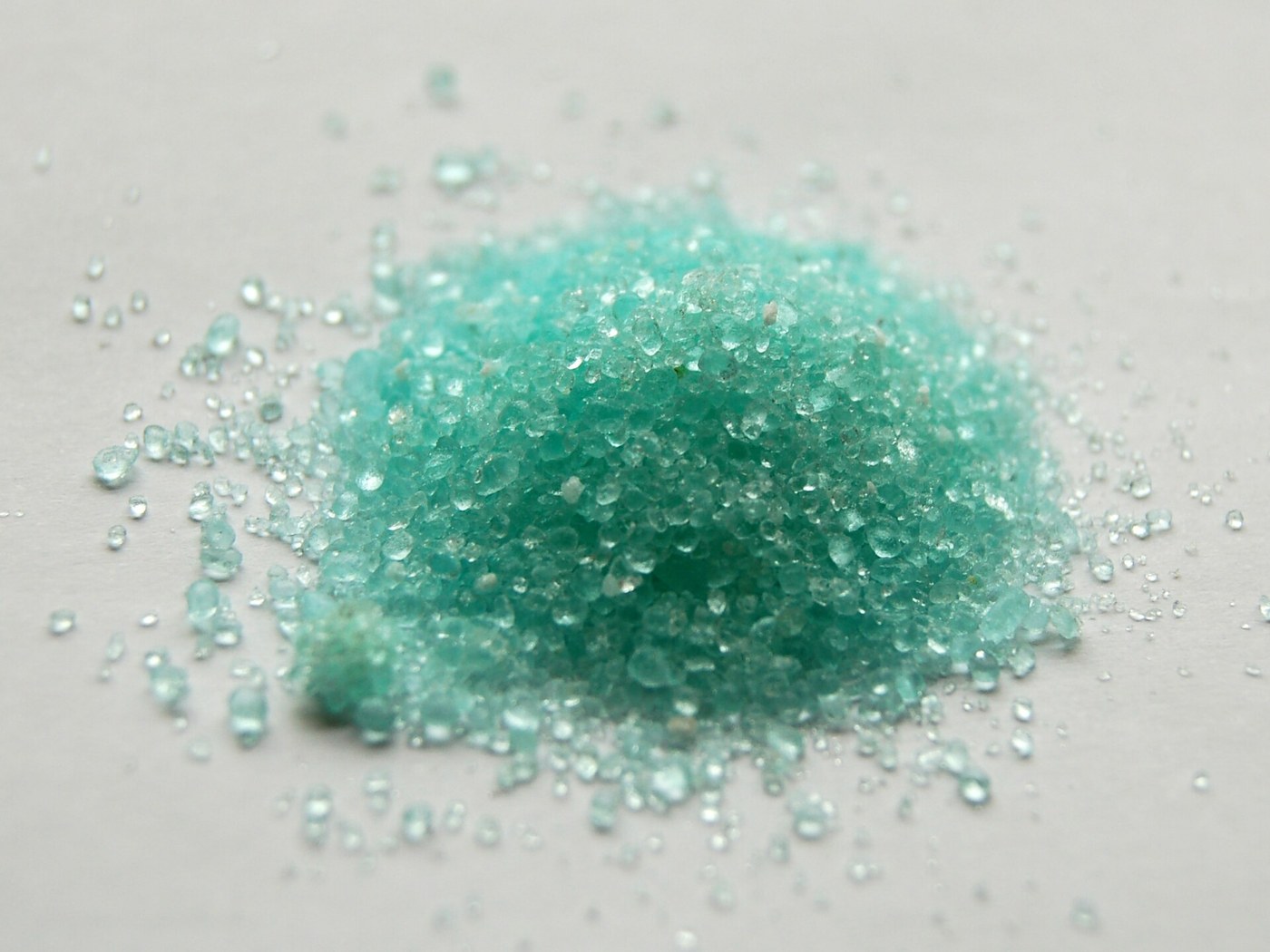


Ferrous Sulfate: Iron Displaces Copper
Iron is more reactive than copper, so iron put into copper sulfate solution takes the copper's place: CuSO₄ + Fe → FeSO₄ + Cu. The copper comes out as a metal and the solution turns into iron(II) sulfate, ferrous sulfate. (Industry gets most of it as a by-product of pickling steel in sulfuric acid, or by oxidising pyrite.) From a cool solution it crystallises as the blue-green heptahydrate, the mineral melanterite; above 56.6 °C the tetrahydrate forms instead. Ferrous sulfate (copperas) was used for iron gall ink, as a mordant in wool dyeing and to make Mars pigments.
Beginner
1–2 days
Instructions
1
1
Dissolve the copper sulfate
Dissolve the copper sulfate
Dissolve copper sulfate in water.
Materials for this step:
 Copper Sulfate Pentahydrate (CuSO₄·5H₂O)1 as required
 Water1 as required
Tools needed:
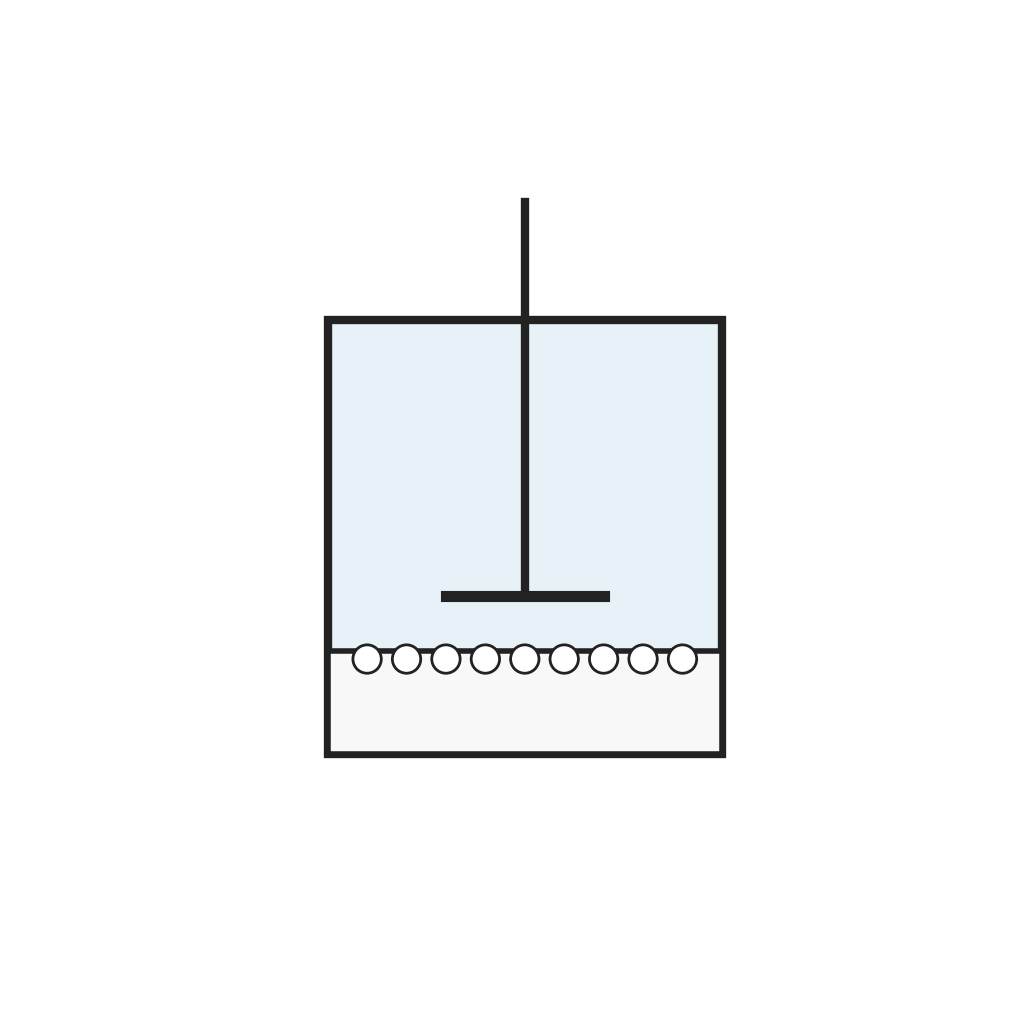 Precipitation Tank
2
2
Add iron
Add iron
Stir in clean iron filings. CuSO₄ + Fe → FeSO₄ + Cu: copper metal comes out and the blue solution changes as iron(II) sulfate forms.
Materials for this step:
 Iron Filings1 as required
Tools needed:
Precipitation Tank3
3
Filter
Filter
Filter off the copper and any leftover iron.
Tools needed:
 Cheesecloth
4
4
Crystallise
Crystallise
Concentrate the solution and let it crystallise below 56.6 °C, so the blue-green heptahydrate forms rather than the tetrahydrate.
Tools needed:
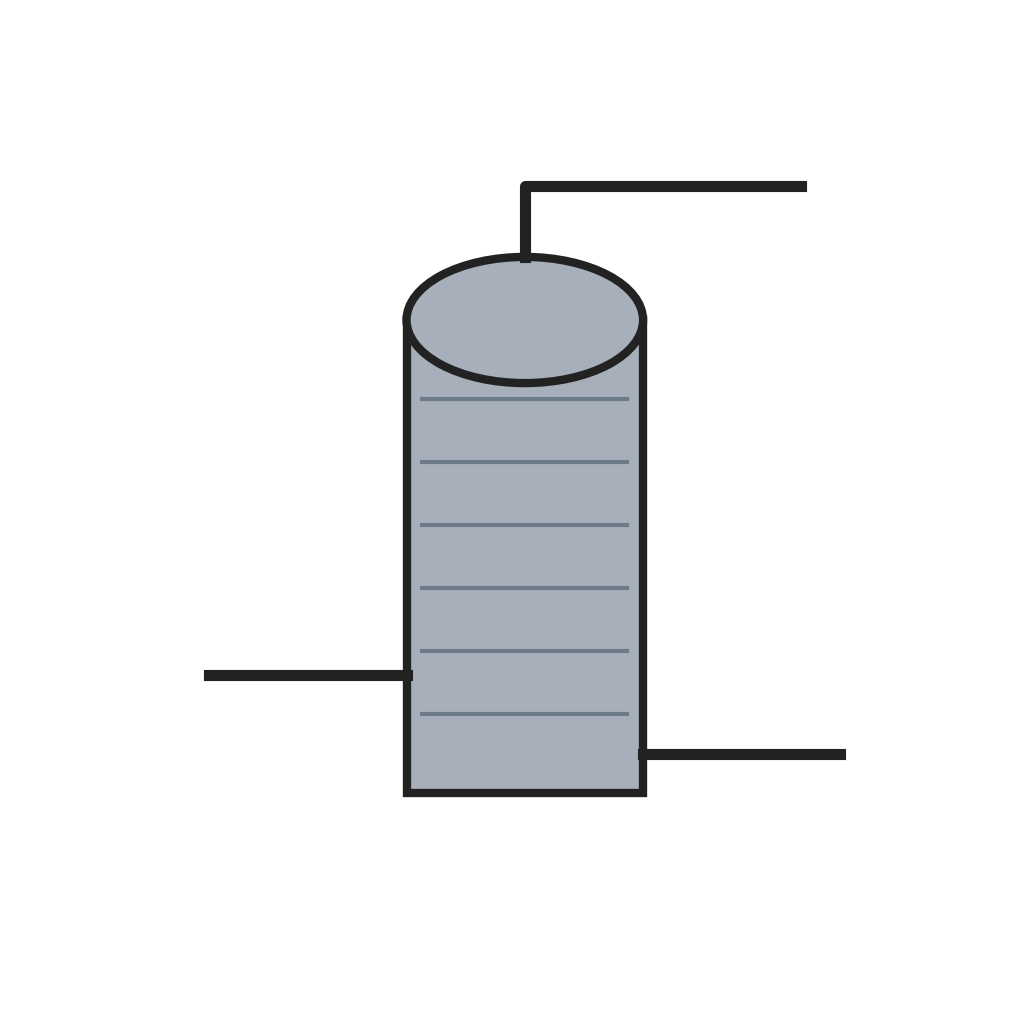 Evaporator
Materials
3- 1 as requiredPlaceholder
- 1 as requiredPlaceholder
- 1 as requiredPlaceholder
Tools Required
3- Placeholder
- Placeholder
- Placeholder
Related Blueprints
These blueprints share knowledge with this one — techniques, materials, or principles that connect them in the learning graph.
CC0 Public Domain
This blueprint is released under CC0. You are free to copy, modify, distribute, and use this work for any purpose, without asking permission.
Support the Maker by purchasing products through their Blueprint where they earn a Maker Commission set by Vendors, or create a new iteration of this Blueprint and include it as a connection in your own Blueprint to share revenue.