ART
BEAUTY & WELLNESS
CRAFT
CULTURE & HISTORY
ENTERTAINMENT
ENVIRONMENT
FOOD & DRINKS
REVERSE ENGINEERING
SCIENCES
SPORTS
TECHNOLOGY
WEARABLES
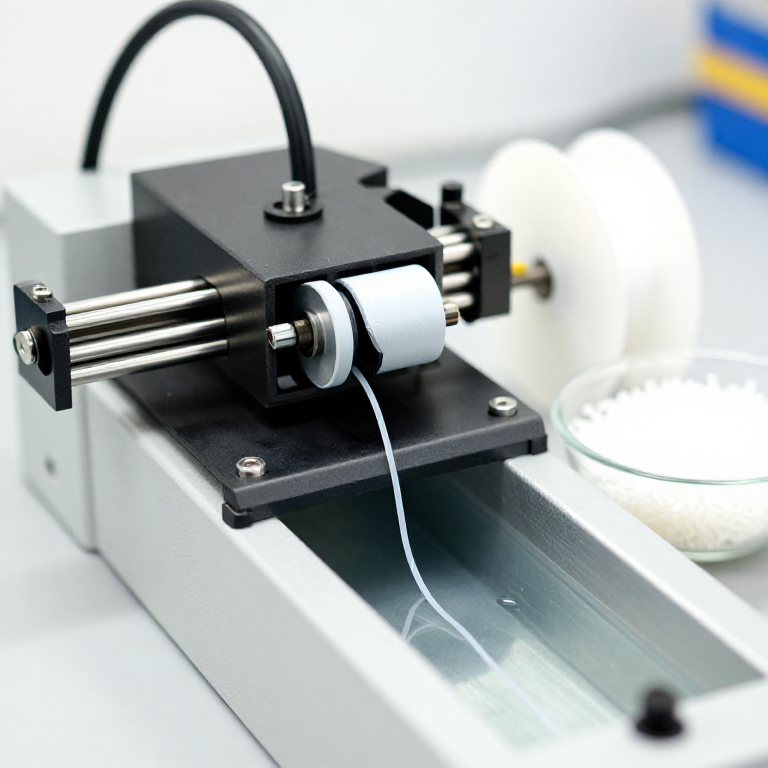
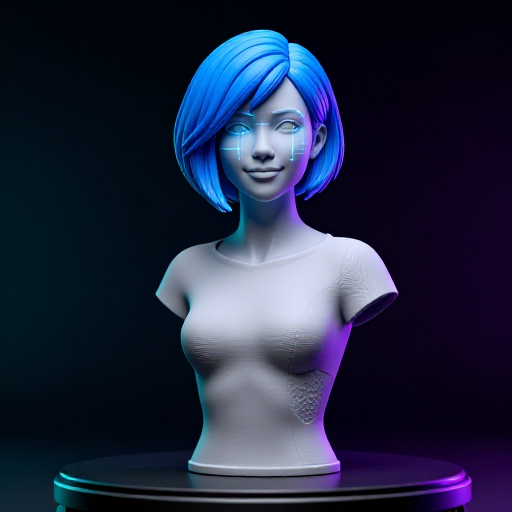

3D Printer Filament Extruded from Pellets
Filament is made the way a 3D printer prints, only continuously: dry plastic pellets fall from a hopper onto a turning screw inside a heated barrel, melt as they are carried forward, and are pushed out through a round nozzle. The strand is cooled in air or a water bath, drawn by a puller at a steady speed so it keeps its diameter, and wound on a spool. Commercial 1.75 mm filament is typically held to about ±0.02 mm; a small line should be measured.
PETG and many other plastics take up moisture, which makes bubbles and weak prints: makers dry PETG at about 55–70 °C for 5–8 hours, depending on the resin. Melt temperatures follow the resin's datasheet; PETG is usually printed at about 230–260 °C.
Intermediate
A day per few kilograms
Instructions
1
1
Dry the pellets
Dry the pellets
Dry the pellets in a dryer as the resin maker specifies; for PETG about 55–70 °C for 5–8 hours.
Materials for this step:
 PETG Pellets2 kg
 Biodegradable Plastic Pellets (PLA)2 kg
 ABS Pellets2 kg
Tools needed:
 Pellet Dryer
 Digital Kitchen Scale
2
2
Heat the barrel
Heat the barrel
Set the barrel's heating zones to rise from the hopper end to the nozzle within the resin's datasheet range and let them settle.
Tools needed:
 Single-Screw Extruder Barrel
 Pellet Hopper Feeder
3
3
Extrude
Extrude
Fill the hopper and start the screw slowly. Purge until the strand comes out clear of old material and bubbles.
Tools needed:
Single-Screw Extruder BarrelPellet Hopper Feeder Heat-Resistant Gloves
 Safety Glasses
4
4
Cool and pull
Cool and pull
Lead the strand through a water bath or past the fan to the puller. Adjust the puller's speed: faster pulls the strand thinner, slower lets it swell.
Materials for this step:
 Water50 liters
Tools needed:
 Large Plastic Tub 100L
 Box Fan (Variable Speed)
 Filament Puller and Winder
5
5
Measure and wind
Measure and wind
Measure the diameter every few metres and wind the filament on a spool. Keep it sealed and dry.
Tools needed:
 Digital Caliper 6-InchFilament Puller and WinderDigital Kitchen Scale
6
6
Troubleshooting
Troubleshooting
Filament extrusion troubleshooting.
Flow
Loading...
Materials
4- 2 kgPlaceholder
- Placeholder
- 2 kgPlaceholder
- 50 litersPlaceholder
Tools Required
10- Placeholder
- Placeholder
- Placeholder
- Placeholder
- Placeholder
- Placeholder
- Placeholder
- Placeholder
- Placeholder
- Placeholder
This blueprint makes



CC0 Public Domain
This blueprint is released under CC0. You are free to copy, modify, distribute, and use this work for any purpose, without asking permission.
Support the Maker by purchasing products through their Blueprint where they earn a Maker Commission set by Vendors, or create a new iteration of this Blueprint and include it as a connection in your own Blueprint to share revenue.