ART
BEAUTY & WELLNESS
CRAFT
CULTURE & HISTORY
ENTERTAINMENT
ENVIRONMENT
FOOD & DRINKS
REVERSE ENGINEERING
SCIENCES
SPORTS
TECHNOLOGY
WEARABLES
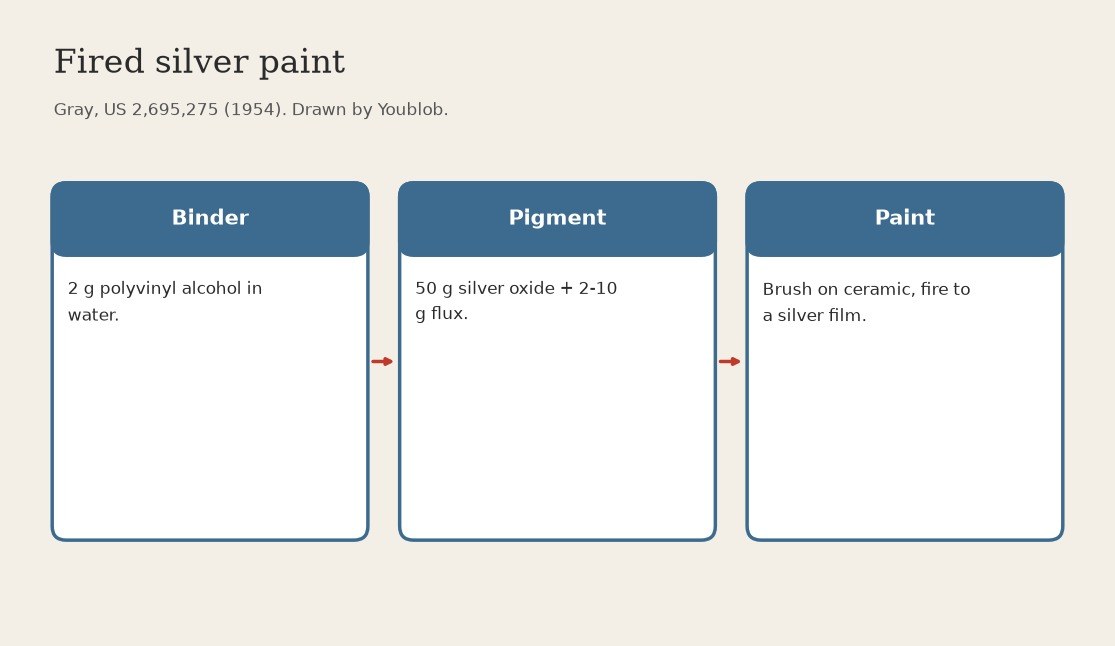

Fired Silver Paint: Silver Oxide and Flux in Polyvinyl Alcohol and Water (Gray, Erie Resistor 1954, Ex. 2)
A paint for putting silver electrodes on ceramic, glass or mica. Silver oxide and a little ceramic flux are held in polyvinyl alcohol dissolved in water. The wet paint conducts electricity, so a capacitor can be measured while it is being painted. On firing, the silver oxide turns into a silver film held on by the flux. Gray found this paint so stable that it kept six months.
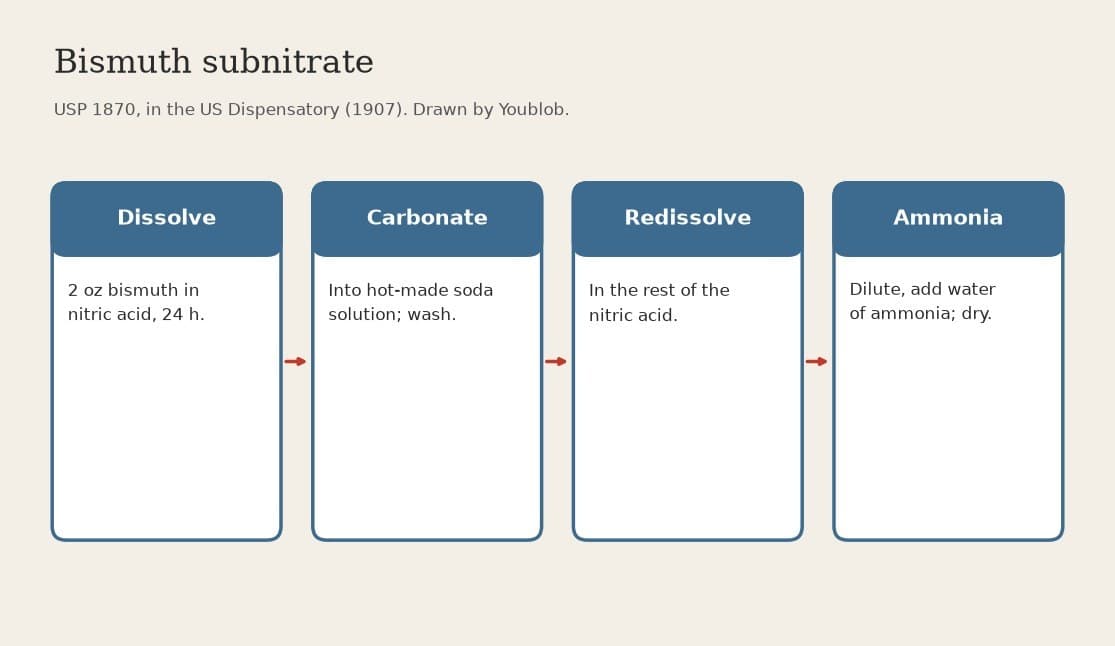
Source: Robert B. Gray, US 2,695,275 (Erie Resistor, 1954), Example 2. Not given: which flux, and the firing heat. Bismuth subnitrate, one of the fluxes Gray names, is ours. Picture drawn by Youblob.
Beginner
1 day
Instructions
1
1
Dissolve 2 g polyvinyl alcohol in the water
Dissolve 2 g polyvinyl alcohol in the water
For 100 g of paint: dissolve 2 g polyvinyl alcohol in the water, warming it to help it dissolve. The water is the balance, about 34 to 44 g. Warming is ours.
Materials for this step:
 Polyvinyl Alcohol Powder2 g
 Distilled Water1 as required
Tools needed:
 Balance Scale
 Borosilicate Beaker
 Hot Plate
 Borosilicate Glass Rod
2
2
Grind in silver oxide and flux
Grind in silver oxide and flux
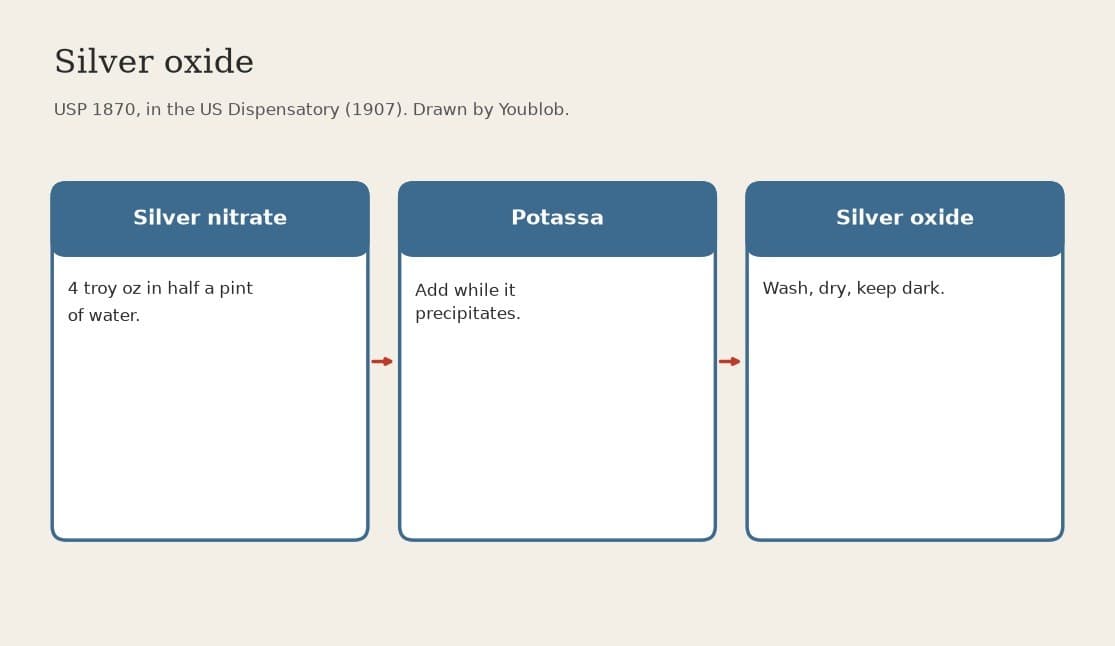
Grind 50 g precipitated silver oxide and 2 to 10 g ceramic flux into the solution until smooth. Gray gives the flux only as a class; ours: bismuth subnitrate, one of the common fluxes he names. The right amount depends on the ceramic it will be fired onto.
Materials for this step:
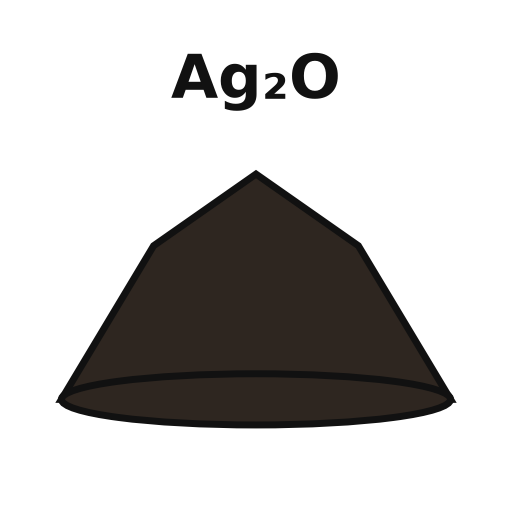 Silver Oxide50 g
 Bismuth Subnitrate1 as required
Tools needed:
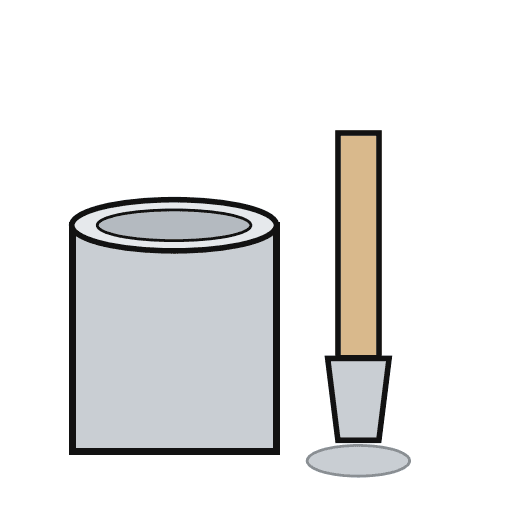
Balance Scale Mortar and Pestle
 Nitrile Gloves
3
3
Add 2 to 4 g alcohol against foam
Add 2 to 4 g alcohol against foam
Stir in 2 to 4 g ethyl alcohol. It stops the polyvinyl alcohol from foaming.
Materials for this step:
 Ethanol - Lab Grade, 95%1 as required
Tools needed:
Borosilicate Glass Rod4
4
Store
Store
Keep it in a closed jar. Gray found no reaction between the ingredients in six months, and the paint can stand for some hours in use without stirring.
Tools needed:
 Dark Glass Jars with Airtight Lids
Materials
5- Placeholder
- 1 as requiredPlaceholder
- 50 gPlaceholder
- 1 as requiredPlaceholder
- 1 as requiredPlaceholder
Tools Required
7- Placeholder
- Placeholder
- Placeholder
- Placeholder
- Placeholder
- Placeholder
- Placeholder
This blueprint makes
Related Blueprints
These blueprints share knowledge with this one — techniques, materials, or principles that connect them in the learning graph.

CC0 Public Domain
This blueprint is released under CC0. You are free to copy, modify, distribute, and use this work for any purpose, without asking permission.
Support the Maker by purchasing products through their Blueprint where they earn a Maker Commission set by Vendors, or create a new iteration of this Blueprint and include it as a connection in your own Blueprint to share revenue.