ART
BEAUTY & WELLNESS
CRAFT
CULTURE & HISTORY
ENTERTAINMENT
ENVIRONMENT
FOOD & DRINKS
REVERSE ENGINEERING
SCIENCES
SPORTS
TECHNOLOGY
WEARABLES
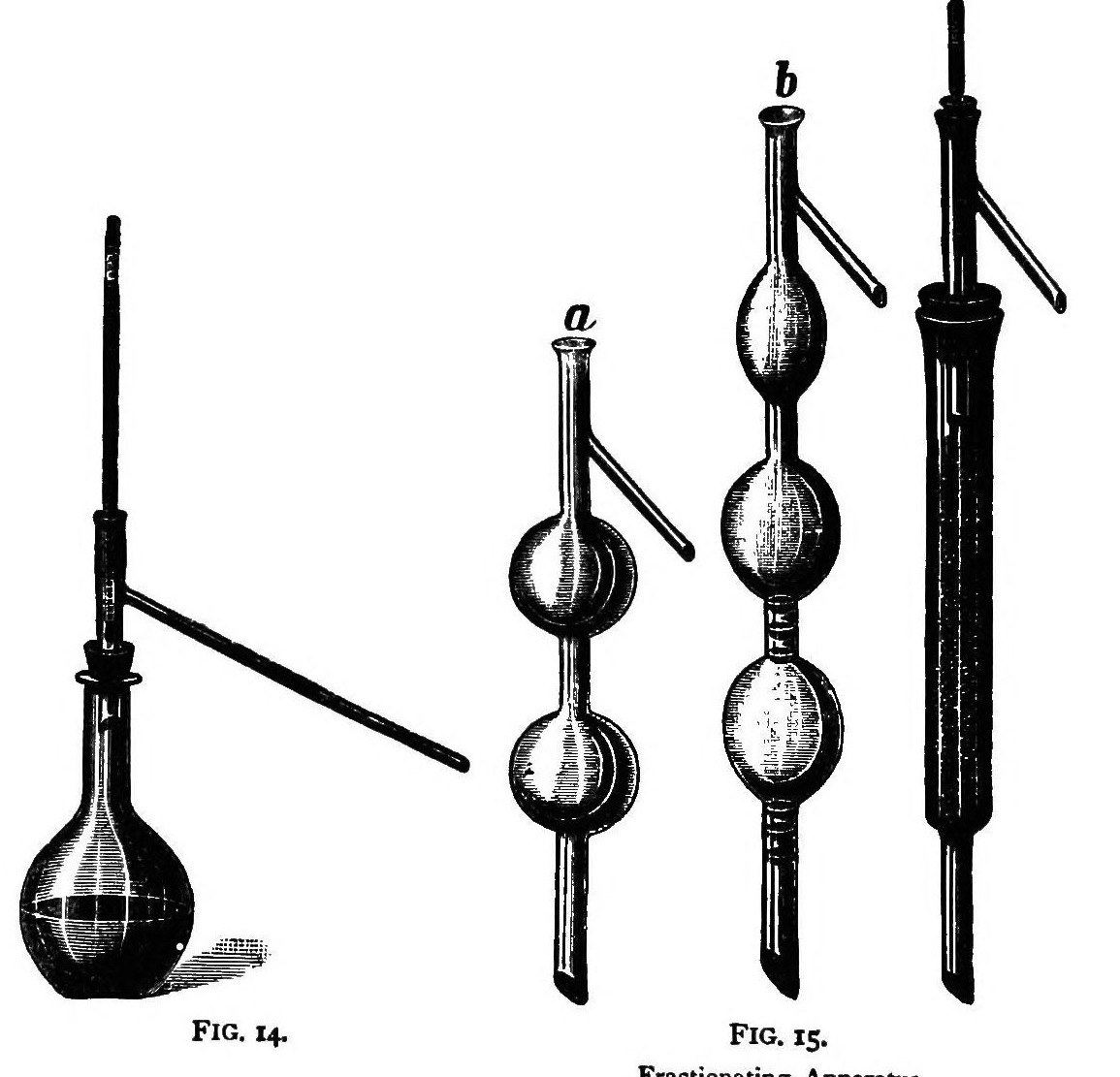


Fractionating Still: Hempel Bead Column on a Round Flask with Liebig Condenser (Gattermann, 1901)
The classic laboratory set-up for splitting a mixture of liquids by boiling point. A round flask is topped by a Hempel column, a tube packed with glass beads, with a side outlet near the top and a thermometer in a cork above it. The higher-boiling vapour condenses on the beads and runs back, so the vapour reaching the outlet is richer in the lower-boiling part; a Liebig condenser turns it to liquid in the receiver. One pass through it separates better than repeated distillations from a plain flask.
Result: a fractionating still for laboratory distillations at atmospheric pressure.
Source: L. Gattermann, The Practical Methods of Organic Chemistry (2nd American ed., 1901), pp. 16-24. Unknown: column and bead sizes. Picture: the book's Figs. 14-15.
Intermediate
Unknown
Instructions
1
1
Make the Hempel column
Make the Hempel column
Take a wide glass tube with a side outlet tube near its top and fill it with glass beads; the beads act like sieves, holding back the higher-boiling part. Fit it to a round, short-necked flask with a bored cork (or have it fused onto the bulb); flasks with the same neck width can share one cork. Choose a flask the charge will fill about two-thirds. Not given: sizes. Ours: a glass tube for the column body.
Materials for this step:
 Glass Tube1 column
 Glass Beads1 packing
 Round-Bottom Flask1 piece
 Corks2 pieces
Tools needed:
 Cork Borer
2
2
Set the thermometer and condenser
Set the thermometer and condenser
Pass the thermometer through a cork (not rubber) in the top of the column so its bulb sits level with the outlet, never down in the liquid. For liquids boiling up to 100° join the outlet to a Liebig condenser with a cork (long for very low boilers, short for high); from 100-200° cool the receiver with running water; above that a wide glass tube 50 cm long on the outlet is enough. If the vapour attacks cork, push the outlet far into the condenser instead. Clamp the apparatus above the outlet, never below it, or the hot glass may crack.
Materials for this step:
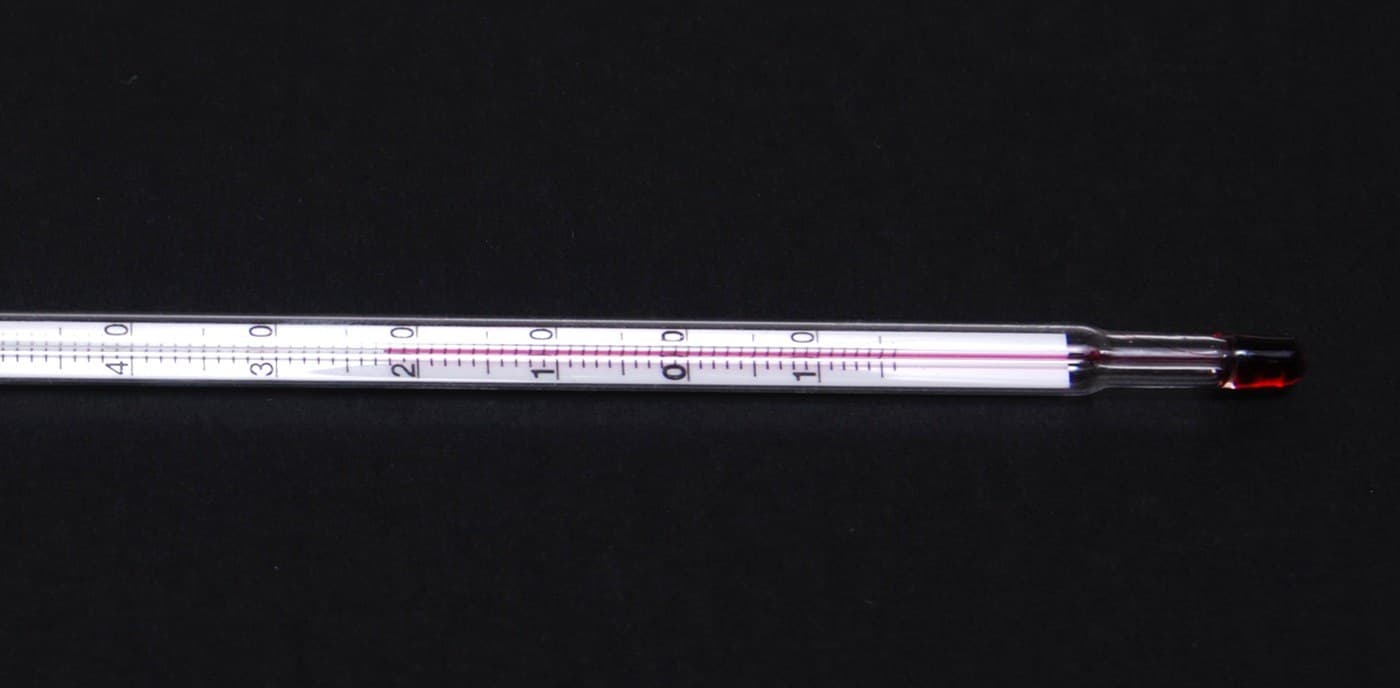
 Thermometer - Lab1 piece
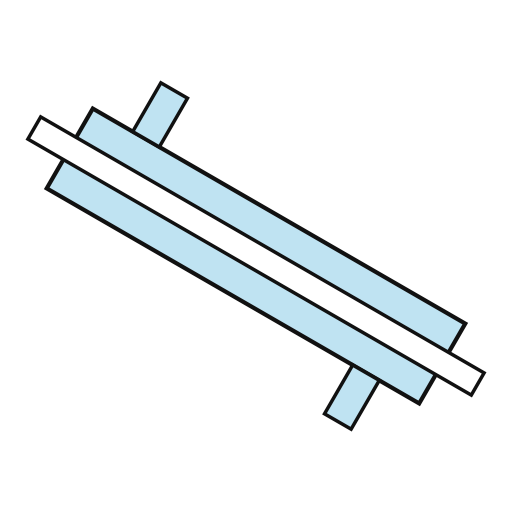 Water-Cooled Condenser1 piece
 Erlenmeyer Flask2 receivers
Tools needed:
 Ring Stand (Support Stand)Cork Borer
3
3
Fractionate
Fractionate
Add a few bits of glass or platinum wire against bumping. Heat on the water-bath for liquids boiling up to about 80°, otherwise over a small free flame moved slowly to and fro under the flask, never above the liquid level, so the distillate falls into the receiver steadily in drops. With the Hempel column stop heating now and then so the liquid held in the beads can run back. Collect the first runnings, the main fraction at a steady temperature, and the last runnings in separate receivers; for a mixture, collect fractions over set ranges and distil them again.
Tools needed:
 Bunsen BurnerRing Stand (Support Stand)
Materials
7- 1 columnPlaceholder
- 1 packingPlaceholder
- 1 piecePlaceholder
- 2 piecesPlaceholder
- 1 piecePlaceholder
- 1 piecePlaceholder
- 2 receiversPlaceholder
Tools Required
3- Placeholder
- Placeholder
- Placeholder
This blueprint makes

Related Blueprints
These blueprints share knowledge with this one — techniques, materials, or principles that connect them in the learning graph.

CC0 Public Domain
This blueprint is released under CC0. You are free to copy, modify, distribute, and use this work for any purpose, without asking permission.
Support the Maker by purchasing products through their Blueprint where they earn a Maker Commission set by Vendors, or create a new iteration of this Blueprint and include it as a connection in your own Blueprint to share revenue.