ART
BEAUTY & WELLNESS
CRAFT
CULTURE & HISTORY
ENTERTAINMENT
ENVIRONMENT
FOOD & DRINKS
REVERSE ENGINEERING
SCIENCES
SPORTS
TECHNOLOGY
WEARABLES
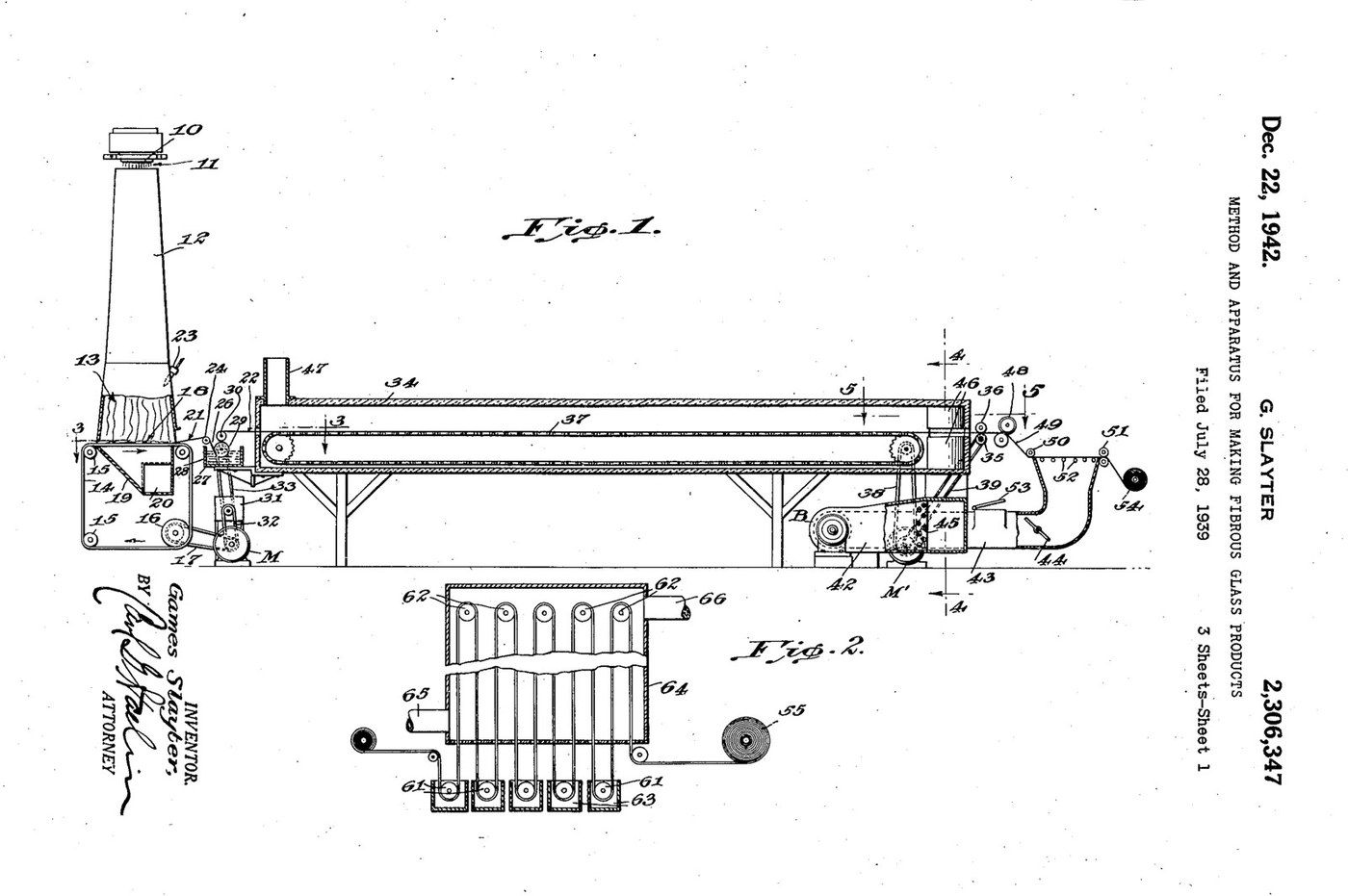


Glass Fibre Mat: Blown Glass Wool Drafted into a Bonded Sheet (Slayter 1942)
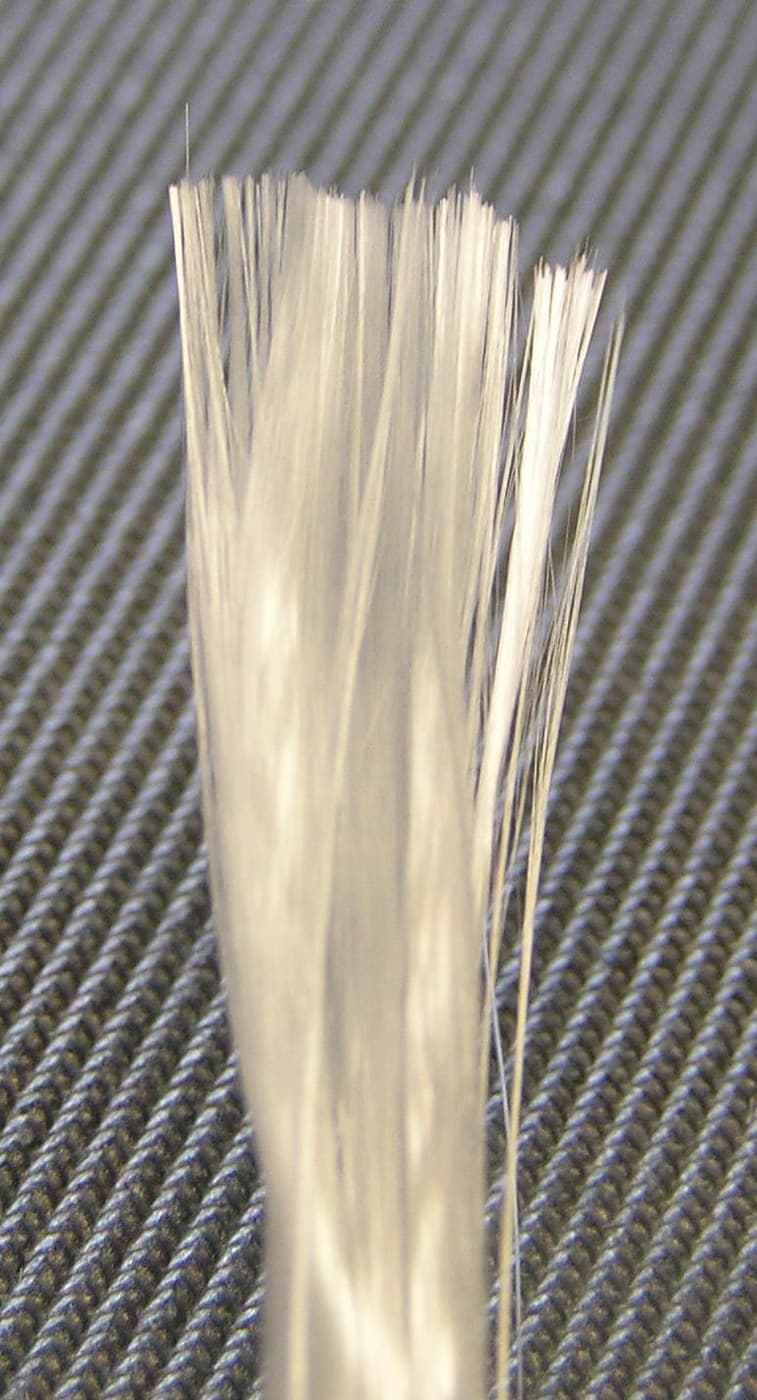
Blown glass wool lands on a moving screen as a loose, weak tangle. Slayter pulled a thin web off its front edge two to four times faster than the screen moves, so the fibres line up lengthwise but still cross each other, and then soaked and dried it in a binder. The result is a thin, even, strong glass sheet, used for insulation, filters and separators between battery plates.
Source: Games Slayter (Owens-Corning Fiberglas), US 2,306,347 (1942). Unknown: the glass and the binder. Slayter names neither the glass nor the binder's strength, so both are linked to unknown heads. Speeds and temperatures are not given either. Picture: the patent's Fig. 1.
Advanced
continuous
Instructions
1
1
Blow fibres from the bushing
Blow fibres from the bushing
Let molten glass run in many streams from one or more electrically heated bushings. Gas blasts from jets around the streams draw them out into long, fine fibres, which set at once as they fall through a forming hood. Unknown: the glass, the bushing temperature and the blast. Slayter gives none of them.
Materials for this step:
 Unknown Glass1 as required
Tools needed:
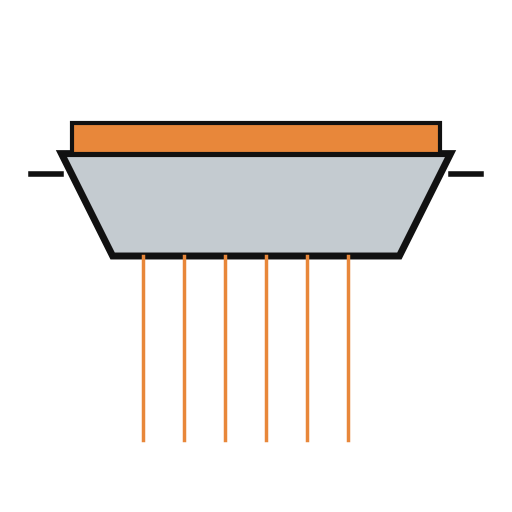 Glass Fibre Bushing
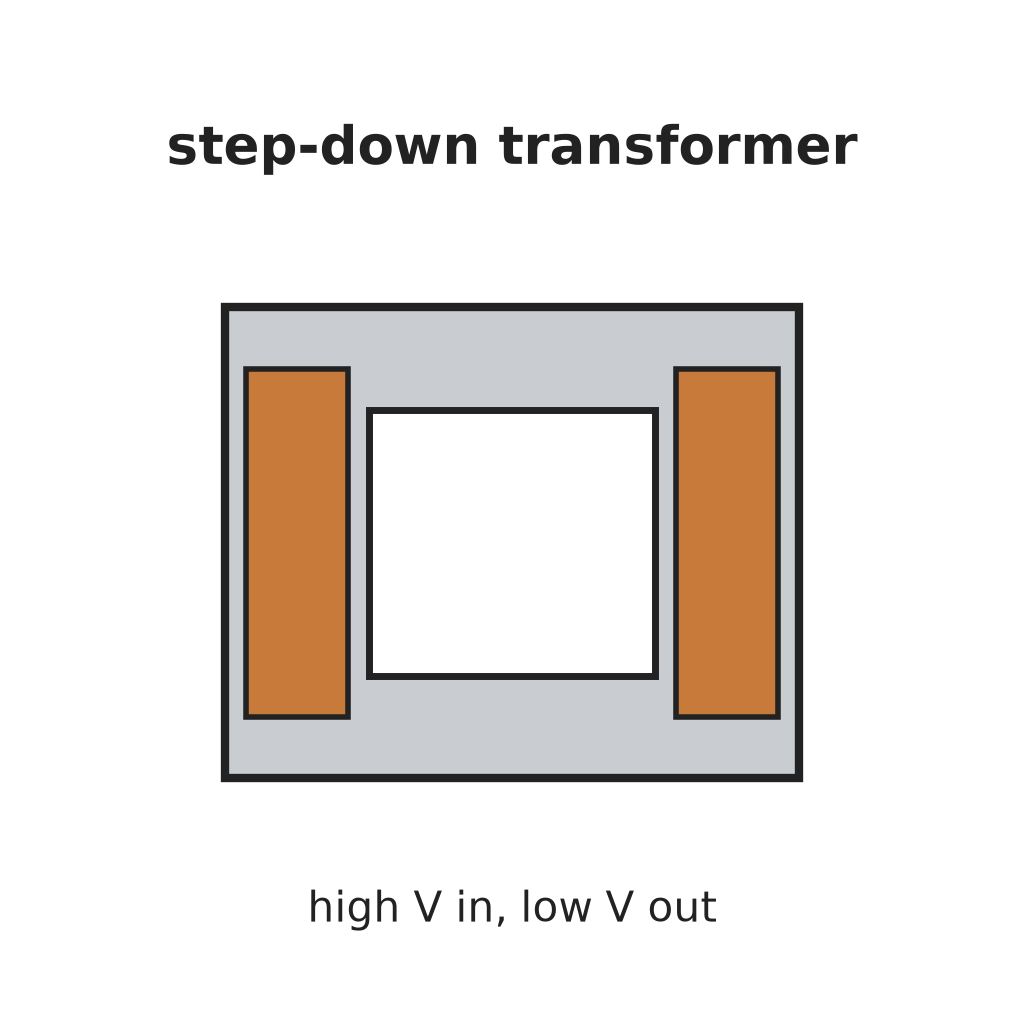 Step-Down Transformer
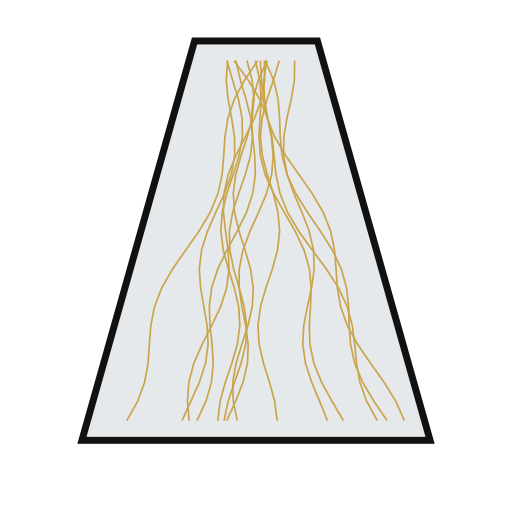 Forming Hood
 Heat-Resistant Gloves
 Safety Glasses
2
2
Collect a mat on a moving screen
Collect a mat on a moving screen
The fibres land on an endless wire screen running over rollers, with a suction box under it to draw off the blast and hold the fibres down. They pile up in every direction as a mat. If you like, spray a lubricant into the hood first (oil, soap, fatty acid, glycerin or graphite are named), so the fibres slide past each other when drafted.
Tools needed:
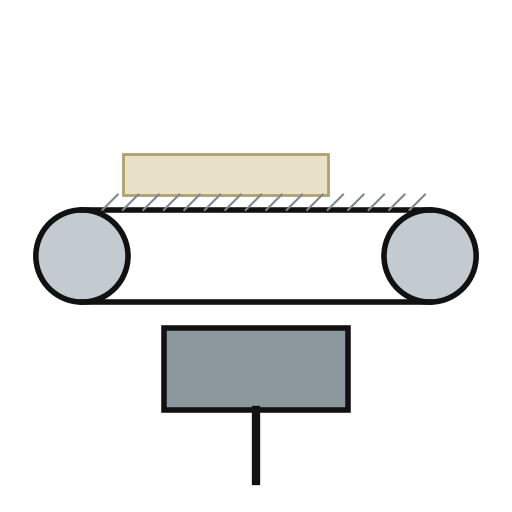 Screen Conveyor
 Air BlowerForming Hood
3
3
Draft a web off the front edge
Draft a web off the front edge
Pull a thin web from the front edge of the mat over an idler roller set slightly above the screen, faster than the screen moves. Slayter recommends a 3 to 1 draft for long fibres and 2 to 1 up to 4 to 1 in general. The fibres turn mostly lengthwise but stay crossed, which holds the sheet together across its width.
Tools needed:
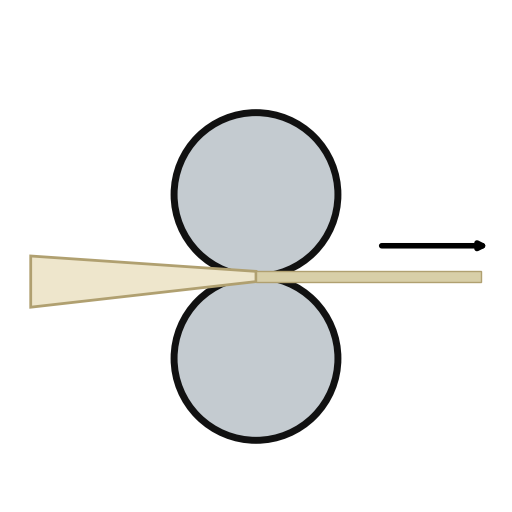 Drafting RollsScreen Conveyor
4
4
Soak it in binder between the drafting rolls
Soak it in binder between the drafting rolls
Lead the web down under the surface of a pool of binder solution and between the drafting pinch rolls. The lower roll is perforated and half under the liquid. The rolls set the draft through a variable-speed drive and squeeze out the excess binder, which runs back into the tank. Unknown: the binder. For battery separators Slayter wants one that keeps the sheet porous: 'a relatively weak solution' of phenolic resin, rubber, starch, gelatin, polystyrene or methyl methacrylate, with no strength given.
Materials for this step:
 Unknown Binder1 as required
Tools needed:
Drafting Rolls5
5
Dry it under slight tension
Dry it under slight tension
Pull the wet sheet through a drying oven with a second pair of pinch rolls, blowing heated air through against the sheet's direction. Keep only a slight draft, 1.05 to 1 up to 1.5 to 1, so the sheet neither wrinkles across nor stretches lengthwise as the binder sets. Unknown: the oven temperature. Wind the dry mat onto a roll.
Tools needed:
 Drying OvenDrafting RollsAir Blower
Materials
2- 1 as requiredPlaceholder
- 1 as requiredPlaceholder
Tools Required
9- Placeholder
- Placeholder
- Placeholder
- Placeholder
- Placeholder
- Placeholder
- Placeholder
- Placeholder
- Placeholder
This blueprint makes
Related Blueprints
These blueprints share knowledge with this one — techniques, materials, or principles that connect them in the learning graph.
CC0 Public Domain
This blueprint is released under CC0. You are free to copy, modify, distribute, and use this work for any purpose, without asking permission.
Support the Maker by purchasing products through their Blueprint where they earn a Maker Commission set by Vendors, or create a new iteration of this Blueprint and include it as a connection in your own Blueprint to share revenue.