ART
BEAUTY & WELLNESS
CRAFT
CULTURE & HISTORY
ENTERTAINMENT
ENVIRONMENT
FOOD & DRINKS
REVERSE ENGINEERING
SCIENCES
SPORTS
TECHNOLOGY
WEARABLES
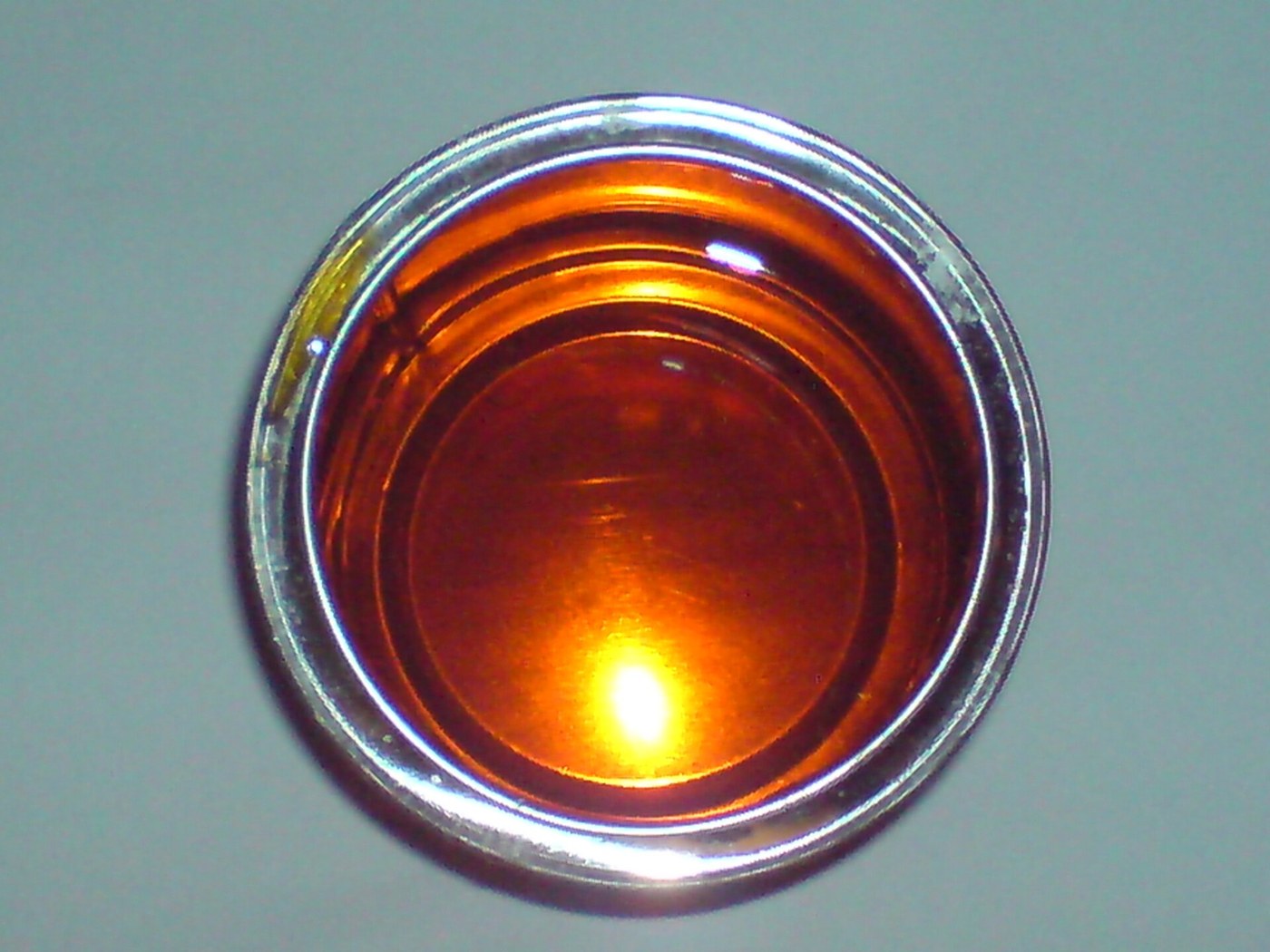


Golden Syrup: Sugar Inverted with Citric Acid
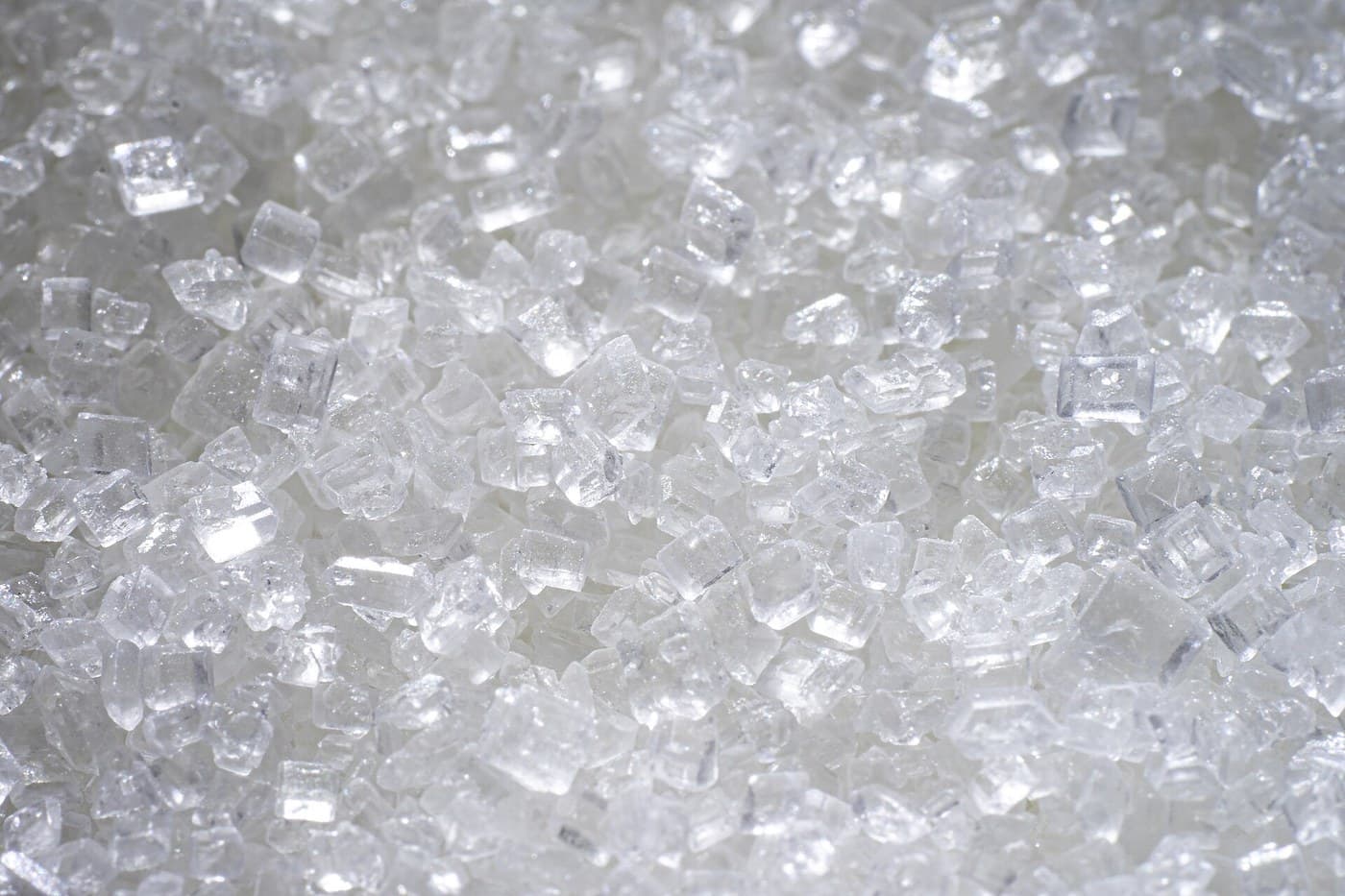
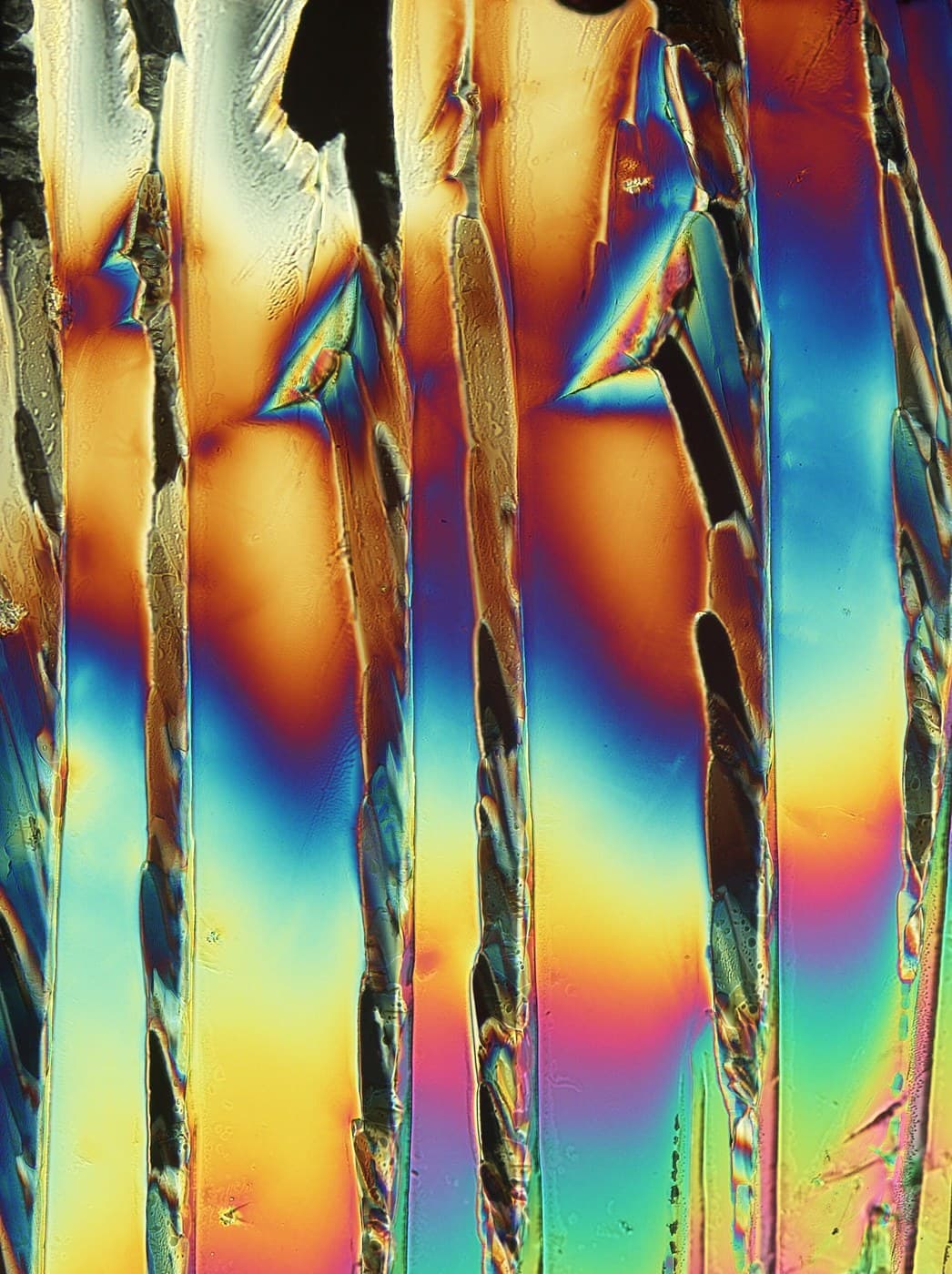
Golden syrup is a thick amber syrup of partly inverted sugar: some of the sucrose is split into glucose and fructose, which keeps it from crystallising. Lyle's refinery chemist Charles Eastick worked it out in 1883. At home it is made by boiling sugar and water with a little citric acid until thick and amber.
The picture: golden syrup seen from above in an open tin.
Beginner
About an hour
Instructions
1
1
Sugar, water, acid
Sugar, water, acid
Put the sugar, water and citric acid in a heavy saucepan and stir over the heat until it boils and the sugar has dissolved.
Materials for this step:
 White Sugar1 kg
 Water0.5 liter
 Citric Acid3 g
Tools needed:
 Balance Scale
 Measuring Jug
 Saucepan
 Hot Plate
 Wooden Spoon
2
2
Boil slowly, do not stir
Boil slowly, do not stir
Turn the heat down and let it boil slowly without stirring until it is thick and amber. Drip a little on cold glass now and then: it should run thick, like honey.
Tools needed:
SaucepanHot Plate Glass Sheet
 Heat-Resistant Gloves
3
3
Cool and jar
Cool and jar
Take it off the heat; it thickens more as it cools. Pour it warm into a clean jar.
Tools needed:
 Glass JarHeat-Resistant Gloves
4
4
What inversion does
What inversion does
Loading Jupyter Notebook...
5
5
Limits
Limits
The method is the home method given by Wikipedia; the quantities are ours. Factories invert half the syrup with hydrochloric acid or invertase and blend it back. Boiling sugar burns badly: keep children away.
Materials
3- 1 kgPlaceholder
- 0.5 literPlaceholder
- 3 gPlaceholder
This blueprint makes

Related Blueprints
These blueprints share knowledge with this one — techniques, materials, or principles that connect them in the learning graph.

CC0 Public Domain
This blueprint is released under CC0. You are free to copy, modify, distribute, and use this work for any purpose, without asking permission.
Support the Maker by purchasing products through their Blueprint where they earn a Maker Commission set by Vendors, or create a new iteration of this Blueprint and include it as a connection in your own Blueprint to share revenue.