Collaboration
ART
BEAUTY & WELLNESS
CRAFT
CULTURE & HISTORY
ENTERTAINMENT
ENVIRONMENT
FOOD & DRINKS
REVERSE ENGINEERING
SCIENCES
SPORTS
TECHNOLOGY
WEARABLES
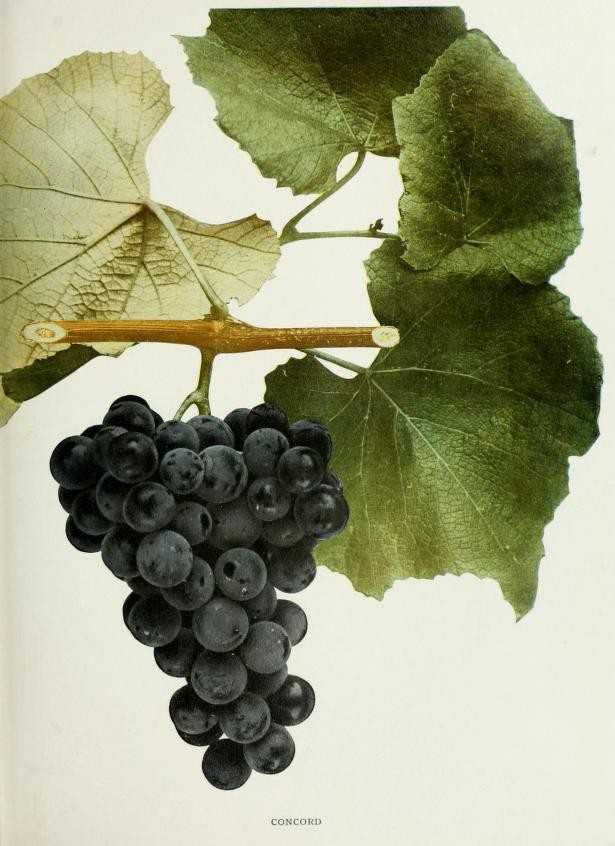


Grape Juice: Concord Grapes Heated, Pressed and Pasteurized Twice Below 180 F (USDA / New York Station, 1939)
Home grape juice by the New York State Experiment Station's method, as broadcast by the U.S. Department of Agriculture in 1939: ripe Concord grapes heated until the juice runs, pressed through a jelly bag, heated to 165-180 F (never above 180), jarred and pasteurized, then left 3 to 6 months so the gritty crystals settle, strained and pasteurized again.
Beginner
About 4 months, two short sessions
Instructions
1
1
The temperatures in Celsius
The temperatures in Celsius
Loading Jupyter Notebook...
2
2
Read the 1939 leaflet
Read the 1939 leaflet
"Too much heat gives a cooked bitter flavor to the juice. Too little heat will not sterilize it for keeping."
3
3
Wash and stem
Wash and stem
Use fully ripe, sound, clean Concord or other slip-skin grapes. Wash and stem them.
Materials for this step:
 Grapes1 as required
Tools needed:
 Sieve
4
4
Heat until the juice flows
Heat until the juice flows
Heat them in an aluminium or enamelware kettle until the juice flows easily and the colour of the skins spreads through the whole mass.
Tools needed:
 Large Cooking Pot
 Wooden Spoon
5
5
Press through a jelly bag
Press through a jelly bag
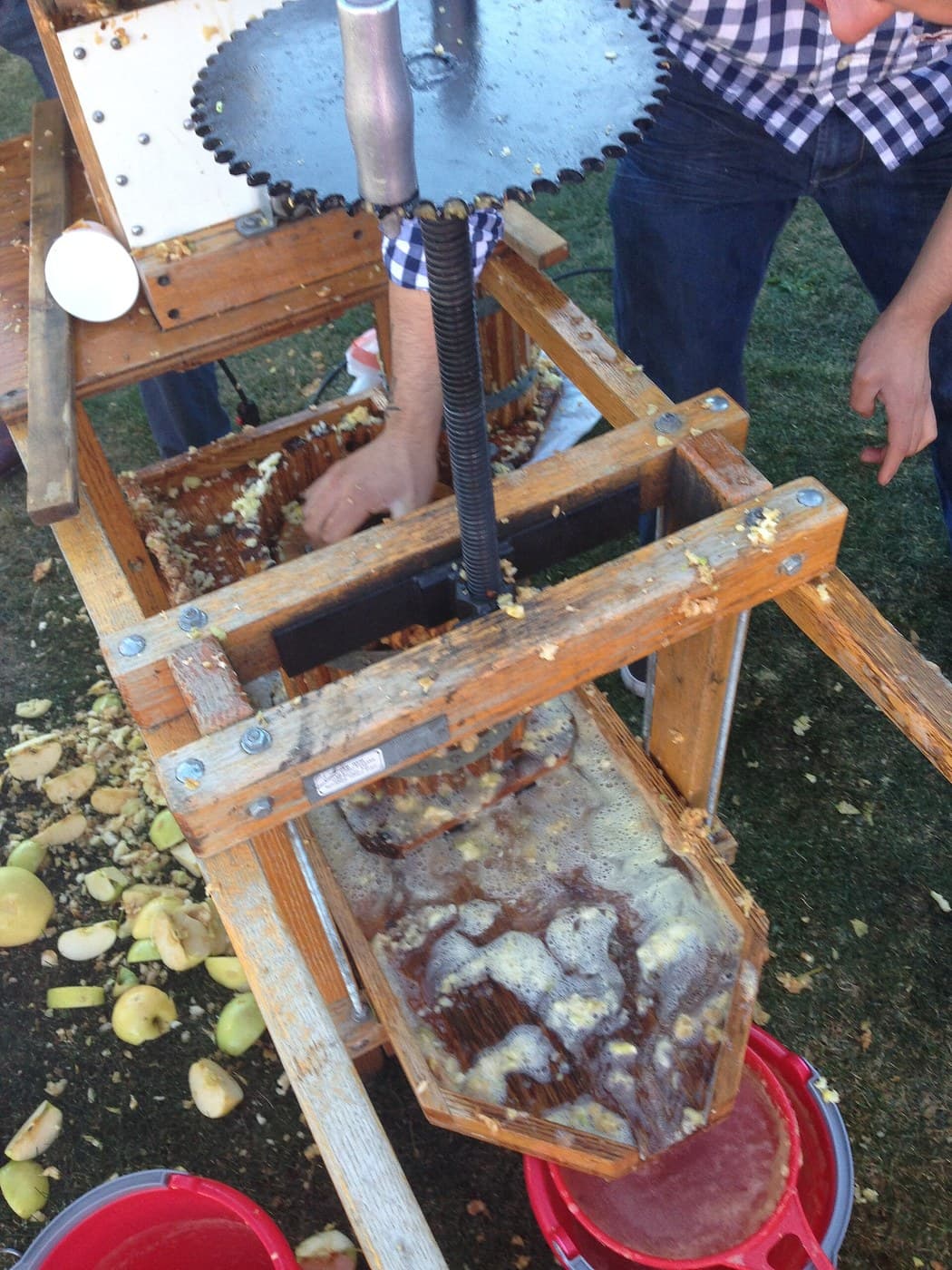
Press the juice through a jelly bag.
Tools needed:
 Straining Bag
 Measuring Jug
6
6
Heat to 165-180 F
Heat to 165-180 F
Heat the juice to simmering, between 165 and 180 F (74-82 C), never above 180 F. Use a thermometer.
Tools needed:
Large Cooking Pot Cooking Thermometer
7
7
Fill hot jars
Fill hot jars
Pour it hot into hot sterilized jars, leaving as little air space at the top as possible. Seal them.
Tools needed:
 Canning Jars (Mason)
8
8
Pasteurize 20 minutes
Pasteurize 20 minutes
Pasteurize the sealed jars in a water bath for 20 minutes at simmering temperature.
Tools needed:
 Water Bath CannerCooking Thermometer
9
9
Store 3 to 6 months
Store 3 to 6 months
Put the jars away in a cool dark place for 3 to 6 months, so the tartrate crystals settle.
Tools needed:
Canning Jars (Mason)10
10
Strain, sweeten, pasteurize again
Strain, sweeten, pasteurize again
Strain the juice off the particles at the bottom. Add sugar to taste if wanted, heat it once more and pasteurize it in sealed jars as before.
Materials for this step:
 White Sugar1 as required
Tools needed:
Straining BagLarge Cooking PotCooking ThermometerCanning Jars (Mason)Water Bath Canner11
11
Troubleshooting
Troubleshooting
Grape juice problems and fixes.
Flow
Loading...
12
12
History and honest limits
History and honest limits
From the U.S. Department of Agriculture's radio script "Putting up apple and grape juice at home", Housekeepers' Chat, 2 September 1939, reporting the New York State Experiment Station's directions. It gives no batch size. These are 1939 directions: check current home-canning safety guidance for your jars and altitude as well. Ours: the Celsius figures.
This blueprint makes
Related Blueprints
These blueprints share knowledge with this one — techniques, materials, or principles that connect them in the learning graph.

CC0 Public Domain
This blueprint is released under CC0. You are free to copy, modify, distribute, and use this work for any purpose, without asking permission.
Support the Maker by purchasing products through their Blueprint where they earn a Maker Commission set by Vendors, or create a new iteration of this Blueprint and include it as a connection in your own Blueprint to share revenue.