
Pyrethrum Flower Harvesting — Processing of Insecticidal Flowers in Rwanda
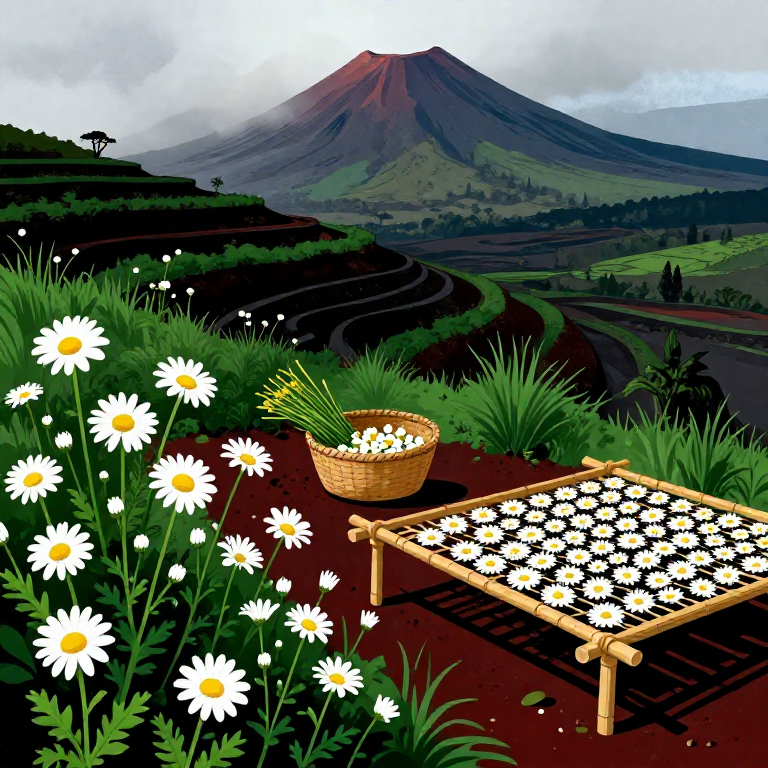
Method for harvesting pyrethrum flowers (Chrysanthemum cinerariaefolium) in the volcanic highlands of southwestern Rwanda. Rwanda is one of the world's leading pyrethrum producers. The flowers contain pyrethrins — a natural insecticide. This blueprint outlines the harvesting time, flower sorting, drying in sheds, testing, and packaging. Altitude: 2,000-3,000 meters above sea level.
Instructions
Know the pyrethrum plant
Know the pyrethrum plant
Pyrethrum (Chrysanthemum cinerariaefolium) is a plant that grows well in the highlands of Rwanda, at elevations of 2,000-3,000 meters above sea level.
Know the harvest time
Know the harvest time
The harvest time is very important because pyrethrins reach their peak concentration when the flowers are fully open.
Prepare harvesting tools
Prepare harvesting tools
Prepare all the tools before going to the field.
Materials for this step:
 Cotton Collection Bag2 pieces
Tools needed:
 Woven Harvesting Basket
 Sun Hat
Pick flowers from the plant
Pick flowers from the plant
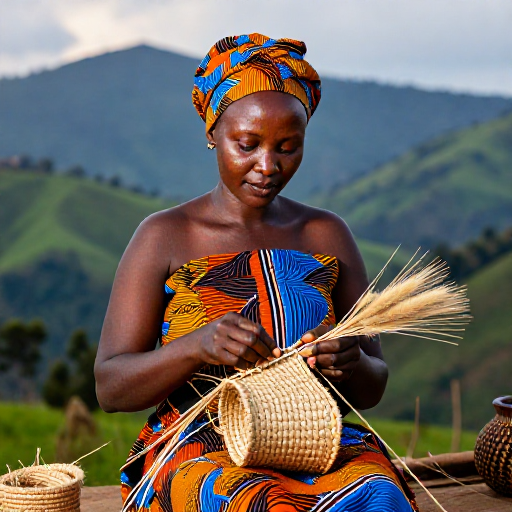
Pyrethrum is harvested by hand only — no metal tools are used.
Tools needed:
Woven Harvesting BasketPrevent pyrethrin degradation
Prevent pyrethrin degradation
Pyrethrins degrade very quickly when exposed to sunlight, heat, and humidity.
Materials for this step:
 Clean Cotton Cover Cloth1 piece
Prepare the drying area
Prepare the drying area
Materials for this step:
 Bamboo Poles8 pieces
 Wire Mesh / Screen4 square meter
Tools needed:
 Hammer
 Machete
Dry flowers in the shade
Dry flowers in the shade
Check the dryness of the flowers
Check the dryness of the flowers
Thresh the dried flowers
Thresh the dried flowers
Tools needed:
 Mortar and Pestle
 Fine Mesh Sieve
Separate the flower parts
Separate the flower parts
Tools needed:
Fine Mesh Sieve Sorting Table
Package the dried flowers
Package the dried flowers
Materials for this step:
 Jute Storage Sack5 pieces
 Jute Twine5 meters
 Paper Label Tag5 pieces
Tools needed:
 Weighing Scale
Store flowers in the warehouse
Store flowers in the warehouse
Materials for this step:
 Wooden Storage Pallet2 pieces
Prepare the field for the next harvest
Prepare the field for the next harvest
After harvesting, the field should be prepared for the next harvest within 2-3 weeks. Remove any remaining weeds or visible stones. If the soil is dry, water it slowly in the early morning or evening — do not water during the hot day as it can damage the seedlings. Apply organic fertilizer (either compost or animal manure) around each plant — approximately 100-200 grams per plant. A pyrethrum plant can produce yields for 3-5 years without being replaced, but the best harvest comes in years 2 and 3. After 4-5 years, the plant must be replanted.
Materials for this step:
 Organic Compost10 kg
Tools needed:
 Hoe
HoeUnderstanding the value of pyrethrum on the market
Understanding the value of pyrethrum on the market
The value of pyrethrum depends on the concentration of pyrethrins in the flowers — as it turns out, a flower batch containing 1.0-3.0% of pyrethrins is the most valuable. Buyers should know that flowers harvested at the right time (fully mature) give more pyrethrins than those harvested too early or too late. Well-dried flowers (moisture below 12%) are stored better than those that are not well dried. Rwanda sells most of its pyrethrum through SOPYRWA, selling to foreign companies that make insecticides. Prices tend to change but in one year pyrethrum can reach 6-10 dollars per kilogram of extract. Good harvesting, proper processing, and good storage are what enable the farmer to get a good price.
Materials
10- 2 piecesPlaceholder
- 1 piecePlaceholder
- 8 piecesPlaceholder
- 4 square meterPlaceholder
- 5 piecesPlaceholder
- 5 metersPlaceholder
- 5 piecesPlaceholder
- 2 piecesPlaceholder
- 10 kgPlaceholder
- Placeholder
Tools Required
9- Placeholder
- Placeholder
- Placeholder
- Placeholder
- Placeholder
- Placeholder
- Placeholder
- Placeholder
- Placeholder
This blueprint makes

CC0 Public Domain
This blueprint is released under CC0. You are free to copy, modify, distribute, and use this work for any purpose, without asking permission.
Support the Maker by purchasing products through their Blueprint where they earn a Maker Commission set by Vendors, or create a new iteration of this Blueprint and include it as a connection in your own Blueprint to share revenue.