Collaboration
ART
BEAUTY & WELLNESS
CRAFT
CULTURE & HISTORY
ENTERTAINMENT
ENVIRONMENT
FOOD & DRINKS
REVERSE ENGINEERING
SCIENCES
SPORTS
TECHNOLOGY
WEARABLES
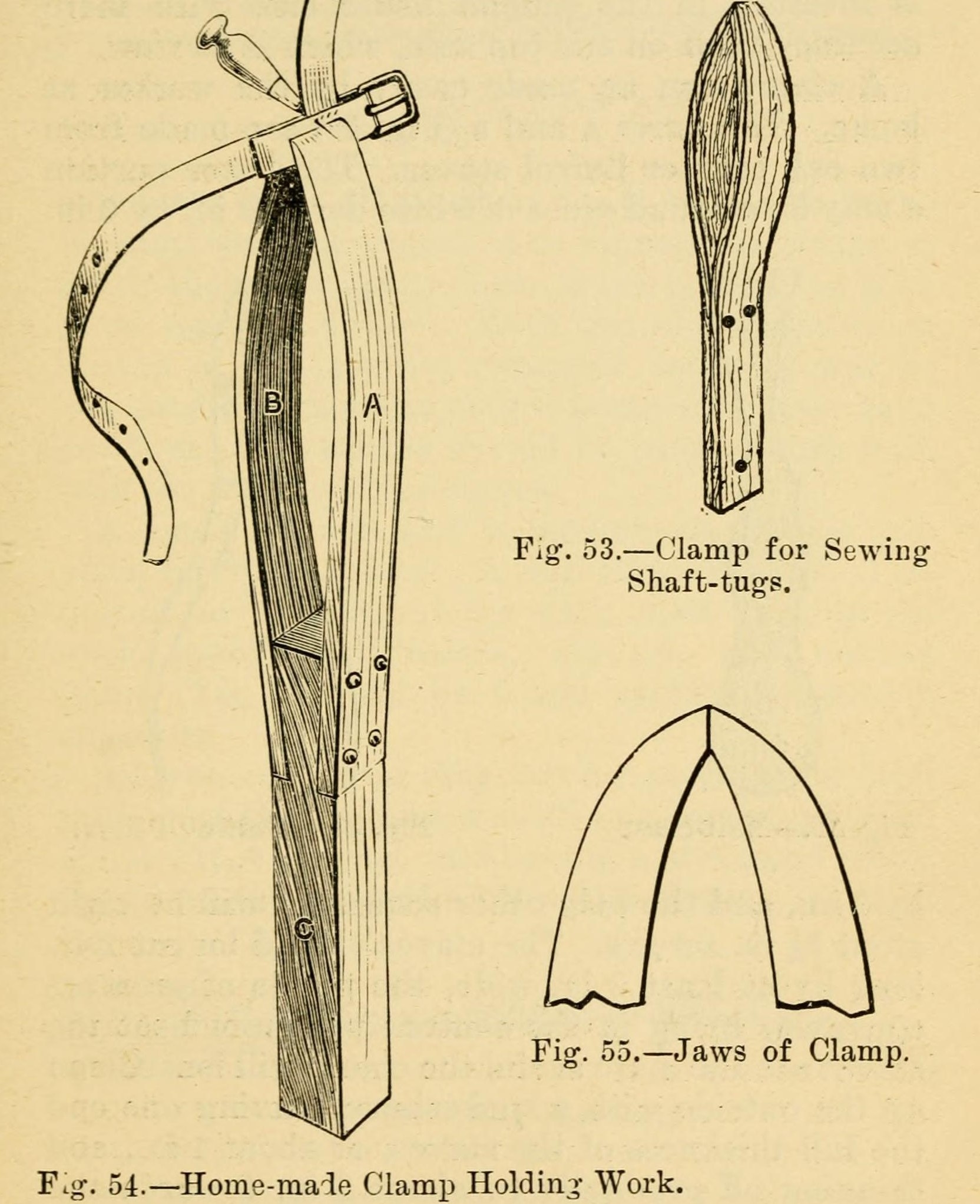


Saddler's Stitching Clamp from Two Oak Barrel Staves Screwed to a Deal Tenon (Hasluck, Harness Making, 1904)
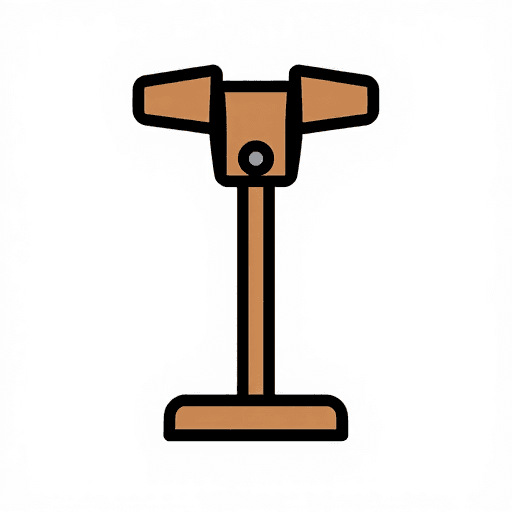
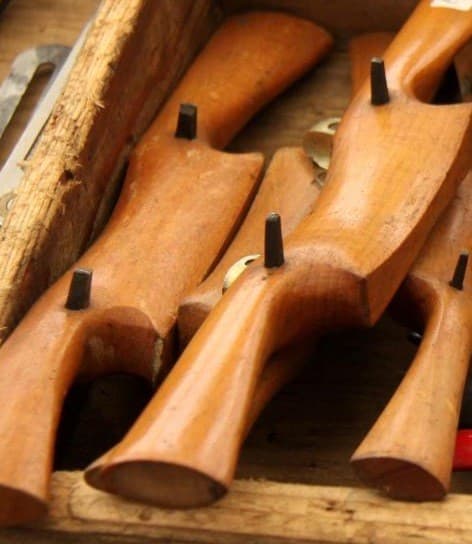
The home-made saddler's clamp, or pair of clams, from Hasluck's Harness Making (1904): two curved oak barrel staves, thinned to springy jaws, screwed hard onto a dovetail-shaped tenon on a 20 x 3 x 3 in. deal post so the jaw tips grip the leather while both hands sew.
Beginner
An afternoon
Instructions
1
1
His sizes
His sizes
Loading Jupyter Notebook...
2
2
Read Hasluck
Read Hasluck
"A clamp can be made easily by the worker at home."
3
3
Cut the staves
Cut the staves
Cut two oak cask or barrel staves 2 ft (610 mm) long and at least 3 in. (76 mm) wide, with the greatest bend in the middle. The more bent the staves, the more useful the clamp.
Materials for this step:
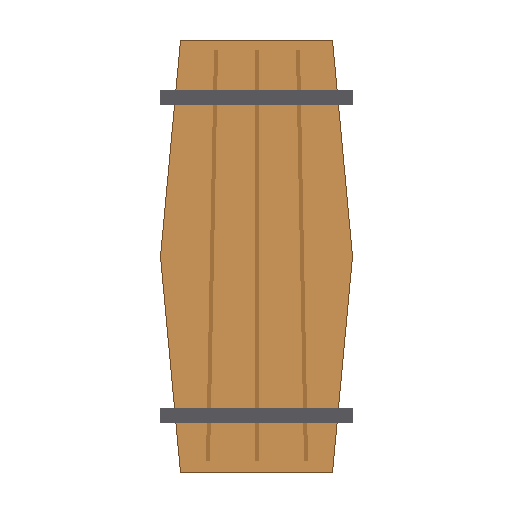 Barrel Stave2 pieces
Tools needed:
 Hand Saw
4
4
Shape the jaws
Shape the jaws
Clean up the outside with a spokeshave. Leave one end the full stave thickness (about 1 in., 25 mm) and thin gradually to about 3/4 in. (19 mm) toward the other end, which forms the jaw (his fig. 55). Round the outer corners, plane the inside flat and smooth both sides with glass-paper.
Materials for this step:
 Sandpaper1 piece
Tools needed:
 Spokeshave
5
5
Cut the tenon
Cut the tenon
Take a sound piece of white deal 20 x 3 x 3 in. (510 x 76 x 76 mm) for the post C. Cut a dovetail-shaped tenon at least 6 in. (150 mm) long on its upper end. Fit the depth of the shoulders and the width at the top to the curve of your staves: the aim is for the jaw tips to press tightly together once the staves are home.
Materials for this step:
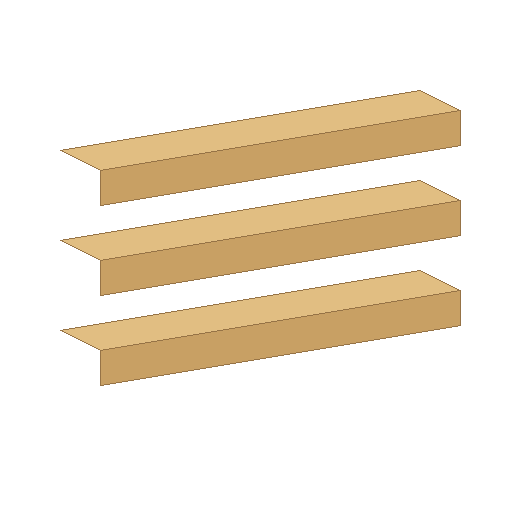 Softwood Batten1 piece
Tools needed:
 Tenon Saw
 Chisel Set - Wood
6
6
Screw the staves on
Screw the staves on
Lay the thick ends of the staves against the two sides of the tenon and fix them with eight stout 2 1/4 in. (57 mm) screws (ours: four through each stave, as his fig. 54 shows). The tenon should be cut so that hard screwing is needed to bring the staves home. Countersink the screws flush with the stave faces.
Materials for this step:
 Wood Screws8 pieces
Tools needed:
 Brace and Bit
 Countersink Drill Bit Set
 Screwdriver - Flat
7
7
Troubleshooting
Troubleshooting
Clamp troubleshooting.
Flow
Loading...
8
8
History and honest limits
History and honest limits
From Paul N. Hasluck (ed.), **Harness Making** (Cassell, 1904), pp. 24-27 and figs. 52-55 (checked on the archive.org scan harnessmaking00hasl). The saddler sits with it between the knees, slanting against the left knee, the right leg thrown over it, so it does not yield under the awl. He gives no screw spacing; the four-per-stave layout, metric figures and tools are ours.
Materials
4- 2 piecesPlaceholder
- 1 piecePlaceholder
- 1 piecePlaceholder
- 8 piecesPlaceholder
Tools Required
7- Placeholder
- Placeholder
- Placeholder
- Placeholder
- Placeholder
- Placeholder
- Placeholder
This blueprint makes
Related Blueprints
These blueprints share knowledge with this one — techniques, materials, or principles that connect them in the learning graph.

CC0 Public Domain
This blueprint is released under CC0. You are free to copy, modify, distribute, and use this work for any purpose, without asking permission.
Support the Maker by purchasing products through their Blueprint where they earn a Maker Commission set by Vendors, or create a new iteration of this Blueprint and include it as a connection in your own Blueprint to share revenue.