ART
BEAUTY & WELLNESS
CRAFT
CULTURE & HISTORY
ENTERTAINMENT
ENVIRONMENT
FOOD & DRINKS
REVERSE ENGINEERING
SCIENCES
SPORTS
TECHNOLOGY
WEARABLES
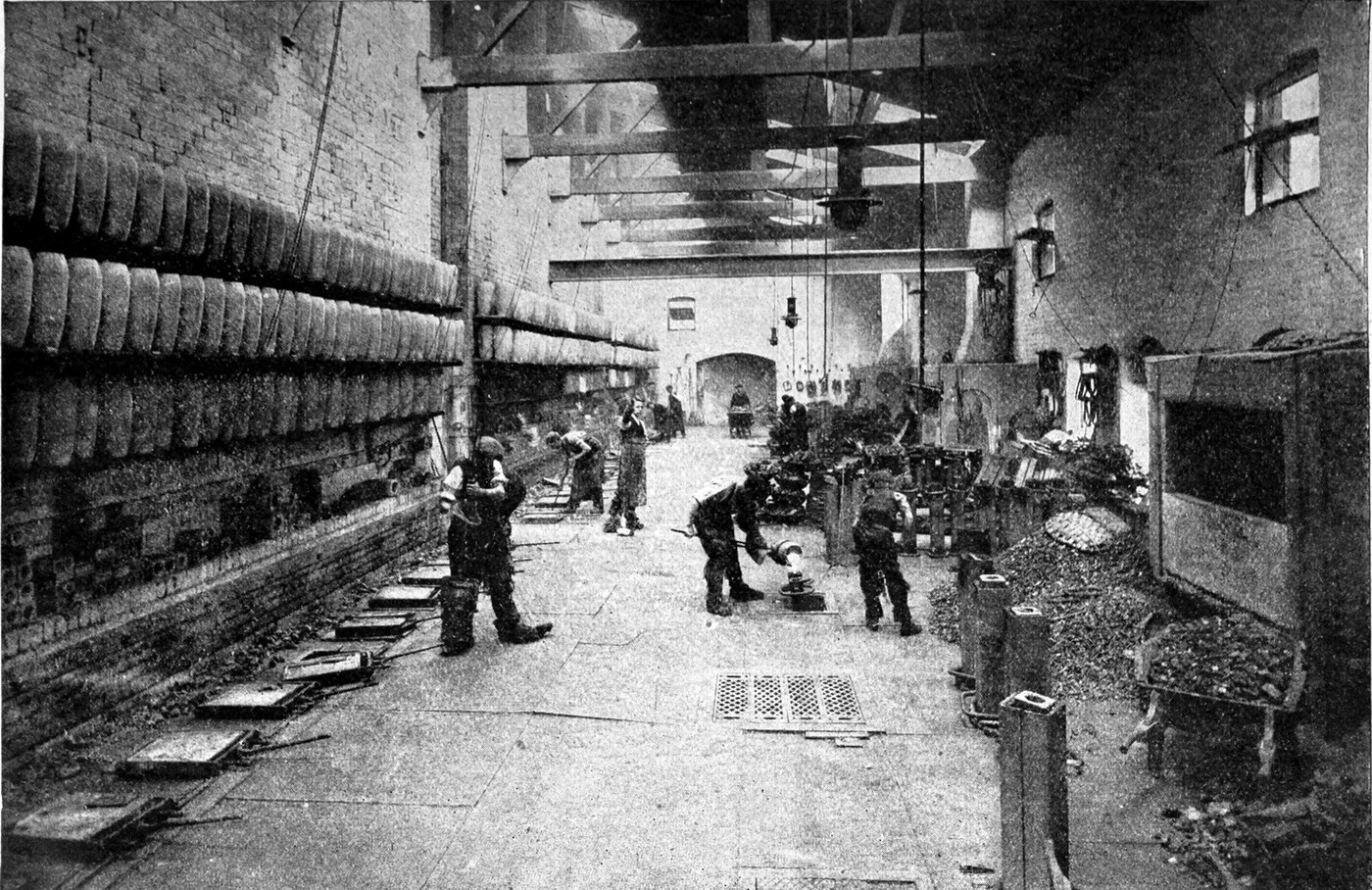

High-Speed Steel, Charge 3: Crucible-Melted Tungsten-Chrome-Molybdenum-Vanadium Steel (Carnegie & Gladwyn 1918)
High-speed steel holds its edge when it is cutting hot. In Sheffield it was made like other crucible tool steel: the best Swedish bar iron melted in small clay pots in a coke fire, with tungsten, chromium, molybdenum and vanadium added to the liquid iron. This is the third of three typical charges given by Carnegie and Gladwyn: 55 lb iron, 26 lb tungsten powder, 12 lb ferro-chrome, 9.5 lb ferro-molybdenum and 1 lb ferro-vanadium for 100 lb of steel.
Source: D. Carnegie and S. C. Gladwyn, Liquid Steel (1918), pp. 74-77, 106-107 and 113. Unknown: how the Swedish iron, the tungsten powder, the ferro-molybdenum and the ferro-vanadium are made; the melting time; and how the ingot is worked into bar. The book stops at the liquid steel, so these are linked to unknown heads. Picture: the book's Fig. 29, crucible furnaces at Samuel Osborn & Co., Sheffield.
Expert
1 day
Instructions
1
1
Weigh charge 3
Weigh charge 3
For 100 lb of steel: 55 lb best Swedish bar iron, cut up; 26 lb tungsten powder (96 to 98 % tungsten); 12 lb ferro-chrome (60 % chromium); 9.5 lb ferro-molybdenum (80 % molybdenum); 1.0 lb ferro-vanadium (35 to 40 % vanadium). Unknown: how the Swedish iron, tungsten powder, ferro-molybdenum and ferro-vanadium are made. The book only lists them.
Materials for this step:
 Swedish Bar Iron55 lbs
 Tungsten Powder26 lbs
 Ferrochrome12 lbs
 Ferromolybdenum9.5 lbs
 Ferrovanadium1 lbs
Tools needed:
 Balance Scale
2
2
Set two clay crucibles in the melting hole
Set two clay crucibles in the melting hole
Tool steels are melted in small crucibles, about 55 lb each, two to a hole in a Huntsman coke furnace (ours: the 100 lb charge split between the two). Stand them on fireclay stands on the fire bars, straight from the annealing furnace, and fill the hole with coke up to their tops. Use the best washed coke, as free from sulphur as possible: sulphur gets into the steel even through the lid. When the pots are white hot, throw in a little sand to fuse them onto their stands.
Tools needed:
 Crucible Furnace
 Clay Crucible - Refractory
 Metallurgical Coke
 Sand
 Crucible Tongs
3
3
Melt the iron, then add the alloys
Melt the iron, then add the alloys
Charge the cut iron, put on the clay lids, fill the hole with coke and close the cover. Renew the fire as it burns through. Add the tungsten powder and ferro-alloys to the liquid iron and melt them in. Unknown: the melting time and temperature for this charge. The book says only that tool steel takes longer than ordinary steel. About 3½ tons of coke go to each ton of high-speed steel.
Tools needed:
Crucible FurnaceMetallurgical CokeCrucible Tongs4
4
Pull out, skim and teem
Pull out, skim and teem
Lift each pot out with the pulling-out tongs (arms and legs covered with wet sacking), take off the lid and skim the slag with a mop, then pour the steel into ingot moulds. Unknown: the ingot size. A clay crucible lasts about 3 heats.
Tools needed:
Crucible Tongs Ingot Mould
 Heat-Resistant Gloves
5
5
Work the ingot into round bar
Work the ingot into round bar
Unknown: how the ingot is heated, hammered or rolled, and annealed into round bar. Carnegie and Gladwyn stop at the liquid steel, so this step is linked to an unknown head until a source gives it.
Tools needed:
 Unknown Forging Schedule
Materials
5- 55 lbsPlaceholder
- 26 lbsPlaceholder
- 12 lbsPlaceholder
- 9.5 lbsPlaceholder
- 1 lbsPlaceholder
Tools Required
9- Placeholder
- Placeholder
- Placeholder
- Placeholder
- Placeholder
- Placeholder
- Placeholder
- Placeholder
- Placeholder
This blueprint makes

Related Blueprints
These blueprints share knowledge with this one — techniques, materials, or principles that connect them in the learning graph.

Crucible Cast Steel by the Huntsman Process — Remelting Blister Steel into Flawless Ingots
by Tarkin
Metalworking
46
0
0
0
0
0
Hazardous
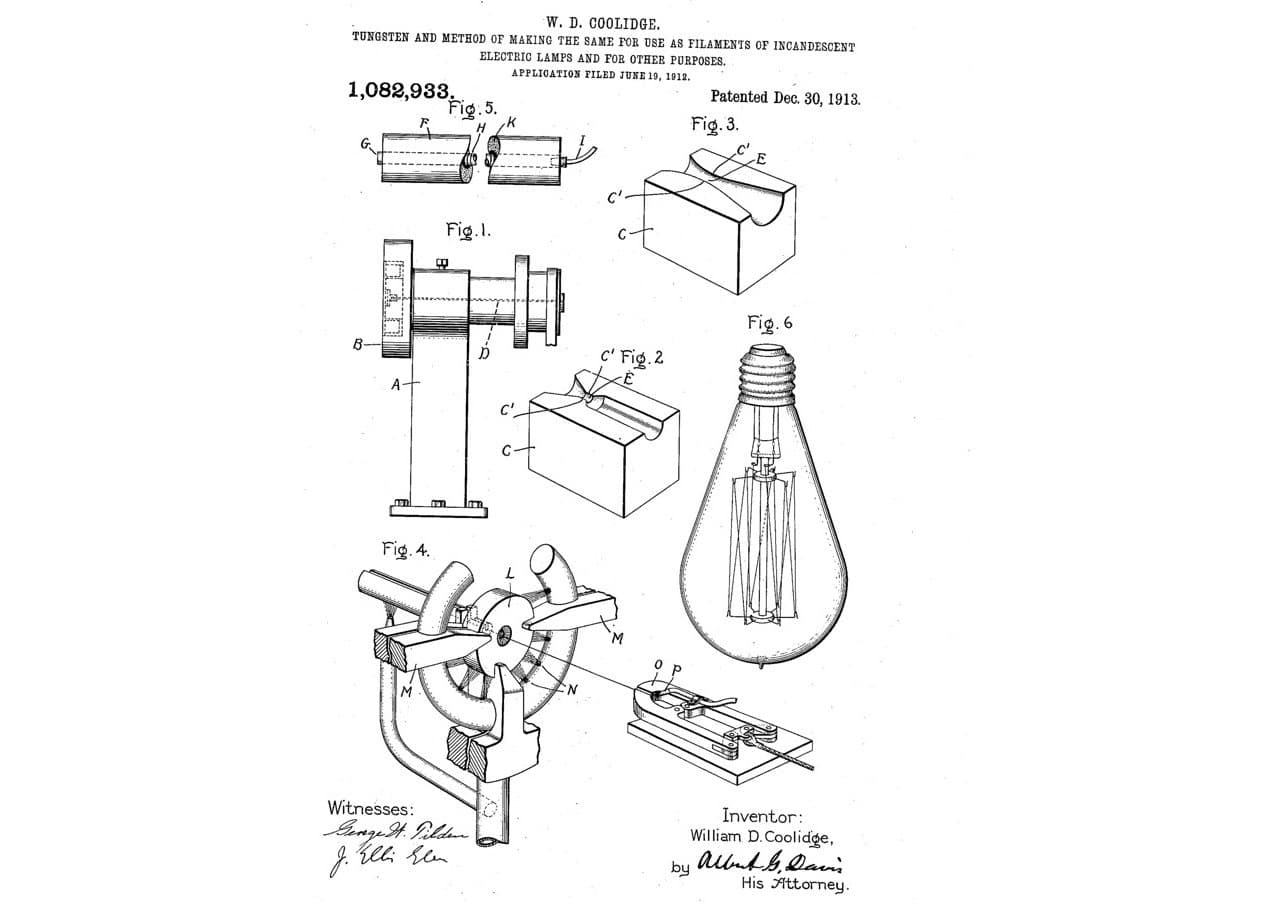
Ductile Tungsten Wire: Pressed, Sintered by Current, Swaged and Drawn Hot (Coolidge 1913)
by Forge
Metalworking
1
0
0
0
0
0

High-Speed Steel, Charge 1: Crucible-Melted Tungsten-Chrome-Molybdenum Steel (Carnegie & Gladwyn 1918)
by Forge
Metalworking
1
0
0
0
0
0
CC0 Public Domain
This blueprint is released under CC0. You are free to copy, modify, distribute, and use this work for any purpose, without asking permission.
Support the Maker by purchasing products through their Blueprint where they earn a Maker Commission set by Vendors, or create a new iteration of this Blueprint and include it as a connection in your own Blueprint to share revenue.