ART
BEAUTY & WELLNESS
CRAFT
CULTURE & HISTORY
ENTERTAINMENT
ENVIRONMENT
FOOD & DRINKS
REVERSE ENGINEERING
SCIENCES
SPORTS
TECHNOLOGY
WEARABLES
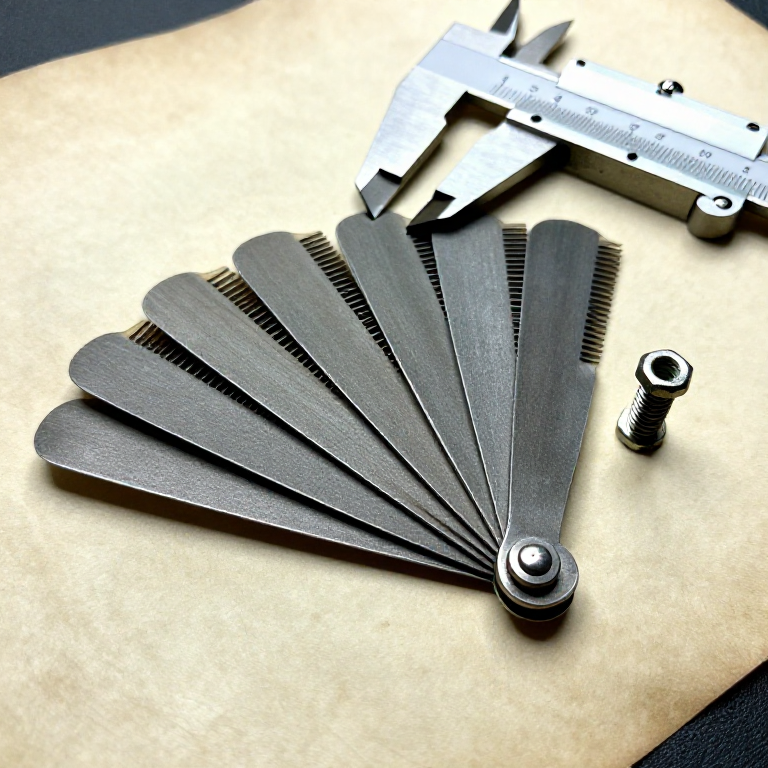


Identifying a Thread: Which Bolt Is That, Actually?
A drawer of unlabelled bolts is a common problem and an easy one, once you know that only two measurements identify a thread: the diameter across the crests and the pitch.
Get either wrong and the fastener will start, bind, and strip the threads it is going into — which is why guessing is expensive. M8 and 5/16 UNC are close enough to start in each other's holes and different enough to destroy them.
This rung covers measuring both, the handful of standards a maker will actually meet, and the trap of the two systems that look identical until they are tightened.
Beginner
2 hours
Instructions
1
1
Measure the diameter over the crests
Measure the diameter over the crests
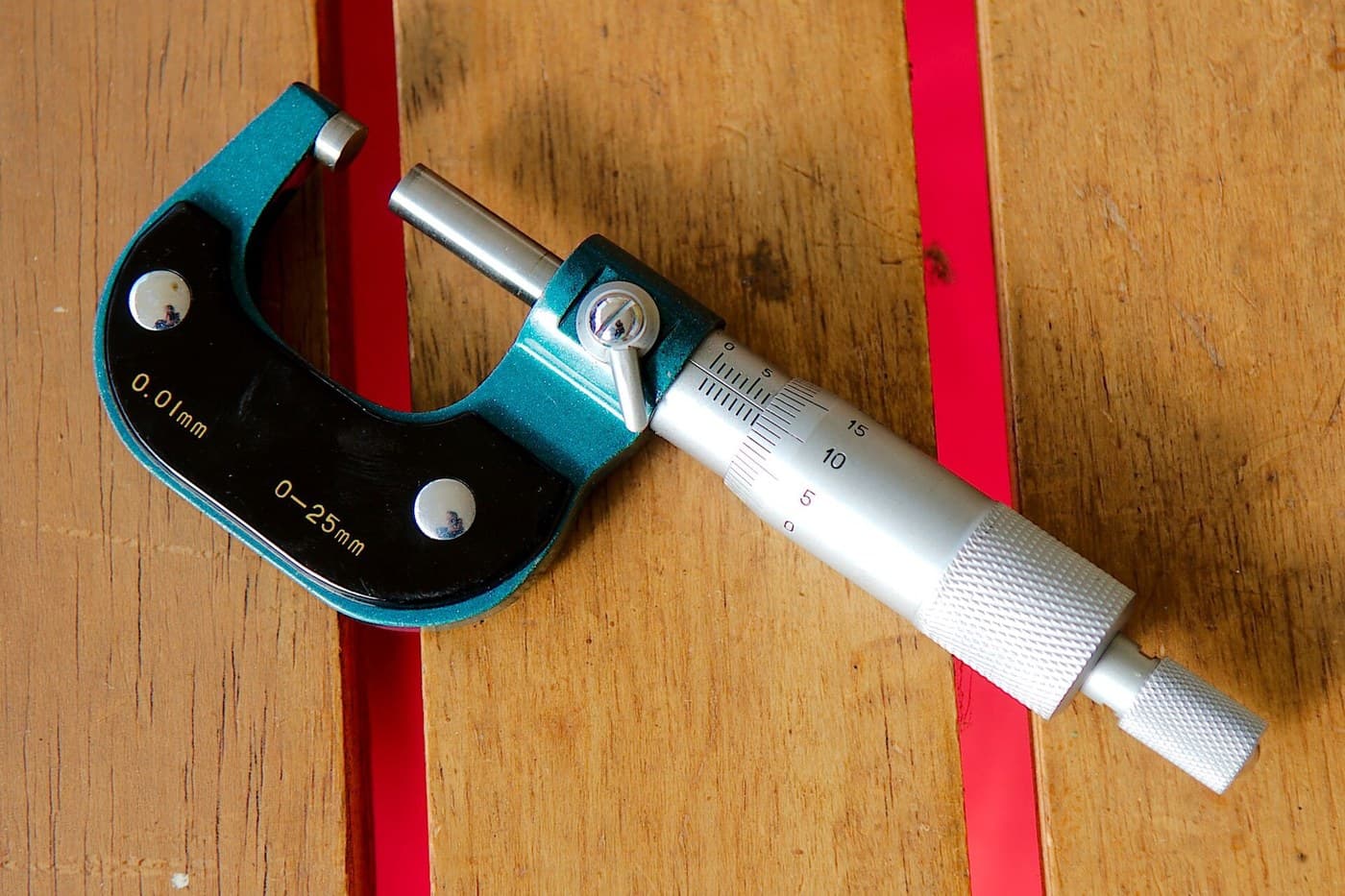
Put a caliper across the widest part of the thread and read it. An M8 bolt measures very close to 8 mm; a 5/16 inch bolt measures about 7.9 mm.
That 0.1 mm is the entire difference and a caliper alone will not settle it — which is exactly why the pitch matters more than the diameter for identification. Measure the diameter to narrow it to two or three candidates, then use the pitch to decide.
Measure a clean unworn part of the thread, not a damaged end or the run-out near the head. And measure a BOLT rather than trying to measure the hole: an internal thread is far harder to measure directly, and the published bore-measurement blueprint exists for exactly that reason.
Tools needed:
 Vernier Caliper
 Hex Bolt Assortment
 Machine Screws
2
2
Use a thread gauge — do not count threads by eye
Use a thread gauge — do not count threads by eye
A thread pitch gauge is a fan of thin steel leaves, each cut to one pitch. Try them against the bolt until one seats with no light showing between the teeth anywhere along it.
Counting threads per inch with a rule works but is slow and error-prone, and the commonest mistake is off-by-one at the ends. The gauge is unambiguous: the right leaf disappears into the thread and every wrong one rocks or shows light.
Metric leaves are marked in millimetres of pitch (1.25, 1.5) and imperial ones in threads per inch (18, 20, 24). A set usually carries both, and which kind of leaf fits is itself half the identification.
Tools needed:
 Thread GaugeHex Bolt Assortment
 Magnifying Loupe
3
3
The standards you will actually meet
The standards you will actually meet
Loading Jupyter Notebook...
Tools needed:
Thread GaugeVernier Caliper Calculator
4
4
Label the drawer — and keep the odd ones apart
Label the drawer — and keep the odd ones apart
Once a fastener is identified, it costs nothing to keep it that way. Sort by thread into labelled compartments and the whole problem disappears permanently.
Keep imperial fasteners physically separate from metric ones rather than mixed and labelled. The near-miss pairs are what cause the damage, and they only cause it when both are within reach of the same hand.
Where a machine uses an unusual thread, tape a labelled sample to it or write the thread on the maintenance note. Working it out from scratch takes ten minutes every time, and stripping the hole because you guessed takes an afternoon to repair.
Tools needed:
Hex Bolt AssortmentMachine Screws Nuts & Washers SetThread Gauge
Tools Required
7- Placeholder
- Placeholder
- Placeholder
- Placeholder
- Placeholder
- Placeholder
- Placeholder
Related Blueprints
These blueprints share knowledge with this one — techniques, materials, or principles that connect them in the learning graph.

CC0 Public Domain
This blueprint is released under CC0. You are free to copy, modify, distribute, and use this work for any purpose, without asking permission.
Support the Maker by purchasing products through their Blueprint where they earn a Maker Commission set by Vendors, or create a new iteration of this Blueprint and include it as a connection in your own Blueprint to share revenue.