ART
BEAUTY & WELLNESS
CRAFT
CULTURE & HISTORY
ENTERTAINMENT
ENVIRONMENT
FOOD & DRINKS
REVERSE ENGINEERING
SCIENCES
SPORTS
TECHNOLOGY
WEARABLES
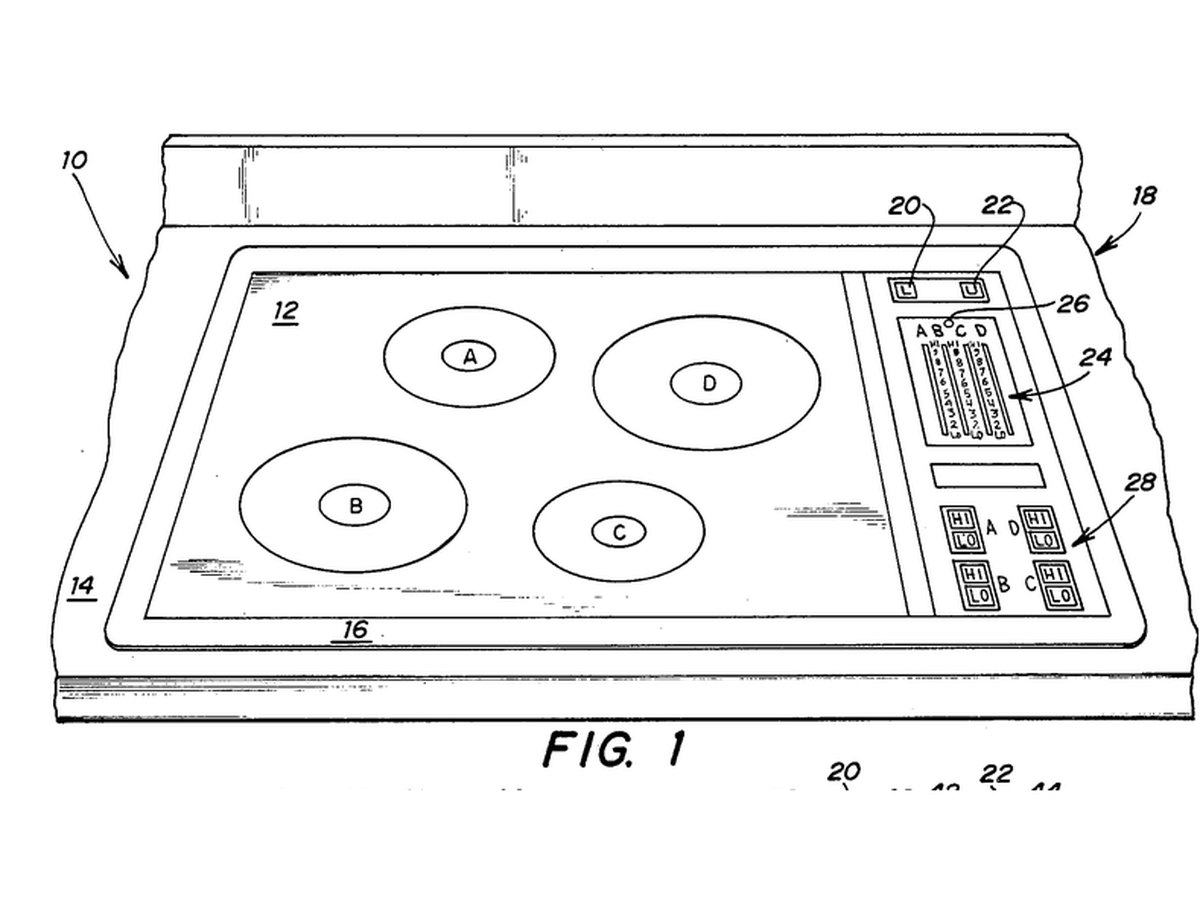


Induction Hob
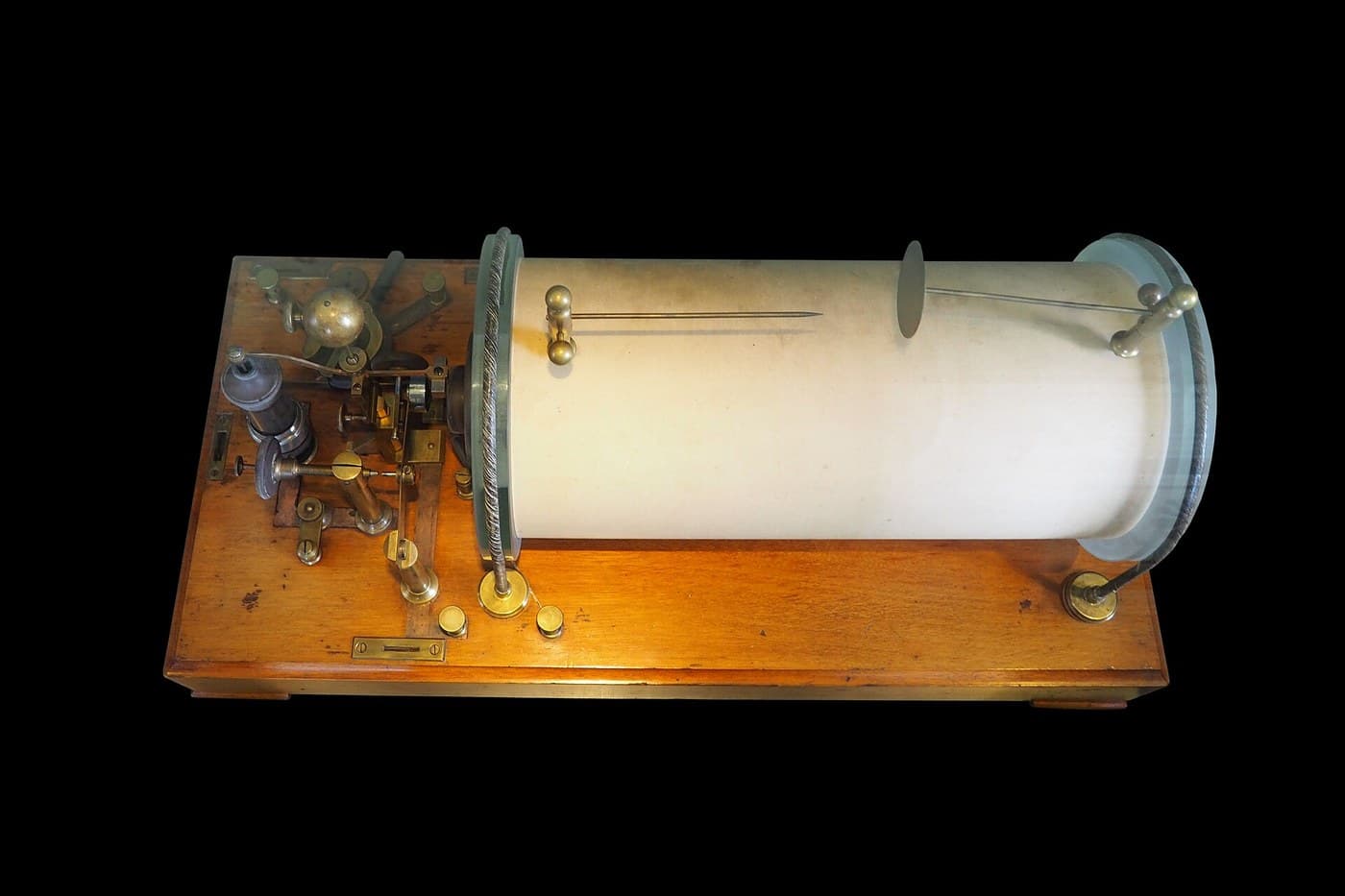
The induction coil already published makes a changing magnetic field, and the induction motor uses one to drive currents in a rotor. The cooking rung uses the same trick to heat the pan itself: no element, no flame, and a cold top - the pan is the only thing that gets hot.
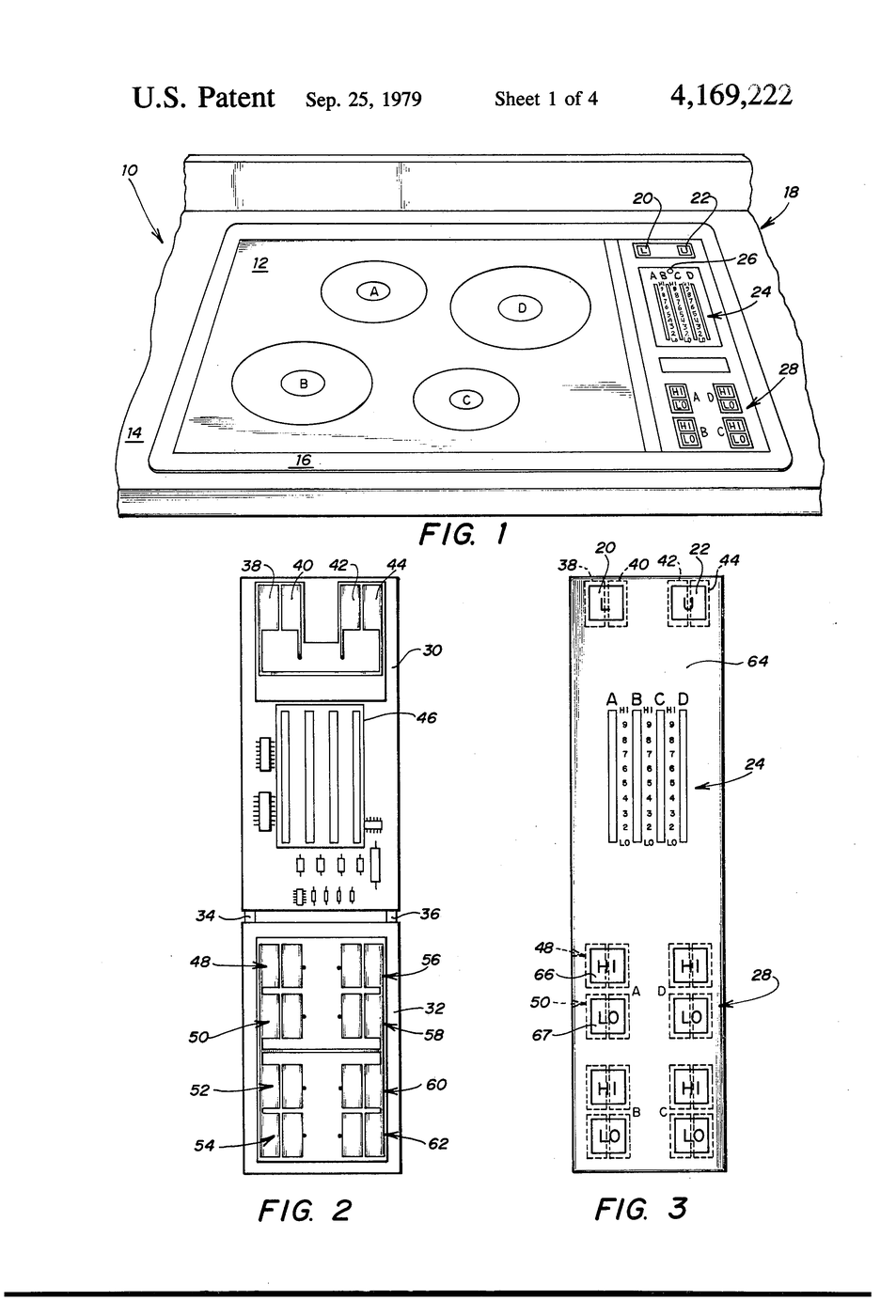
**US 4,169,222**, "Induction cook-top system and control", Raymond M. Tucker, assigned to Rangaire, filed 26. July 1977, granted 25. September 1979: mains rectified to DC, switched into induction heating coils under a non-metallic top, with the power set by the switching.
**A mains hob is never opened or built here.** You build a LOW-VOLTAGE induction heater from a 12–24 V module and measure which metals it can heat - which is exactly why some pans work on a hob and others do nothing.
Intermediate
3 hours
Instructions
1
1
Wind a work coil
Wind a work coil
Wind 6 turns of 10 AWG bare copper wire round a 60 mm former into a flat spiral, leaving 80 mm tails. Keep the turns evenly spaced and not touching.
Materials for this step:
 Bare Copper Wire 10 AWG1 meter
Tools needed:
 Pliers Set
 Steel Ruler
2
2
Power it safely
Power it safely
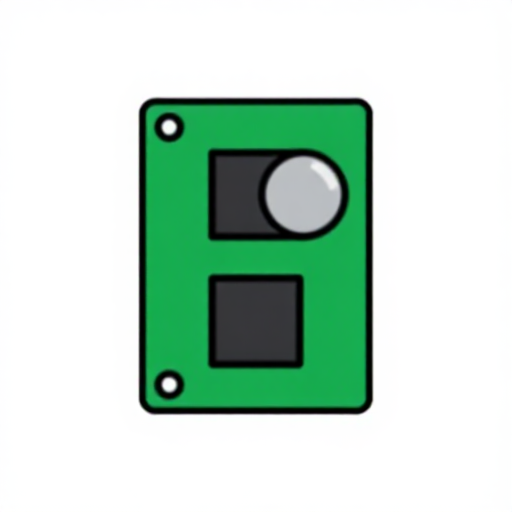
Bolt the coil to the ZVS module's terminals. Set the bench supply to 12 V with a 5 A limit; the module draws several amps and its transistors get hot. Never run it with no metal near the coil for more than a few seconds, and keep the supply under 24 V.
Materials for this step:
 ZVS Induction Heater Module1 piece
Tools needed:
 Adjustable Bench Power Supply
 Clear Safety Glasses
3
3
Cut six discs
Cut six discs
Cut 40 mm discs from mild steel, stainless (both a magnetic and a non-magnetic grade if you have them), aluminium and copper, all the same thickness. Deburr the edges. Try a magnet on each and note which hold it.
Materials for this step:
 Mild Steel Sheet1 piece
 Stainless Steel Sheet1 piece
 Aluminium Sheet1 piece
 Copper Sheet1 piece
 Neodymium Magnet Set1 set
Tools needed:
 Tin Snips
 Metal File
4
4
Sixty seconds each
Sixty seconds each
Rest each disc on a ceramic tile 5 mm above the coil, note its starting temperature, run for 60 seconds at the same supply setting, and read it again. Lift hot discs with pliers and gloves; let the module cool between runs.
Tools needed:
 Infrared Thermometer
 Stopwatch
 Welding GlovesPliers Set
5
5
The same test on a real hob
The same test on a real hob
If a commercial induction hob is to hand, put a cast-iron skillet on it, then an aluminium saucepan, and see which one it will even acknowledge. Then hold a magnet to each base.
Tools needed:
 Cast Iron Skillet
 SaucepanNeodymium Magnet Set
6
6
Skin depth and your results
Skin depth and your results
Loading Jupyter Notebook...
7
7
History & Context
History & Context
**What the patent specifies:** a cook-top with rectifier, gated semiconductor switches and induction heating coils beneath a non-metallic top, with the heat set by how the coils are switched. **Modern build (derived):** a low-voltage ZVS heater and metal discs.
Induction reached kitchens slowly because the electronics were dear; efficiency into the pan is high and the top stays cool enough not to burn spills on. Its limits: the pan must be magnetic (so much old aluminium and copper cookware is useless), the electronics whine, and a pan smaller than the coil couples poorly.
Materials
7- 1 meterPlaceholder
- 1 piecePlaceholder
- 1 piecePlaceholder
- 1 piecePlaceholder
- 1 piecePlaceholder
- 1 piecePlaceholder
- 1 setPlaceholder
Tools Required
12- Placeholder
- Placeholder
- Placeholder
- Placeholder
- Placeholder
- Placeholder
- Placeholder
- Placeholder
- Placeholder
- Placeholder
- Placeholder
- Placeholder
Related Blueprints
These blueprints share knowledge with this one — techniques, materials, or principles that connect them in the learning graph.

CC0 Public Domain
This blueprint is released under CC0. You are free to copy, modify, distribute, and use this work for any purpose, without asking permission.
Support the Maker by purchasing products through their Blueprint where they earn a Maker Commission set by Vendors, or create a new iteration of this Blueprint and include it as a connection in your own Blueprint to share revenue.