ART
BEAUTY & WELLNESS
CRAFT
CULTURE & HISTORY
ENTERTAINMENT
ENVIRONMENT
FOOD & DRINKS
REVERSE ENGINEERING
SCIENCES
SPORTS
TECHNOLOGY
WEARABLES
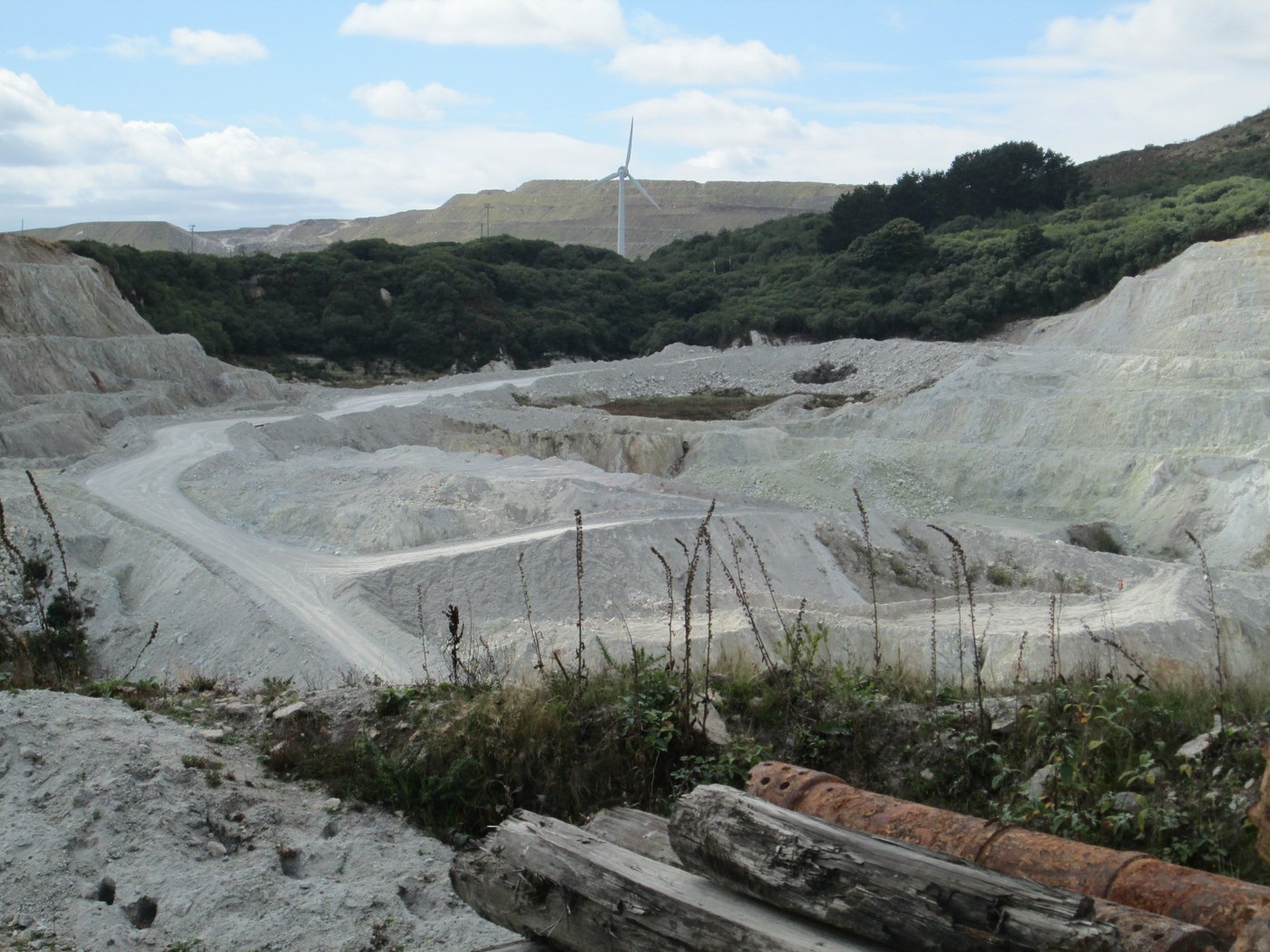


Kaolin: China Clay Washed Out of Decomposed Granite
Kaolin, china clay, is granite whose felspar has rotted to a soft white clay. Washed in water, the fine clay stays suspended while sand and mica sink. Andrew Ure (1839) describes the Sèvres way: stir it hard in a cask, let the grit settle a few minutes, run the milky clay off through a very fine sieve and let it settle in covered vats.
The picture: the white china clay pit at Wheal Martyn, Cornwall.
Beginner
A day's washing, a week drying
Instructions
1
1
Dig the rotted granite
Dig the rotted granite
Dig soft, white, crumbling granite where the felspar has turned to clay.
Materials for this step:
 China Clay Rock (Decomposed Granite)50 kg
Tools needed:
 Pickaxe
 Shovel
 Balance Scale
2
2
Stir it up in water
Stir it up in water
Put a charge in a barrel, run water in gradually and stir hard in every direction with a bar.
Materials for this step:
 Water100 liters
Tools needed:
 Wooden Barrel
 Stirring Rod
3
3
Settle the grit, run off the clay
Settle the grit, run off the clay
Let it stand a few minutes so sand and mica sink. Pour or draw the milky water off just above the grit, through a very fine sieve, into a covered vat.
Tools needed:
 Fine Mesh Sieve
 Vat
Vat4
4
Settle and siphon
Settle and siphon
Leave the vat until the clay has settled and the water is clear, then siphon the water off. Wash the grit again for more clay.
Tools needed:
 Siphon HoseVat
5
5
Dry and powder
Dry and powder
Spread the soft clay on plaster bats to stiffen, then dry it fully. Use it as a lump clay, or crush it fine and sift for kaolin powder. Store it dry.
Tools needed:
 Plaster Bat
 Mortar and PestleFine Mesh Sieve
 Glass Jar
6
6
Your yield
Your yield
Loading Jupyter Notebook...
This blueprint makes



CC0 Public Domain
This blueprint is released under CC0. You are free to copy, modify, distribute, and use this work for any purpose, without asking permission.
Support the Maker by purchasing products through their Blueprint where they earn a Maker Commission set by Vendors, or create a new iteration of this Blueprint and include it as a connection in your own Blueprint to share revenue.