ART
BEAUTY & WELLNESS
CRAFT
CULTURE & HISTORY
ENTERTAINMENT
ENVIRONMENT
FOOD & DRINKS
REVERSE ENGINEERING
SCIENCES
SPORTS
TECHNOLOGY
WEARABLES
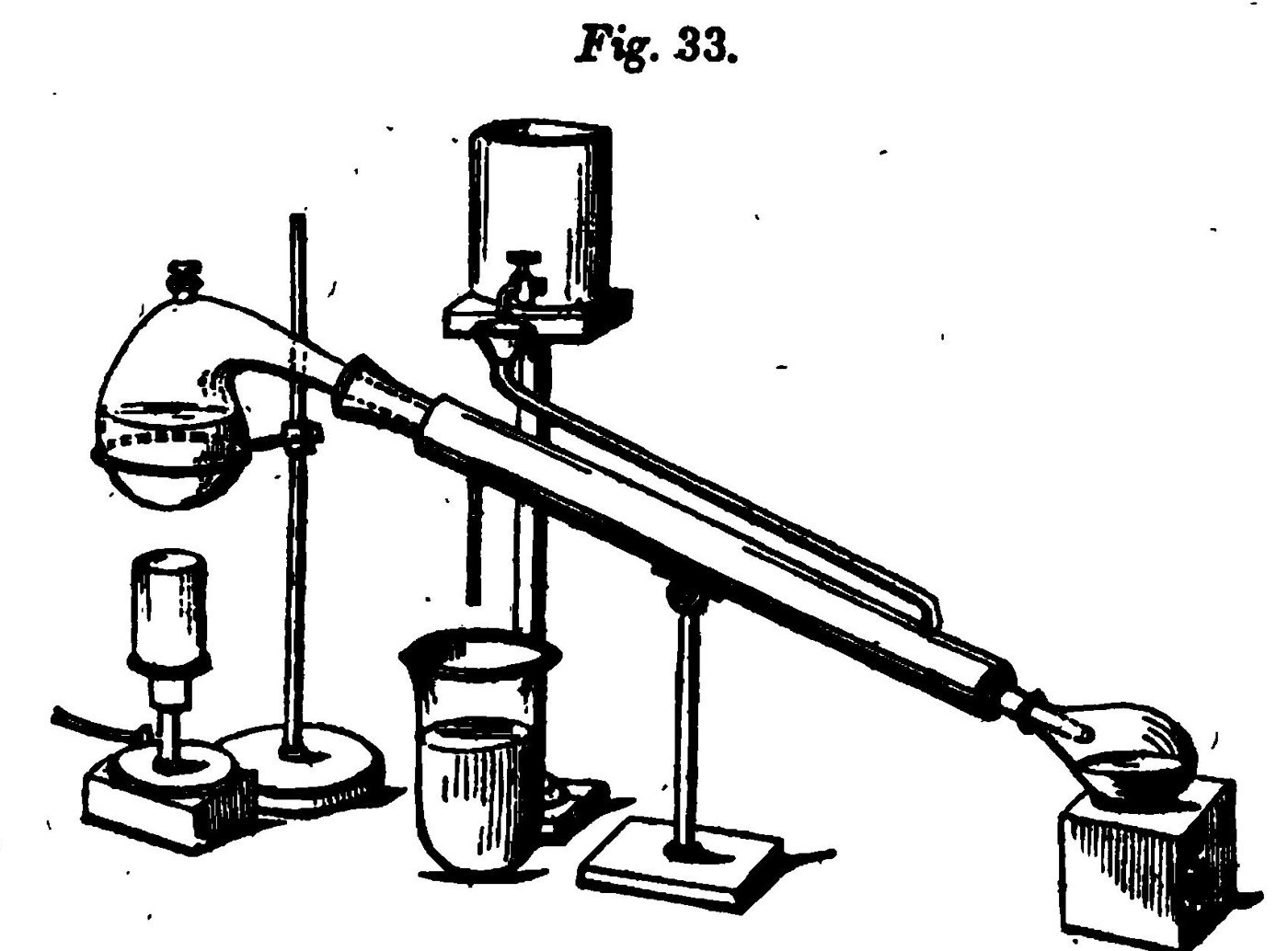


Water-Cooled Condenser: Liebig's Glass Tube Corked in a Metal Pipe (Fownes, 1847)
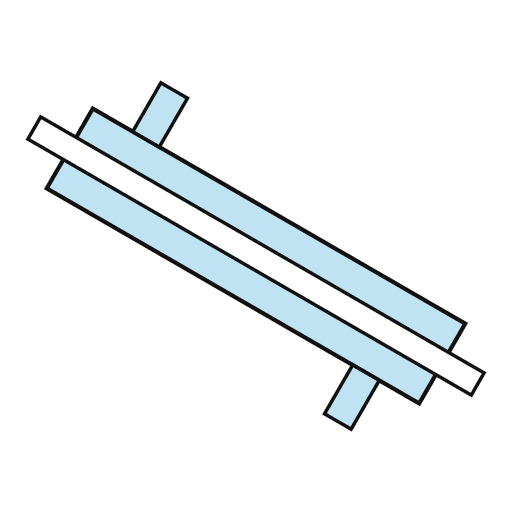
Liebig's condenser as Fownes described it in 1847: a glass tube, tapering from end to end, held by bored corks in the centre of a metal pipe, with tubes that let a current of cold water run through the pipe around it. Vapour from a retort passes down the glass tube, condenses and runs into the receiver.
With a few pieces of ice in the little cistern the water stays at 32 °F (0 °C), and even very volatile liquids condense.
Unknown: the metal of the pipe, the material of the water tubes and all sizes. Fownes does not give them.
Source: G. Fownes, Elementary Chemistry (1847), p. 46 and Fig. 33. Picture: Fig. 33.
Intermediate
Unknown
Instructions
1
1
Cork the glass tube into the pipe
Cork the glass tube into the pipe
Bore a cork for each end of the metal pipe. Pass the glass tube, which tapers from end to end, through both corks so that it is held in the centre of the pipe. Ours: the cork borer.
Materials for this step:
 Glass Tube1 tapering from end to end
 Unknown Metal1 the pipe
 Corks2 perforated
 Unknown Dimensions1 piece
Tools needed:
 Cork Borer
2
2
Fit the water tubes
Fit the water tubes
Provide the pipe with tubes so arranged that a current of cold water can circulate through it. As drawn in Fig. 33, the water comes from a little cistern with a cock, standing above the apparatus, down to the lower end of the pipe, and leaves at the upper end into a jar.
Materials for this step:
 Unknown Material1 water tubes and cistern
Tools needed:
Cork Borer3
3
Run the cold water
Run the cold water
While distilling, let cold water flow from the cistern through the pipe. For very volatile liquids put a few pieces of ice into the cistern: the water then stays at 32 °F (0 °C).
Tools needed:
 Water
 Crushed Ice
Materials
5- 1 tapering from end to endPlaceholder
- 1 the pipePlaceholder
- 2 perforatedPlaceholder
- 1 piecePlaceholder
- 1 water tubes and cisternPlaceholder
Connected Blueprint Materials

This blueprint makes
CC0 Public Domain
This blueprint is released under CC0. You are free to copy, modify, distribute, and use this work for any purpose, without asking permission.
Support the Maker by purchasing products through their Blueprint where they earn a Maker Commission set by Vendors, or create a new iteration of this Blueprint and include it as a connection in your own Blueprint to share revenue.