ART
BEAUTY & WELLNESS
CRAFT
CULTURE & HISTORY
ENTERTAINMENT
ENVIRONMENT
FOOD & DRINKS
REVERSE ENGINEERING
SCIENCES
SPORTS
TECHNOLOGY
WEARABLES


Liquid Castile Soap: Olive Oil Boiled with Caustic Potash
Potash makes a soft soap where soda makes a hard one, and soft soap dissolves easily, so an olive-oil potash soap thinned with water is liquid castile soap. The boiling follows the soft-soap practice Andrew Ure described in 1839: oil and caustic potash lye added by turns and boiled gently until the paste turns clear.
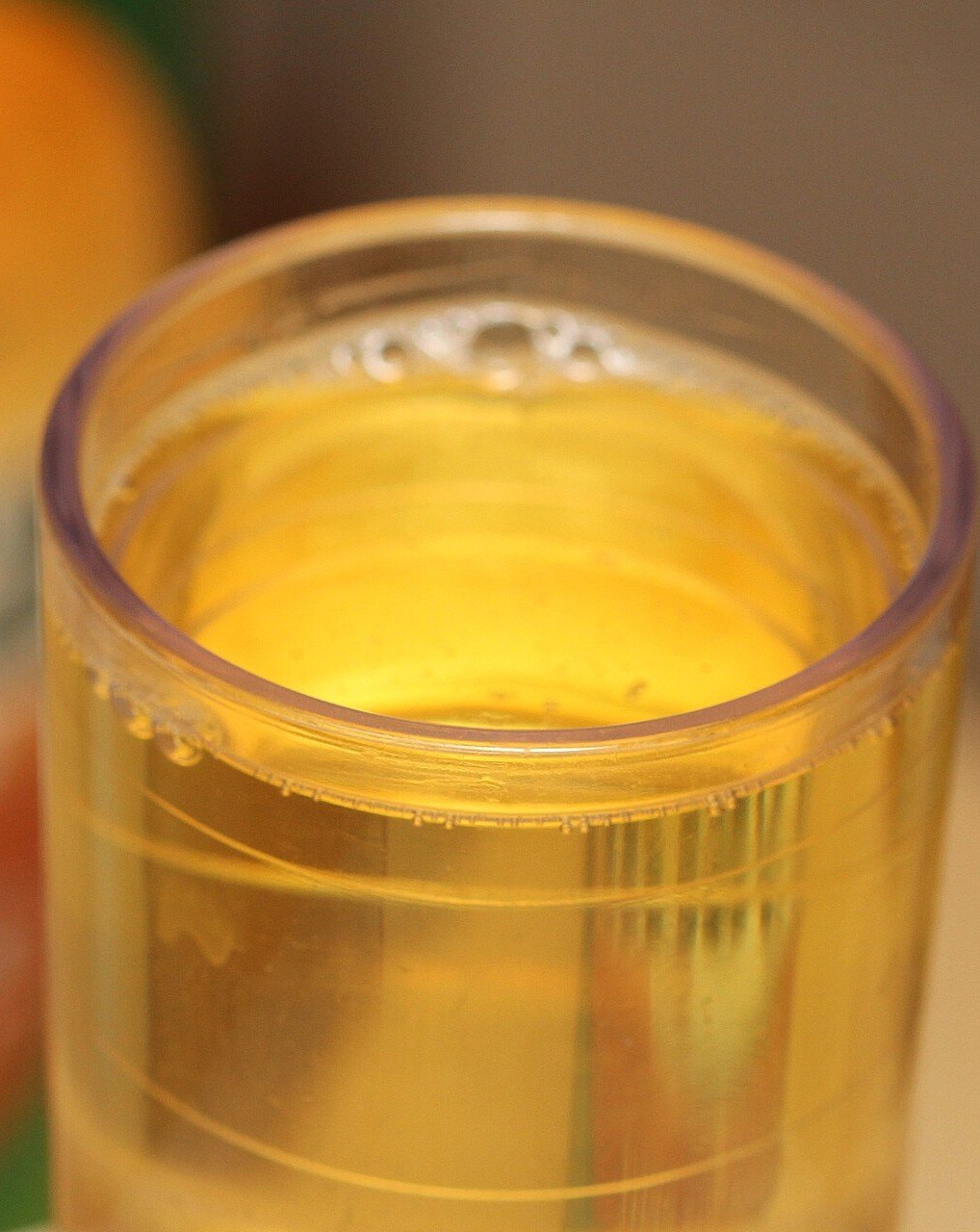
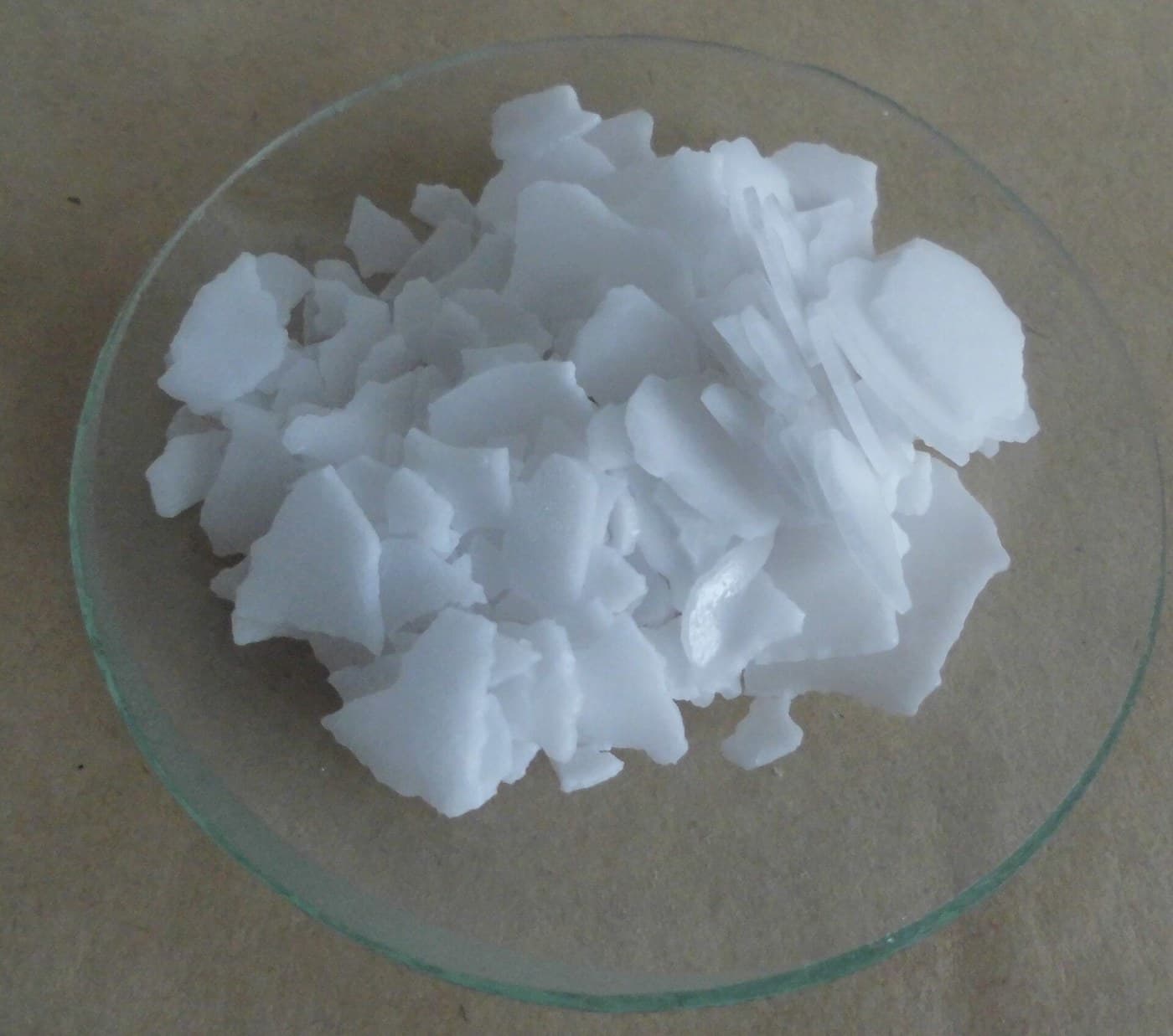
The picture: Norwegian green soap (grønnsåpe), another soft soap of fat and potash lye.
Intermediate
Half a day
Instructions
1
1
Make two lyes
Make two lyes
Dissolve caustic potash in water to make a weak lye (hydrometer 1.05) and a strong one (1.20). Add the potash to the water, not the water to the potash.
Materials for this step:
 Potassium Hydroxide190 g
 Water1 liter
Tools needed:
 Balance Scale
 Hydrometer
 Glass Beaker
 Chemical Splash Goggles
 Rubber Gloves
2
2
Oil and weak lye
Oil and weak lye
Heat part of the olive oil to nearly 100 °C, stir in some weak lye and bring it to the boil. Add more oil and weak lye by turns until all the oil is in.
Materials for this step:
 Olive Oil1 kg
Tools needed:
 Iron Kettle
 Hot Plate
 Wooden SpoonChemical Splash GogglesRubber Gloves
3
3
Boil gently with strong lye
Boil gently with strong lye
Keep it at the gentlest boil, adding a little strong lye now and then. The froth settles, the paste turns clear and thickens.
Tools needed:
Iron KettleHot PlateWooden SpoonChemical Splash GogglesRubber Gloves4
4
Test on a glass plate
Test on a glass plate
Cool a dab on a sheet of glass. It is done when it is clear, not milky, and a thin opaque ring forms round its edge (Ure: the soap has its "strength"). Then take it off the heat.
Tools needed:
 Glass SheetWooden Spoon
5
5
Thin it with water
Thin it with water
Dissolve the soft soap paste in hot water, about three parts water to one of paste (our choice; add less for a thicker soap), and bottle it.
Materials for this step:
Water3 litersTools needed:
Iron KettleHot Plate Pump Bottle (PET)
6
6
Potash for the oil
Potash for the oil
Loading Jupyter Notebook...
7
7
Limits
Limits
The boiling and the glass-plate test are Ure's; the quantities, the hot plate and the dilution are ours. Caustic potash lye burns skin and eyes.
Materials
3- 190 gPlaceholder
- 4 litersPlaceholder
- 1 kgPlaceholder
This blueprint makes
Related Blueprints
These blueprints share knowledge with this one — techniques, materials, or principles that connect them in the learning graph.

CC0 Public Domain
This blueprint is released under CC0. You are free to copy, modify, distribute, and use this work for any purpose, without asking permission.
Support the Maker by purchasing products through their Blueprint where they earn a Maker Commission set by Vendors, or create a new iteration of this Blueprint and include it as a connection in your own Blueprint to share revenue.