ART
BEAUTY & WELLNESS
CRAFT
CULTURE & HISTORY
ENTERTAINMENT
ENVIRONMENT
FOOD & DRINKS
REVERSE ENGINEERING
SCIENCES
SPORTS
TECHNOLOGY
WEARABLES
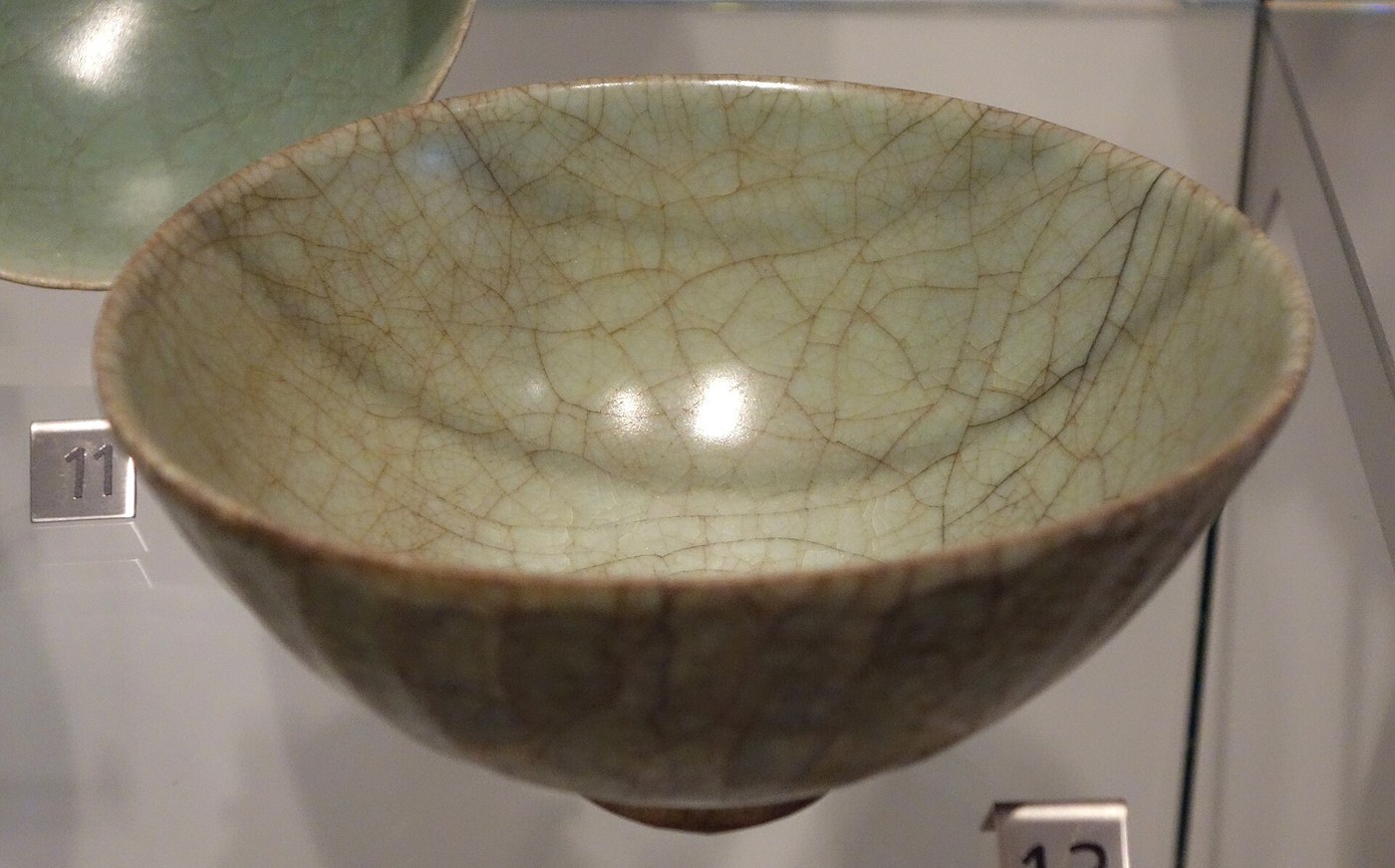
Longquan Celadon Bowls: Glaze of Glaze Stone, Husk-and-Lime Ash and Zijin Clay, Reduction Fired
Clay

Created by

Clay

1. November 2026DK
4
0
0
0
0

Longquan Celadon Bowls: Glaze of Glaze Stone, Husk-and-Lime Ash and Zijin Clay, Reduction Fired

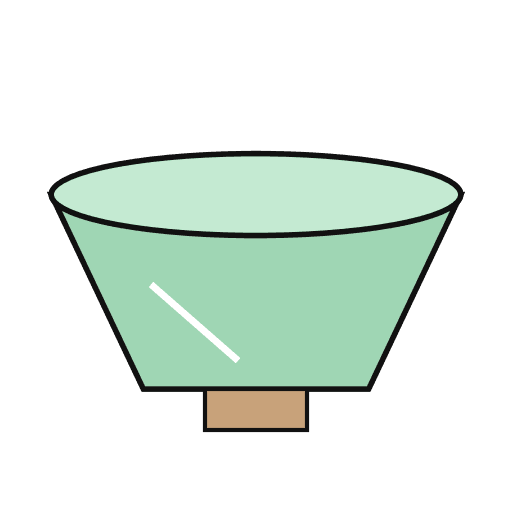
Longquan celadon, made in Longquan, China, since the 10th century, is a thick jade-green glaze over a bisque-fired body. The glaze is three powders washed out of local materials: glaze stone, the ash of rice husk burnt together with limestone, and iron-rich Zijin clay. Fired in reduction between 900 and 1230 °C, the iron in the glaze turns blue-green. Result: thick-glazed, jade-green celadon bowls. Source: the video 'Longquan celadon' by Shanbai (2025), checked frame by frame against its captions. Not given: amounts, the glaze proportion, ageing times, how iron is taken out, firing times. Unknown: the clay body of the bowls; the video does not show it. Photo: Southern Song Longquan bowl, Royal Ontario Museum, by Daderot (CC0).
Advanced
several weeks

Instructions

1

Watch: Longquan celadon from stone to bowl

The whole process in eight minutes, by Shanbai: preparing the three glaze materials, throwing and bisque firing the bowls, glazing, and the reduction firing.
2

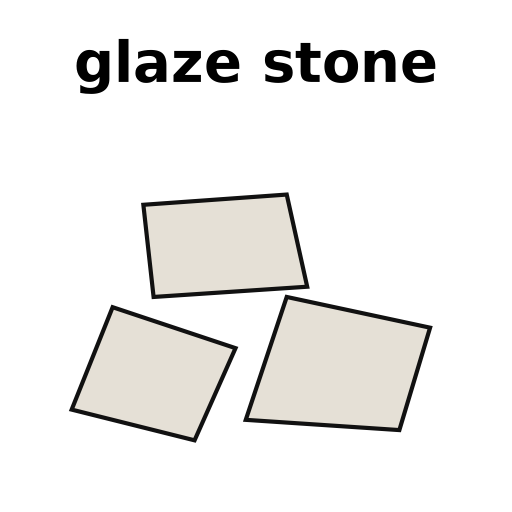
Pound the glaze stone

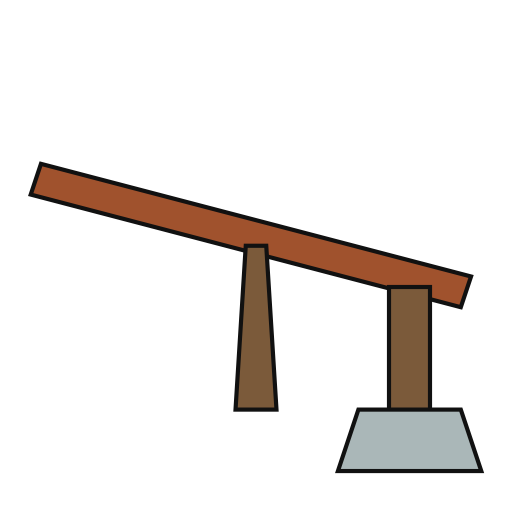
Crush the glaze stone in a stone mortar with a foot-trodden pestle.

Materials for this step:

Glaze StoneGlaze Stone1 as required

Tools needed:

Foot-Operated PestleFoot-Operated Pestle
3

Sieve and settle the stone

Sieve the crushed stone and pound the coarse bits again. Stir the fine stone into water in a vat, sieve off the fine particles suspended in the water into another vat, and let them settle.

Tools needed:

Sieve Set (Graded Mesh)Sieve Set (Graded Mesh)
WaterWater
Ceramic Storage Jar with LidCeramic Storage Jar with Lid
LadleLadle
4

Burn rice husk with limestone

In a brick-edged bed outdoors, lay rice husk and limestone in alternate layers and burn them. Turn the materials several times during the firing so the husk burns completely.

Materials for this step:

Rice HuskRice Husk1 as required
Limestone BlockLimestone Block1 as required

Tools needed:
BrickBrick
ShovelShovel
5

Sieve and wash the ash

Sieve the ash into a vat. Add water and ladle it through a fine sieve into a fresh vat. While this 'black glaze' settles, change the water and wash it several times.

Tools needed:

Sieve Set (Graded Mesh)Sieve Set (Graded Mesh)
Ceramic Storage Jar with LidCeramic Storage Jar with Lid
WaterWater
LadleLadle
6

Mill and settle the Zijin clay

Grind the dry Zijin clay to powder in a stone hand mill. Mix it well with water, sieve it into a fresh vat and let the fine particles settle.

Materials for this step:

Zijin ClayZijin Clay1 as required

Tools needed:

Stone Hand MillStone Hand Mill
WaterWater
Sieve Set (Graded Mesh)Sieve Set (Graded Mesh)
Ceramic Storage Jar with LidCeramic Storage Jar with Lid
7

Dewater in bags, then age

Drain the water off each of the three vats without stirring up the settled powder. Scoop each paste into a cloth bag, lay the bags on a board and press them under a millstone. When they are dewatered to a certain degree, let them age for a while. Not given: how long. Ours: linen bags (as in the transcript).

Tools needed:

LadleLadle
Linen BagLinen Bag
Quern StoneQuern Stone
8

Throw the bowls

Throw the bowls on the wheel and let them air-dry in the shade. Unknown: the clay body; the video does not show what it is or how it is made.

Materials for this step:

Unknown Clay BodyUnknown Clay Body1 as required

Tools needed:
Potter's WheelPotter's Wheel
9

Trim and stamp

Set each dry bowl upside down on a chuck on the wheel, trim the outside and the foot smooth, and stamp your mark in the foot.

Tools needed:

Potter's WheelPotter's Wheel
Trimming ToolsTrimming Tools
Pottery StampPottery Stamp
10

Bisque fire at about 800 °C

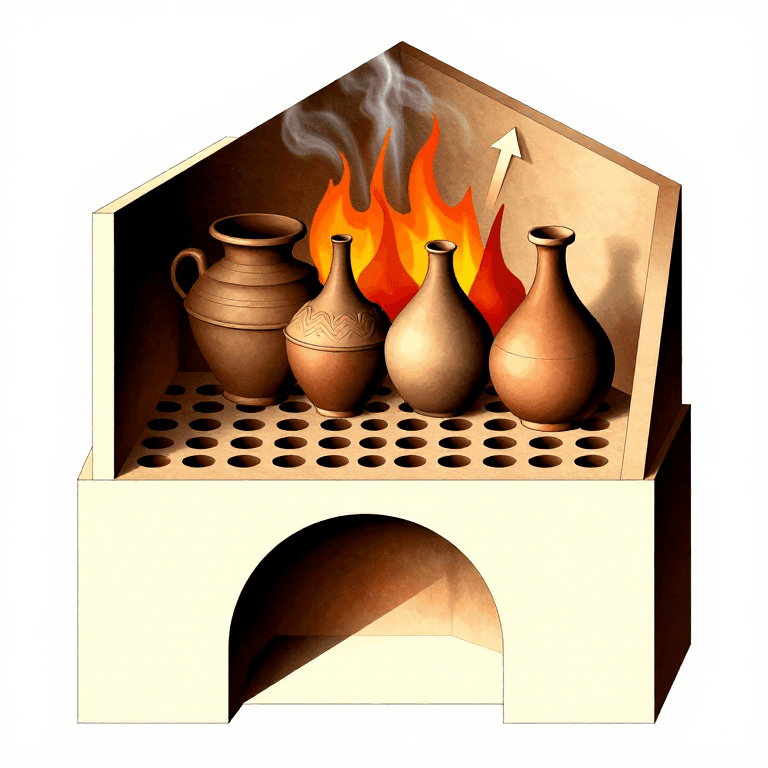
Stack the bowls in the kiln, brick up the door and seal it with mud, and fire with wood to about 800 °C. The bisque firing makes the body stronger and more absorbent, so the glaze takes better.

Tools needed:

KilnKiln
BrickBrick
FirewoodFirewood
PyrometerPyrometer
11

Make the glaze

Mix the burnt husk-and-lime ash, the glaze stone and the Zijin clay in proportion, add about an equal amount of water, stir and grind fine. Sieve it, take out the iron, and let the glaze age in the glaze vat. Not given: the proportion, how the iron is removed, how long it ages. Rice husk ash, glaze stone and Zijin clay give the silica, feldspar and kaolin; Zijin clay's iron is the colourant; lime and the potash and soda of feldspar lower the melting point.

Tools needed:

Stone Mortar and PestleStone Mortar and Pestle
WaterWater
Sieve Set (Graded Mesh)Sieve Set (Graded Mesh)
Ceramic Storage Jar with LidCeramic Storage Jar with Lid
12

Dip the bowls

Hold each bisque bowl with wire tongs and dip it into the glaze. Let it air-dry.

Tools needed:

Glaze Dipping TongsGlaze Dipping Tongs
Ceramic Storage Jar with LidCeramic Storage Jar with Lid
13

Spray on more glaze

Set the bowl upside down on a chuck on the wheel and spray glaze evenly over the outside with a mouth-blown sprayer. Repeated bisque firings, dipping and thin spray coats build a thick glaze; Longquan celadon is a lime-alkali glaze that stays put at high temperature. Scrape the glaze off the foot with a knife.

Tools needed:

Potter's WheelPotter's Wheel
Mouth-Blown Glaze SprayerMouth-Blown Glaze Sprayer
KnifeKnife
14

Reduction fire in saggars

Set the bowls in saggars, stack them in the kiln and seal the door. Between 900 °C and 1230 °C, feed fuel often, and when combustion is insufficient fire in reduction: the iron in the glaze gives up oxygen, and the mix of divalent and trivalent iron turns the glaze blue-green. Not given: how long the firing takes.

Tools needed:

SaggerSagger
KilnKiln
BrickBrick
FirewoodFirewood
PyrometerPyrometer

Materials

5

Tools Required

21

Related Blueprints

These blueprints share knowledge with this one — techniques, materials, or principles that connect them in the learning graph.
CC0 Public Domain

This blueprint is released under CC0. You are free to copy, modify, distribute, and use this work for any purpose, without asking permission.

Support the Maker by purchasing products through their Blueprint where they earn a Maker Commission set by Vendors, or create a new iteration of this Blueprint and include it as a connection in your own Blueprint to share revenue.

Discussion

(0)

Log in to join the discussion

Loading comments...