ART
BEAUTY & WELLNESS
CRAFT
CULTURE & HISTORY
ENTERTAINMENT
ENVIRONMENT
FOOD & DRINKS
REVERSE ENGINEERING
SCIENCES
SPORTS
TECHNOLOGY
WEARABLES
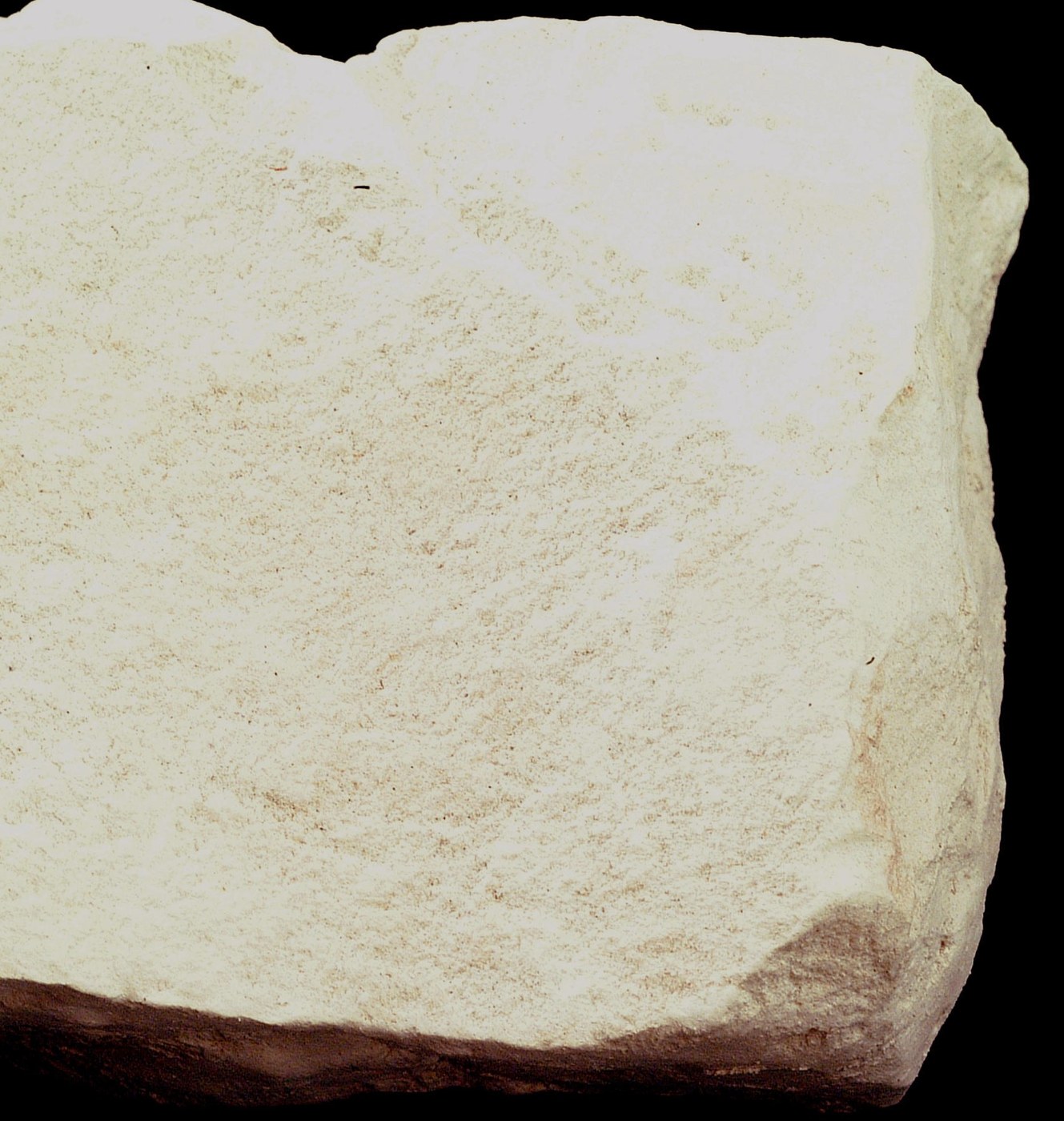


Marking Chalk Sawn from Natural Chalk
Natural chalk is a soft, white, nearly pure calcite rock. It marks because it crumbles and leaves loose particles on rough surfaces, which wipe away again. Saw a clean lump into square sticks, round the ends and let them dry.
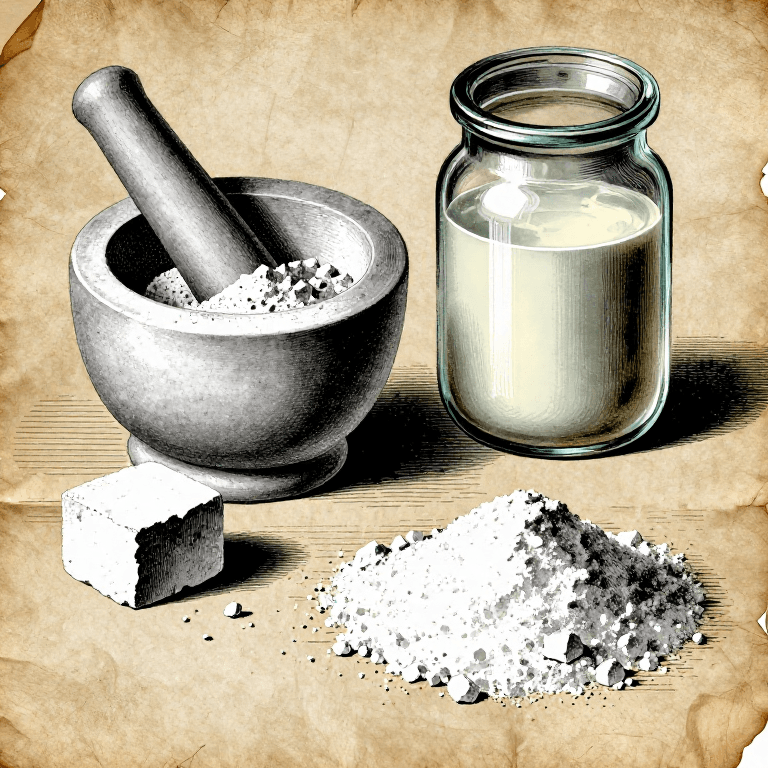
The picture: a block of chalk from the White Cliffs of Dover.
Beginner
An afternoon, then drying
Instructions
1
1
Pick and square a lump
Pick and square a lump
Choose white chalk without hard nodules or grit, which would scratch. Saw the lump square on a bench hook.
Materials for this step:
 Natural Chalk (Raw Lumps)1 kg
Tools needed:
 Small Hand Saw
 Bench Hook
 Dust Mask
2
2
Saw the sticks
Saw the sticks
Saw the block into slabs, then the slabs into sticks about 12 mm square and 80 mm long (our size). Chalk is soft; let the saw do the work.
Tools needed:
Small Hand SawBench HookDust Mask3
3
Shape the ends
Shape the ends
Round or point one end of each stick with a rasp or knife, for a fine line.
Tools needed:
 Rasp
Rasp Knife
Knife4
4
Dry
Dry
Quarried chalk holds water. Leave the sticks on a rack in a dry, airy place until they no longer feel cool and damp (our check).
Tools needed:
 Drying Rack
5
5
Sticks from a lump
Sticks from a lump
Loading Jupyter Notebook...
Materials
1- Placeholder
This blueprint makes

Related Blueprints
These blueprints share knowledge with this one — techniques, materials, or principles that connect them in the learning graph.

CC0 Public Domain
This blueprint is released under CC0. You are free to copy, modify, distribute, and use this work for any purpose, without asking permission.
Support the Maker by purchasing products through their Blueprint where they earn a Maker Commission set by Vendors, or create a new iteration of this Blueprint and include it as a connection in your own Blueprint to share revenue.