Collaboration
ART
BEAUTY & WELLNESS
CRAFT
CULTURE & HISTORY
ENTERTAINMENT
ENVIRONMENT
FOOD & DRINKS
REVERSE ENGINEERING
SCIENCES
SPORTS
TECHNOLOGY
WEARABLES

Wound Remedies of the Missouri River Tribes: Puffball Styptic, Chewed Hop Root and Four-o'clock, Butterfly Weed, Prickly Pear Dressing, Aniseroot Poultice (Gilmore, 1919)
Wound remedies Melvin Gilmore recorded on the Missouri: puffballs kept to stop bleeding (Dakota, Pawnee, Ponca, Omaha), the chewed deep root of wild hops, four-o'clock root chewed and blown into wounds (Ponca), red false mallow salve (Dakota), peeled prickly pear stems bound on as a dressing, an aniseroot poultice (Winnebago) and the Omaha Shell Society's butterfly weed root. Recorded use, not medical advice.
Beginner
An hour
Instructions
1
1
Read Gilmore
Read Gilmore
Wound remedies from Gilmore's list of plants, credited to the tribes he names. Recorded use, not medical advice: deep, dirty or bleeding wounds need a doctor and a tetanus check (ours).
2
2
Puffball to stop bleeding
Puffball to stop bleeding
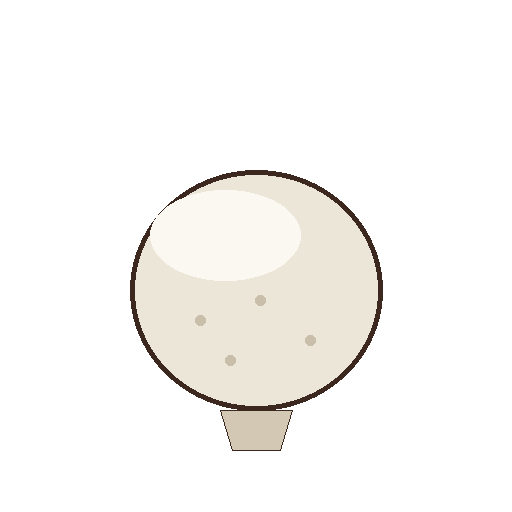
Gather prairie puffballs and keep them dry; they were used "as a styptic for any wounds" by the Dakota, Ponca and Omaha. The Pawnee name, "old", is for the ripe stage used as a styptic. They were also put on the navel of newborn babies (history only, ours: never on a baby's navel).
Materials for this step:
 Puffball1 piece
Tools needed:
 Leather Pouch
3
3
Chewed roots
Chewed roots
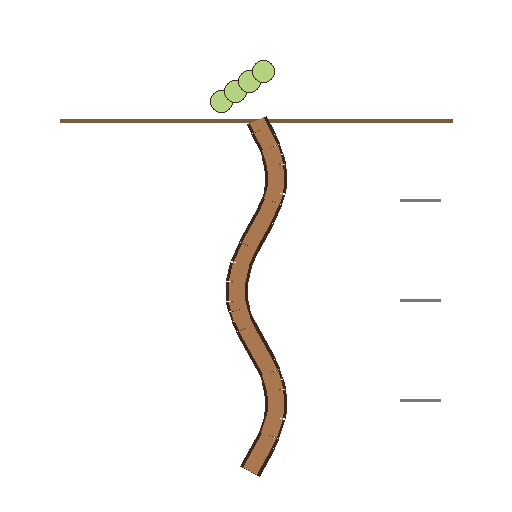
Wild hops: the part of the root 3 or 4 feet (0.9-1.2 m) down, called "sweet medicine", "was chewed and applied to wounds". Ponca: four-o'clock root was "chewed and blown into" wounds. Dakota: red false mallow was chewed and put on inflamed sores and wounds "as a cooling and healing salve."
Materials for this step:
 Wild Hop Root1 piece
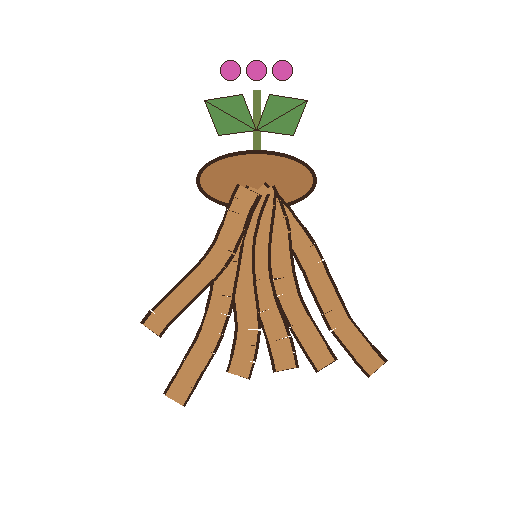 Umbrella-Plant Root1 piece
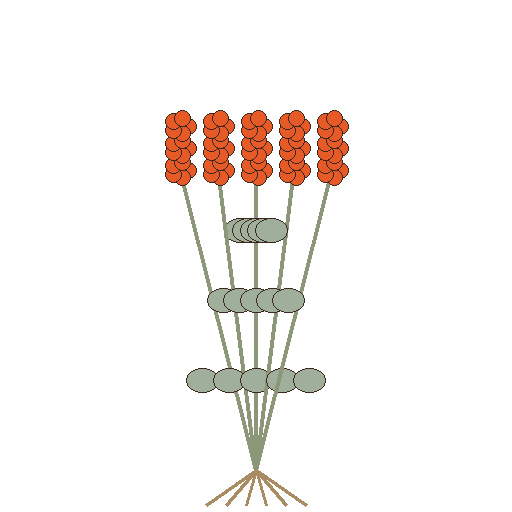 Red False Mallow Plant1 piece
Tools needed:
 Digging Stick
 Knife
4
4
Prickly pear dressing
Prickly pear dressing
Peel the stems; because of their slimy juice "the peeled stems were bound on wounds as a dressing."
Materials for this step:
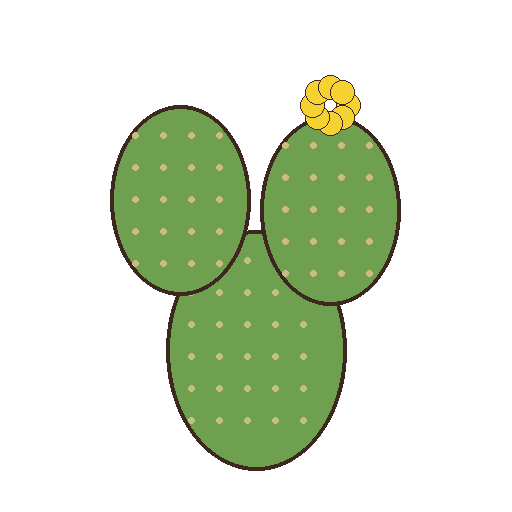 Prickly Pear Stems1 piece
Tools needed:
Knife Cordage
5
5
Aniseroot poultice
Aniseroot poultice
Winnebago: pound the roots to make a poultice for wounds (the Omaha put it on boils).
Materials for this step:
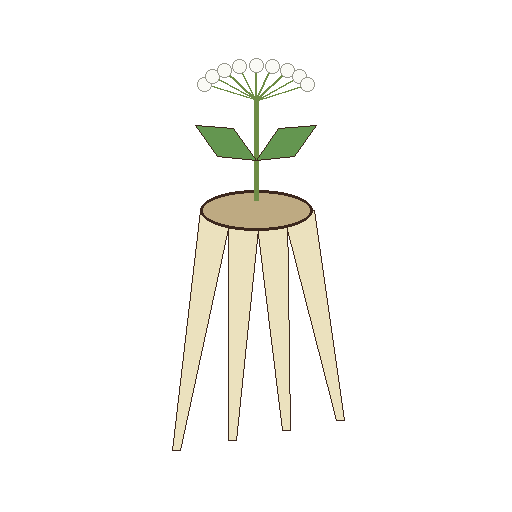 Aniseroot1 piece
 Water1 piece
Tools needed:
Digging Stick Stone Mortar and Pestle
6
6
Butterfly weed: wound medicine
Butterfly weed: wound medicine
Omaha-Ponca "raw medicine" or "wound medicine": the root "was also chewed and put into wounds, or pulverized when dry and blown into wounds", and used for old, obstinate sores. Among the Omaha it belonged to the Shell Society, whose keeper dug and gave it out with four days of ceremony.
Materials for this step:
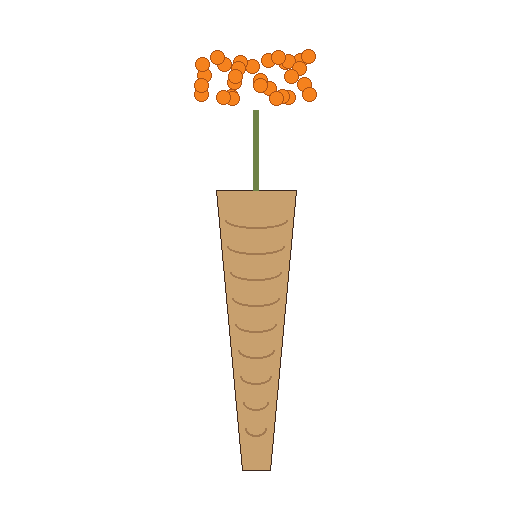 Butterfly Weed Root1 piece
Tools needed:
Digging StickStone Mortar and PestleLeather Pouch7
7
Troubleshooting
Troubleshooting
Wound safety.
Flow
Loading...
8
8
History and honest limits
History and honest limits
From Melvin R. Gilmore, *Uses of Plants by the Indians of the Missouri River Region*, **33rd Annual Report of the Bureau of American Ethnology** (1919), pp. 62, 77, 78, 82, 103, 104, 107, 109 and 113 (checked on the archive.org scan usesofplantsbyin00gilm). Gilmore wrote down what Omaha, Ponca, Pawnee, Dakota, Winnebago and Oto people told him; each remedy is credited to the tribe he names. Gilmore also names anemone root ("little buffalo medicine", used for wounds by those of the Omaha Te-sinde gens who had the right) and prairie ground cherry root as wound dressings, but gives no preparation; anemone is an irritant. Left out: eating butterfly weed root raw for the lungs (milkweeds hold heart poisons). Safety lines are ours. Recorded use, not medical advice.
Materials
8- 1 piecePlaceholder
- 1 piecePlaceholder
- 1 piecePlaceholder
- 1 piecePlaceholder
- 1 piecePlaceholder
- 1 piecePlaceholder
- 1 piecePlaceholder
- 1 piecePlaceholder
This blueprint makes
Related Blueprints
These blueprints share knowledge with this one — techniques, materials, or principles that connect them in the learning graph.
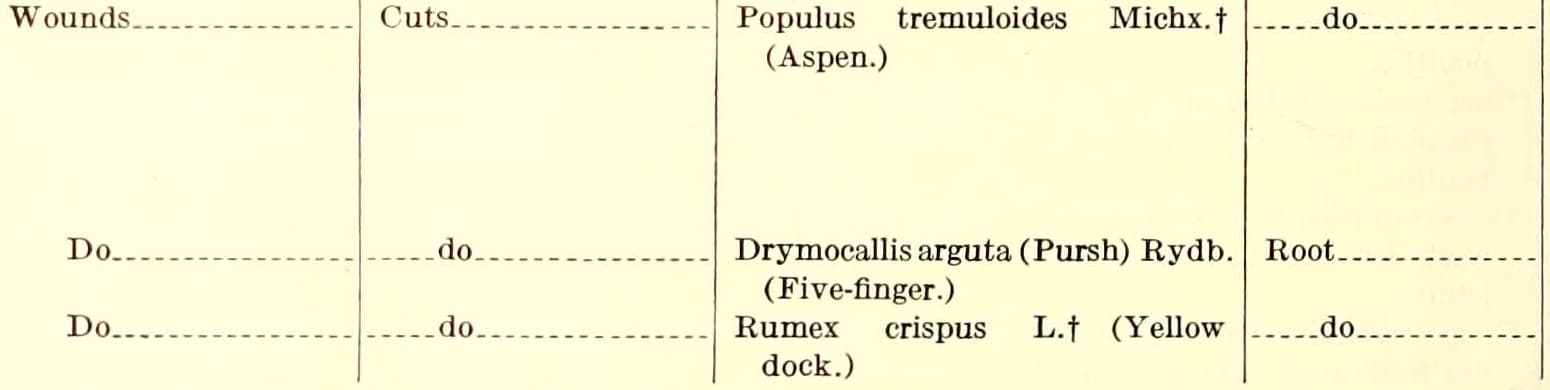
Chippewa Remedies for Cuts: Chewed Aspen Bark on a Closed Cut, Five-Finger and Yellow Dock Root (Densmore, 1928)
by Bob
Medicine
0
0
0
0
0
0
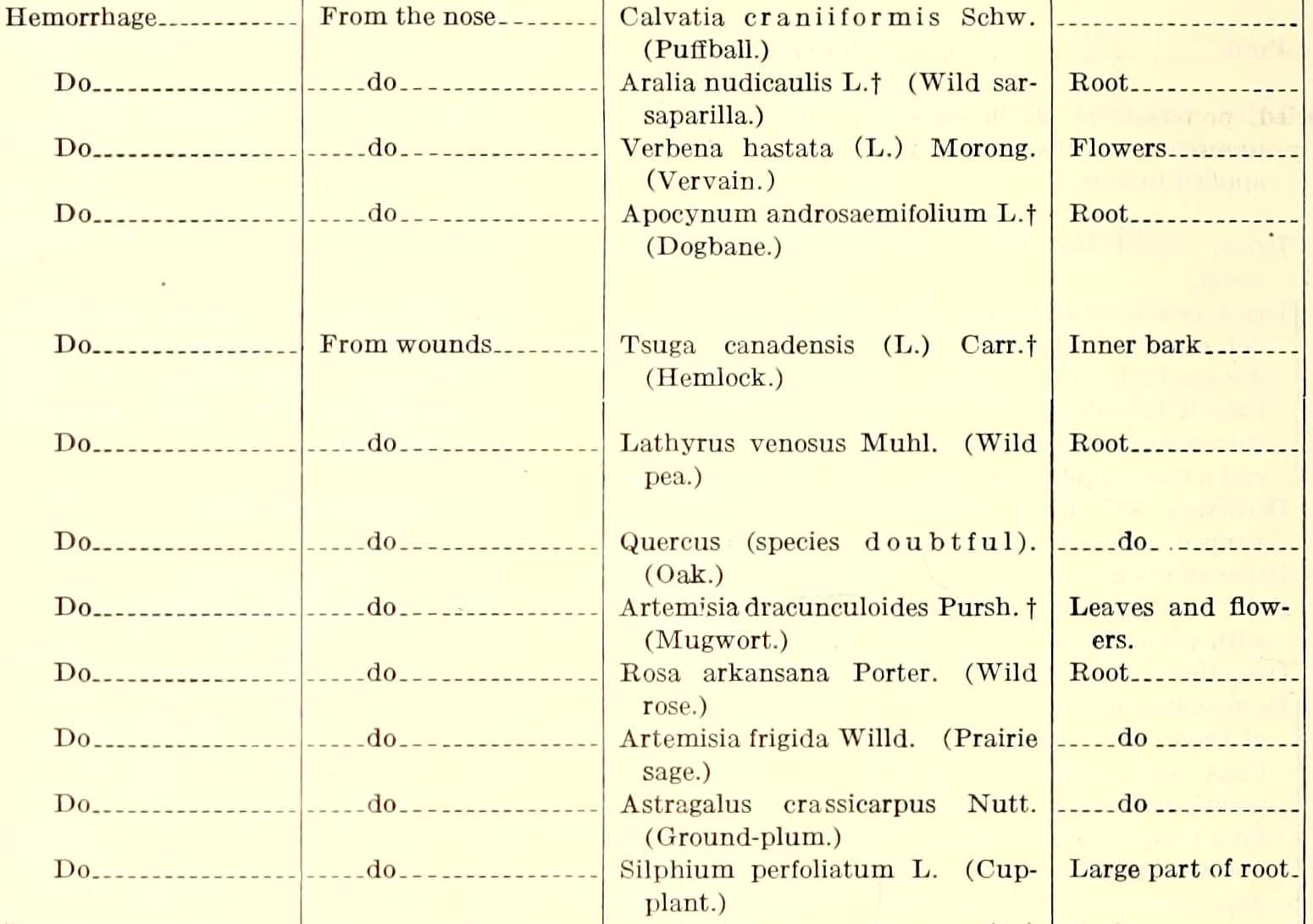
Chippewa Remedies to Stop Bleeding from the Nose and from Wounds: Puffball, Sarsaparilla, Vervain, Hemlock Bark, Wild Pea, Oak, Mugwort, Cup Plant (Densmore, 1928)
by Bob
Medicine
0
0
0
0
0
0
CC0 Public Domain
This blueprint is released under CC0. You are free to copy, modify, distribute, and use this work for any purpose, without asking permission.
Support the Maker by purchasing products through their Blueprint where they earn a Maker Commission set by Vendors, or create a new iteration of this Blueprint and include it as a connection in your own Blueprint to share revenue.