ART
BEAUTY & WELLNESS
CRAFT
CULTURE & HISTORY
ENTERTAINMENT
ENVIRONMENT
FOOD & DRINKS
REVERSE ENGINEERING
SCIENCES
SPORTS
TECHNOLOGY
WEARABLES
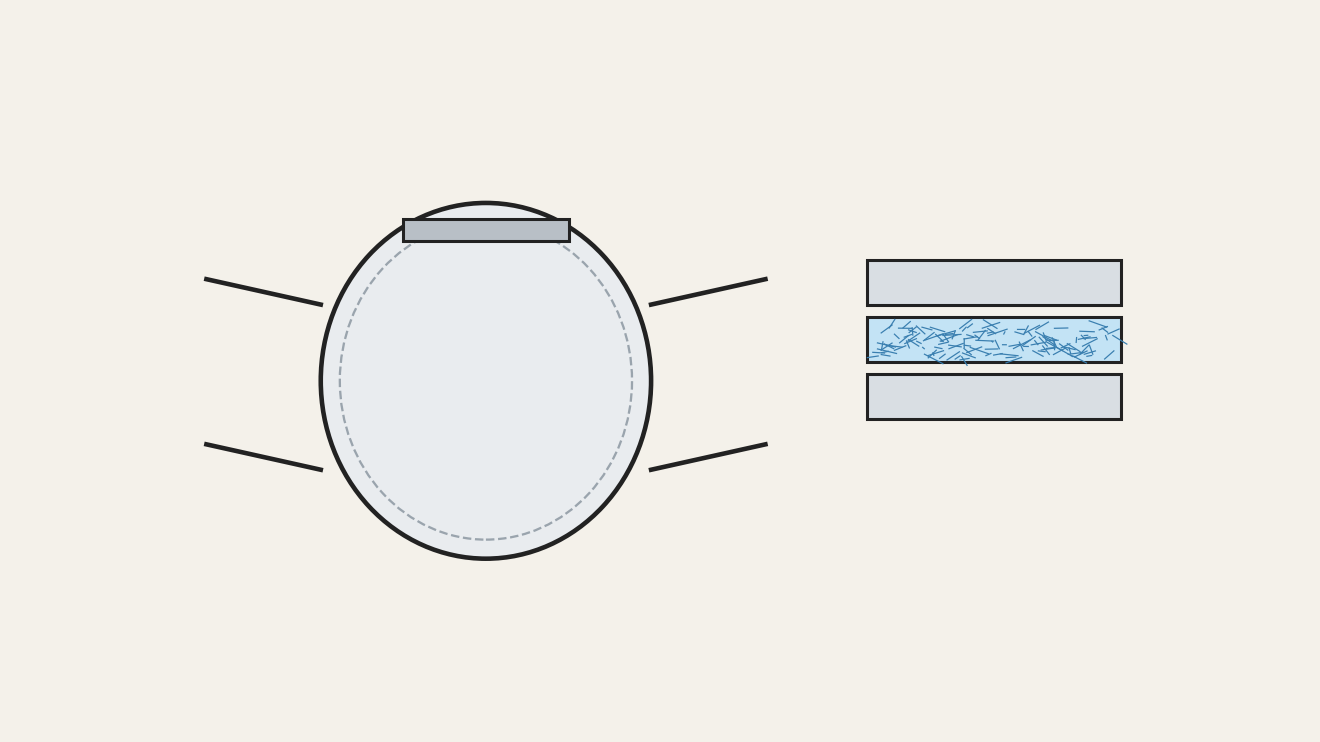


N95 Respirator: Melt-Blown, Charged and Welded
The filter of an N95 respirator is nonwoven polypropylene made by melt blowing: molten polymer is pushed through a spinneret and jets of hot air stretch it into very fine fibres that land on a moving belt as a web. The fibres carry an electric charge, an electret, which helps them catch particles; charges can be put on such materials by corona discharge. Typical filter layers weigh 10–100 g per square metre. The filter is layered between cover webs, cut and ultrasonically welded; an aluminium strip is sealed in at the top as a nose clip, and the straps are stapled on.
Advanced
Factory process
Instructions
1
1
Melt-blow the filter
Melt-blow the filter
Melt polypropylene, extrude it through a spinneret and stretch it into fine fibres with hot air onto a moving belt.
Materials for this step:
 Polypropylene Pellets1 kg
Tools needed:
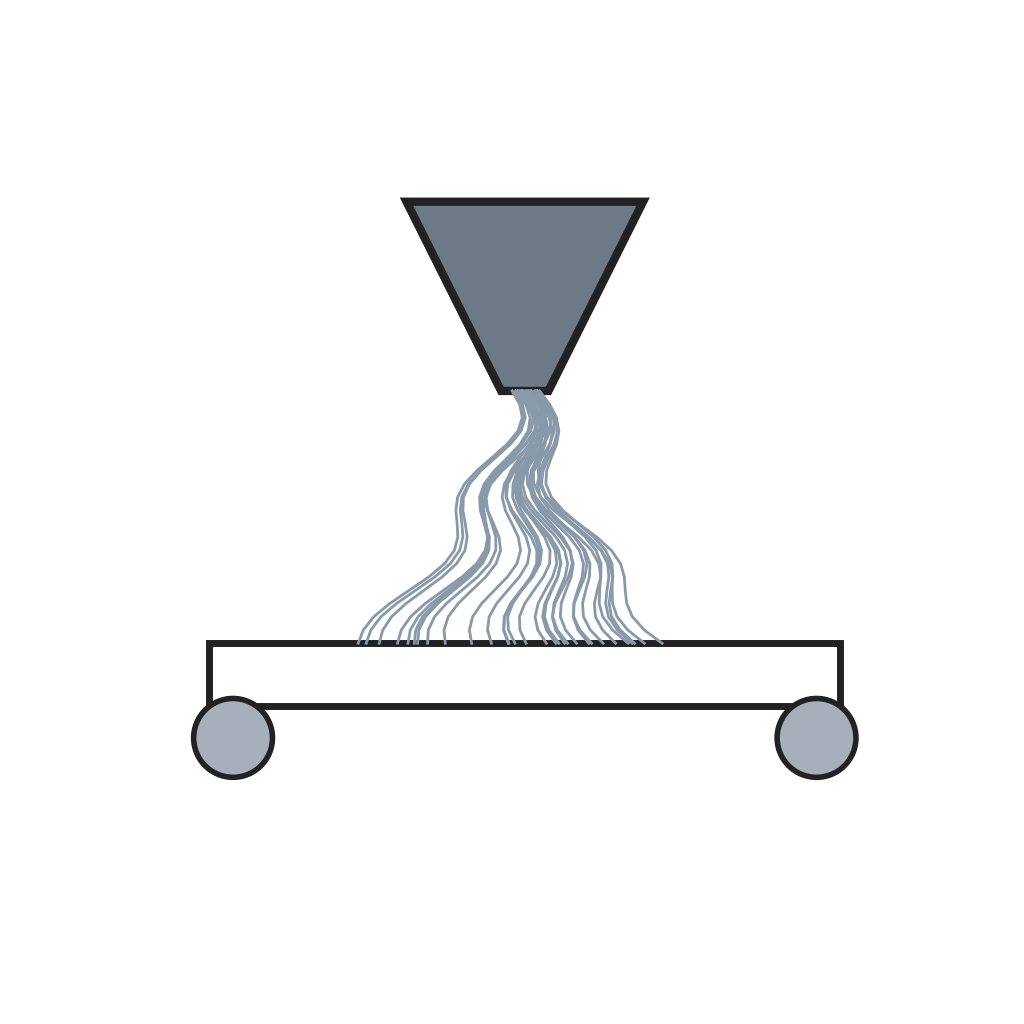 Melt-Blowing Line
2
2
Charge
Charge
Give the filter web an electret charge.
Tools needed:
 Corona Charging Unit
3
3
Layer and weld
Layer and weld
Ply the filter between the cover webs in order, cut the stack and weld it ultrasonically.
Materials for this step:
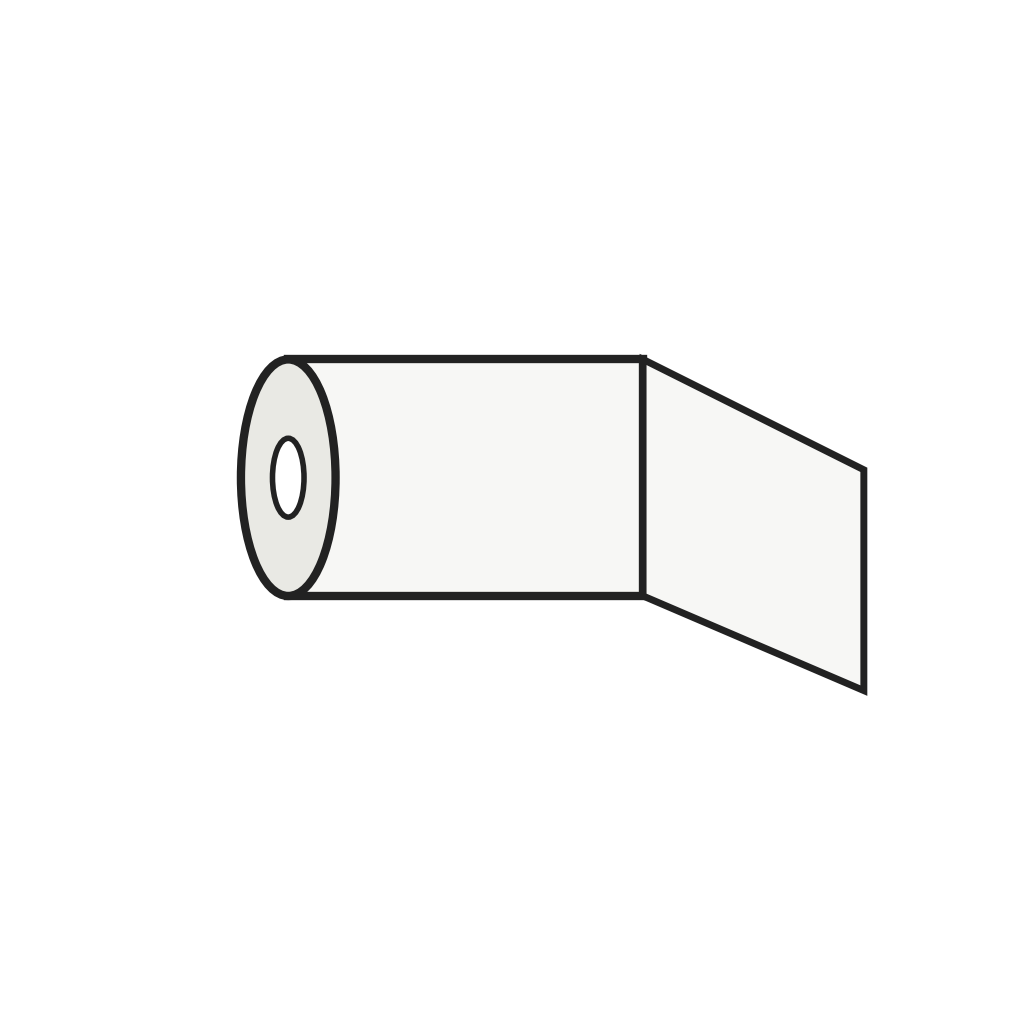 Nonwoven Cover Web1 piece
Tools needed:
 Ultrasonic Plastic Welder
4
4
Nose clip and straps
Nose clip and straps
Seal a soft aluminium strip in along the top as the nose clip, and staple on the straps.
Materials for this step:
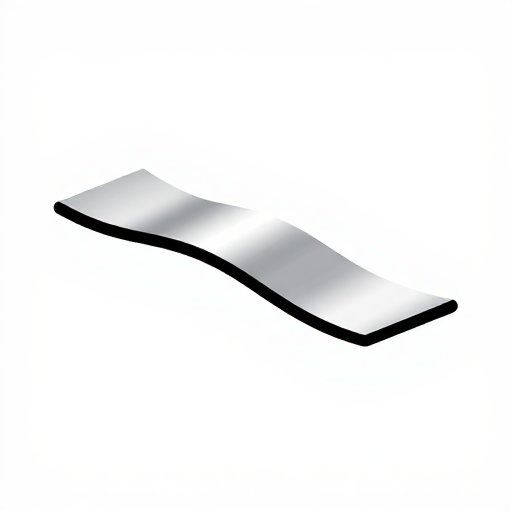 Aluminium Nose Clip Strip1 piece
 Elastic Cord0.6 m
Materials
4- Placeholder
- 1 piecePlaceholder
- 1 piecePlaceholder
- 0.6 mPlaceholder
Tools Required
3- Placeholder
- Placeholder
- Placeholder
This blueprint makes
Related Blueprints
These blueprints share knowledge with this one — techniques, materials, or principles that connect them in the learning graph.
CC0 Public Domain
This blueprint is released under CC0. You are free to copy, modify, distribute, and use this work for any purpose, without asking permission.
Support the Maker by purchasing products through their Blueprint where they earn a Maker Commission set by Vendors, or create a new iteration of this Blueprint and include it as a connection in your own Blueprint to share revenue.