ART
BEAUTY & WELLNESS
CRAFT
CULTURE & HISTORY
ENTERTAINMENT
ENVIRONMENT
FOOD & DRINKS
REVERSE ENGINEERING
SCIENCES
SPORTS
TECHNOLOGY
WEARABLES
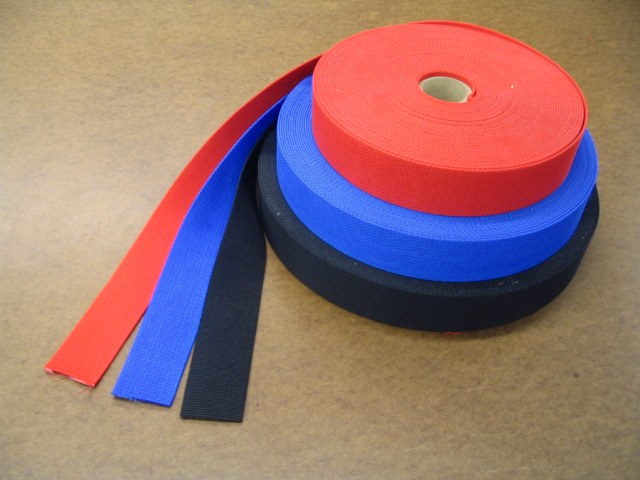


Nylon Webbing: 1-inch Herringbone Twill to MIL-W-4088
Nylon webbing is a narrow, dense strap woven from nylon 6,6 yarn. The US military specification MIL-W-4088 sets each type exactly. Its Type II is 1 inch wide, woven on a shuttle loom in a 2 up, 2 down herringbone twill that reverses once at the centre, with at least 134 warp ends and 34 picks per inch. It must weigh no more than 0.42 oz per yard and hold at least 600 lb. The webbing is left untreated and unbleached.
The picture: webbing rolls (Wikimedia Commons, public domain).
Intermediate
2 days
Instructions
1
1
Twist the yarns
Twist the yarns
Use bright, unbleached nylon 6,6 multifilament: 420 denier of 68 filaments for the warp, 840 denier of 140 filaments for the filling. Give each yarn at least 2½ turns per inch.
Materials for this step:
 Nylon Fibre13 g/m
Tools needed:
 Spinning Wheel
 Balance Scale
2
2
Warp 134 ends
Warp 134 ends
Wind at least 134 warp ends (single yarns) and thread them for a 2 up, 2 down herringbone twill with one reversal at the centre of the strap, 1 inch wide.
Tools needed:
 Warping Frame
 Floor Loom
 Ruler
3
3
Weave 34 picks per inch
Weave 34 picks per inch
Weave with a shuttle, at least 34 picks of filling per inch. Keep the width at 1 inch ± 1/32 and the thickness at .025-.040 inch.
Tools needed:
Floor Loom Boat ShuttleRuler
4
4
Check and roll
Check and roll
A yard must weigh no more than 0.42 oz (13 g per metre). The specification puts the webbing up in rolls of 90 to 110 yards and asks a breaking strength of at least 600 lb.
Tools needed:
Balance Scale Scissors
Materials
1- 13 g/mPlaceholder
This blueprint makes

Related Blueprints
These blueprints share knowledge with this one — techniques, materials, or principles that connect them in the learning graph.
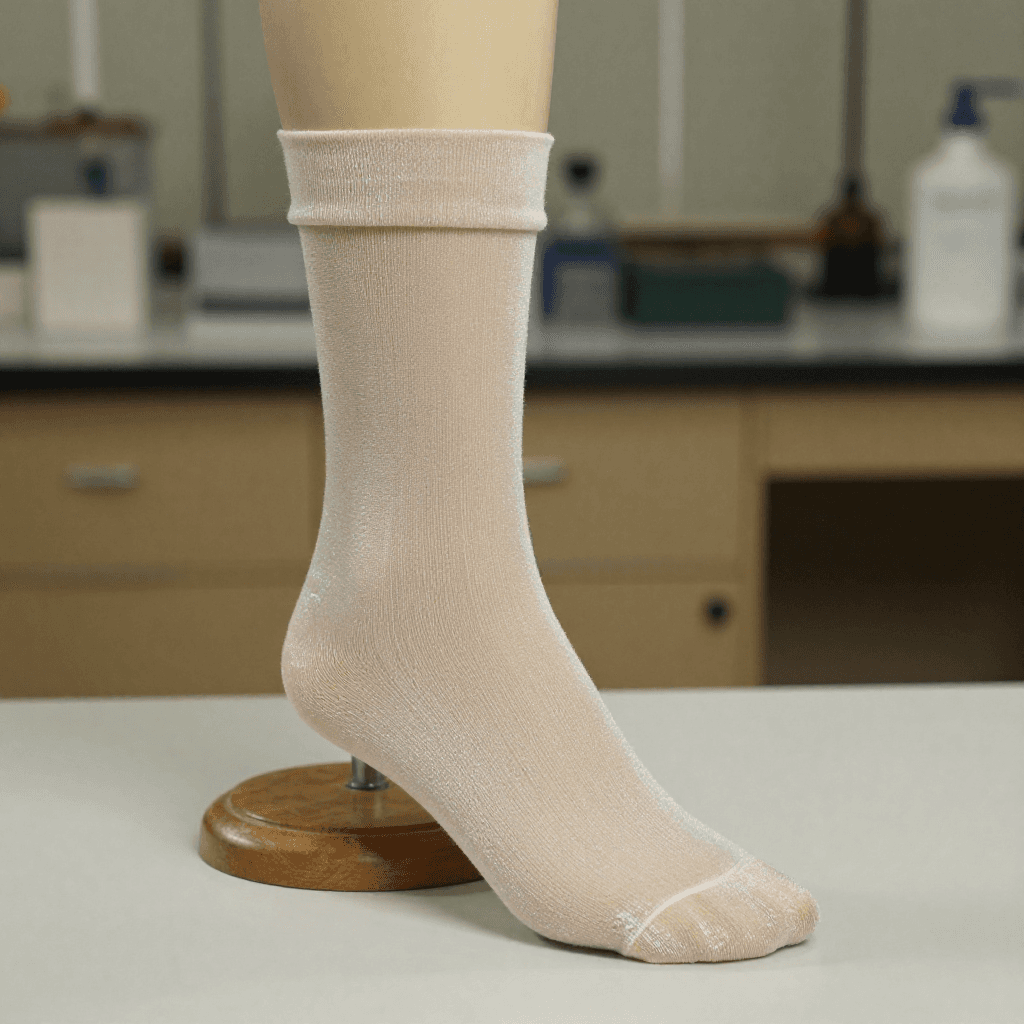

CC0 Public Domain
This blueprint is released under CC0. You are free to copy, modify, distribute, and use this work for any purpose, without asking permission.
Support the Maker by purchasing products through their Blueprint where they earn a Maker Commission set by Vendors, or create a new iteration of this Blueprint and include it as a connection in your own Blueprint to share revenue.