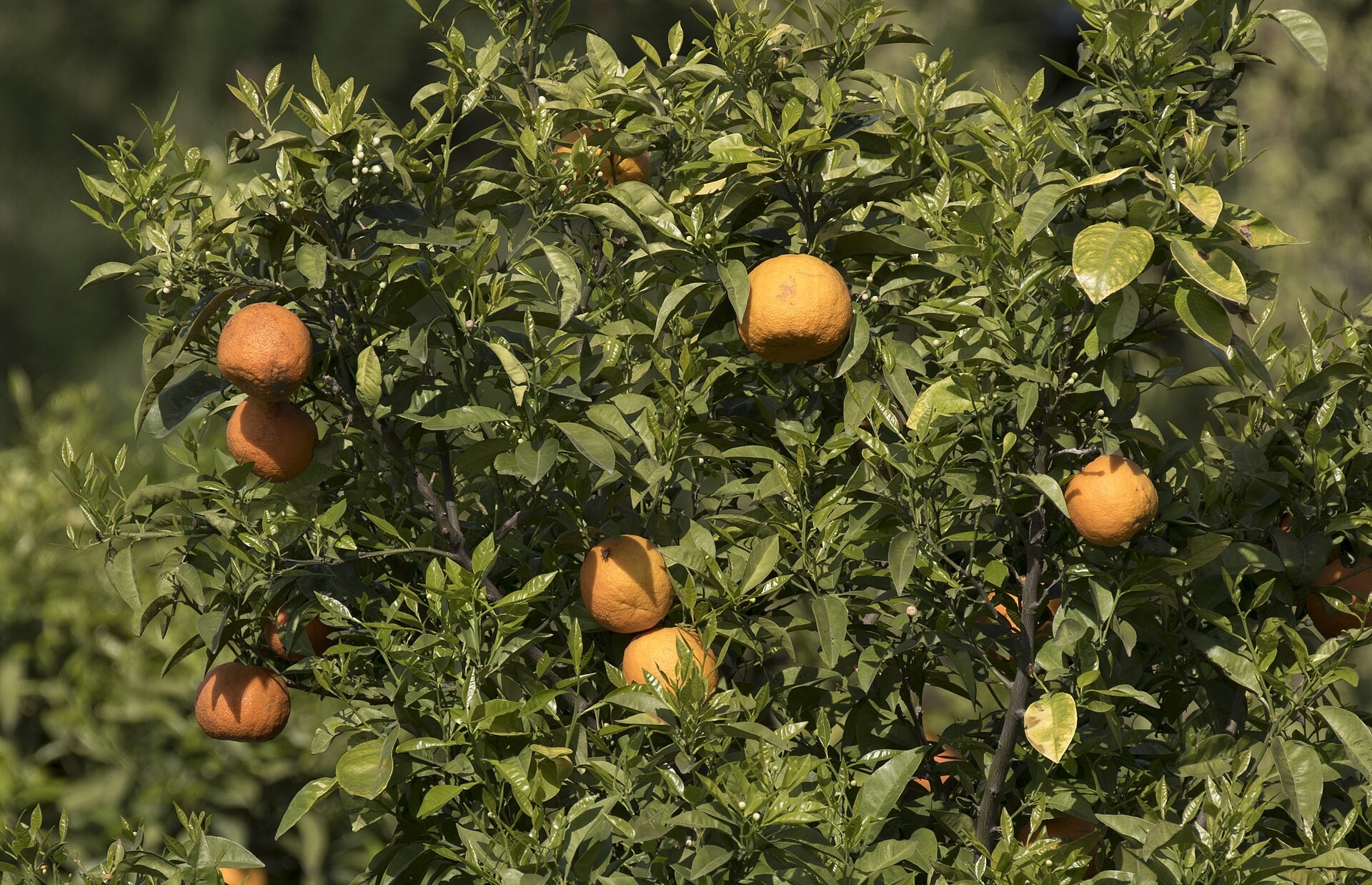
Orange Wine: Seville Oranges and Sugar Fermented in the Cask, No Boiling (Beeton, 1861)
Instructions
Her cask in metric
Her cask in metric
Read Beeton
Read Beeton
Sugar into the cask
Sugar into the cask
Materials for this step:
 White Sugar14.5 kg
Tools needed:
 Wooden Barrel
 Digital Kitchen Scale (0.1 g)
 Wooden Mallet
Pare and squeeze
Pare and squeeze
Materials for this step:
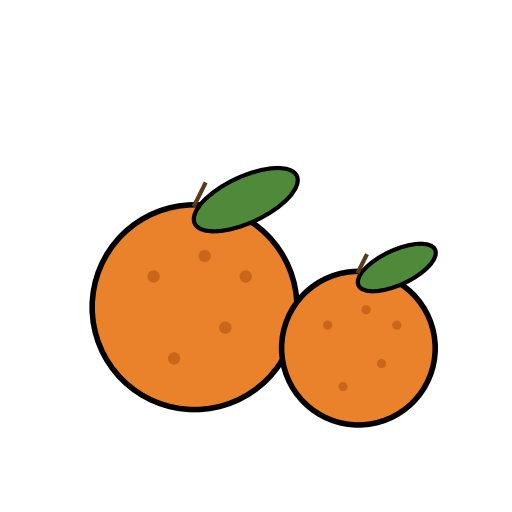 Seville Orange90 pieces
Tools needed:
 Wooden Tub
 Vegetable Peeler
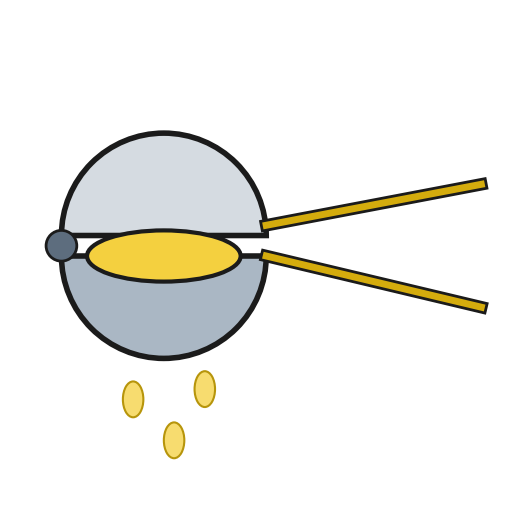 Lemon Squeezer
Strain the juice in
Strain the juice in
Tools needed:
 Muslin Cloth
Steep peels and pulp
Steep peels and pulp
Materials for this step:
 Water1 as required
Tools needed:
Wooden TubMuslin Cloth Measuring Jug
Repeat for a week
Repeat for a week
Tools needed:
Wooden TubMuslin Cloth Wooden Spoon
Bung on the tenth day
Bung on the tenth day
Tools needed:
 Wooden Bung
Bottle in January
Bottle in January
Materials for this step:
 Glass Bottles with Stoppers1 piece
 Corks1 piece
Tools needed:
 Siphon Tube
Troubleshooting
Troubleshooting
Flow
History and honest limits
History and honest limits
Materials
5- 14.5 kgPlaceholder
- 90 piecesPlaceholder
- 1 as requiredPlaceholder
- 1 piecePlaceholder
- 1 piecePlaceholder
Tools Required
11- Placeholder
- Placeholder
- Placeholder
- Placeholder
- Placeholder
- Placeholder
- Placeholder
- Placeholder
- Placeholder
- Placeholder
- Placeholder
This blueprint makes
Related Blueprints
These blueprints share knowledge with this one — techniques, materials, or principles that connect them in the learning graph.
Ginger Wine: Sugar, Lemon and Bruised Ginger Boiled, Yeasted and Cask-Fermented (Beeton, 1861)
by Alchometer
Alcoholic Drinks
Elder Wine: Berries Steeped, Juice Boiled with Sugar and Spice, Cask-Fermented (Beeton, 1861)
by Alchometer
Alcoholic Drinks
Sanitation Is Not Sterilisation: You Are Choosing Which Microbes Win
by Alchometer
Brewing
CC0 Public Domain
This blueprint is released under CC0. You are free to copy, modify, distribute, and use this work for any purpose, without asking permission.
Support the Maker by purchasing products through their Blueprint where they earn a Maker Commission set by Vendors, or create a new iteration of this Blueprint and include it as a connection in your own Blueprint to share revenue.