ART
BEAUTY & WELLNESS
CRAFT
CULTURE & HISTORY
ENTERTAINMENT
ENVIRONMENT
FOOD & DRINKS
REVERSE ENGINEERING
SCIENCES
SPORTS
TECHNOLOGY
WEARABLES

PETG Pellets: Dimethyl Terephthalate with Ethylene Glycol and CHDM
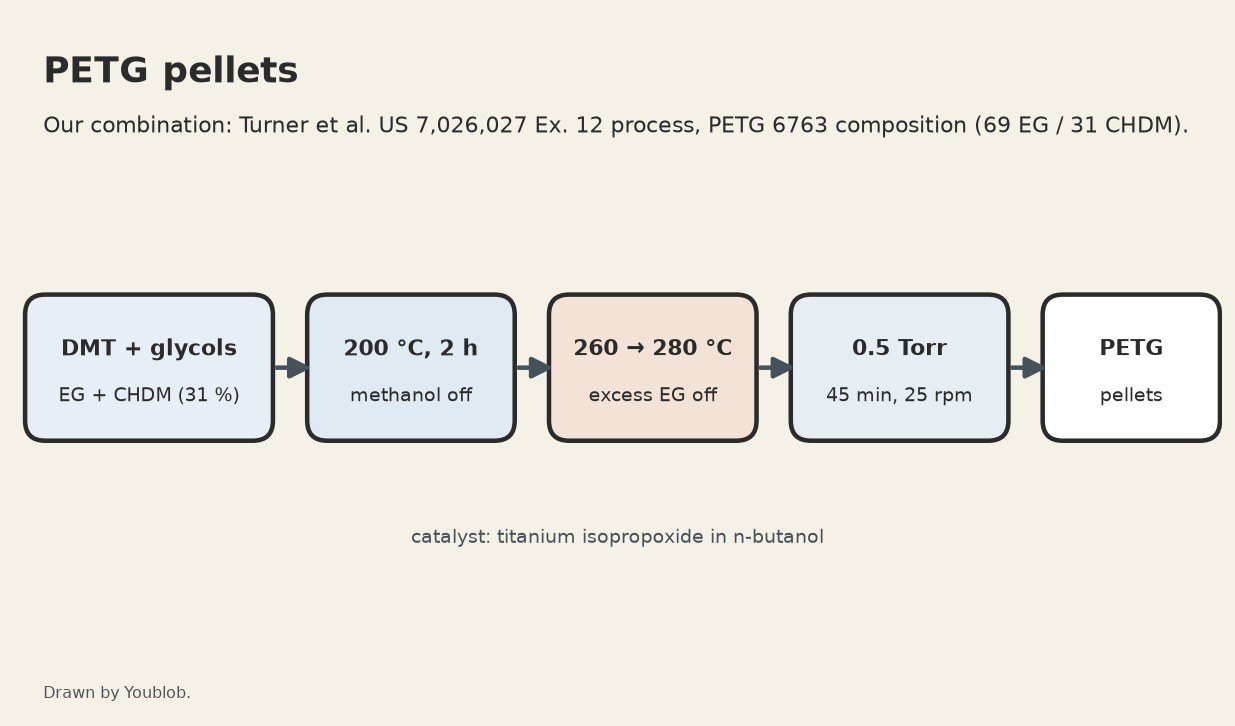
PETG is PET in which part of the ethylene glycol is replaced by CHDM, which keeps the plastic clear and amorphous. Eastman's patent US 7,026,027 describes PETG 6763 as terephthalate with about 69 mol % ethylene glycol and 31 mol % CHDM, but gives no recipe for it. This blueprint is our own combination: that composition, made by the same patent's pilot-plant process (Example 12, written for a CHDM/neopentyl glycol copolyester), with ethylene glycol in place of neopentyl glycol as in Kibler's 1959 Eastman patent. The charge weights are our arithmetic.
The picture: our diagram.
Advanced
About 5 hours
Instructions
1
1
Charge the reactor
Charge the reactor
Our charge for 31 mol % CHDM: 10.669 kg dimethyl terephthalate (54.9 mol, as in the patent's example), 2.456 kg CHDM (31 % of those moles) and 4.058 kg ethylene glycol, so the glycols total 1.5 times the ester moles as in the example. Add 53.4 g of catalyst solution (15 g titanium isopropoxide in 250 ml n-butanol). The patent's reactor held 18 gallons and had spiral agitators and a distillation column.
Materials for this step:
 Dimethyl Terephthalate10.669 kg
 1,4-Cyclohexanedimethanol2.456 kg
 Ethylene Glycol4.058 kg
Tools needed:
 Titanium Isopropoxide
 n-Butanol
 Balance Scale
 Jacketed Polymerisation Reactor
 Fractionating Still
 Chemical Splash Goggles
2
2
Ester interchange at 200 °C
Ester interchange at 200 °C
Stir (forward 50 minutes, then reverse 10), heat to 200 °C and hold 2 hours. Methanol distils off through the column.
Tools needed:
Jacketed Polymerisation ReactorFractionating Still Thermocouple with Readout
3
3
260 °C, then 280 °C
260 °C, then 280 °C
Raise to 260 °C for 30 minutes and weigh the distillate, then raise to 280 °C and weigh it again. The surplus ethylene glycol is driven off; Kibler found the CHDM stays in the polymer.
Tools needed:
Jacketed Polymerisation ReactorThermocouple with ReadoutBalance Scale4
4
Polymerise under vacuum
Polymerise under vacuum
Switch the agitator direction every 6 minutes and pull vacuum at 13 Torr a minute down to 0.5 Torr. Hold full vacuum for 45 minutes at 25 rpm.
Tools needed:
Jacketed Polymerisation Reactor Vacuum Pump
 Vacuum Gauge
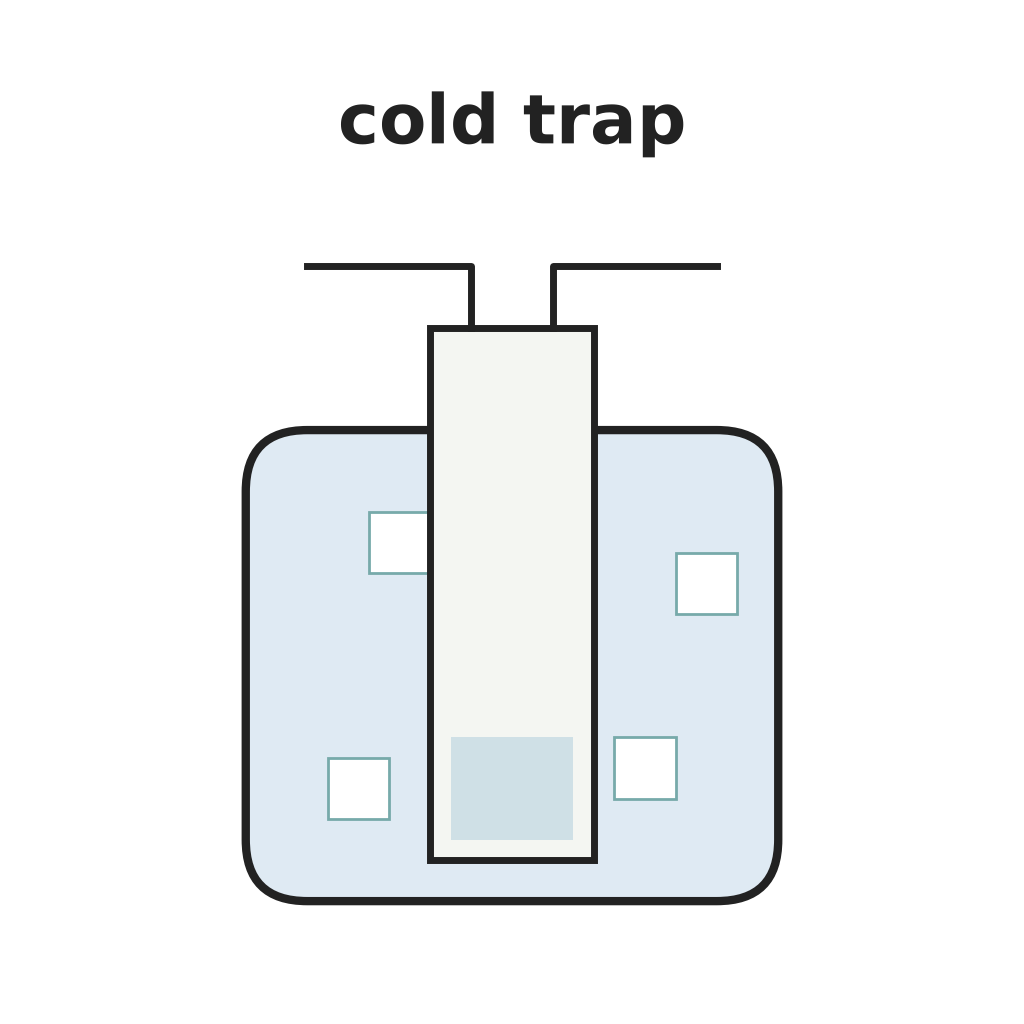 Cold Trap
5
5
Extrude and chop into pellets
Extrude and chop into pellets
Let nitrogen in, extrude the polymer at once and chop it into pellets. Check the composition: in the patent's example the polymer kept slightly less CHDM than was charged (38.1 % for 40.7 %).
Tools needed:
 Nitrogen Gas Cylinder
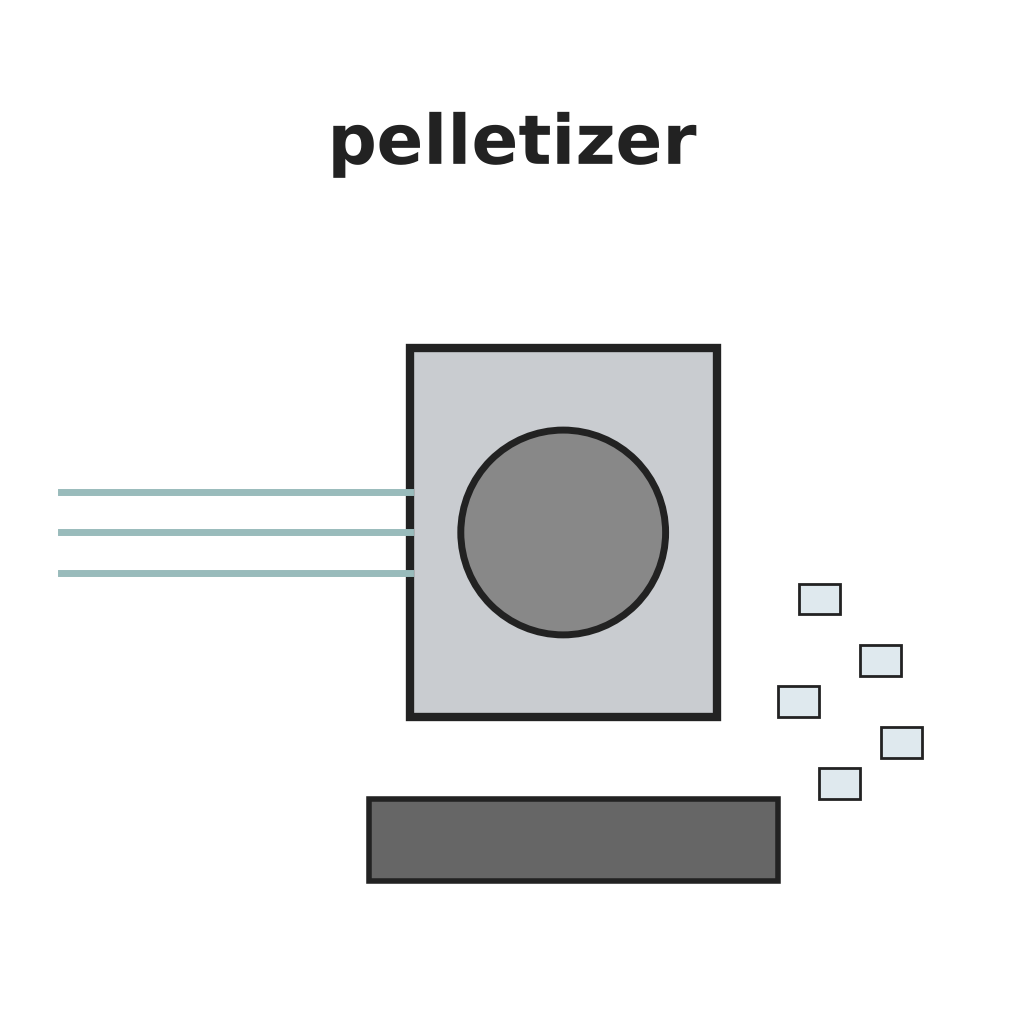 Pelletizer
 Heat-Resistant Gloves
Materials
3- 10.669 kgPlaceholder
- 2.456 kgPlaceholder
- 4.058 kgPlaceholder
Tools Required
13- Placeholder
- Placeholder
- Placeholder
- Placeholder
- Placeholder
- Placeholder
- Placeholder
- 1 vendor sell this, none ship to you yetPlaceholder
- Placeholder
- Placeholder
- Placeholder
- Placeholder
- Placeholder
This blueprint makes
Related Blueprints
These blueprints share knowledge with this one — techniques, materials, or principles that connect them in the learning graph.
Hazardous
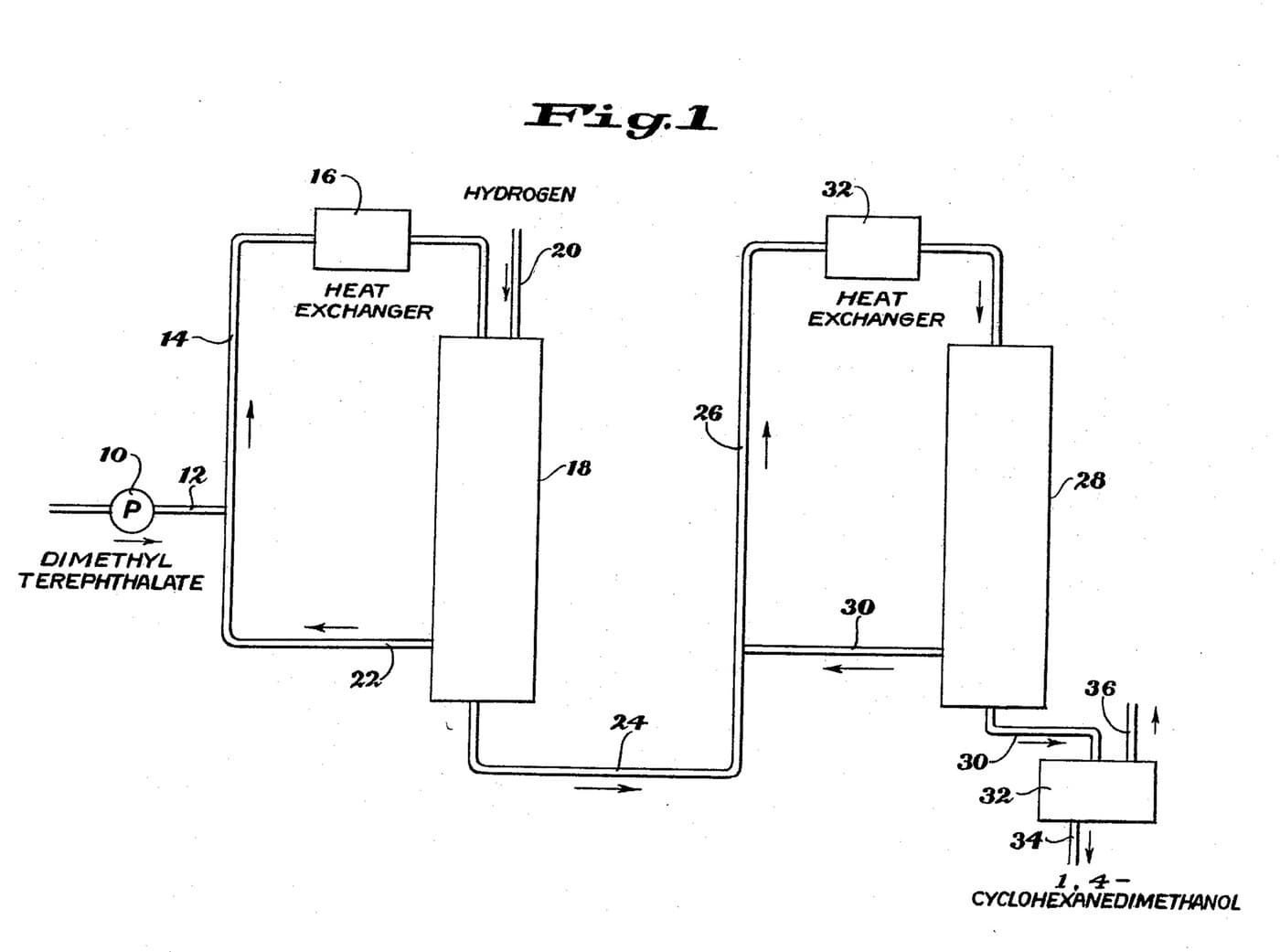
1,4-Cyclohexanedimethanol: Dimethyl Terephthalate Hydrogenated over Palladium, then Copper Chromite
by Charlie
Industrial
1
0
0
0
0
0

Dimethyl Terephthalate: Terephthalic Acid and Methanol Sprayed through a Hot Tube
by Charlie
Industrial
0
0
0
0
0
0
Hazardous
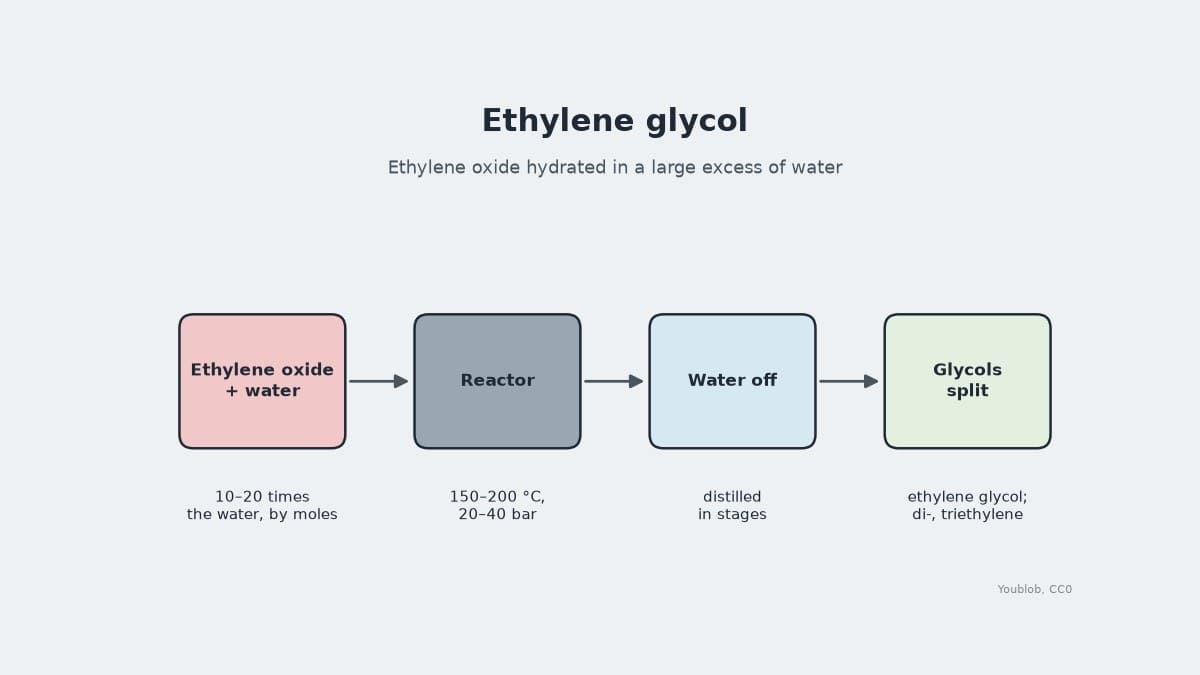
Ethylene Glycol by Hydration of Ethylene Oxide
by Charlie
Industrial
5
0
0
0
0
0
CC0 Public Domain
This blueprint is released under CC0. You are free to copy, modify, distribute, and use this work for any purpose, without asking permission.
Support the Maker by purchasing products through their Blueprint where they earn a Maker Commission set by Vendors, or create a new iteration of this Blueprint and include it as a connection in your own Blueprint to share revenue.