ART
BEAUTY & WELLNESS
CRAFT
CULTURE & HISTORY
ENTERTAINMENT
ENVIRONMENT
FOOD & DRINKS
REVERSE ENGINEERING
SCIENCES
SPORTS
TECHNOLOGY
WEARABLES
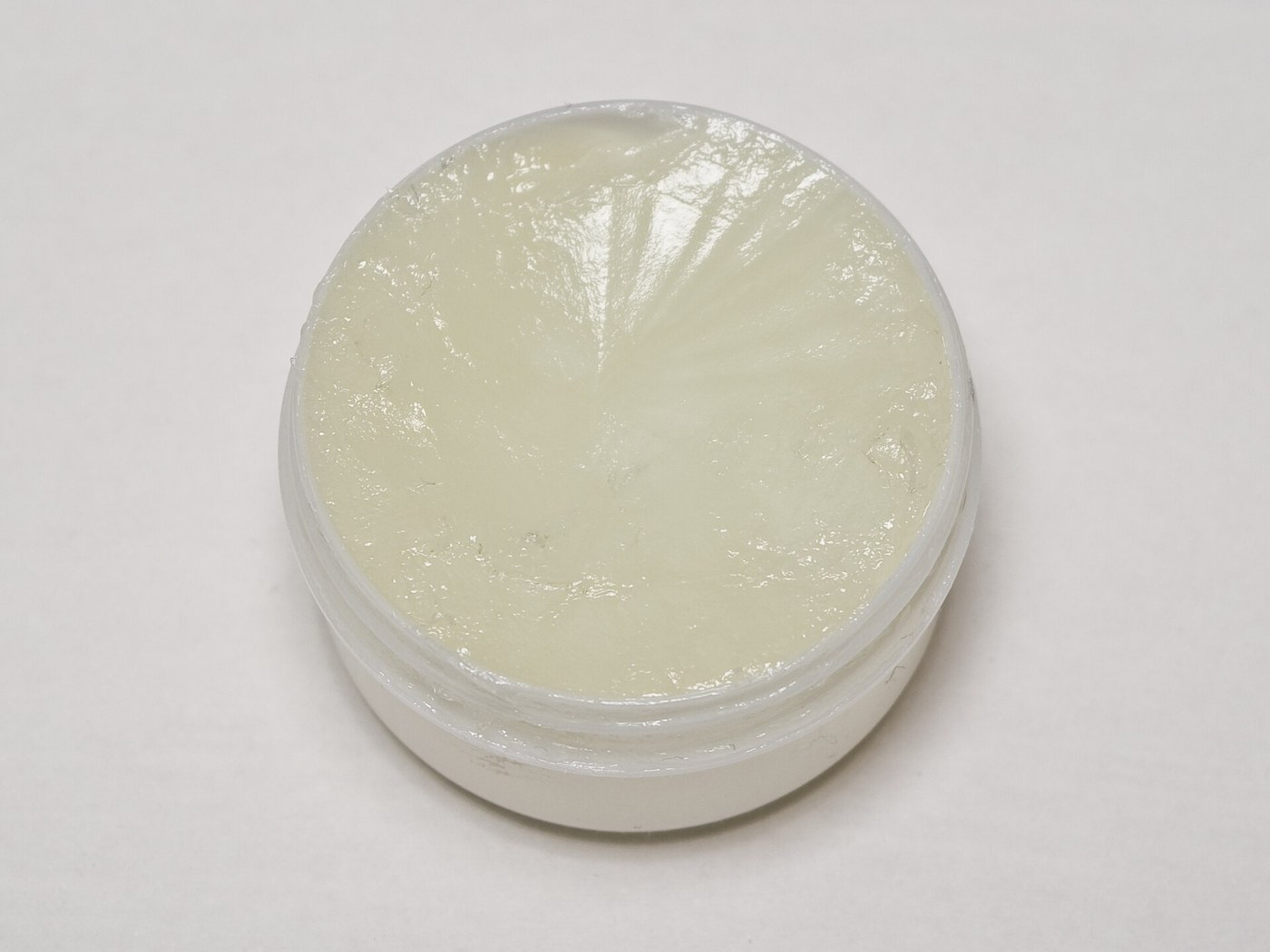


Petroleum Jelly: Vacuum Residue Filtered Warm Through Bone Black
Petroleum jelly (petrolatum, vaseline) is what is left of crude oil after the lighter parts are distilled off, cleaned by filtering it warm through bone black. The 1907 US Dispensatory and Thorpe (1913) describe the process: the first colourless runnings become petroleum jelly, and the later, darker filtrate is cylinder oil.
The picture: white petrolatum (Wikimedia Commons).
Advanced
Several days
Instructions
1
1
Distil off the light cuts
Distil off the light cuts
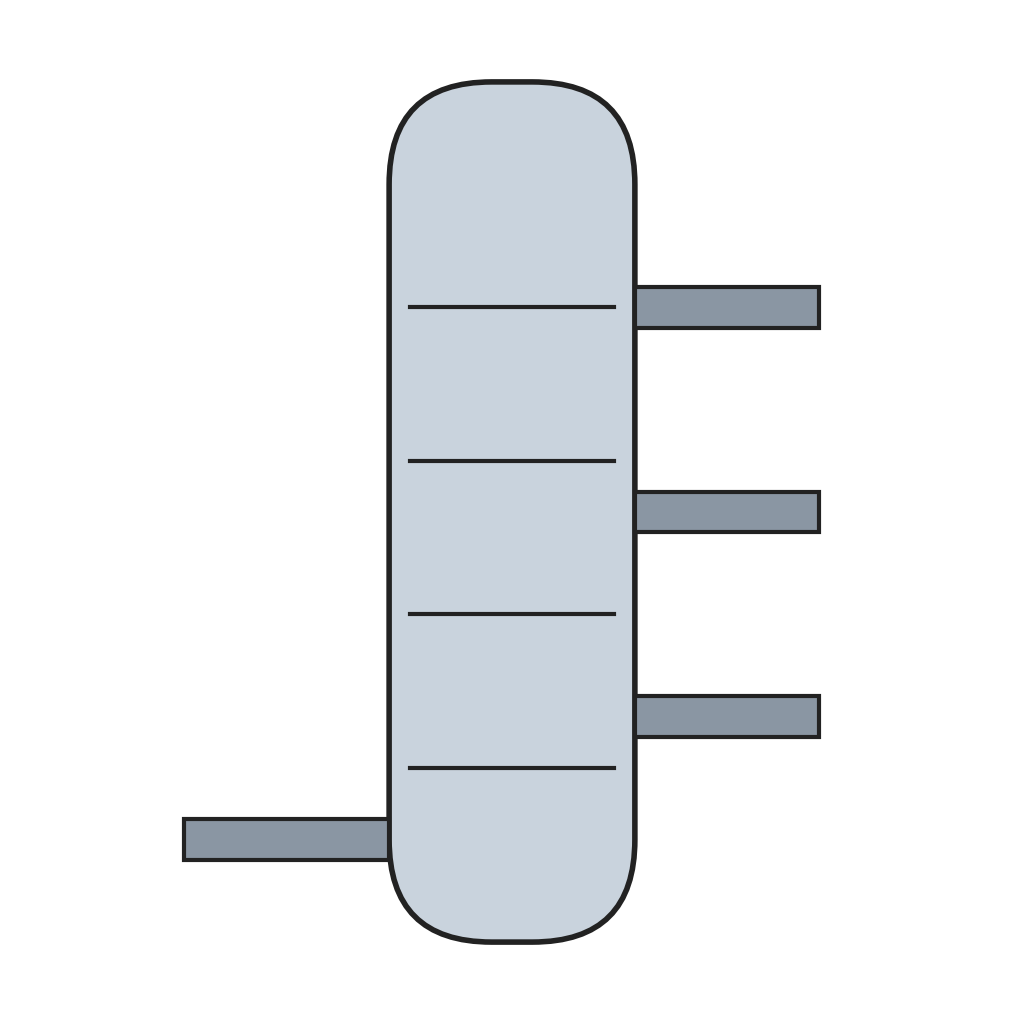
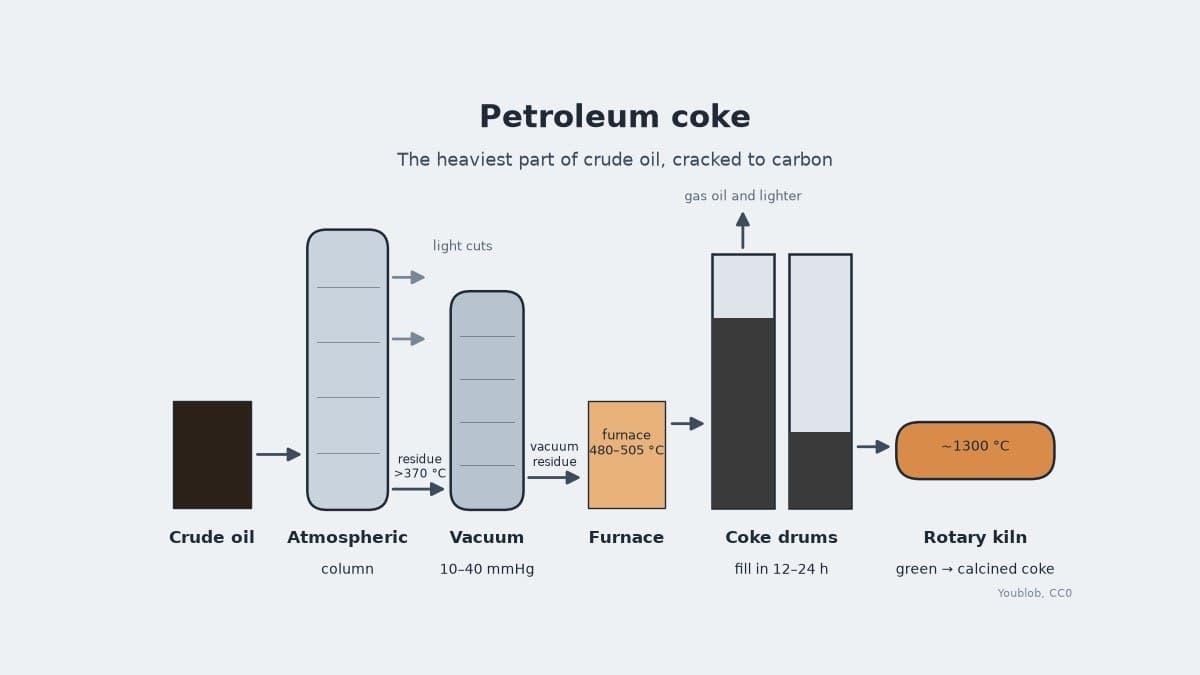
Distil crude oil in an atmospheric column and draw off the lighter cuts. Keep the residue from the bottom.
Materials for this step:
 Crude Oil1 t
Tools needed:
 Atmospheric Distillation Column
2
2
Reduce under vacuum
Reduce under vacuum
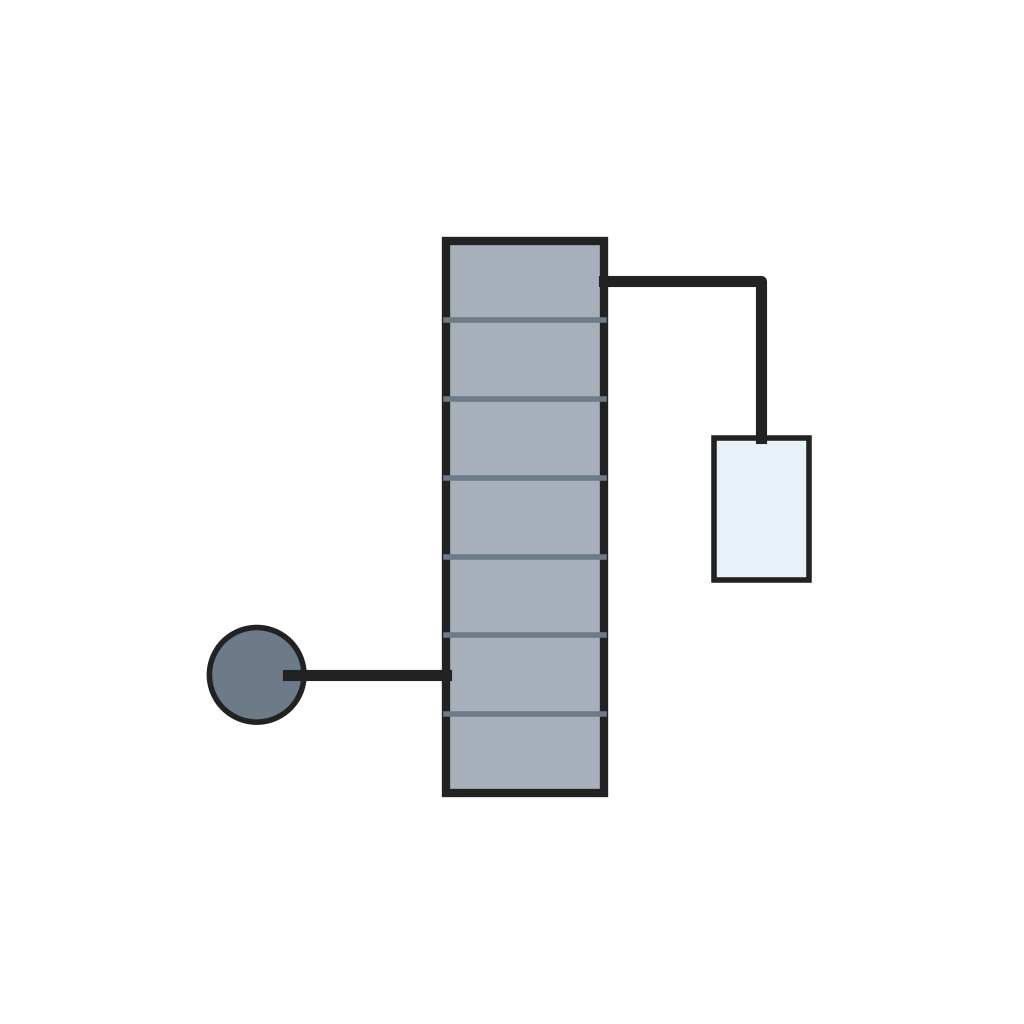
Distil the residue further under vacuum, heated by coils carrying superheated steam, not by direct fire. Done right, the reduced oil reaches a fire-test of 337.7 °C (640 °F) without any burnt smell.
Tools needed:
 Vacuum Distillation Column
 Vacuum Pump
3
3
Filter warm through bone black
Filter warm through bone black
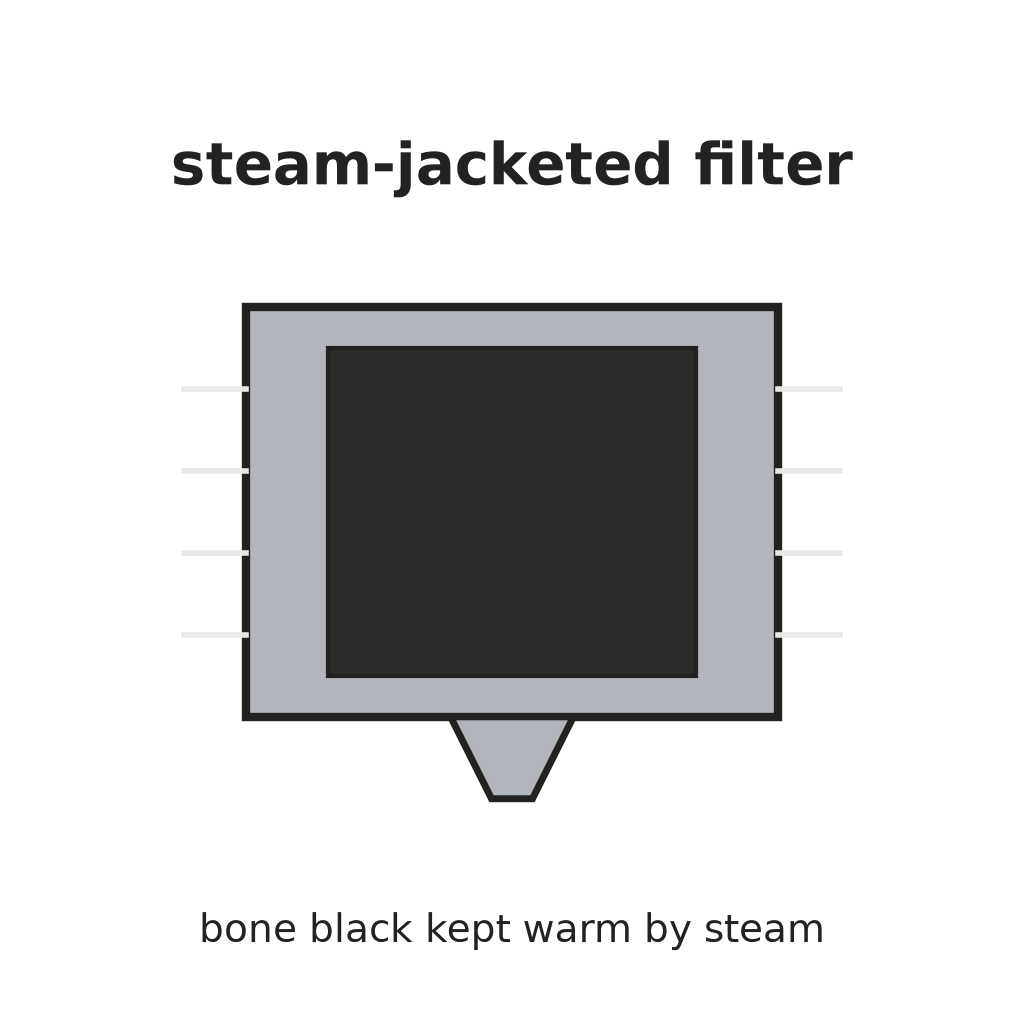
Melt the reduced oil and run it onto steam-jacketed filters of fine, granular, well-dried bone black, kept at 43.3–54.4 °C (110–130 °F).
Tools needed:
 Steam-jacketed Filter
 Bone Black
 Thermocouple with Readout
4
4
Keep the clear runnings
Keep the clear runnings
The first filtrate is colourless; it then turns straw or lemon, and finally red. Keep the clear runnings for petroleum jelly. The red filtrate is cylinder oil, a lubricant.
Tools needed:
Steam-jacketed Filter Tin Can
5
5
Set the melting point
Set the melting point
If the jelly is too soft, stir pure block paraffin into the warm oil until it has the right melting point. It dissolves completely. Pour it into tins to set.
Materials for this step:
 Paraffin Wax1 as required
Tools needed:
Thermocouple with ReadoutTin CanTools Required
7- Placeholder
- Placeholder
- 1 vendor sell this, none ship to you yetPlaceholder
- Placeholder
- Placeholder
- Placeholder
- Placeholder
This blueprint makes

Related Blueprints
These blueprints share knowledge with this one — techniques, materials, or principles that connect them in the learning graph.
CC0 Public Domain
This blueprint is released under CC0. You are free to copy, modify, distribute, and use this work for any purpose, without asking permission.
Support the Maker by purchasing products through their Blueprint where they earn a Maker Commission set by Vendors, or create a new iteration of this Blueprint and include it as a connection in your own Blueprint to share revenue.