ART
BEAUTY & WELLNESS
CRAFT
CULTURE & HISTORY
ENTERTAINMENT
ENVIRONMENT
FOOD & DRINKS
REVERSE ENGINEERING
SCIENCES
SPORTS
TECHNOLOGY
WEARABLES
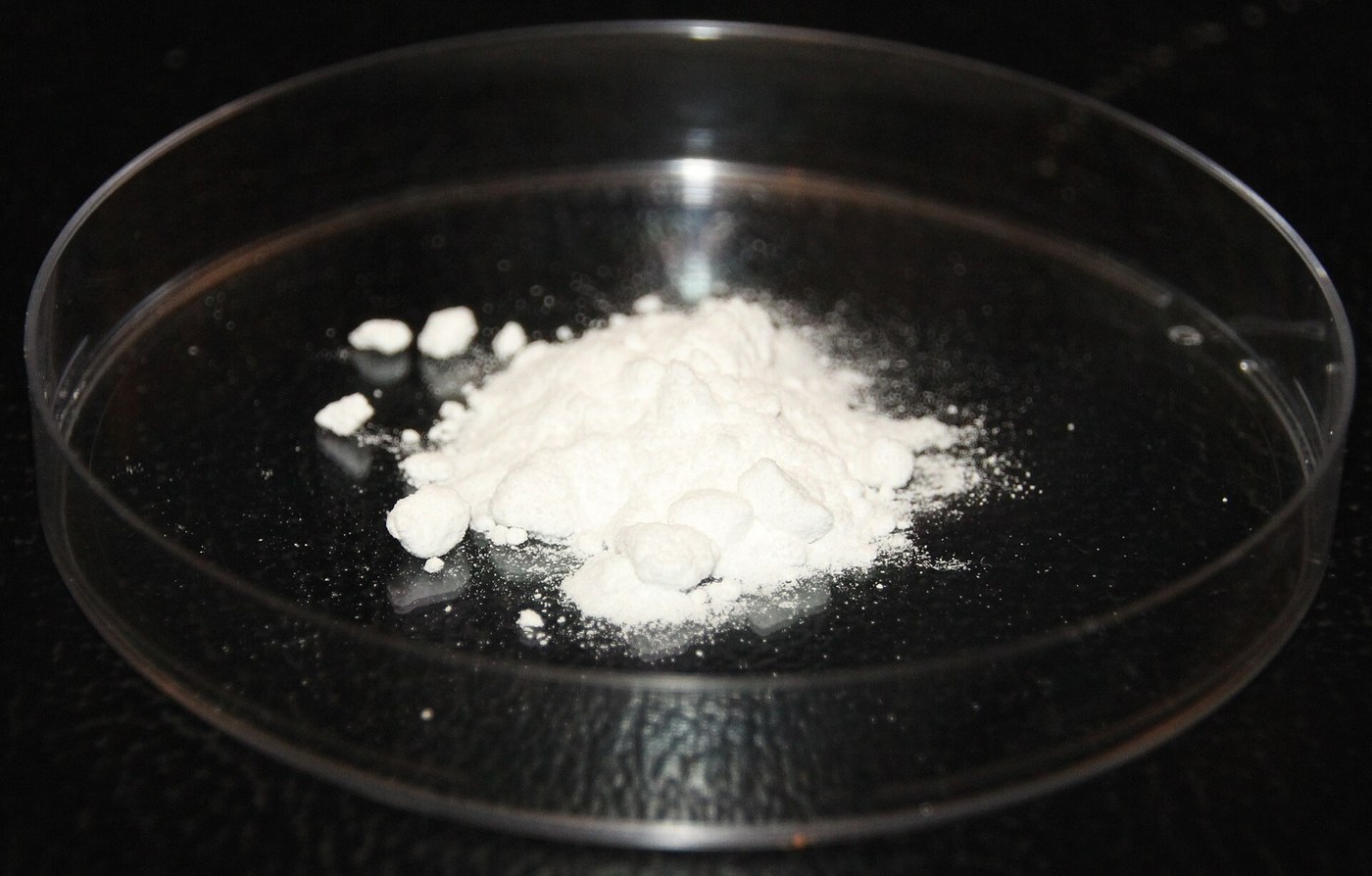


Phthalic Anhydride by Air Oxidation of Naphthalene: Gibbs and Conover, 1918
Harry D. Gibbs and Courtney Conover patented this in 1918, US 1,285,117 (filed 1917), and dedicated it to the public. Phthalic anhydride had been made by oxidising naphthalene with sulphuric acid in the presence of mercury sulphate; they used air instead. Naphthalene vapour mixed with plenty of air is passed over finely divided oxides of vanadium at 350–550 °C, and the phthalic anhydride formed is condensed and separated by fractional sublimation.
Advanced
Works process
Instructions
1
1
Melt and vaporise the naphthalene
Melt and vaporise the naphthalene
Melt the naphthalene and let it flow continuously, at a measured rate, into a heated chamber where it is volatilised.
Materials for this step:
 Naphthalene1 as required
Tools needed:
 Cast Iron Melting Pot
 Vaporising Chamber
 Thermometer
2
2
Mix the vapour with air
Mix the vapour with air
Mix the naphthalene vapour with air in excess of the amount needed to oxidise it to phthalic anhydride, preferably at least four times the amount theoretically required.
Tools needed:
 Air BlowerVaporising Chamber
3
3
Pass it over vanadium oxide at 350–550 °C
Pass it over vanadium oxide at 350–550 °C
Pass the mixture into a reaction chamber kept at 350–550 °C, preferably 500 °C. There it is forced into close contact with oxides of vanadium in the form of a fine powder, supported on trays, with baffle plates forcing the gas current through it. Keep the gases under pressure only sufficient to make them flow continuously through the chamber. The naphthalene is oxidised to phthalic anhydride, with carbon dioxide and water.
Tools needed:
 Catalyst Tray Chamber
 Vanadium Oxide
 PyrometerAir Blower
4
4
Condense the products
Condense the products
Condense the products of the reaction, phthalic anhydride with small portions of other oxidation products of naphthalene, together with the unchanged naphthalene.
Tools needed:
 Condensing Chamber
5
5
Separate by fractional sublimation
Separate by fractional sublimation
Separate the phthalic anhydride from the other oxidation products and the unchanged naphthalene by fractional sublimation.
Tools needed:
 Sublimation ApparatusThermometer
6
6
How much air
How much air
Loading Jupyter Notebook...
Materials
1- 1 as requiredPlaceholder
Tools Required
9- Placeholder
- Placeholder
- Placeholder
- Placeholder
- Placeholder
- Placeholder
- Placeholder
- Placeholder
- Placeholder
This blueprint makes

Related Blueprints
These blueprints share knowledge with this one — techniques, materials, or principles that connect them in the learning graph.
CC0 Public Domain
This blueprint is released under CC0. You are free to copy, modify, distribute, and use this work for any purpose, without asking permission.
Support the Maker by purchasing products through their Blueprint where they earn a Maker Commission set by Vendors, or create a new iteration of this Blueprint and include it as a connection in your own Blueprint to share revenue.