ART
BEAUTY & WELLNESS
CRAFT
CULTURE & HISTORY
ENTERTAINMENT
ENVIRONMENT
FOOD & DRINKS
REVERSE ENGINEERING
SCIENCES
SPORTS
TECHNOLOGY
WEARABLES
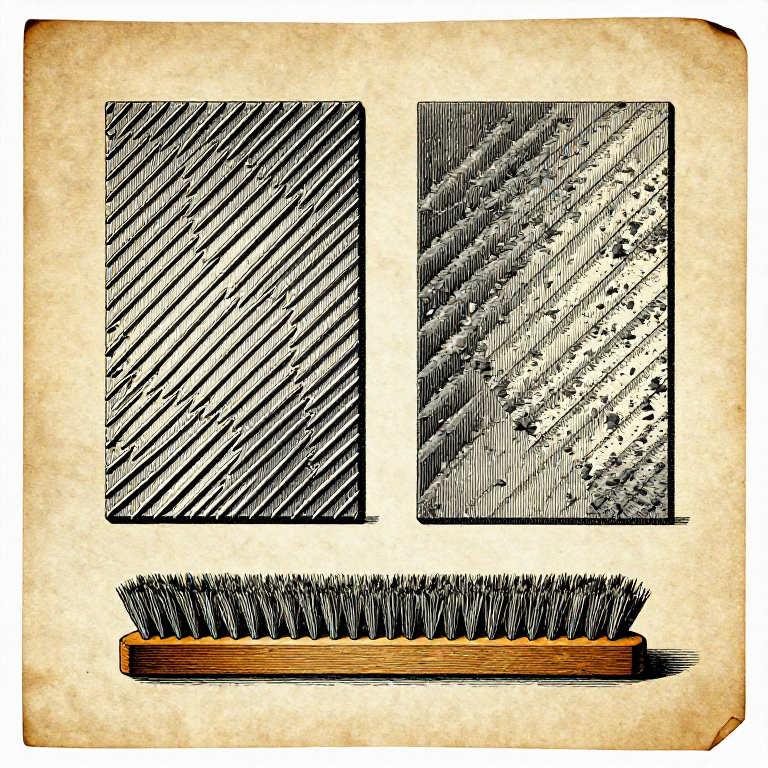


Pinning and Clogging: When a File Stops Cutting and Starts Scratching
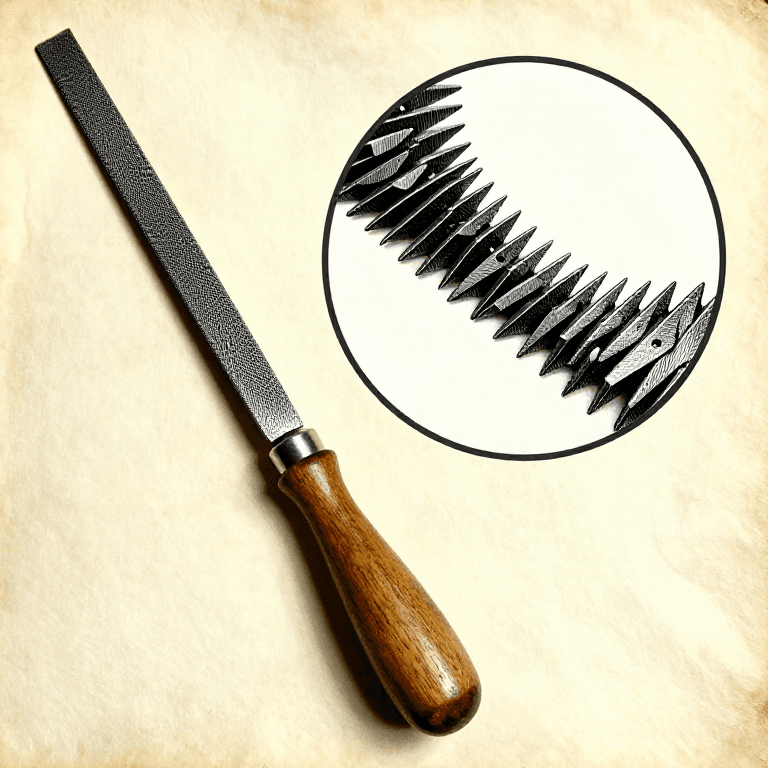
A file that has stopped cutting is almost never worn out. It is full — the gullets packed with chips, or a single chip wedged between two teeth and standing proud.
The wedged chip is the dangerous one. It is called a PIN, it sticks out further than the teeth around it, and it ploughs a deep scratch down the work on every single stroke. A beginner reads that scratch as their own bad technique and files harder, which drives the pin in deeper.
The fix takes ten seconds and the prevention takes five. Both are in this rung, and together they are the difference between a file lasting a month and lasting a lifetime.
Beginner
2 hours
Instructions
1
1
Recognise it: the file glides, and the work gets worse
Recognise it: the file glides, and the work gets worse
A clogged file feels smooth and slippery instead of biting, and you find yourself pressing harder to get the same cut. A pinned file feels normal but leaves one or two deep parallel scratches that appear in the same place every stroke.
Hold the file up and sight along the face against the light. Packed gullets show as grey-filled valleys between bright teeth; a pin shows as a single bright point standing above the tooth line. Both are obvious once you know to look, and neither is visible if you only look at the work.
It happens fastest on soft, sticky metals — aluminium, copper, lead, and mild steel more than tool steel. Aluminium in particular welds itself into the teeth and will pin a new file within a dozen strokes if it is not prevented.
Tools needed:
 Metal File
 Magnifying Loupe
 Aluminium Sheet
2
2
Clear it with a file card, along the rows
Clear it with a file card, along the rows
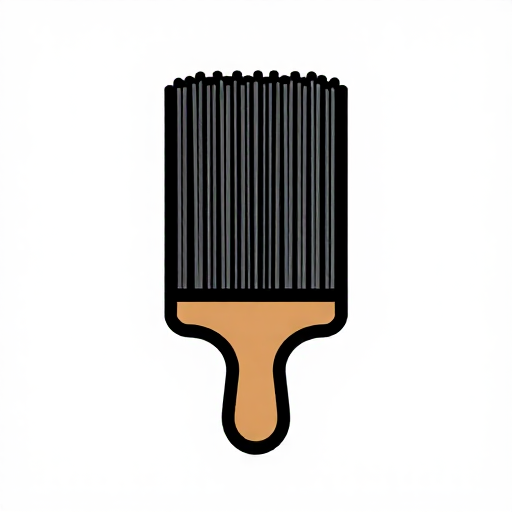
Brush the file with a file card — a short stiff wire brush — pushing ALONG the direction of the tooth rows, not across them. The wires then run down each gullet and sweep it out.
Brushing across the rows skates the wires over the tops of the teeth and clears almost nothing, which is why people conclude a file card does not work. Look at the diagonal rows and match the stroke to them.
A stubborn pin that the card will not lift comes out with a sliver of soft brass or copper pushed along the gullet, or the point of a scriber used gently. Never use a steel pick hard against the teeth — they are glass-hard and will chip.
Tools needed:
 File CardMetal File
 Scriber
 Brass Sheet
3
3
Prevent it: chalk, and a lighter hand
Prevent it: chalk, and a lighter hand
Rub ordinary chalk along the file face before filing soft metal, and again every few minutes. The chalk partly fills the gullets so a chip cannot wedge itself in, and it brushes straight out with the chips when you clear it.
The other half is pressure. Chips pin when they are forced into the gullet harder than they can escape from it, so heavy pressure on a fine file pins it almost immediately. Match the file to the job: a coarse file with big gullets for heavy work, a fine file with a light hand for finishing.
On aluminium some people add a little wax or a drop of paraffin, which works. Avoid ordinary cutting oil on a file: it turns the chips into a paste that packs the teeth solid and is far harder to clear than dry swarf.
Materials for this step:
 Marking Chalk1 piece
Tools needed:
 Fine FileAluminium Sheet
 Cotton Cloth
4
4
Keep files apart, dry, and out of the drawer
Keep files apart, dry, and out of the drawer
Files stored loose in a drawer destroy each other. Their teeth are harder than almost anything else in the workshop, including each other, so every knock takes teeth off both files.
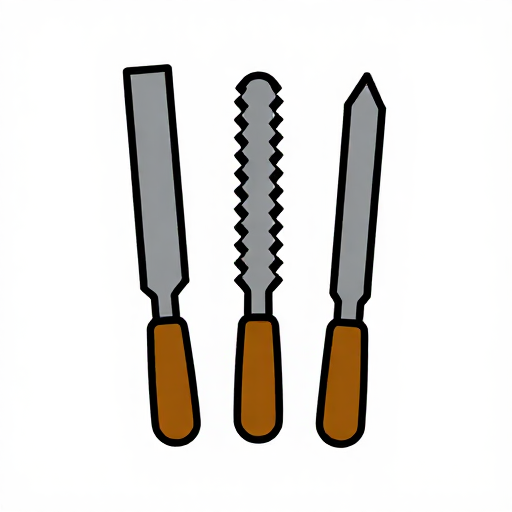
Hang them, or keep them in a roll or a rack with a slot each. A file whose teeth are chipped along one edge will score the work in exactly the way a pin does, and that damage is permanent — a file cannot be resharpened in any practical way.
Keep them dry and lightly oiled, and wipe them before they go away. Rust rounds the tooth tips, and a rusted file is blunt in a way no brushing will fix. A new file should be broken in on brass or cast iron rather than steel: the first few strokes knock the fragile peaks off the teeth gently instead of snapping them.
Tools needed:
 File SetCotton Cloth
 Hand Files
Materials
1- 1 piecePlaceholder
Related Blueprints
These blueprints share knowledge with this one — techniques, materials, or principles that connect them in the learning graph.
CC0 Public Domain
This blueprint is released under CC0. You are free to copy, modify, distribute, and use this work for any purpose, without asking permission.
Support the Maker by purchasing products through their Blueprint where they earn a Maker Commission set by Vendors, or create a new iteration of this Blueprint and include it as a connection in your own Blueprint to share revenue.