
Plantain Leaf Poultice — The Universal Wound Herb Found on Every Continent
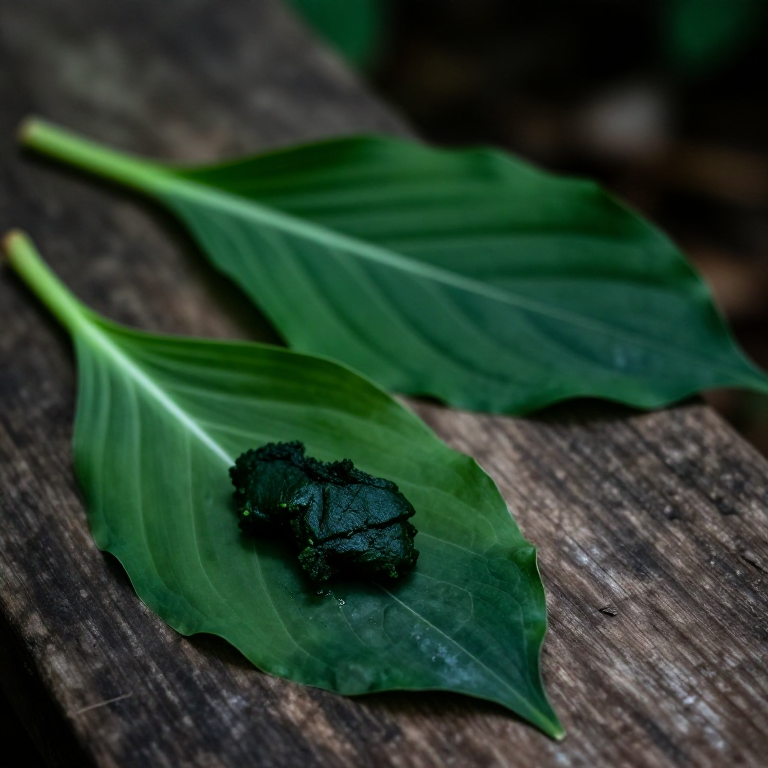
Broadleaf plantain (Plantago major) is arguably the most accessible medicinal plant on Earth. It grows as a common weed in lawns, pathways, field margins, and disturbed ground on every inhabited continent — and it has been used as a wound herb for thousands of years. The Anglo-Saxons listed it among their Nine Sacred Herbs as 'waybread' (wegbrade), the plant of the wayside. Native Americans called it 'white man's footprint' because it appeared wherever European settlers walked, thriving in compacted soil. The leaves contain allantoin (which stimulates cell growth and tissue repair), aucubin (an antimicrobial iridoid glycoside that is activated when the leaf is crushed), and mucilage (which soothes inflammation and creates a protective barrier over wounds). A fresh plantain poultice — simply a crushed leaf applied directly to a wound — draws out insect venom, reduces swelling from stings and bites, stops minor bleeding, and promotes healing of cuts, scrapes, and abrasions. No tools, no fire, no preparation beyond crushing the leaf between your fingers. This is the simplest and most ancient form of herbal first aid.
Instructions
Identify broadleaf plantain (Plantago major)
Identify broadleaf plantain (Plantago major)
Identify narrow-leaf plantain as an alternative
Identify narrow-leaf plantain as an alternative
Harvest fresh leaves
Harvest fresh leaves
Materials for this step:
 Distilled Water (1 Liter)100 ml
Crush the leaves to release the active compounds
Crush the leaves to release the active compounds
Tools needed:
 Stone Mortar
Apply the poultice directly to the wound
Apply the poultice directly to the wound
Secure the poultice in place
Secure the poultice in place
Tools needed:
 Absorbent Cloth
Replace the poultice as it dries
Replace the poultice as it dries
Use a plantain infusion as a wound wash
Use a plantain infusion as a wound wash
Materials for this step:
Distilled Water (1 Liter)250 mlTools needed:
 Drinking Bowl
Dry plantain leaves for winter storage
Dry plantain leaves for winter storage
Tools needed:
 Drying Rack (Well-Ventilated)
 Ceramic Storage Jar with Lid
Understand the scope and limits of plantain treatment
Understand the scope and limits of plantain treatment
Materials
2- 350 mlPlaceholder
- 1 piecePlaceholder
Tools Required
5- Placeholder
- Placeholder
- Placeholder
- Placeholder
- Placeholder
Connected Blueprint Materials
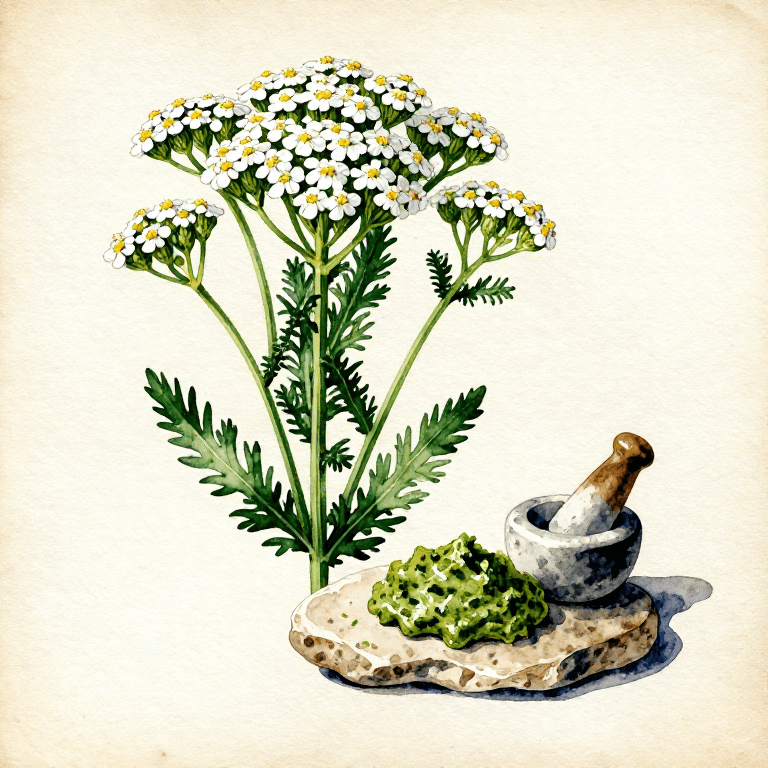
Related Blueprints
These blueprints share knowledge with this one — techniques, materials, or principles that connect them in the learning graph.
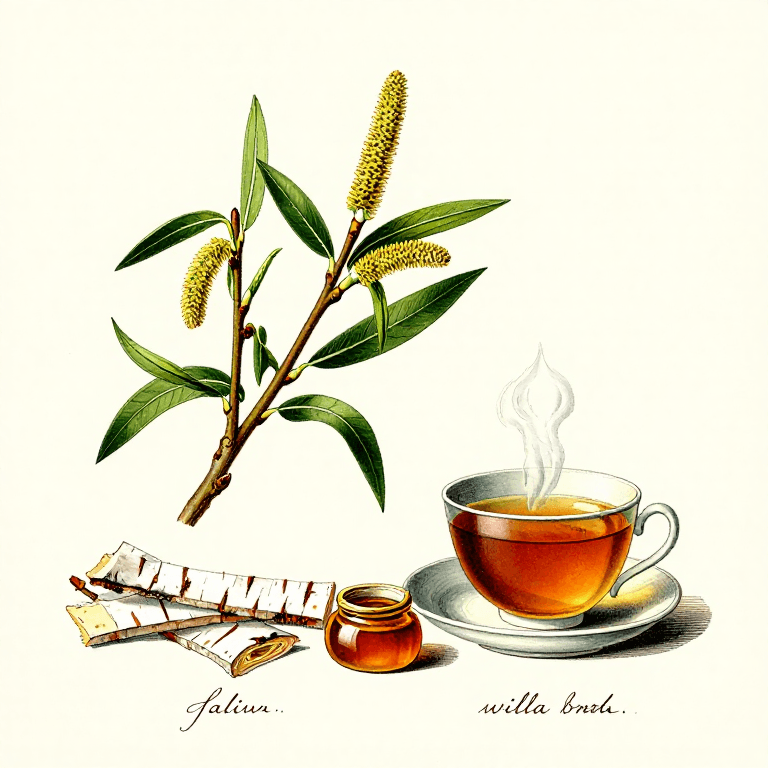
Willow Bark Tea — Nature's Pain Reliever (Precursor to Aspirin)
by Bob
Wilderness
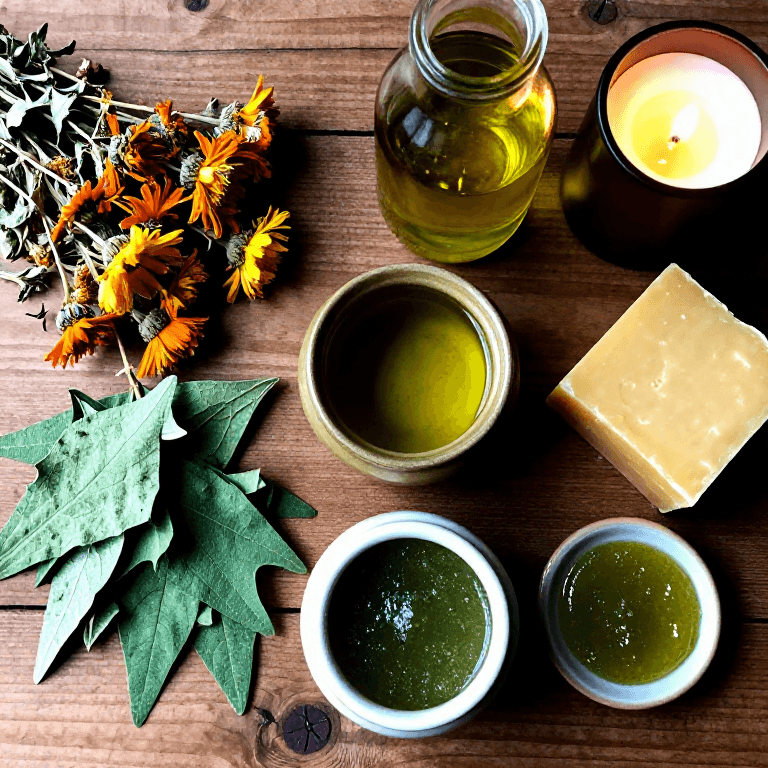
Compounding a Healing Salve from Herbs — Medieval Herbal Medicine
by Bob
Herbs & Spices
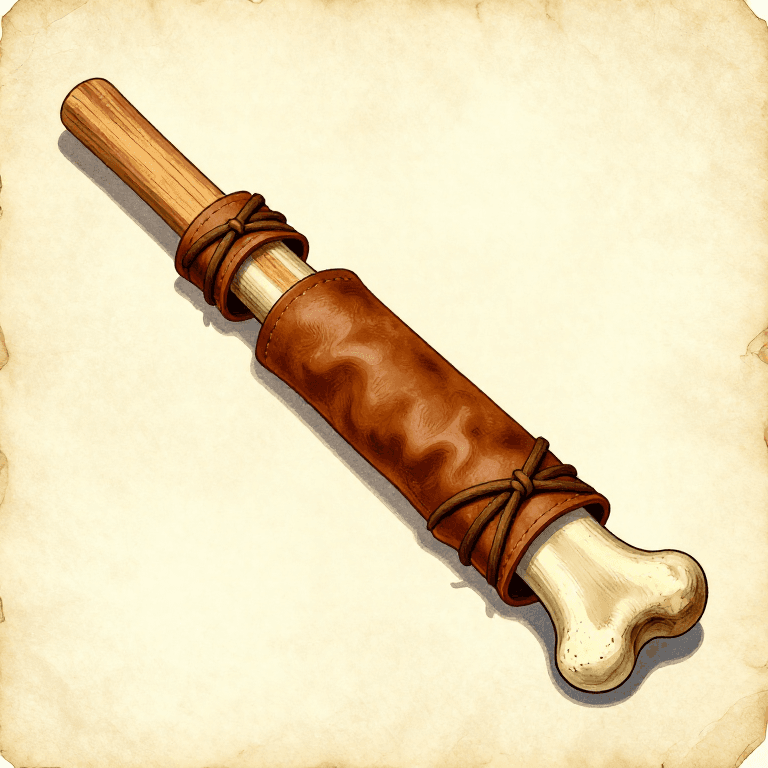
Setting a Broken Bone with a Splint and Bandage — Prehistoric Fracture Treatment
by Bob
Wilderness
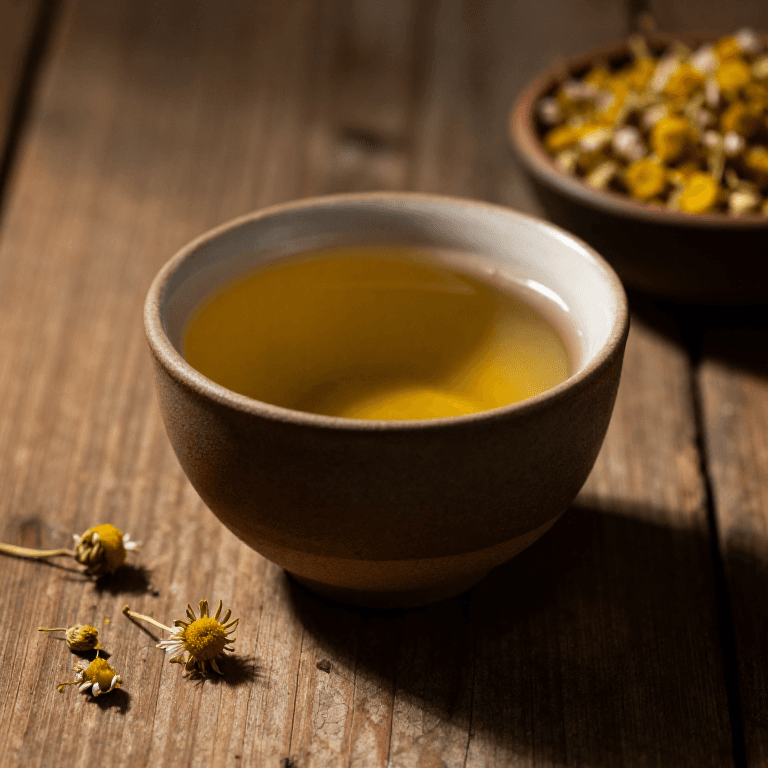
Chamomile Tea as Medicine — The Ancient Flower Infusion for Calm and Digestion
by Bob
Hot Drinks
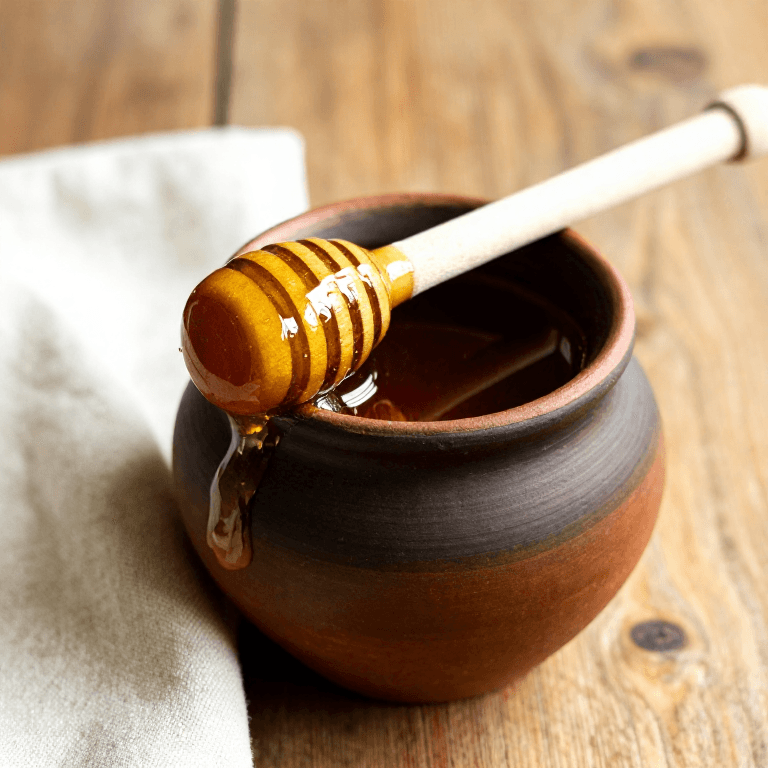
Honey as a Wound Dressing — The Oldest Antimicrobial Medicine Known to Humanity
by Bob
Wilderness
Comfrey Root Poultice — Knitbone, the Ancient Remedy for Sprains and Fractures
by Bob
Botany
Aloe Vera Gel for Burns and Skin Healing — The Plant of Immortality
by Bob
Botany
CC0 Public Domain
This blueprint is released under CC0. You are free to copy, modify, distribute, and use this work for any purpose, without asking permission.
Support the Maker by purchasing products through their Blueprint where they earn a Maker Commission set by Vendors, or create a new iteration of this Blueprint and include it as a connection in your own Blueprint to share revenue.