ART
BEAUTY & WELLNESS
CRAFT
CULTURE & HISTORY
ENTERTAINMENT
ENVIRONMENT
FOOD & DRINKS
REVERSE ENGINEERING
SCIENCES
SPORTS
TECHNOLOGY
WEARABLES
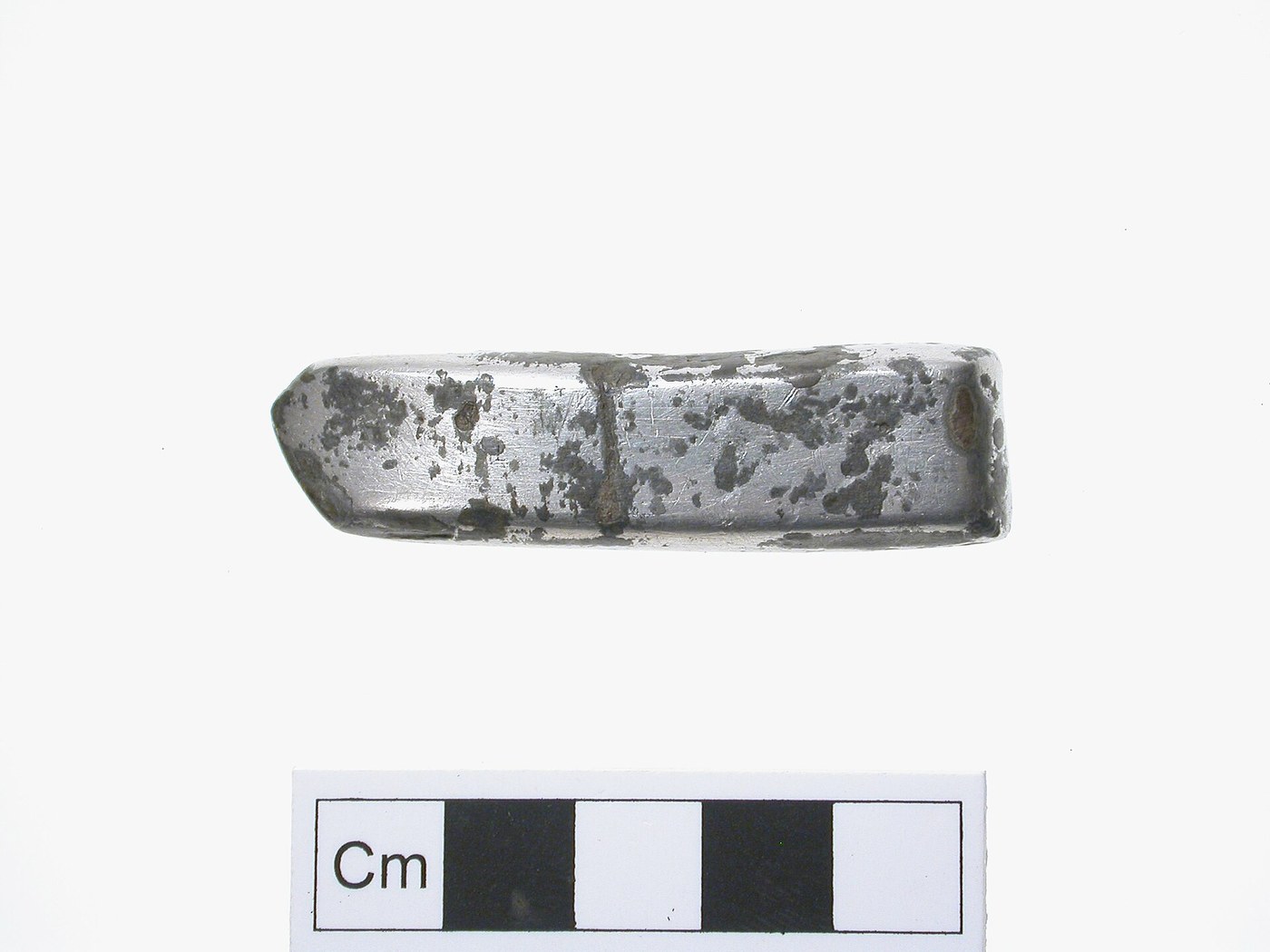


Plate Pewter: Tin with Antimony, Bismuth and Copper, Ure 1839
Pewter is mostly tin, made harder with a little of other metals. Andrew Ure (1839) gives the best English plate pewter, the hardest grade, used for plates and dishes, as 100 tin, 8 antimony, 2 bismuth and 2 copper: no lead, which he warns can poison vinegar and wine kept in cheaper pewter.
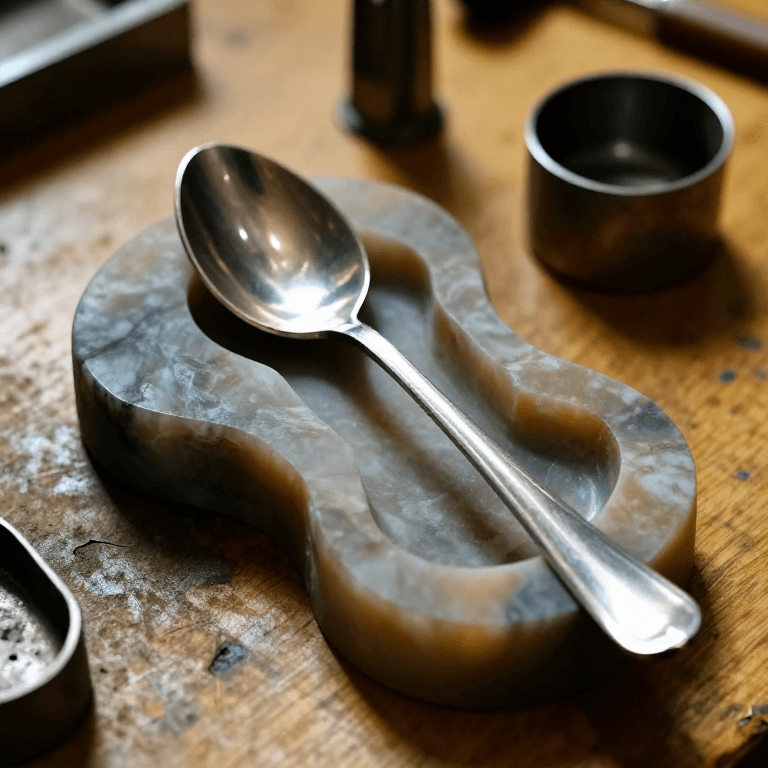
The picture: a small pewter ingot recorded by the Portable Antiquities Scheme.
Intermediate
An afternoon
Instructions
1
1
Weigh the charge
Weigh the charge
Weigh the four metals in Ure's proportions (see the notebook). Cut the copper into small pieces.
Materials for this step:
 Tin Ingot446 g
 Antimony36 g
 Bismuth9 g
 Copper Ingot9 g
Tools needed:
 Balance Scale
2
2
Melt the tin, then the rest
Melt the tin, then the rest
Melt the tin in a clay crucible over the charcoal fire. Stir in the antimony and bismuth, then the copper pieces, keeping the heat up and stirring until the copper has dissolved and the metal is one even liquid.
Materials for this step:
 Charcoal1 as required
Tools needed:
 Clay Crucible - Refractory
 Charcoal Furnace
 Iron Stirrer
 Crucible Tongs
 Heat-Resistant Gloves
 Leather Apron
3
3
Skim and pour
Skim and pour
Skim off the dross and pour into a warmed ingot mould in one run.
Tools needed:
 Ingot MouldCrucible TongsHeat-Resistant GlovesLeather Apron
4
4
Ure's plate pewter
Ure's plate pewter
Loading Jupyter Notebook...
Materials
5- 446 gPlaceholder
- 36 gPlaceholder
- 9 gPlaceholder
- 9 gPlaceholder
- 1 as requiredPlaceholder
Tools Required
8- Placeholder
- Placeholder
- Placeholder
- Placeholder
- Placeholder
- Placeholder
- Placeholder
- Placeholder
This blueprint makes
Related Blueprints
These blueprints share knowledge with this one — techniques, materials, or principles that connect them in the learning graph.
CC0 Public Domain
This blueprint is released under CC0. You are free to copy, modify, distribute, and use this work for any purpose, without asking permission.
Support the Maker by purchasing products through their Blueprint where they earn a Maker Commission set by Vendors, or create a new iteration of this Blueprint and include it as a connection in your own Blueprint to share revenue.