ART
BEAUTY & WELLNESS
CRAFT
CULTURE & HISTORY
ENTERTAINMENT
ENVIRONMENT
FOOD & DRINKS
REVERSE ENGINEERING
SCIENCES
SPORTS
TECHNOLOGY
WEARABLES
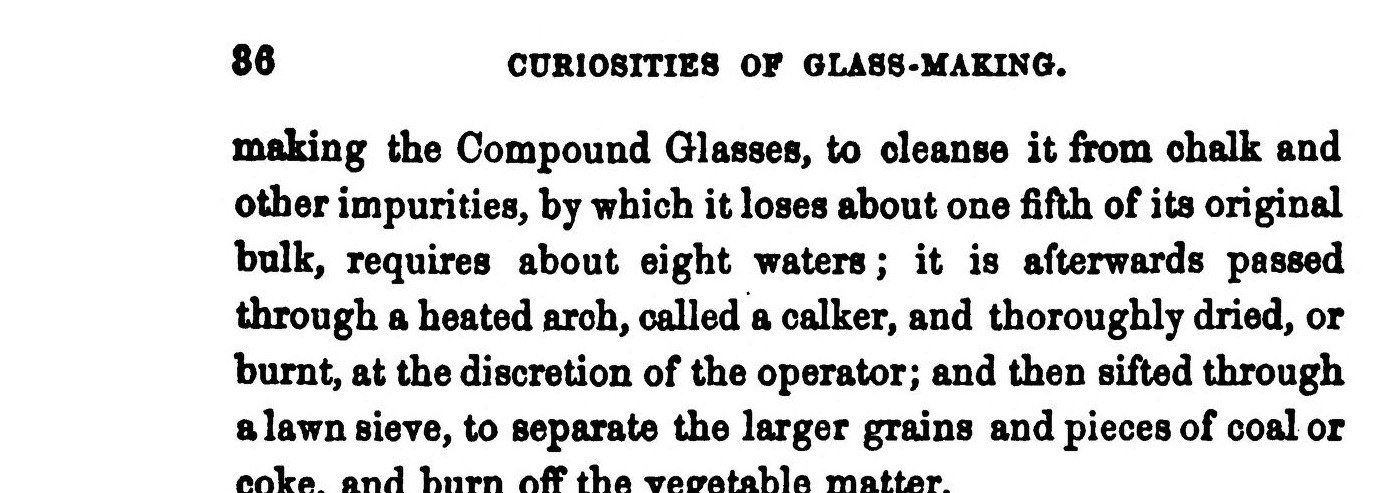


Quartz Sand: Washed and Burnt Glass Sand (Pellatt, 1849)
How an English flint-glass house made its sand fit for glass in 1849: Isle of Wight sand, low in iron, washed by hand in about eight waters to take out chalk and other impurities, dried or burnt in a heated arch called a calker, then sifted through a lawn sieve.
The washing takes away about one fifth of the sand's bulk.
Source: Apsley Pellatt, Curiosities of Glass Making (1849), pp. 35-36. Picture: the book's text.
Beginner
Unknown
Instructions
1
1
Wash the sand
Wash the sand
Wash Isle of Wight sand by hand in about eight waters to cleanse it from chalk and other impurities. It loses about one fifth of its original bulk.
Materials for this step:
 Sand1 Isle of Wight sand
Tools needed:
 Water
 Wooden Tub
2
2
Dry or burn it in the calker
Dry or burn it in the calker
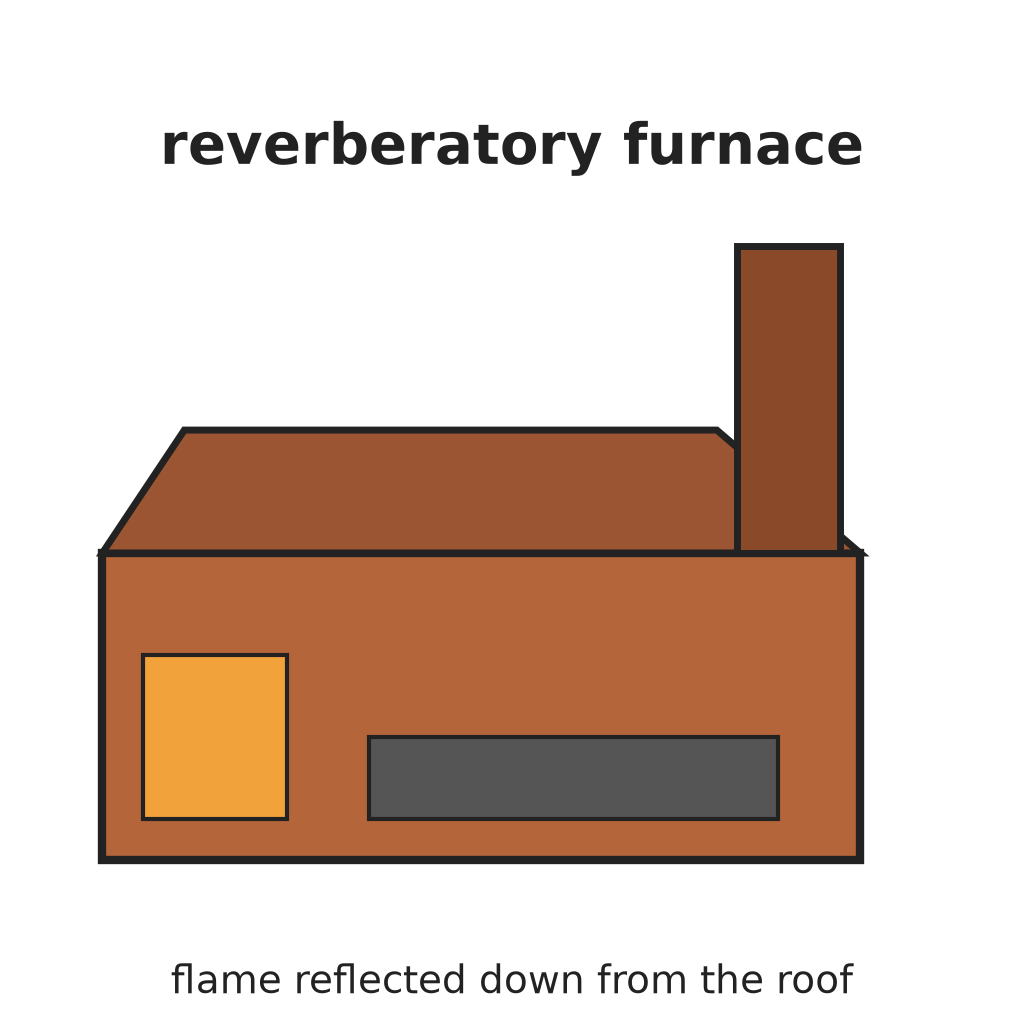
Pass the washed sand through a heated arch called a calker and dry it thoroughly, or burn it, at the operator's discretion.
Tools needed:
 Reverberatory Furnace
3
3
Sift through a lawn sieve
Sift through a lawn sieve
Sift the sand through a lawn sieve to separate the larger grains and pieces of coal or coke, and burn off the vegetable matter.
Tools needed:
 Fine Mesh Sieve
Tools Required
4- Placeholder
- Placeholder
- Placeholder
- Placeholder
This blueprint makes

CC0 Public Domain
This blueprint is released under CC0. You are free to copy, modify, distribute, and use this work for any purpose, without asking permission.
Support the Maker by purchasing products through their Blueprint where they earn a Maker Commission set by Vendors, or create a new iteration of this Blueprint and include it as a connection in your own Blueprint to share revenue.