ART
BEAUTY & WELLNESS
CRAFT
CULTURE & HISTORY
ENTERTAINMENT
ENVIRONMENT
FOOD & DRINKS
REVERSE ENGINEERING
SCIENCES
SPORTS
TECHNOLOGY
WEARABLES
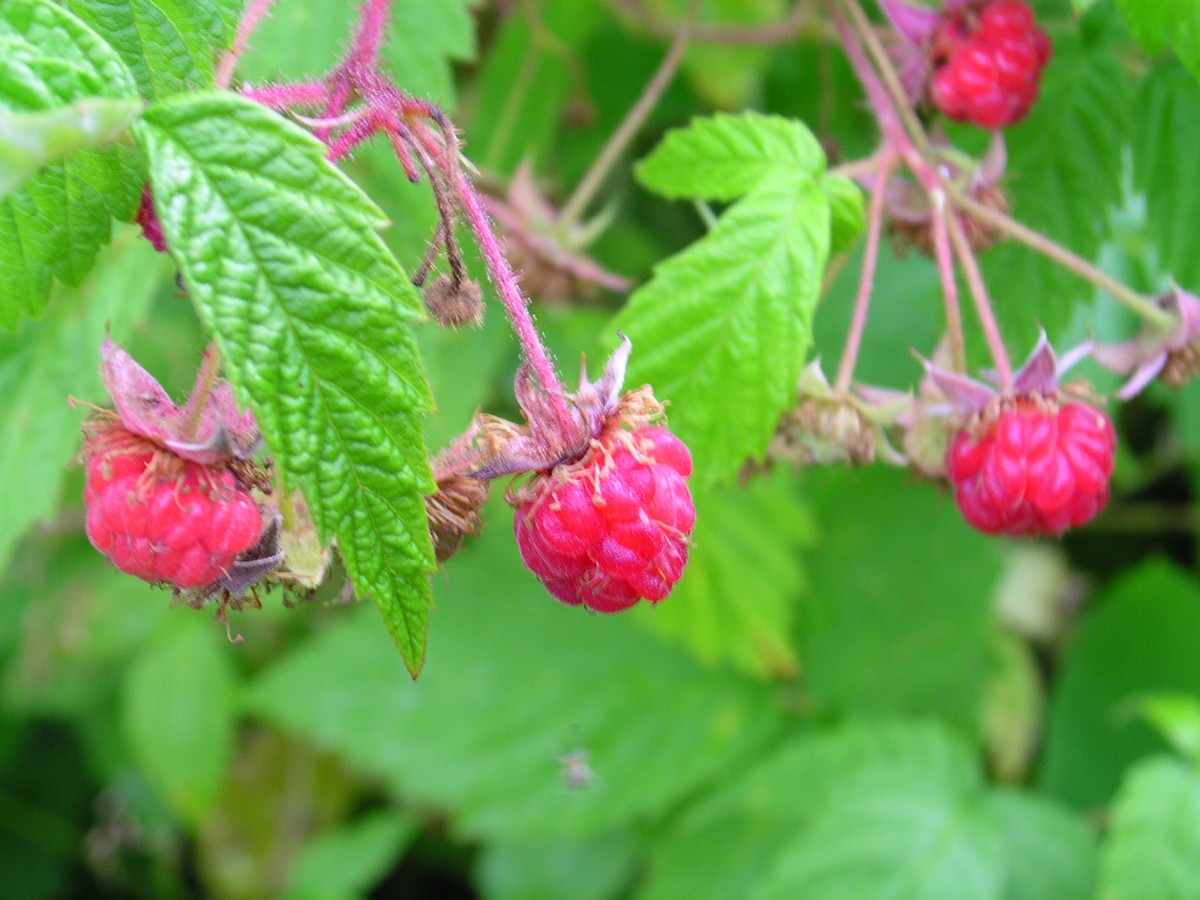


Red Raspberry Root: Wild Red Raspberry Root Dug Out of Sap Time, Dried and Kept in Packets (Densmore, 1928; Britton & Brown, 1913)
The root of wild red raspberry (Rubus strigosus) as the Chippewa kept it: dug out of sap time, cleaned, dried, tied in packets and bagged. Densmore records it as a decoction for dysentery.
Beginner
An hour to dig, a week to dry
Instructions
1
1
Wild raspberry
Wild raspberry
Telling wild raspberry from blackberry (Give it a Grow).
2
2
Know the plant
Know the plant
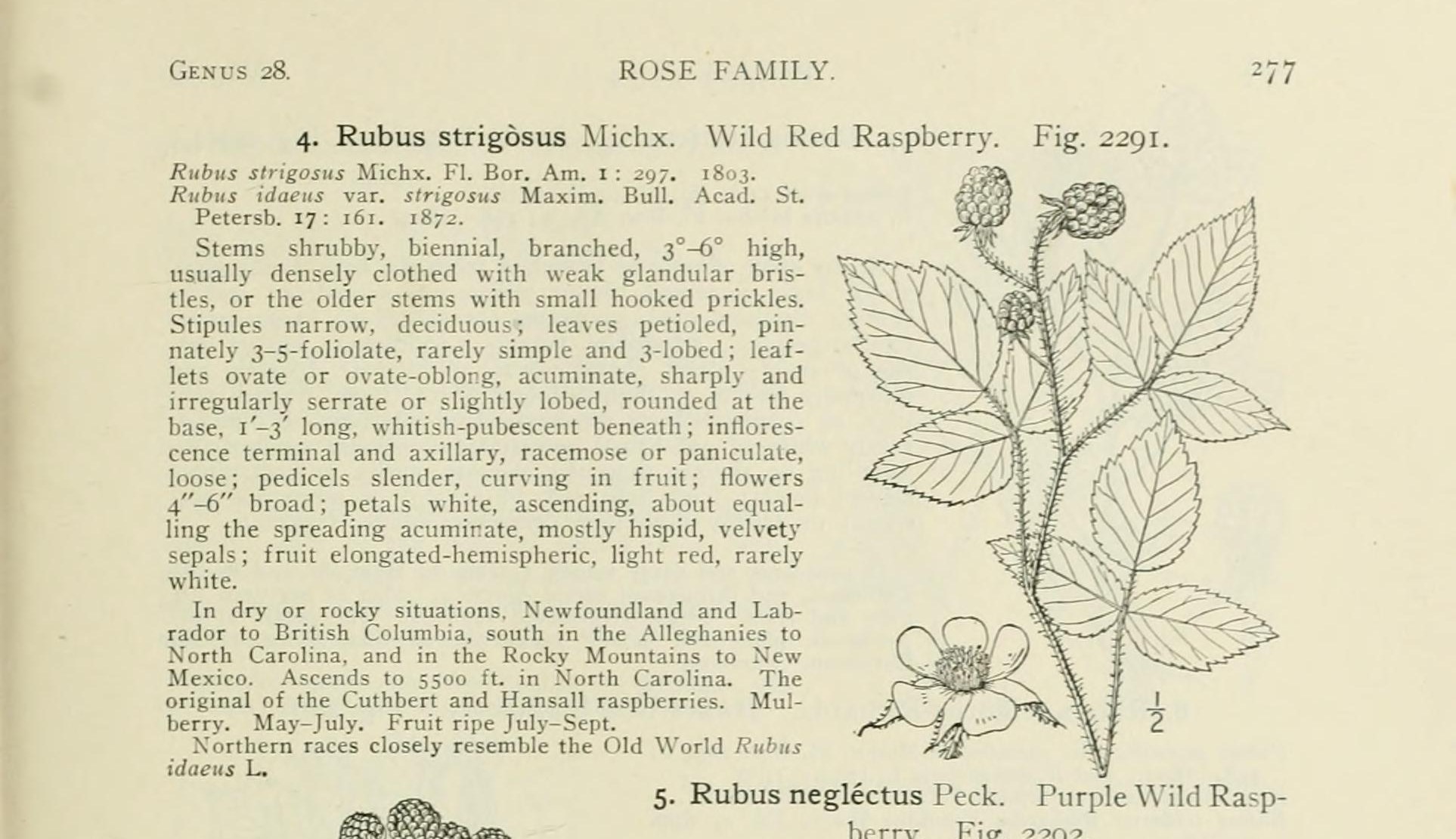
Britton and Brown (1913, vol. II, p. 277), Rubus strigosus, Wild Red Raspberry: shrubby two-year stems 3 to 6 feet, usually densely clothed with weak glandular bristles, the older stems with small hooked prickles; leaves of 3 to 5 leaflets, sharply toothed, whitish-hairy beneath; white flowers; fruit light red; in dry or rocky places, May-July, fruit July-September.
3
3
What the root is for
What the root is for
Densmore (1928, pp. 344-345), for dysentery: red raspberry, part used "Root", "Decoction", taken internally.

4
4
Dig at the right time
Dig at the right time
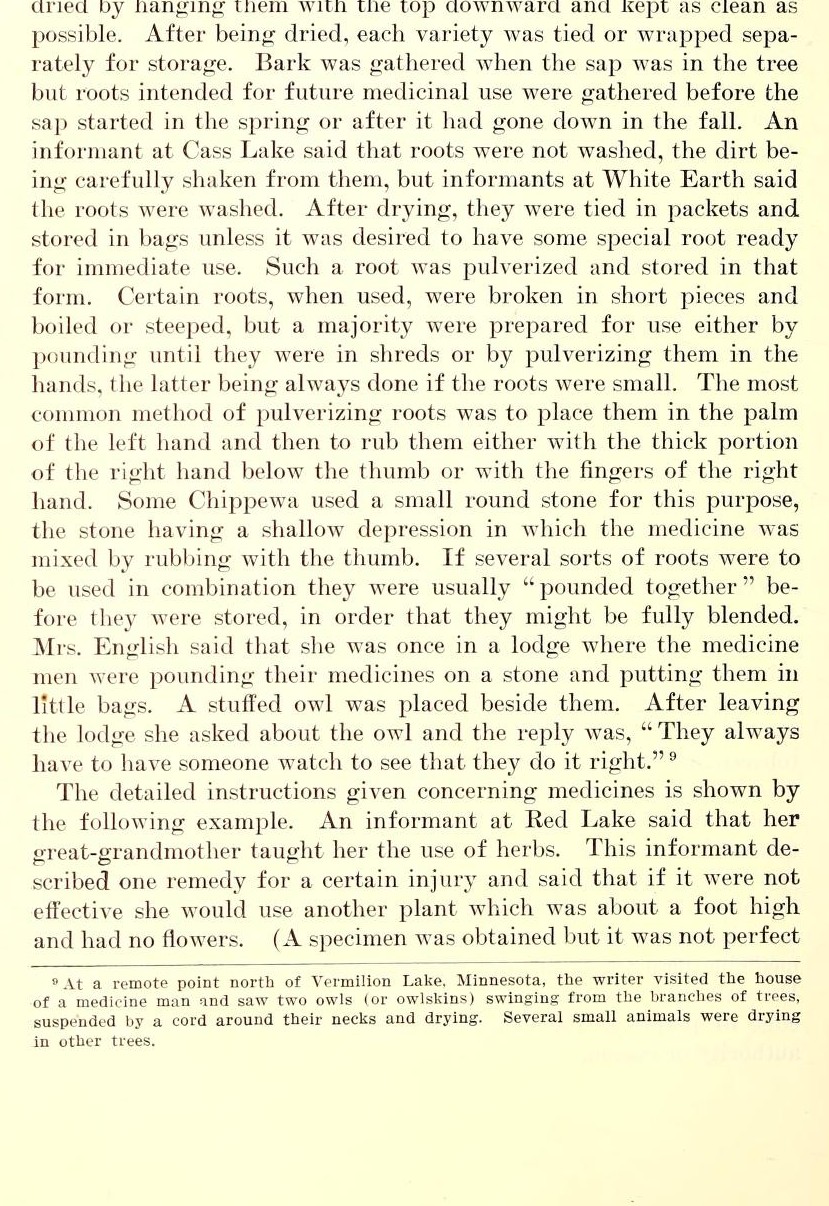
Densmore (p. 326): roots for later use were gathered "before the sap started in the spring or after it had gone down in the fall". Mark the canes while the berries show and come back in autumn (ours); lift the root with a digging stick.
Tools needed:
 Digging Stick
 Bucket
5
5
Clean the roots
Clean the roots
Shake the earth off carefully, as Densmore's Cass Lake informant did, or wash the roots, as at White Earth.
Tools needed:
Bucket6
6
Dry them
Dry them
Spread the roots on a drying screen in an airy, shaded place (ours) and turn them daily until they snap.
Tools needed:
 Drying Screen
7
7
Tie in packets and bag
Tie in packets and bag
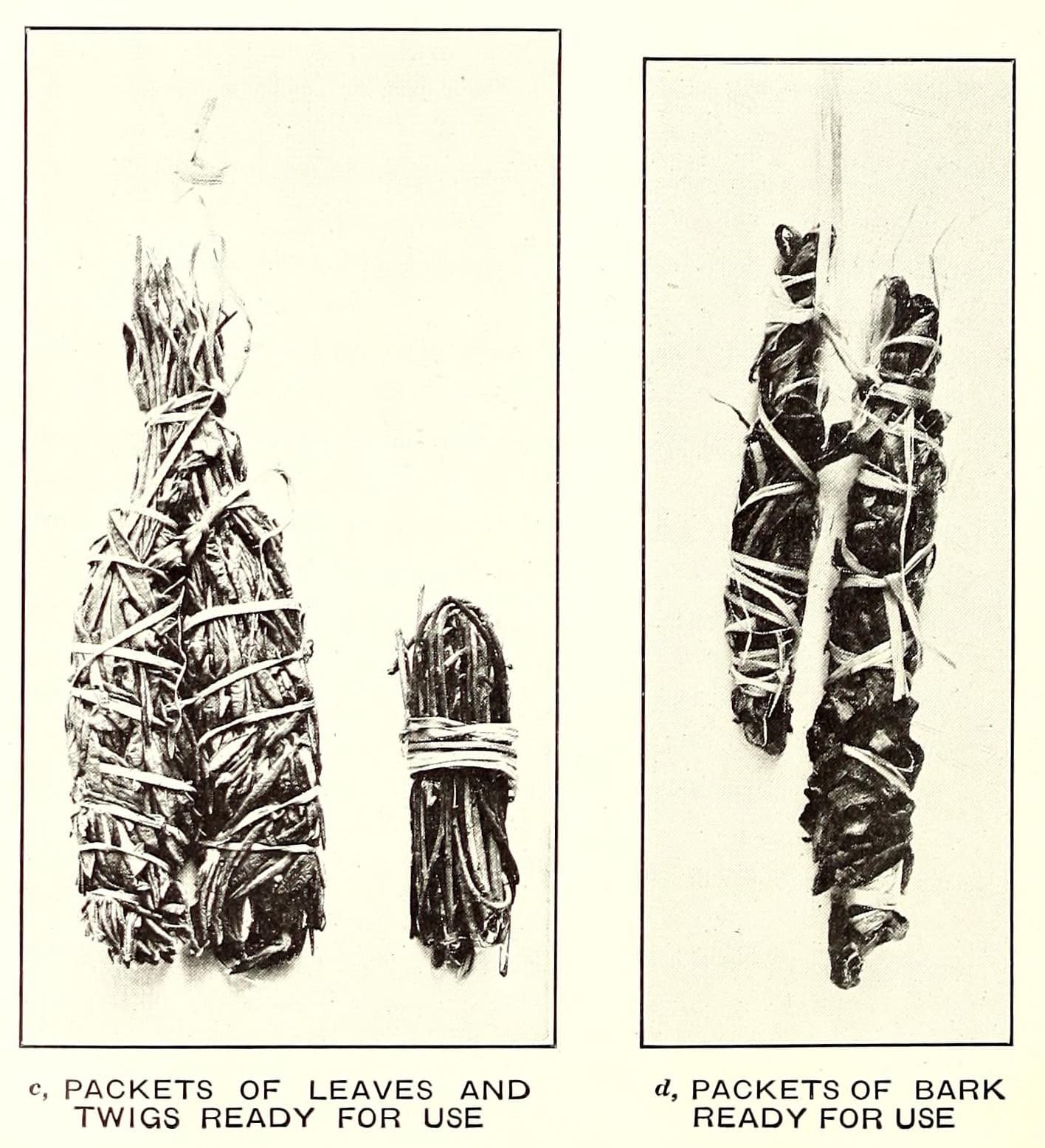
After drying, tie the roots in packets and keep them in a bag, as Densmore records.
Tools needed:
 Cotton Twine
 Linen Bag
8
8
Prepare for use
Prepare for use
When needed, pound the root to shreds or pulverize it (p. 326); a mortar works too (ours).
Tools needed:
 Mortar and Pestle
9
9
Troubleshooting
Troubleshooting
Root problems and fixes.
Flow
Loading...
10
10
Sources and honest limits
Sources and honest limits
Frances Densmore, Uses of Plants by the Chippewa Indians (1928), pp. 326 and 344-345; N. L. Britton and A. Brown, An Illustrated Flora of the Northern United States, vol. II (1913), p. 277. The drying screen and mortar are ours. Be sure of the plant before digging, and dig only where it is plentiful and allowed. The cover shows wild red raspberry in Superior National Forest, Minnesota (Superior National Forest, CC BY 2.0, Wikimedia Commons). Not made by us yet.
Tools Required
6- Placeholder
- Placeholder
- Placeholder
- Placeholder
- Placeholder
- Placeholder
Connected Blueprint Materials
This blueprint makes
CC0 Public Domain
This blueprint is released under CC0. You are free to copy, modify, distribute, and use this work for any purpose, without asking permission.
Support the Maker by purchasing products through their Blueprint where they earn a Maker Commission set by Vendors, or create a new iteration of this Blueprint and include it as a connection in your own Blueprint to share revenue.