ART
BEAUTY & WELLNESS
CRAFT
CULTURE & HISTORY
ENTERTAINMENT
ENVIRONMENT
FOOD & DRINKS
REVERSE ENGINEERING
SCIENCES
SPORTS
TECHNOLOGY
WEARABLES
Translated
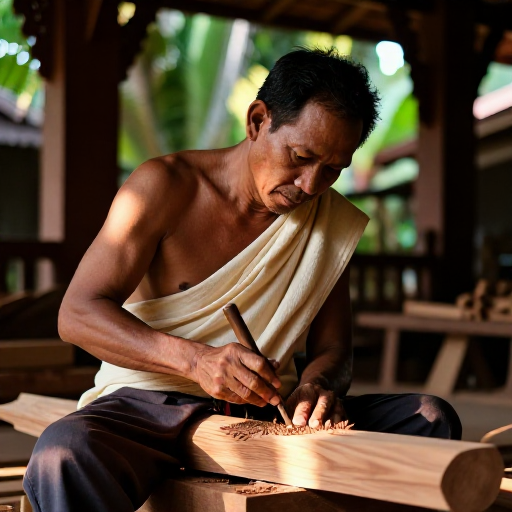

Ruea Mat (Thai Dugout Boat) — Hollowed from a Whole Log, Round-Bottomed and Flat-Ended, Fire-Opened with Rice Husk and Spread with a Kong Dit
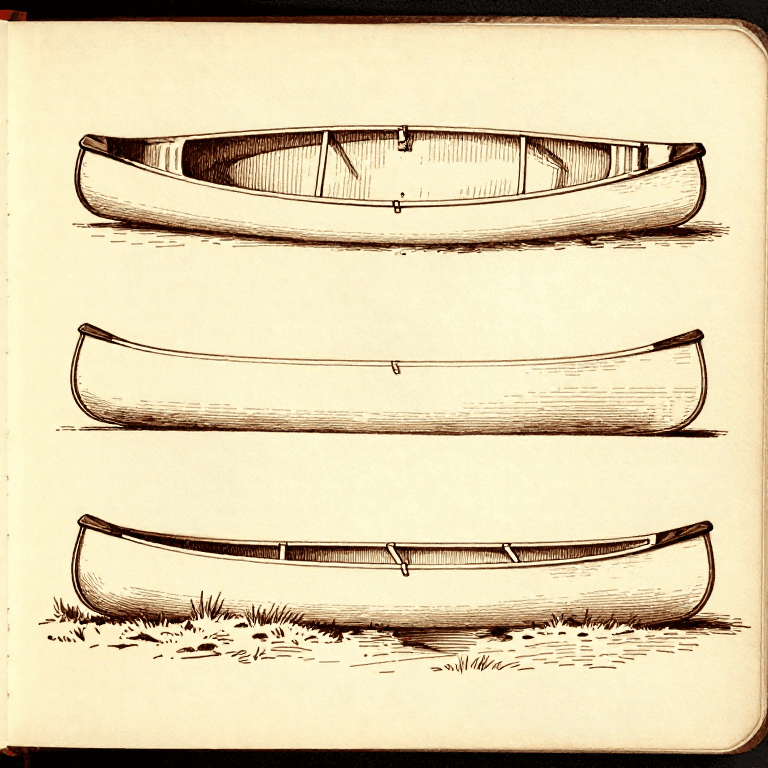
เรือมาด (ruea mat) is a large dugout boat hollowed from a whole log, usually golden teak or takhian (Hopea odorata). It has a round bottom and flat ends, a wider bottom than the ruea phai ma, and a mouth spread open but with no added gunwale strake.
This blueprint hollows a real ruea mat by the method in the source.
Advanced
A rather long time
Instructions
1
1
Figures and stages
Figures and stages
Loading Jupyter Notebook...
2
2
Dugouts, before it
Dugouts, before it
The prehistoric dugout was hollowed from a log with fire and adze; the ruea mat uses the same method, then spreads the mouth open with heat.
3
3
Read from the source
Read from the source
"Rice husk is put into the groove and set alight to heat the hull and open the mouth ... When the husk has burnt out, the builder puts out the fire with water and hews away the charred wood with an axe, repeating this until the hull is as deep as wanted. This stage is called boek fai." (Sirindhorn Anthropology Centre, authors ศรสวรรค์ แนบเนื้อ (Sonsawan Naepnuea) and รุ้งตะวัน อ่วมอินทร์ (Rungtawan Uam-in), CC BY 4.0)
4
4
Rough-out (klon ruea)
Rough-out (klon ruea)
Choose a tall, straight teak or takhian log of a girth suited to the boat. Decide which end is bow and which stern, lay the log on blocks (mon) and fix it firmly with wedges. Find the centre, set the width and length of the mouth, then hew it into a rough boat shape, called klon ruea.
Materials for this step:
 Log1 piece
 Wooden Wedges1 piece
Tools needed:
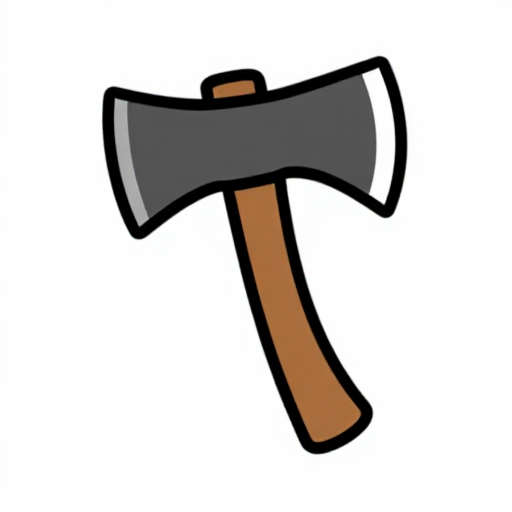 Axe
Axe5
5
Mat and groove
Mat and groove
Saw open the mouth and trim the stern left and right into a rough boat shape, called mat. Turn the boat over and hew along the mat line with an adze or axe. Turn it upright and gouge a groove inside with the adze from the ends to the middle, leaving about two sok, or some 60 cm, at bow and stern.
Tools needed:
 Hand Saw
 Adze
Adze6
6
Fire-opening (boek fai)
Fire-opening (boek fai)
Put rice husk in the groove and set it alight to heat the hull, or turn the boat over to roast it, driving out moisture and softening the wood. Judge the amount of husk. When it has burnt out, put out the fire with water and hew away the charred wood with the axe. Repeat until the hull is deep enough. Do not let the fire eat into the hull walls; always keep water ready to put it out; take care with the adze and axe when hewing.
Tools needed:
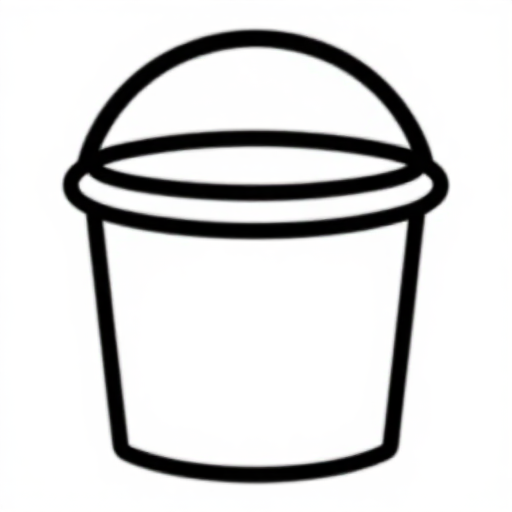 Bucket
7
7
Spreading (boek ruea)
Spreading (boek ruea)
Turn the boat and use a kong dit to grip both gunwales and spread them apart together, with props inside the hull so the heat-softened sides open into the boat's shape. Leave it 2-3 days to set, then remove the props. Spreading can be repeated until the width is right.
Materials for this step:
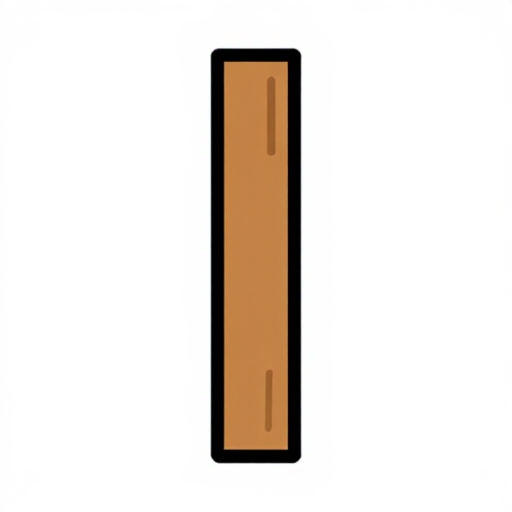 Sturdy Timber Pole1 piece
8
8
Real photo and use
Real photo and use
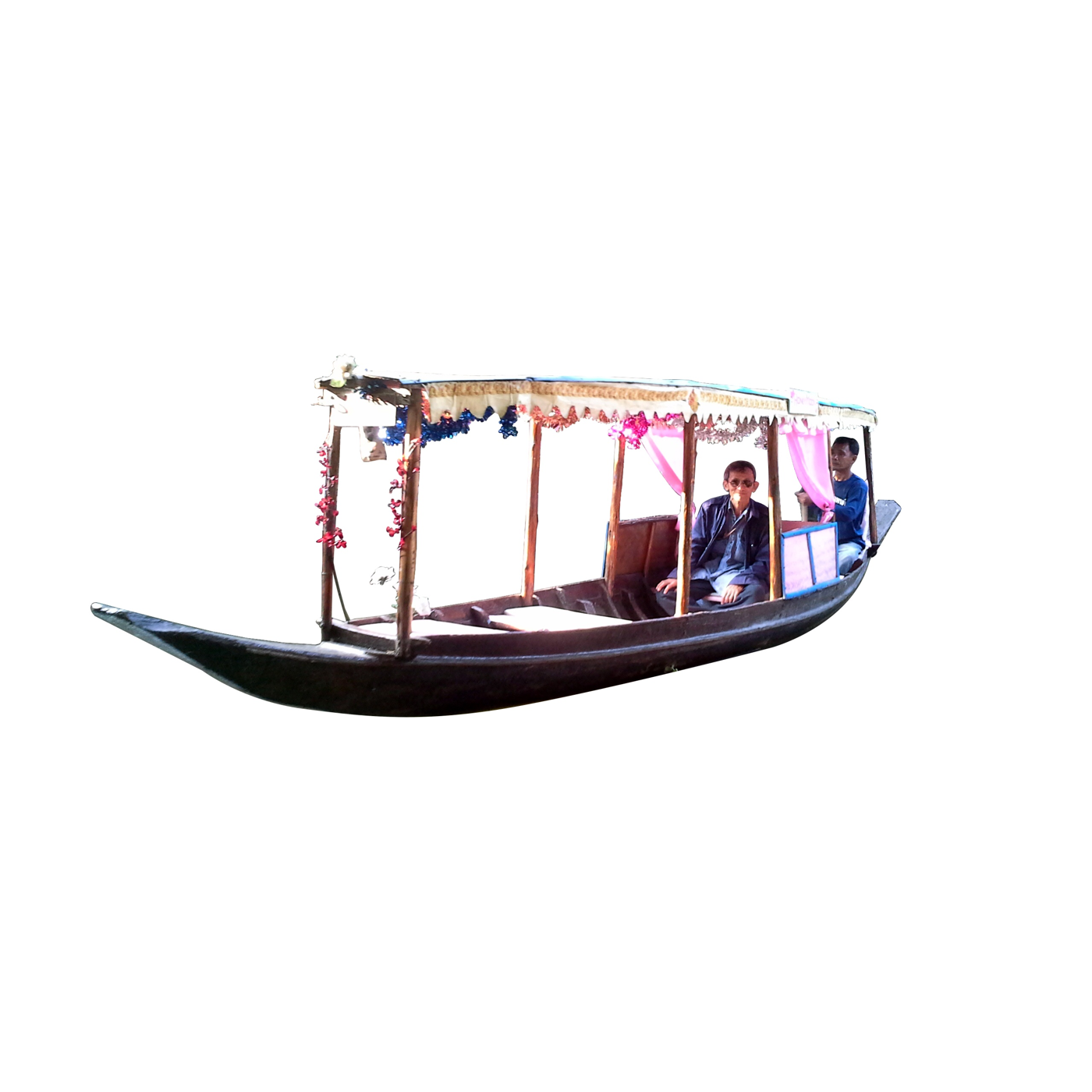
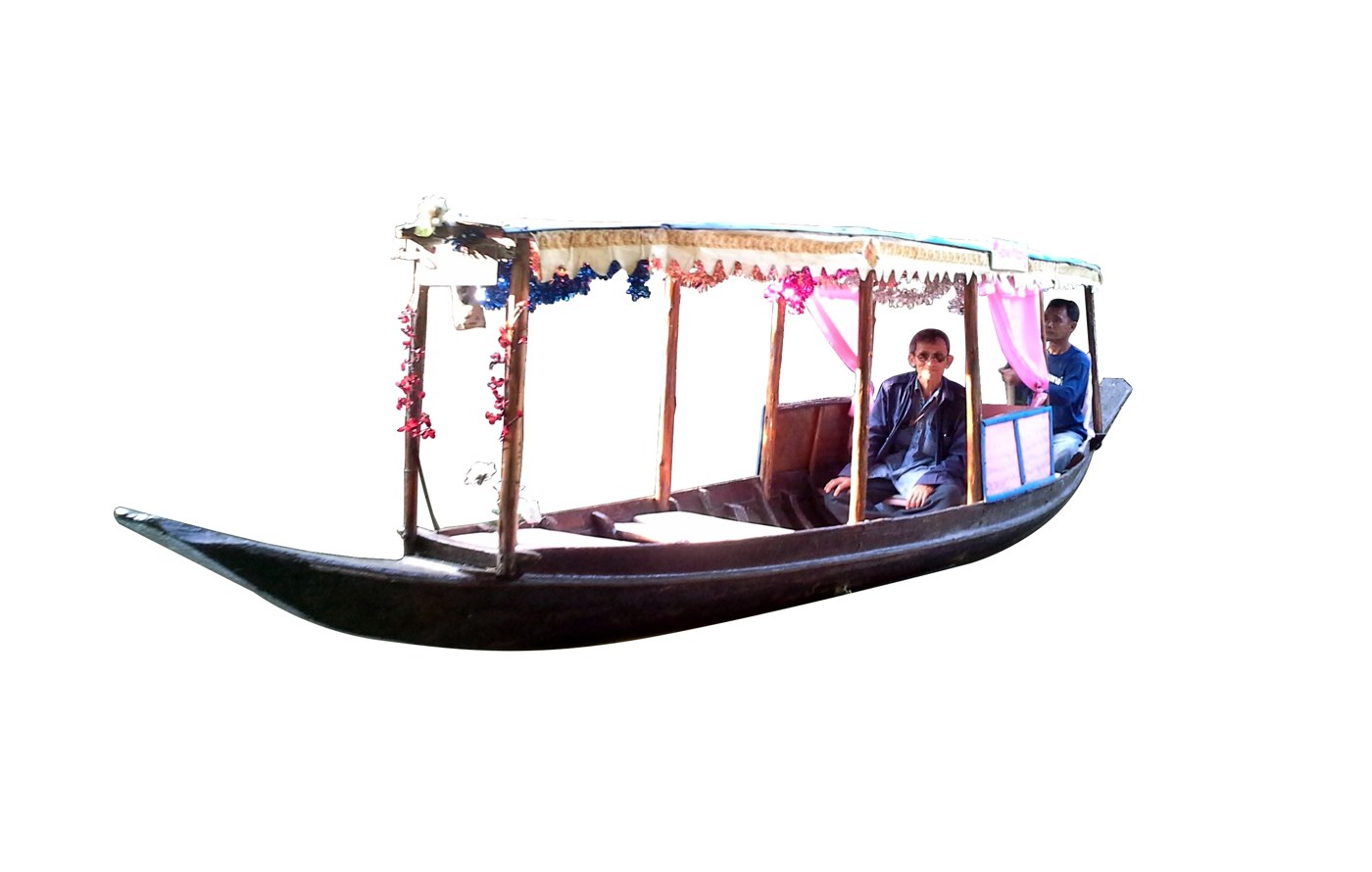
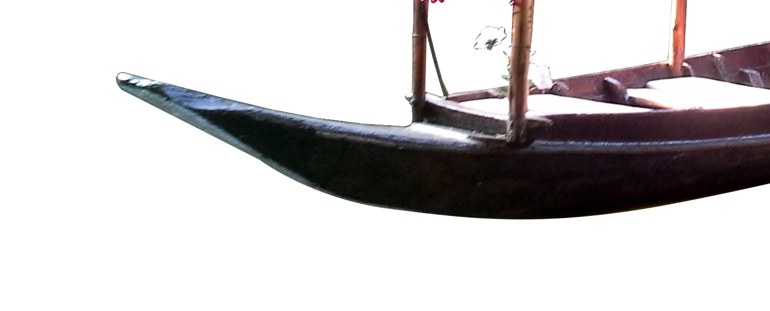
Once finished, the boat must be tested several times to see that it works as wanted. Large ruea mat carry paddy or fruit to market with several jaeo (standing oars); medium ones use two jaeo or a pole; small ones a paddle. The photo shows a small ruea mat with a canopy at the Khlong Lat Mayom floating market (Sirindhorn Anthropology Centre, authors ศรสวรรค์ แนบเนื้อ (Sonsawan Naepnuea) and รุ้งตะวัน อ่วมอินทร์ (Rungtawan Uam-in), CC BY 4.0).
9
9
Troubleshooting
Troubleshooting
Troubleshooting the ruea mat.
Flow
Loading...
10
10
History and limits
History and limits
La Loubère recorded that the Siamese hollowed boats from a single log 16-20 wa long and opened the mouth outward with heat. The ruea mat was a key vehicle for the people of Khlong Lat Mayom; later, plank-built and motor boats took over because they were handier and lighter. Hollowing a boat takes practice to master. Do not let the fire eat into the hull walls; always keep water ready to put it out; take care with the adze and axe when hewing.
Source: Sirindhorn Anthropology Centre, Traditional Objects of Everyday Use database, "เรือมาด", authors ศรสวรรค์ แนบเนื้อ (Sonsawan Naepnuea) and รุ้งตะวัน อ่วมอินทร์ (Rungtawan Uam-in), Khlong Lat Mayom floating market, Bangkok (CC BY 4.0 licence).
**Limits** The source gives no log or boat size, and there is no listing for rice husk or the kong dit, so they are named in the text.
Materials
3- 1 piecePlaceholder
- 1 piecePlaceholder
- 1 piecePlaceholder
Related Blueprints
These blueprints share knowledge with this one — techniques, materials, or principles that connect them in the learning graph.

CC0 Public Domain
This blueprint is released under CC0. You are free to copy, modify, distribute, and use this work for any purpose, without asking permission.
Support the Maker by purchasing products through their Blueprint where they earn a Maker Commission set by Vendors, or create a new iteration of this Blueprint and include it as a connection in your own Blueprint to share revenue.