ART
BEAUTY & WELLNESS
CRAFT
CULTURE & HISTORY
ENTERTAINMENT
ENVIRONMENT
FOOD & DRINKS
REVERSE ENGINEERING
SCIENCES
SPORTS
TECHNOLOGY
WEARABLES
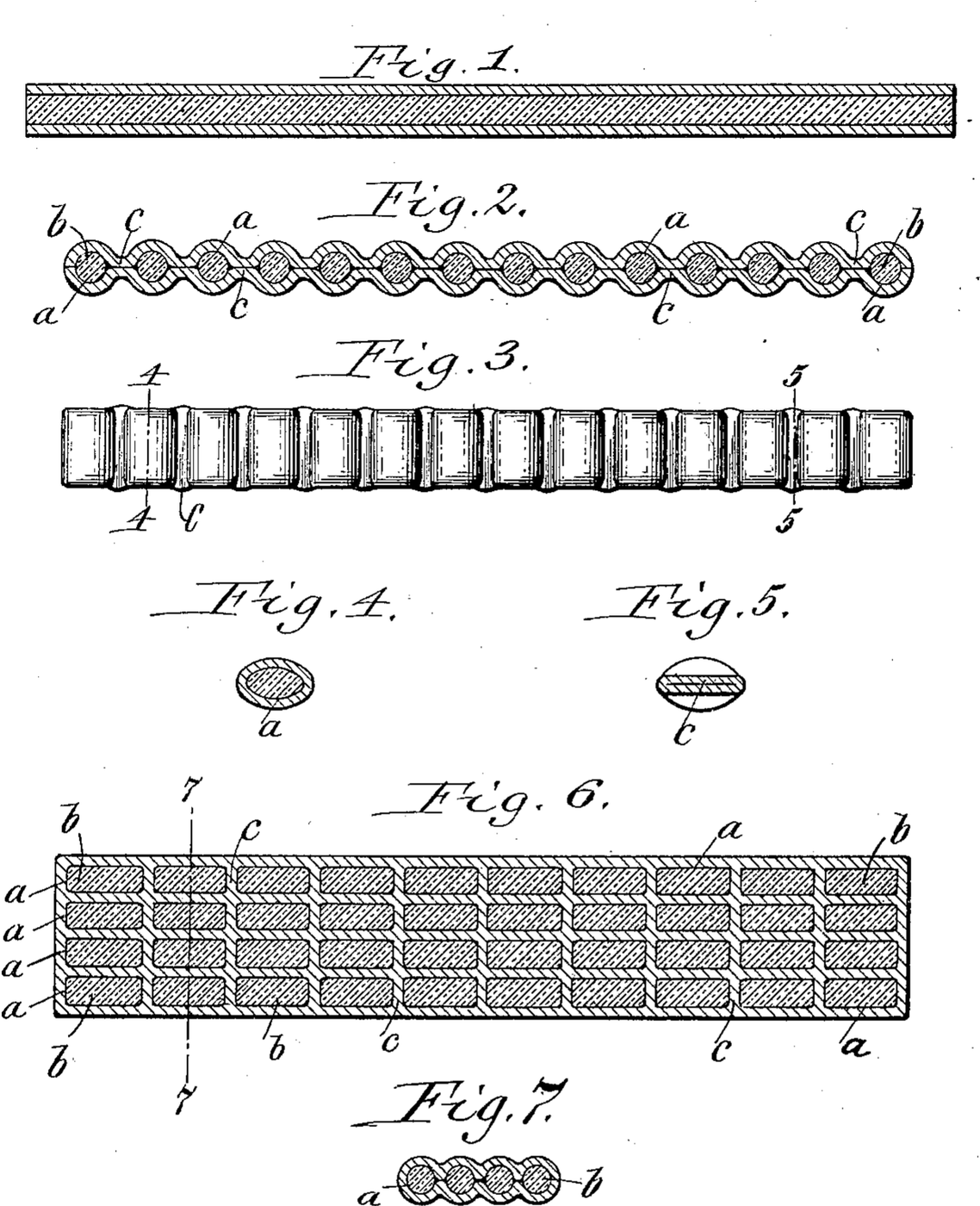


Self-Fluxing Solder with Flux Cells: Kester, 1899
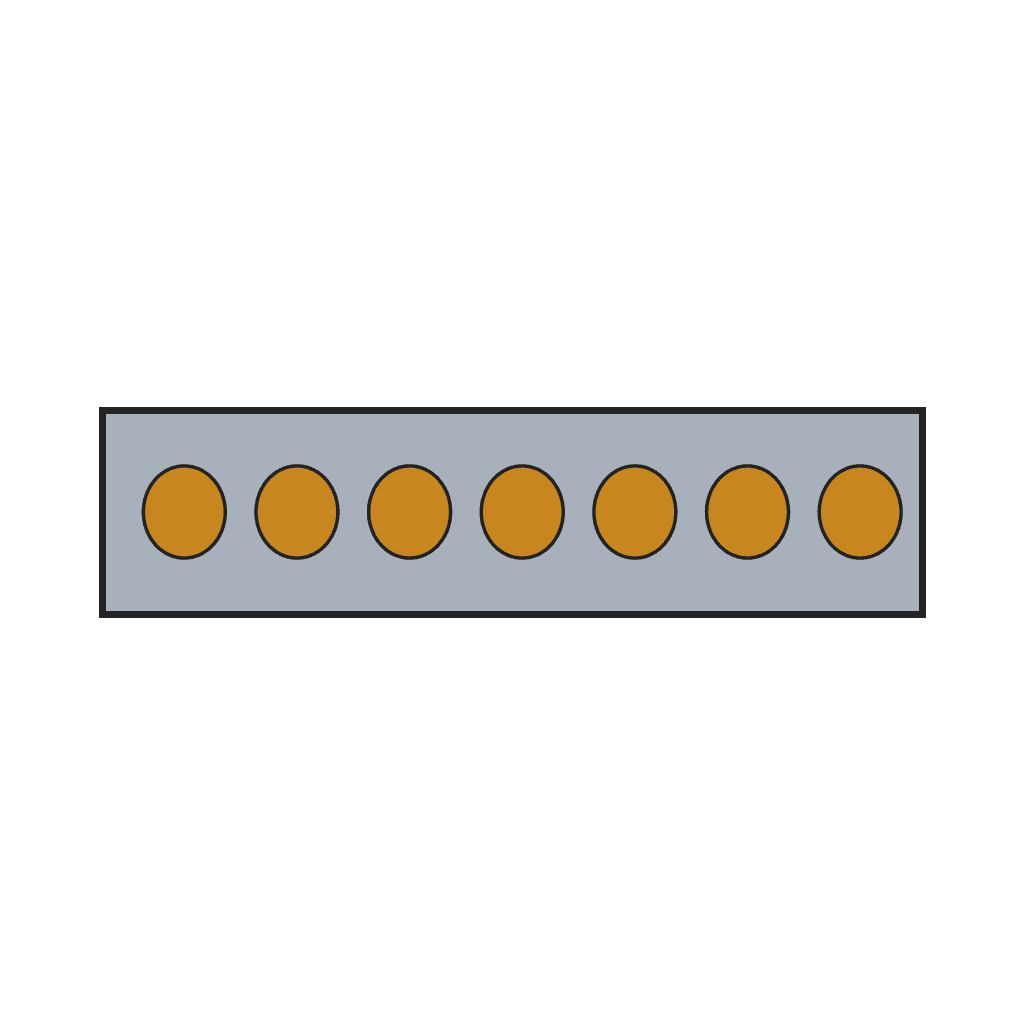
Jesse F. Kester of Buffalo, New York, patented this solder in 1899, US 628,541. Solder wire with one continuous core of flux already existed, but the flux melts at a lower heat than the solder, so it melted some distance back from the end, too much ran out at each joint, and little was left near the end for the next. Kester divided the flux into a row of separate closed cells: each melt opens one cell and supplies a uniform charge of flux.
Intermediate
Workshop process
Instructions
1
1
Groove the wire
Groove the wire
Pass ordinary wire solder lengthwise between rollers to make it trough-shaped in cross-section. (Kester's preferred route starts instead from a tube or hollow wire of solder, filled with the flux.)
Materials for this step:
 Solder Wire1 as required
Tools needed:
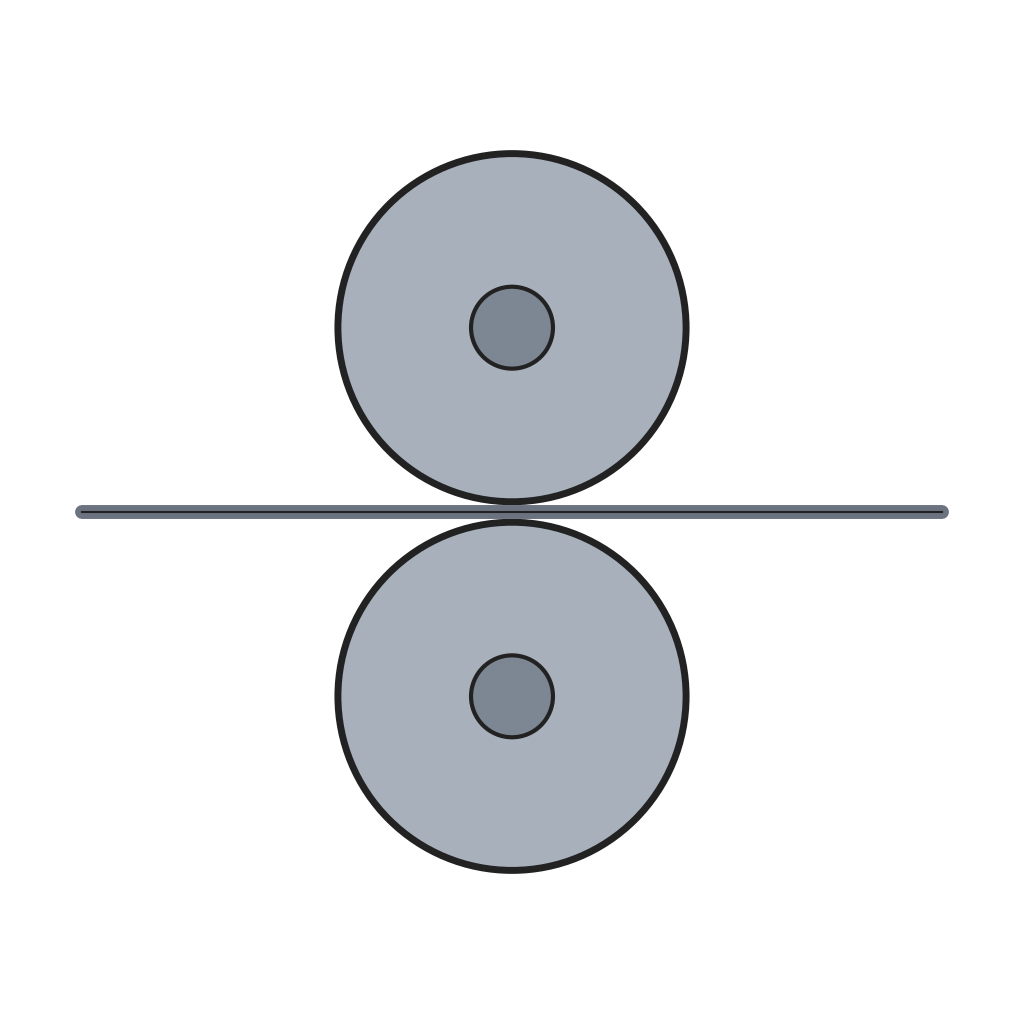 Wire Forming Rollers
2
2
Fill and close
Fill and close
Fill the groove with a suitable flux, in dry, plastic or liquid form. Close the edges of the solder together again, giving the wire a rounded or oval cross-section.
Materials for this step:
 Flux1 as required
Tools needed:
Wire Forming Rollers3
3
Pinch into cells
Pinch into cells
Corrugate the filled wire between rollers, or pinch it at intervals of about three-sixteenths of an inch, pressing the walls together into webs. Each web closes off a cell, so the flux is held in a row of separate, uniform charges and cannot run out of the solder.
Tools needed:
Wire Forming Rollers4
4
Wide bars
Wide bars
For wide bars, such as roofers use, form several rows of cells, in straight rows from end to end or in diagonal rows of lozenge-shaped cells. A solid bar or rod can also have cells formed in its surface, filled with flux and closed by a covering strip pressed on.
This blueprint makes
Related Blueprints
These blueprints share knowledge with this one — techniques, materials, or principles that connect them in the learning graph.

CC0 Public Domain
This blueprint is released under CC0. You are free to copy, modify, distribute, and use this work for any purpose, without asking permission.
Support the Maker by purchasing products through their Blueprint where they earn a Maker Commission set by Vendors, or create a new iteration of this Blueprint and include it as a connection in your own Blueprint to share revenue.