ART
BEAUTY & WELLNESS
CRAFT
CULTURE & HISTORY
ENTERTAINMENT
ENVIRONMENT
FOOD & DRINKS
REVERSE ENGINEERING
SCIENCES
SPORTS
TECHNOLOGY
WEARABLES
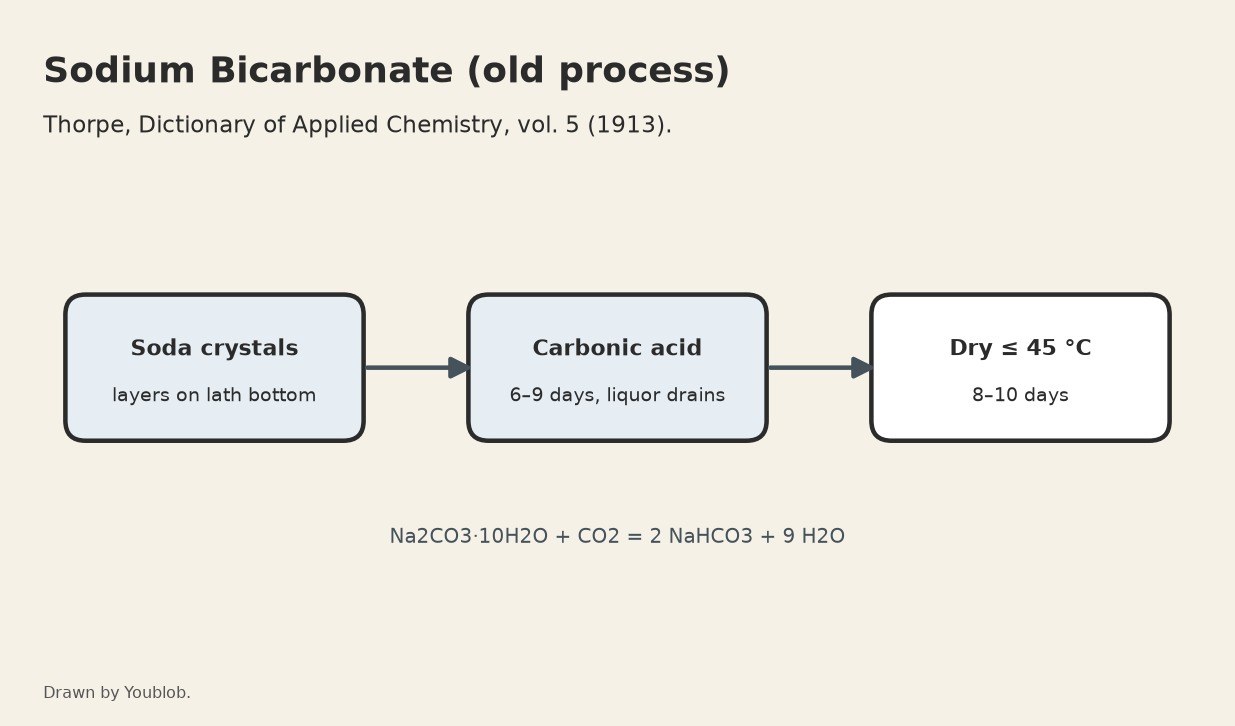


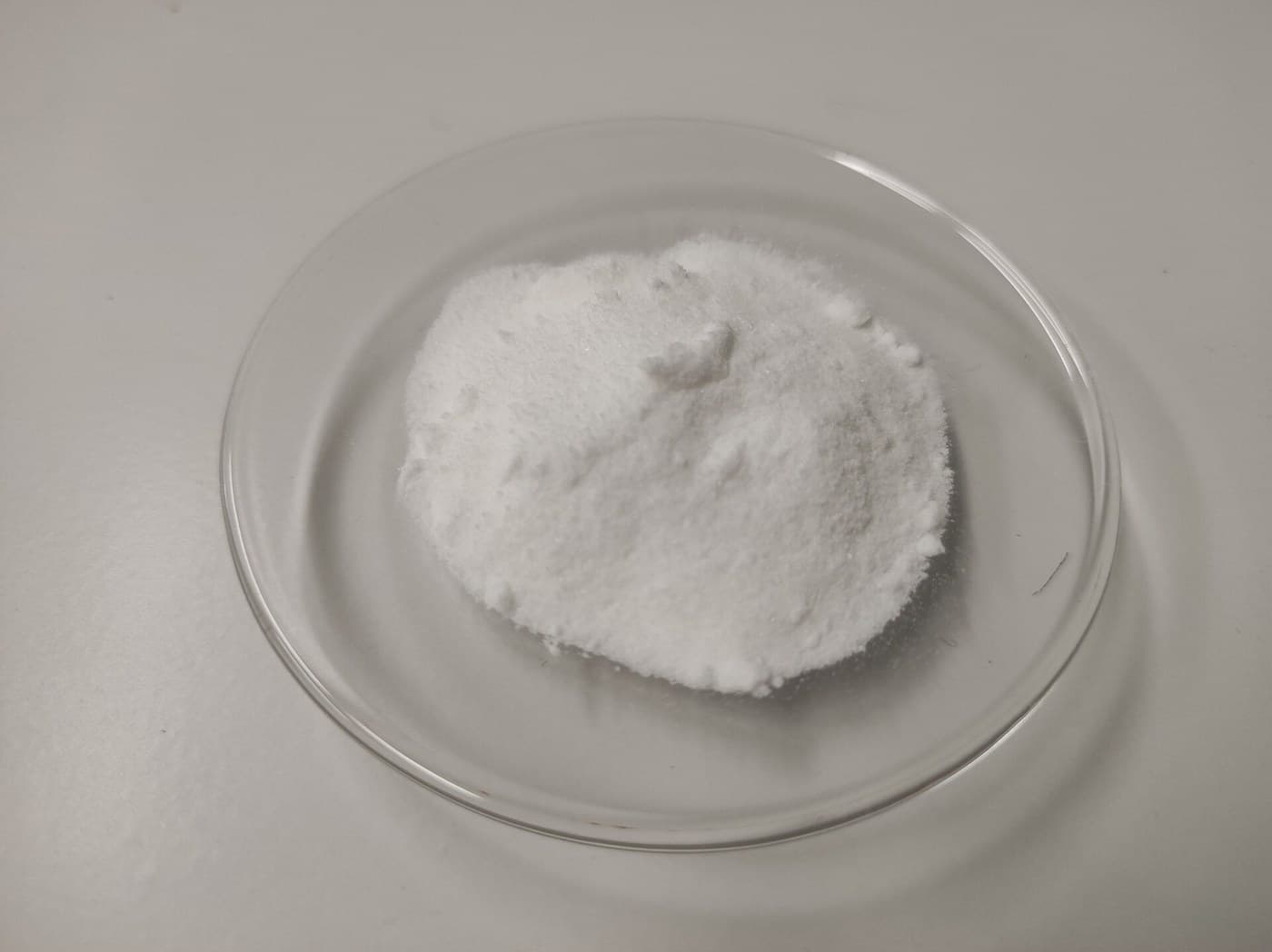
Sodium Bicarbonate: Soda Crystals Exposed to Carbonic Acid in Chambers (the Old Process)
Before the ammonia-soda works, baking soda was made by simply letting carbonic acid gas soak into soda crystals, as Thorpe's Dictionary (1913) describes. The crystals stand in layers on a lath false bottom; the gas comes in below, nine of the crystals' ten molecules of water drain away as mother liquor, carrying the impurities with it, and after 6 to 9 days the crystals have turned into loose, damp bicarbonate in their own shape. It is dried at no more than 45 °C.
The picture: our diagram.
Beginner
3 weeks
Instructions
1
1
Stack soda crystals on the lath bottom
Stack soda crystals on the lath bottom
Put ordinary soda crystals (yellow or inferior ones do as well) in regular layers on a false bottom of laths in a closed chamber (preferably iron), leaving space below for the drainage.
Materials for this step:
 Washing Soda1 as required
Tools needed:
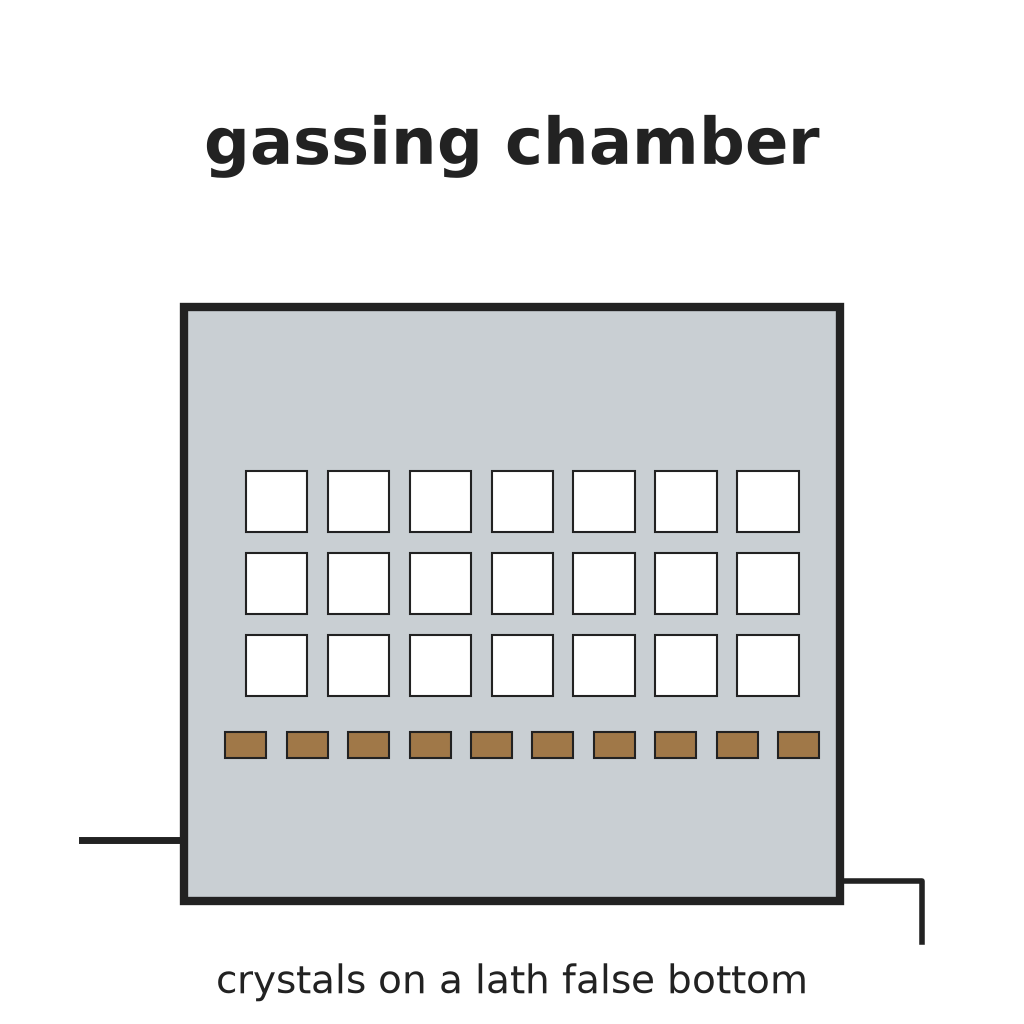 Gassing Chamber with Lath False Bottom
 Rubber Gloves
2
2
Pass in carbonic acid for 6 to 9 days
Pass in carbonic acid for 6 to 9 days
Lead carbonic acid gas in below the false bottom; it is usually made from calcium carbonate and hydrochloric acid (ours: whiting in a gas generator). The mother liquor drains off through a U-tube in the chamber bottom. The process is finished when this flow stops, generally in 6 to 9 days.
Materials for this step:
 Calcium Carbonate - Whiting1 as required
 Hydrochloric Acid1 as required
Tools needed:
 Gas GeneratorGassing Chamber with Lath False Bottom
 Chemical Splash GogglesRubber Gloves
3
3
Dry at no more than 45 °C
Dry at no more than 45 °C
Open the chamber: the bicarbonate keeps the shape of the crystals but is a loose, very damp powder. Dry it in a stove at no more than 45 °C; this generally takes 8 to 10 days. Ours: a drying oven.
Tools needed:
 Drying Oven
 Thermometer - Lab
Materials
3- 1 as requiredPlaceholder
- 1 as requiredPlaceholder
- 1 as requiredPlaceholder
Tools Required
6- Placeholder
- Placeholder
- Placeholder
- Placeholder
- Placeholder
- Placeholder
This blueprint makes

Related Blueprints
These blueprints share knowledge with this one — techniques, materials, or principles that connect them in the learning graph.
CC0 Public Domain
This blueprint is released under CC0. You are free to copy, modify, distribute, and use this work for any purpose, without asking permission.
Support the Maker by purchasing products through their Blueprint where they earn a Maker Commission set by Vendors, or create a new iteration of this Blueprint and include it as a connection in your own Blueprint to share revenue.