ART
BEAUTY & WELLNESS
CRAFT
CULTURE & HISTORY
ENTERTAINMENT
ENVIRONMENT
FOOD & DRINKS
REVERSE ENGINEERING
SCIENCES
SPORTS
TECHNOLOGY
WEARABLES
Hazardous


Sprengel Mercury Pump
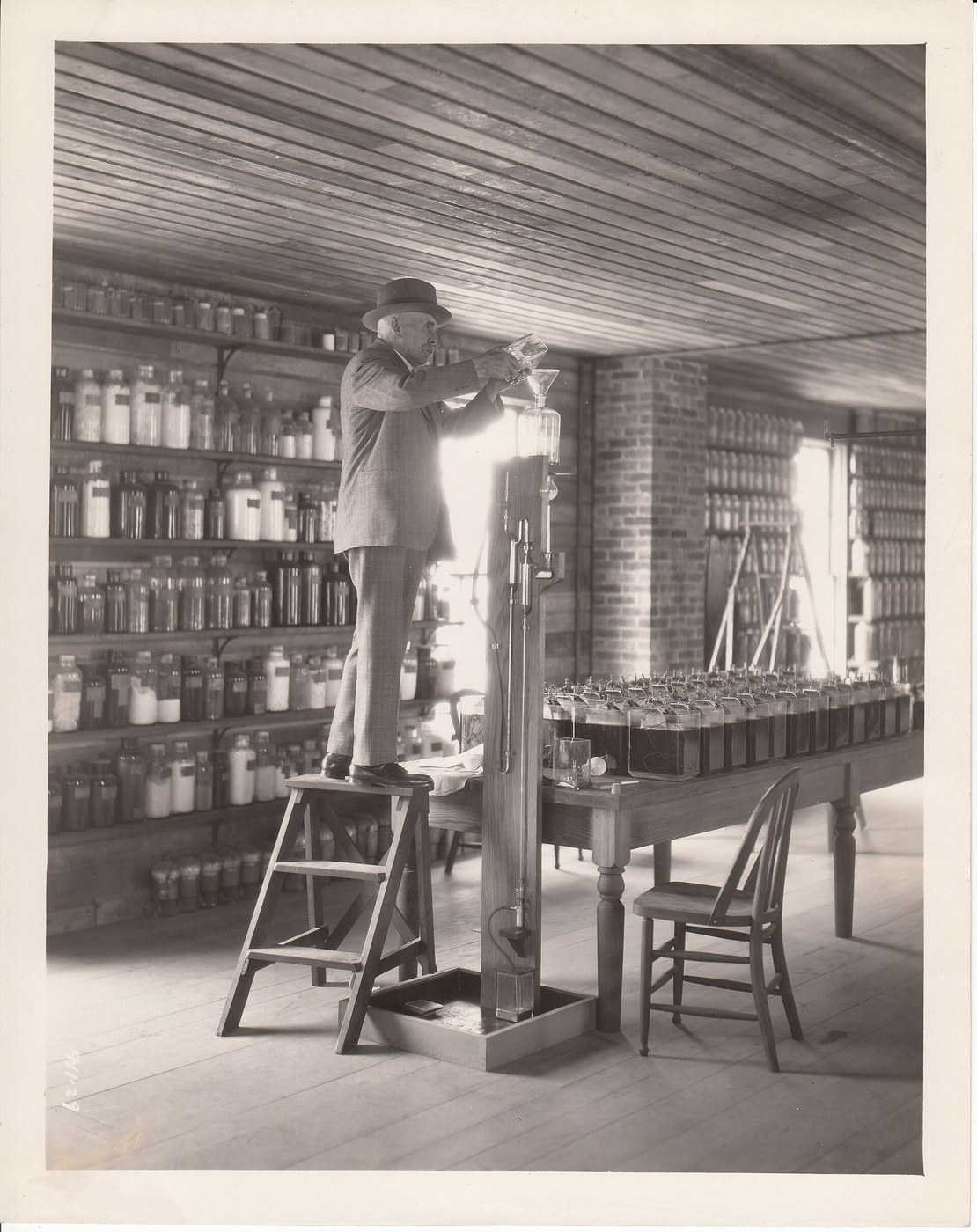
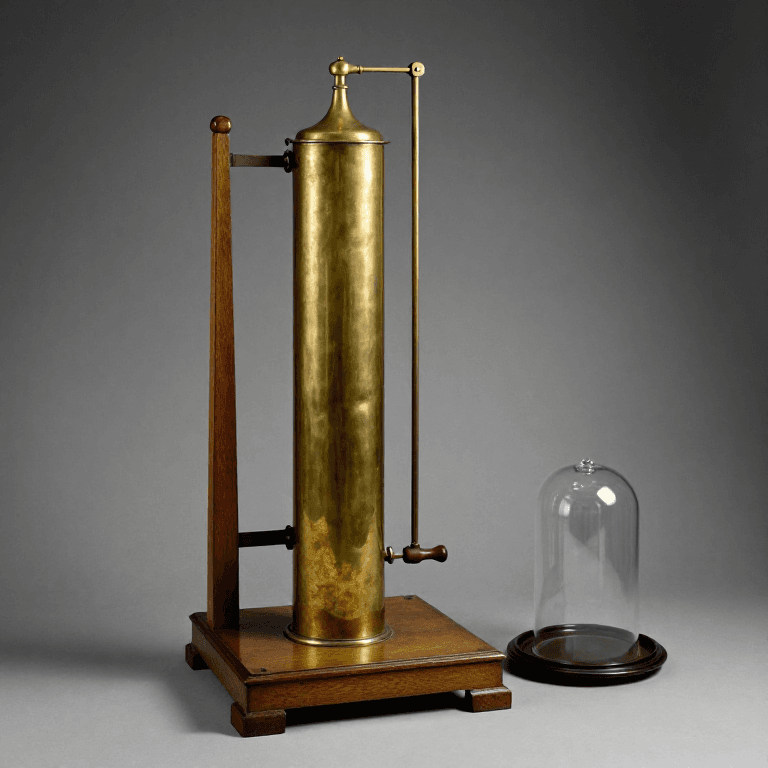
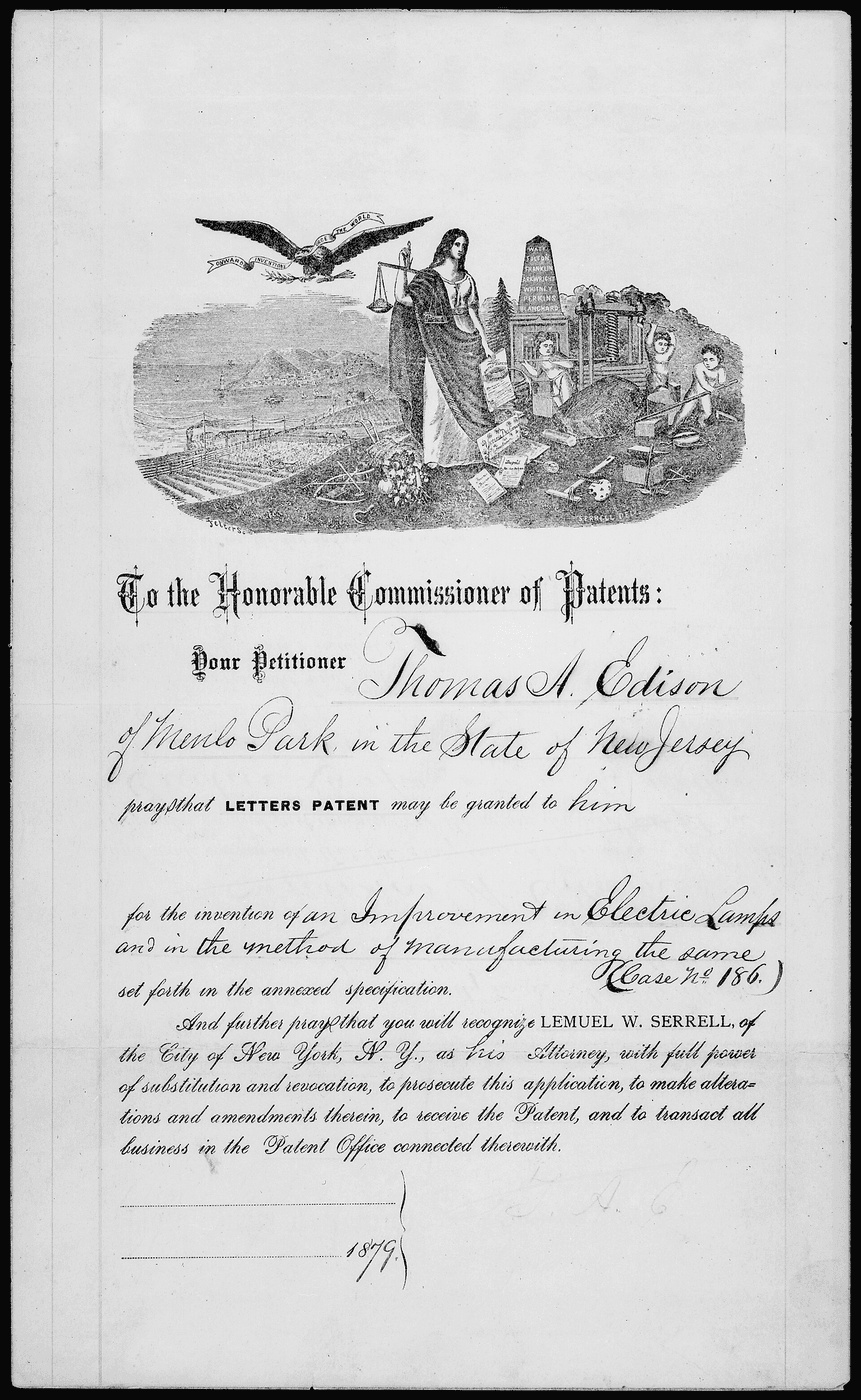
A piston pump is limited by its seals and by the dead space that re-expands each stroke. Hermann Sprengel's pump of 1865 has neither, because it has no piston at all. Mercury drops fall down a narrow tube, and each drop traps a slug of gas between itself and the drop behind it, carrying that gas down and out. There is no sliding seal to leak, no valve to fail, and no dead volume — so it keeps working long after a mechanical pump has stalled, reaching pressures thousands of times lower. It is slow and it uses a large quantity of mercury, which is genuinely dangerous. But without it there would have been no incandescent lamp: Edison's team used a Sprengel pump to evacuate their bulbs, and the lamp only became practical once the vacuum was good enough.
Advanced
5 hours
Hazardous content
This blueprint contains hazardous procedures. Log in and enable hazardous content in your account settings to view the step-by-step instructions.
Sign inRelated Blueprints
These blueprints share knowledge with this one — techniques, materials, or principles that connect them in the learning graph.


CC0 Public Domain
This blueprint is released under CC0. You are free to copy, modify, distribute, and use this work for any purpose, without asking permission.
Support the Maker by purchasing products through their Blueprint where they earn a Maker Commission set by Vendors, or create a new iteration of this Blueprint and include it as a connection in your own Blueprint to share revenue.