ART
BEAUTY & WELLNESS
CRAFT
CULTURE & HISTORY
ENTERTAINMENT
ENVIRONMENT
FOOD & DRINKS
REVERSE ENGINEERING
SCIENCES
SPORTS
TECHNOLOGY
WEARABLES
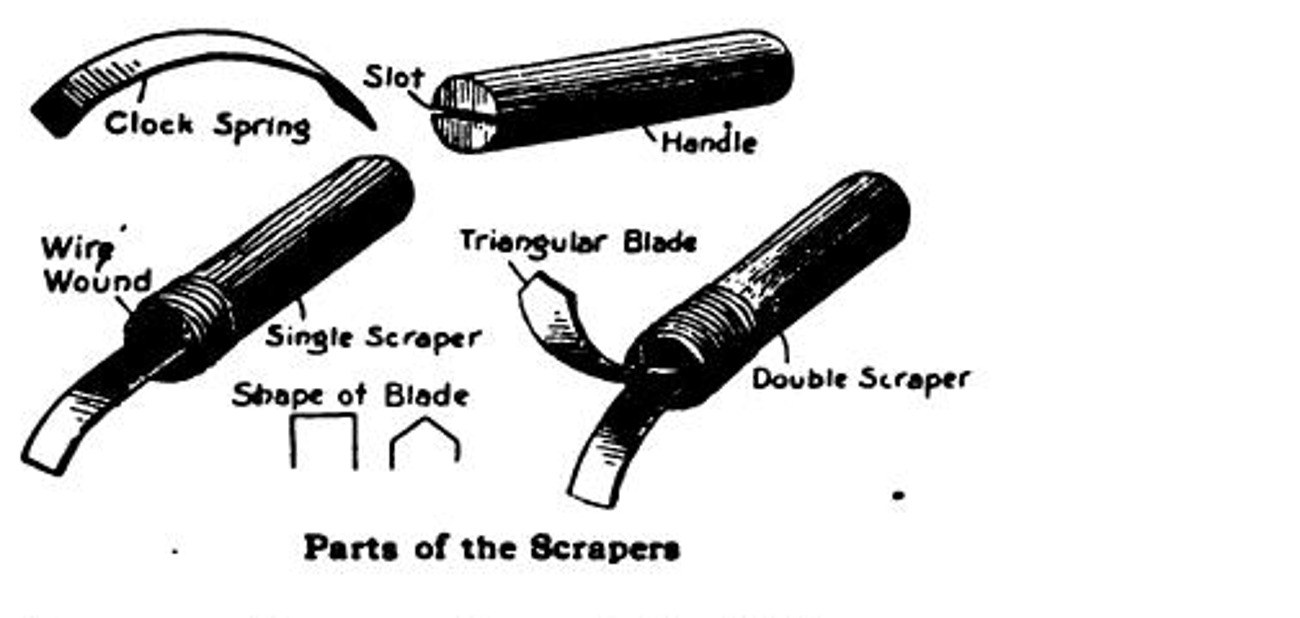


Steel Scraper: a Clockspring Blade in a Slotted Handle (Shop Notes, 1912)
A handy scraper for dirt and grease on machinery or old paint on uneven surfaces: a stout piece of clockspring set in a slot sawn in a short wooden handle, bound with wire or a ferrule.
Variable: spring size sets strength and flexibility; a double scraper adds a triangular blade for carved or indented work.
Source: Popular Mechanics Shop Notes for 1912, p. 1543. Picture: the article's drawing.
Beginner
Unknown
Instructions
1
1
Cut the blade
Cut the blade
Cut a stout piece of clockspring and file its end square or pointed (drawing). For a double scraper cut a second, triangular-edged blade for the other end.
Materials for this step:
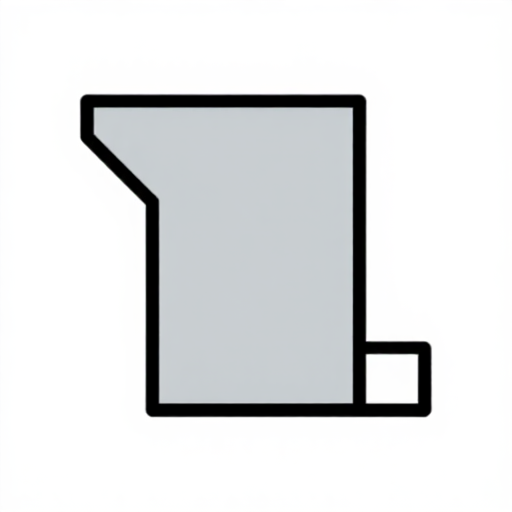 Spring Steel Strip1 clockspring
Tools needed:
 Snips
 Metal File
2
2
Fit the handle
Fit the handle
Saw a slot in the end of a short wooden handle, push the blade in, and secure it by winding wire round the handle (or with a ferrule).
Materials for this step:
 Tool Handle1 short
 Iron Wire1 piece
Tools needed:
 Tenon Saw
Materials
3- 1 clockspringPlaceholder
- 1 shortPlaceholder
- 1 piecePlaceholder
This blueprint makes

CC0 Public Domain
This blueprint is released under CC0. You are free to copy, modify, distribute, and use this work for any purpose, without asking permission.
Support the Maker by purchasing products through their Blueprint where they earn a Maker Commission set by Vendors, or create a new iteration of this Blueprint and include it as a connection in your own Blueprint to share revenue.