ART
BEAUTY & WELLNESS
CRAFT
CULTURE & HISTORY
ENTERTAINMENT
ENVIRONMENT
FOOD & DRINKS
REVERSE ENGINEERING
SCIENCES
SPORTS
TECHNOLOGY
WEARABLES
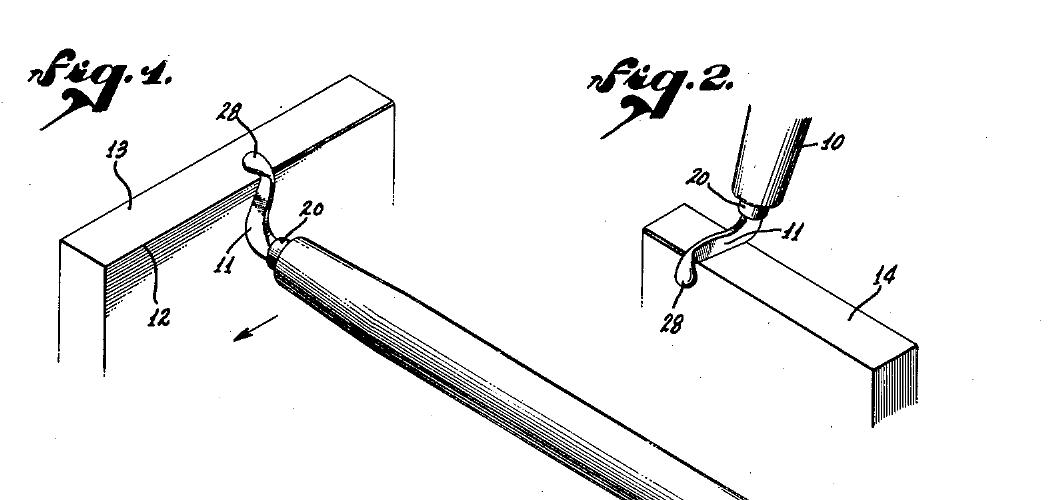


Swivel-Blade Deburring Tool: Roth, 1952
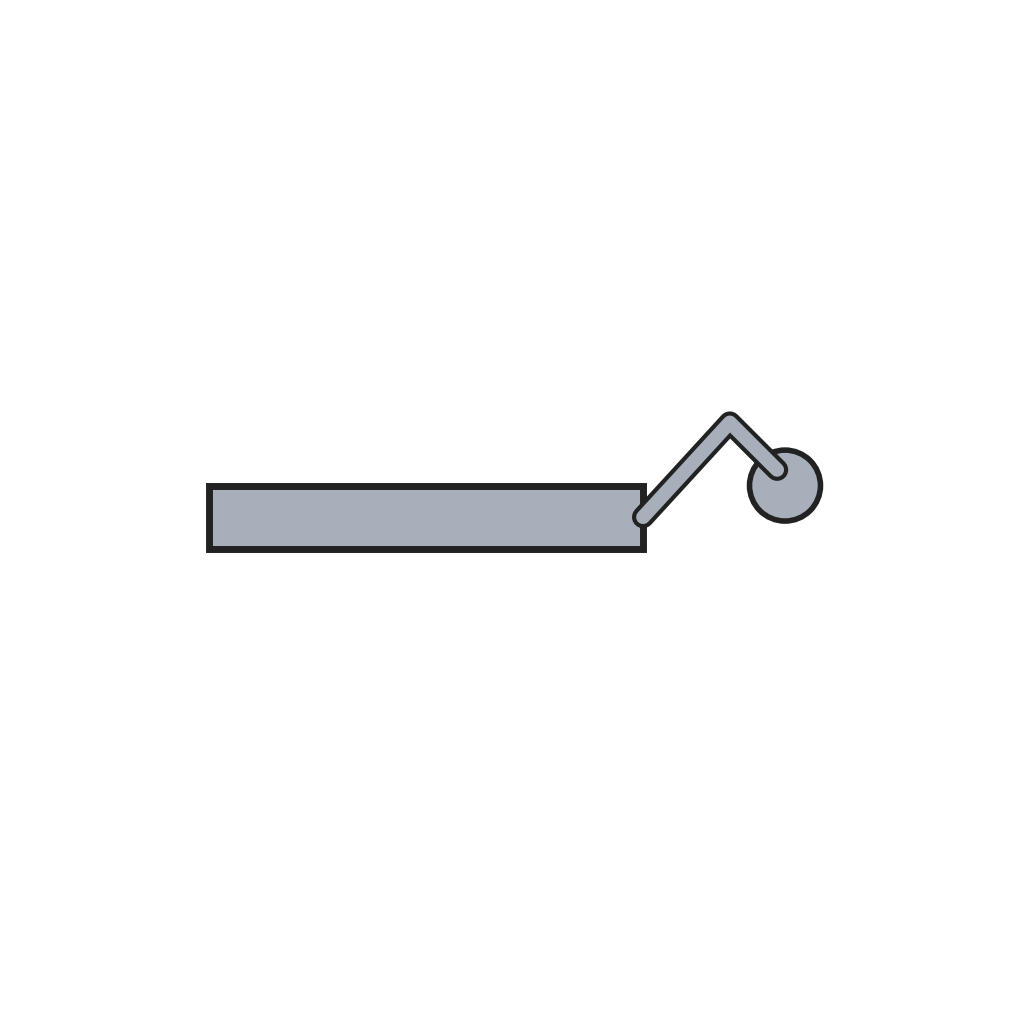
Cutting, punching, sawing and grinding leave burrs on the edges of metal, plastic and pressed wood. A knife or file scrapes them off unevenly, and only in skilled hands. Otto W. Roth of Los Angeles patented a swivel-blade cutting tool in 1952, US 2,598,443. A short hooked blade on a shaft turns freely in a sleeve in the handle, bent at less than a right angle. A rounded head at its tip rides on the face of the work and sets the blade's angle, so as the tool is drawn along an edge or round a punched hole the blade follows it and shaves the burr off evenly.
Intermediate
Workshop process
Instructions
1
1
Handle and sleeve
Handle and sleeve
Bore the handle axially and press in a sleeve or bushing; a pressed-in part of the sleeve bears on the shaft lightly so it does not slip out, and its outer end turns over against the handle's end.
Materials for this step:
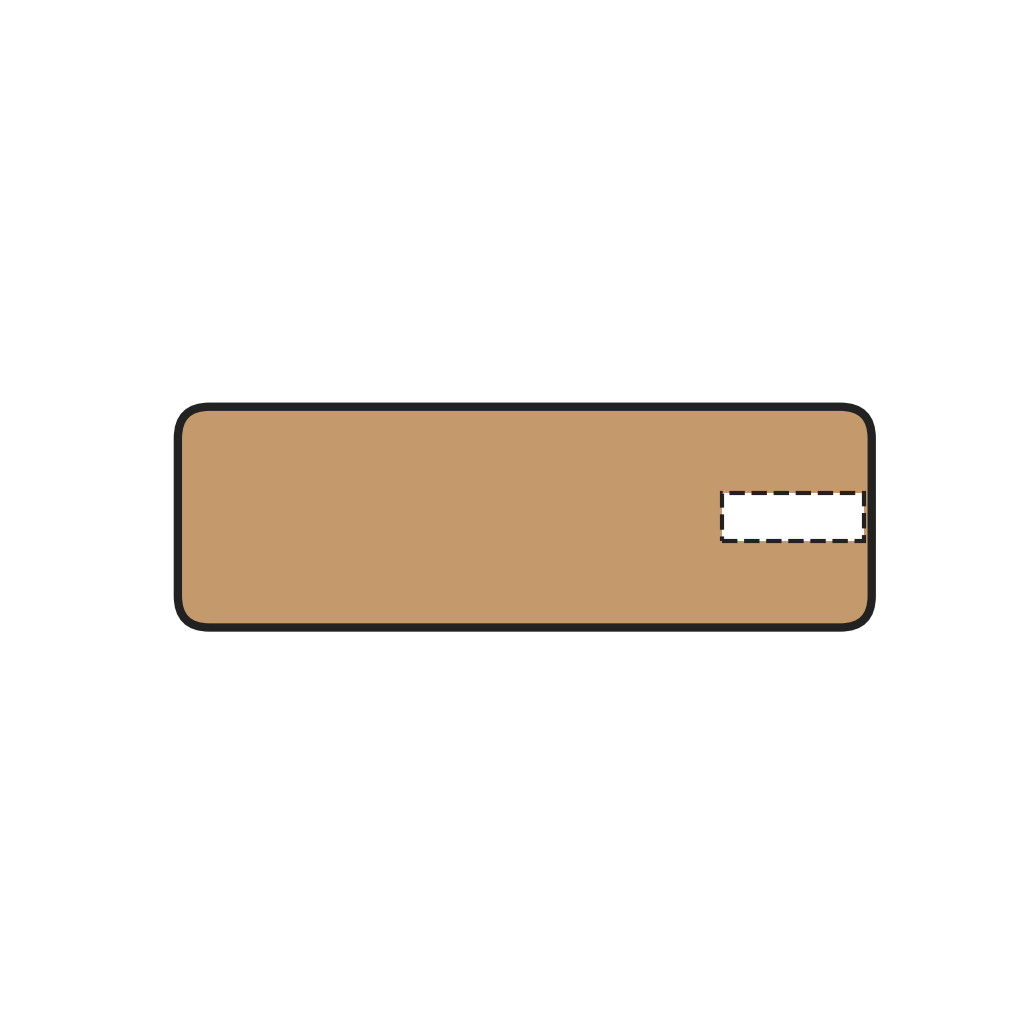 Tool Handle with Axial Bore1 piece
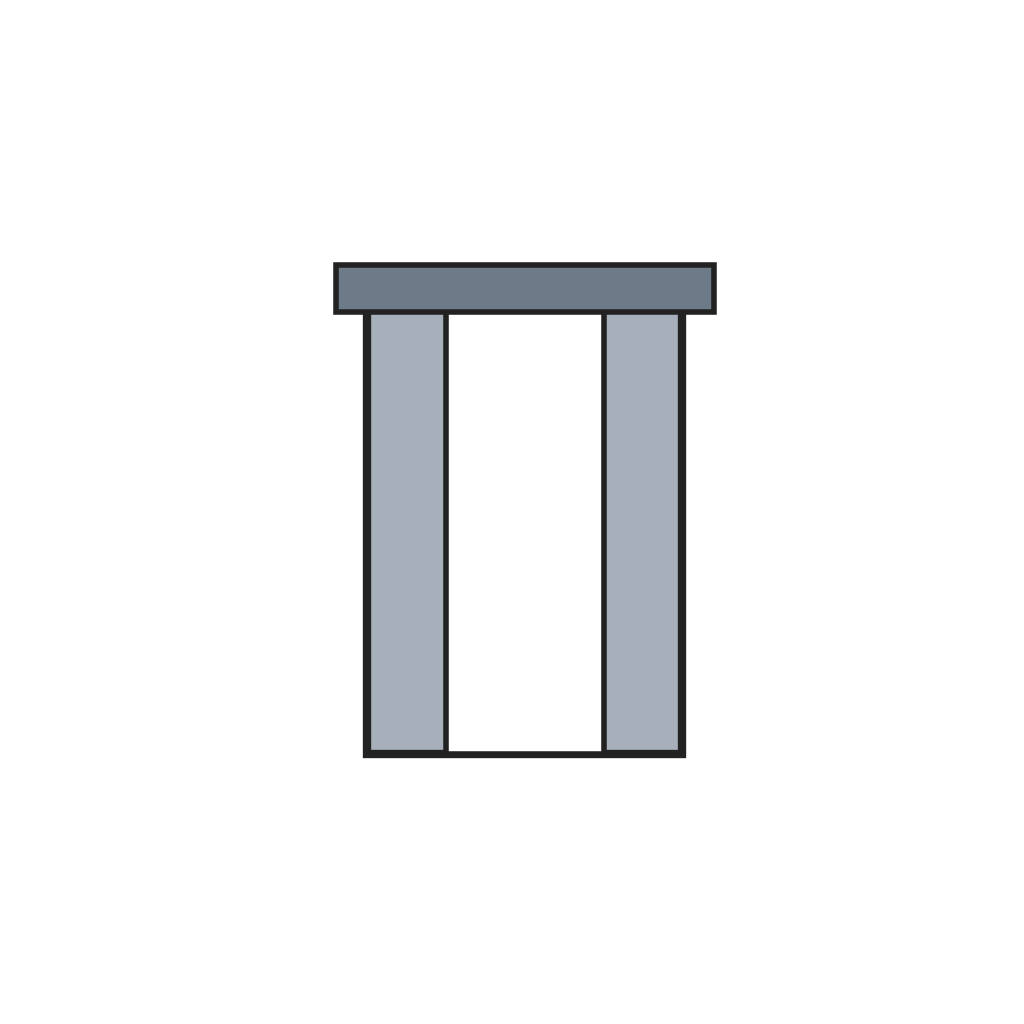 Swivel Bearing Sleeve1 piece
Tools needed:
 Metal Lathe
 Bench Vise
2
2
Blade
Blade
Form the blade on the shaft's end at an angle of less than 90°, with a knife edge between two flat sides and a rounded head at the tip that overhangs the edge.
Materials for this step:
 Hooked Deburring Blade on Shaft1 piece
Tools needed:
 Bench Grinder
3
3
Swivel fit
Swivel fit
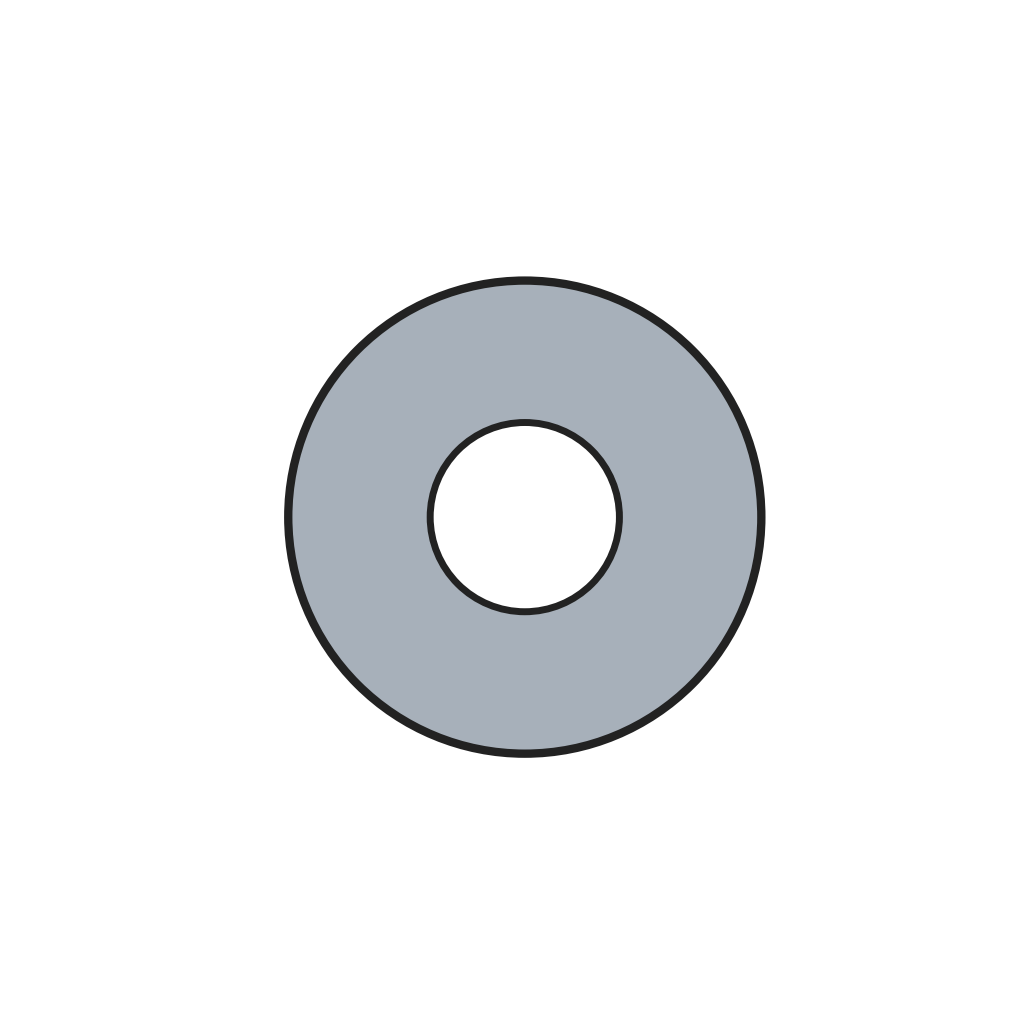
Put a collar on the shaft to bear against the sleeve's end, and insert the shaft so the blade rotates freely. (In the alternative form, a thrust bearing at the base of the bore and a flared bearing sleeve give a smoother swivel, and a cap closes the handle.)
Materials for this step:
 Thrust Collar1 piece
Materials
4- 1 piecePlaceholder
- 1 piecePlaceholder
- Placeholder
- 1 piecePlaceholder
Tools Required
3- Placeholder
- Placeholder
- Placeholder
This blueprint makes

Related Blueprints
These blueprints share knowledge with this one — techniques, materials, or principles that connect them in the learning graph.
CC0 Public Domain
This blueprint is released under CC0. You are free to copy, modify, distribute, and use this work for any purpose, without asking permission.
Support the Maker by purchasing products through their Blueprint where they earn a Maker Commission set by Vendors, or create a new iteration of this Blueprint and include it as a connection in your own Blueprint to share revenue.