ART
BEAUTY & WELLNESS
CRAFT
CULTURE & HISTORY
ENTERTAINMENT
ENVIRONMENT
FOOD & DRINKS
REVERSE ENGINEERING
SCIENCES
SPORTS
TECHNOLOGY
WEARABLES



Synthetic Graphite Powder from Petroleum Coke
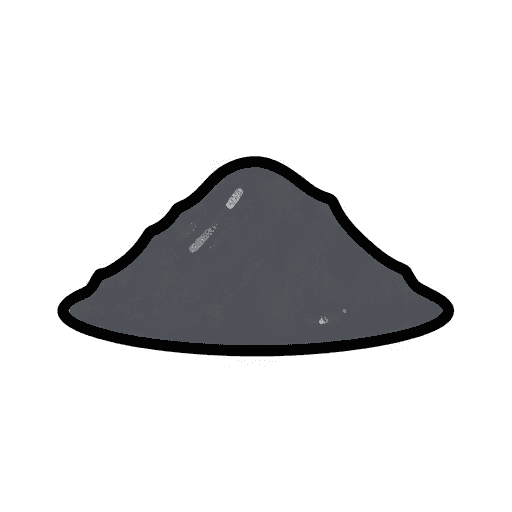
Synthetic graphite powder is made by heating powdered petroleum coke above the temperature at which carbon turns to graphite. Scrap from graphite electrode making and lathe turnings is also crushed and sized into powder. Most of it goes to adding carbon to steel; some goes into batteries and brake linings. Edward Goodrich Acheson patented a process for making synthetic graphite in 1896 and began commercial production in 1897.
Advanced
Factory process
Instructions
1
1
Powder the coke
Powder the coke
Grind the petroleum coke to powder.
Materials for this step:
 Petroleum Coke1 as required
Tools needed:
 Grinding Mill
2
2
Graphitise
Graphitise
Heat the powdered coke above the graphitisation temperature.
Tools needed:
 Graphitising Furnace
Materials
1- 1 as requiredPlaceholder
Tools Required
2- Placeholder
- Placeholder
This blueprint makes
Related Blueprints
These blueprints share knowledge with this one — techniques, materials, or principles that connect them in the learning graph.


CC0 Public Domain
This blueprint is released under CC0. You are free to copy, modify, distribute, and use this work for any purpose, without asking permission.
Support the Maker by purchasing products through their Blueprint where they earn a Maker Commission set by Vendors, or create a new iteration of this Blueprint and include it as a connection in your own Blueprint to share revenue.