ART
BEAUTY & WELLNESS
CRAFT
CULTURE & HISTORY
ENTERTAINMENT
ENVIRONMENT
FOOD & DRINKS
REVERSE ENGINEERING
SCIENCES
SPORTS
TECHNOLOGY
WEARABLES
Translated


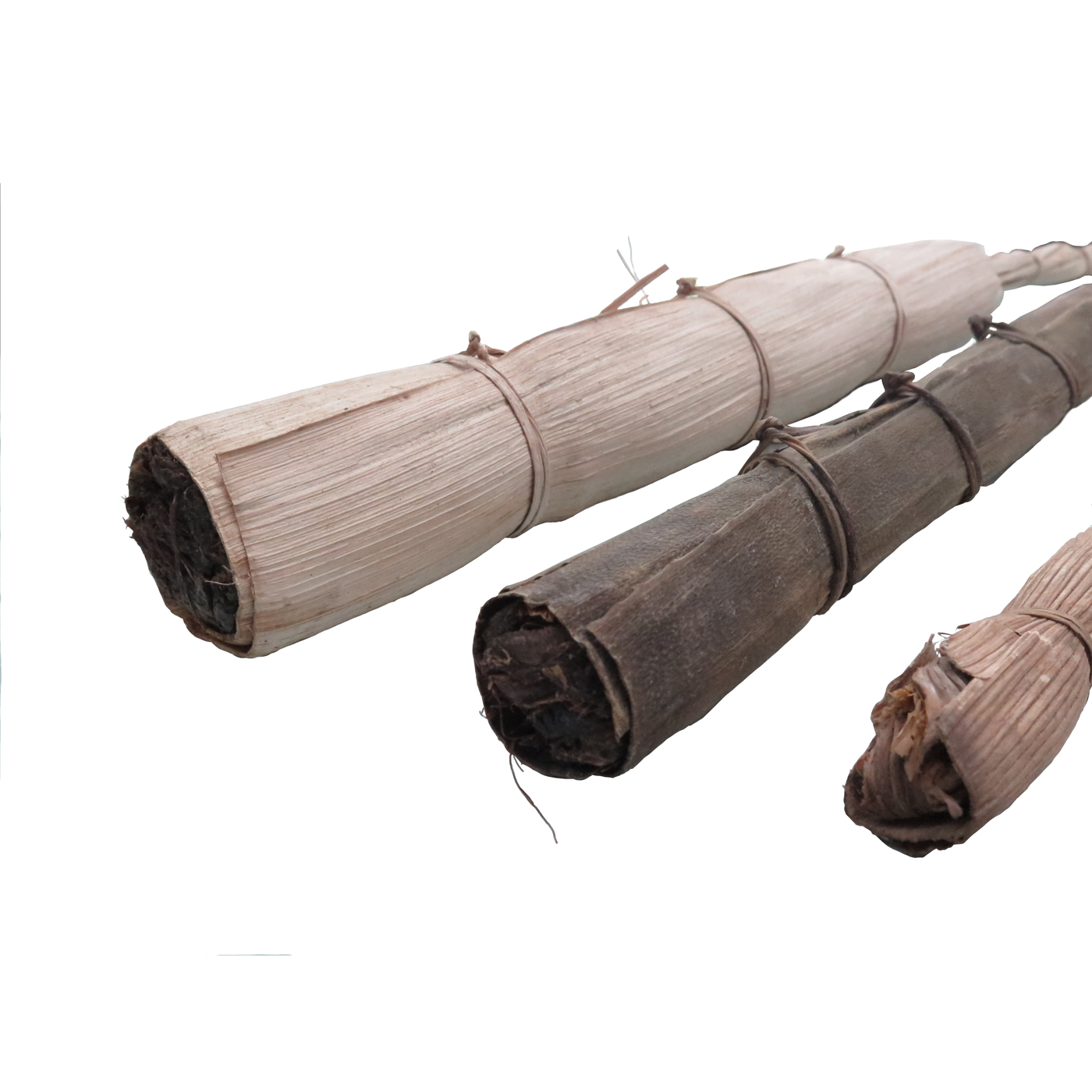
Tai (Thai Resin Torch) — Melaleuca Bark Mixed with Yang Oil, Wrapped in Areca Sheath, Bound in Segments for Light
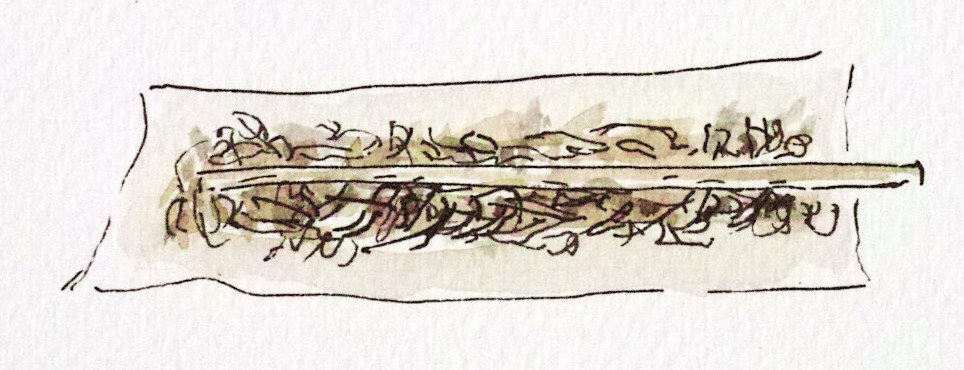
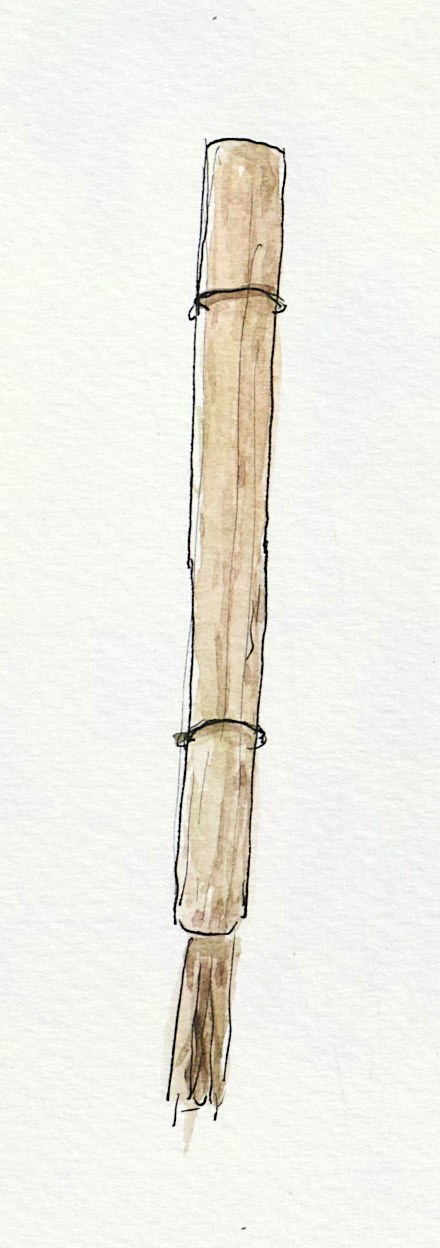
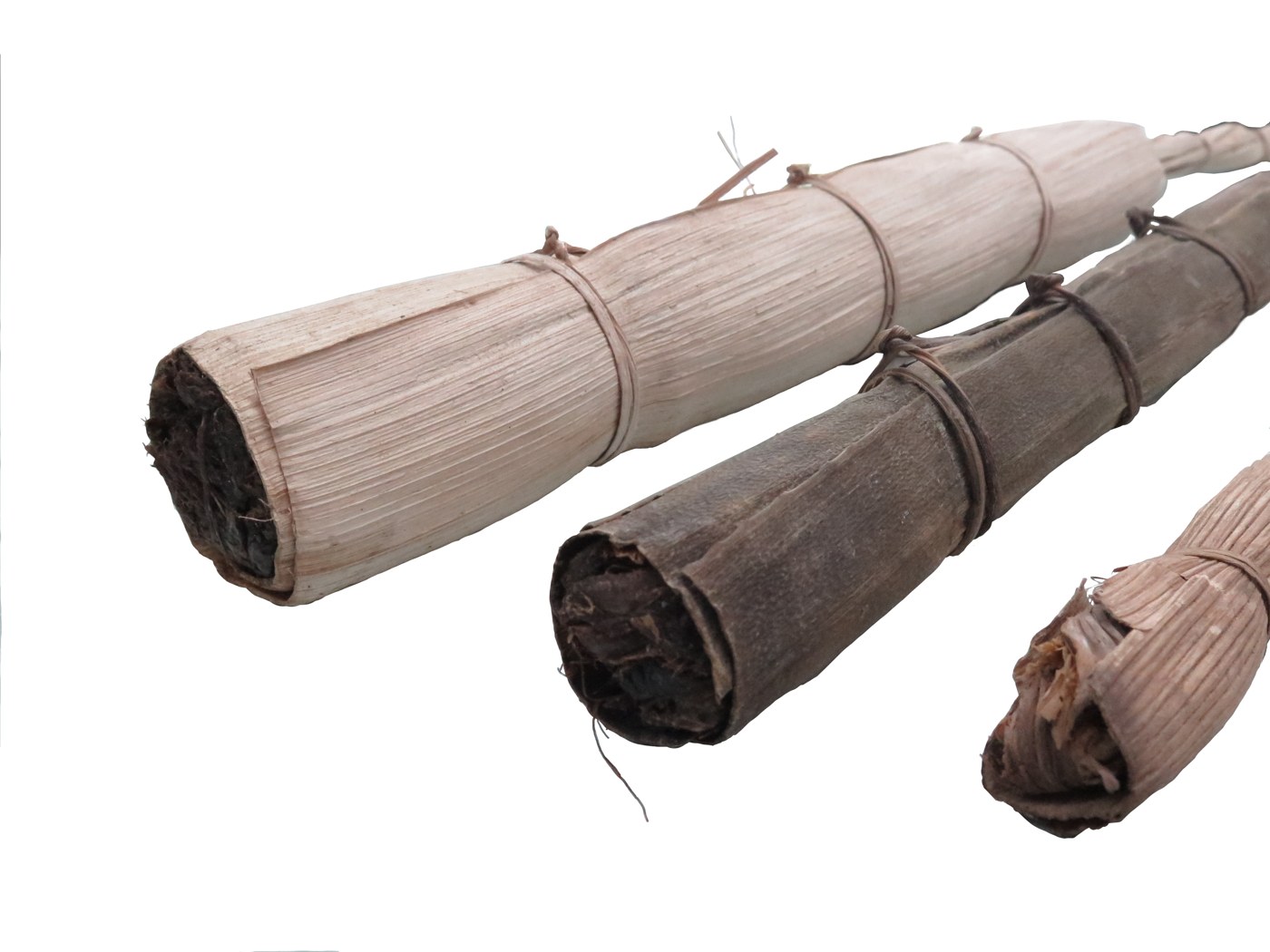
ไต้ (tai, or khi tai) is a light: a long round stick bound with cord in segments, with a handle at the back end. It is made of kindling, oil and a wrapper, from whatever each locality has.
This blueprint makes a real tai the Wat Wiang, Chaiya (Surat Thani) way, as in the source.
Beginner
About 2 days (the oil soaks in overnight)
Instructions
1
1
Parts
Parts
Loading Jupyter Notebook...
2
2
Torches, before it
Torches, before it
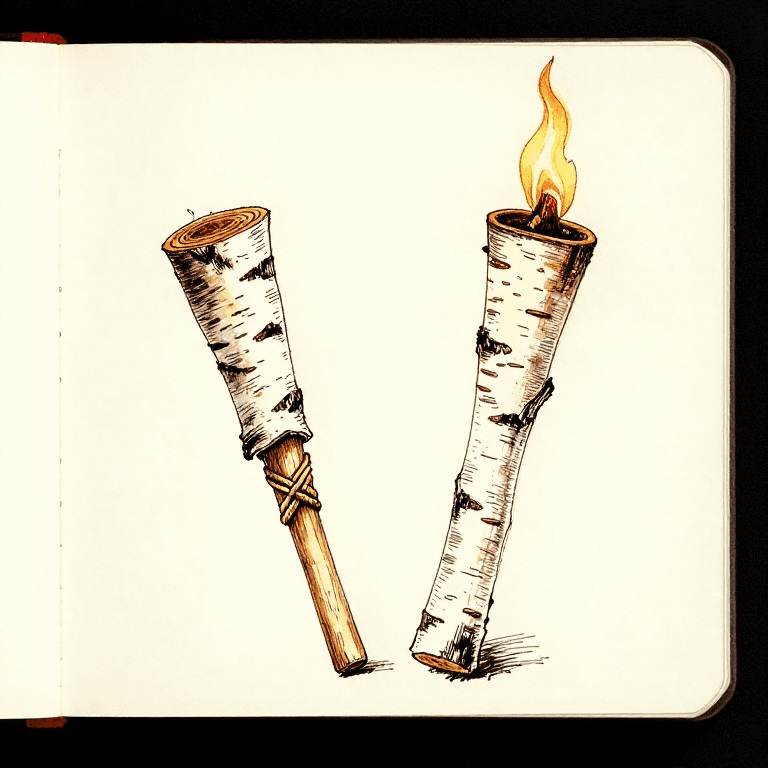
The birch-bark torch uses a bark with its own oil; the tai mixes samet bark with yang oil and then wraps it.
3
3
Read from the source
Read from the source
"The samet bark is mixed with yang oil and left one night so the oil soaks in, then wrapped in dried areca sheath or pandan leaves (with thorns), or toei na leaves with the thorns stripped off, passed over a fire and cut to the size wanted, and bound with cord in segments." (Sirindhorn Anthropology Centre, author จุฑามาศ ลิ้มรัตนพันธ์ (Chuthamat Limrattanaphan), CC BY 4.0)
4
4
Kindling and oil
Kindling and oil
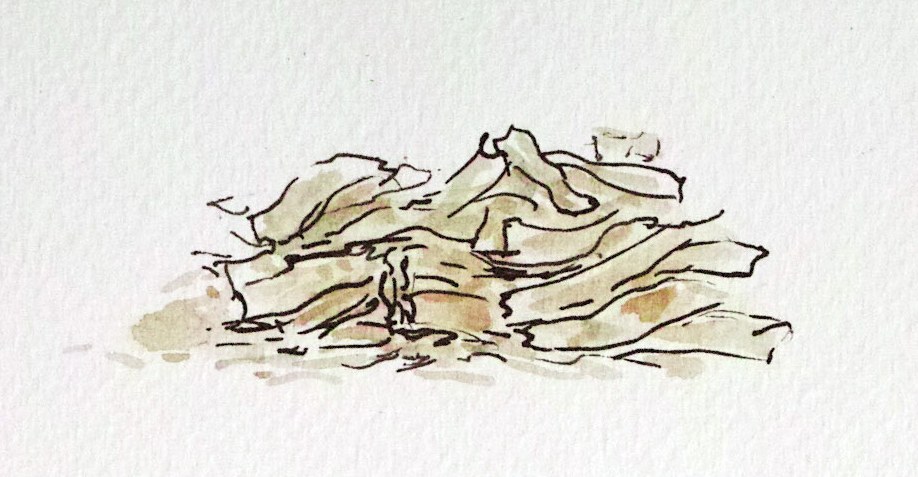
Bark of the white samet (Melaleuca) is better than the red because it peels off more easily. Dry the bark. Yang oil comes from chopping a hollow in a yang na tree (Dipterocarpus alatus) with an axe and then firing it; the next morning the oil runs out. Mix the samet bark with the yang oil and leave it one night so the oil soaks in.
Tools needed:
 Axe
Axe5
5
Wrap
Wrap
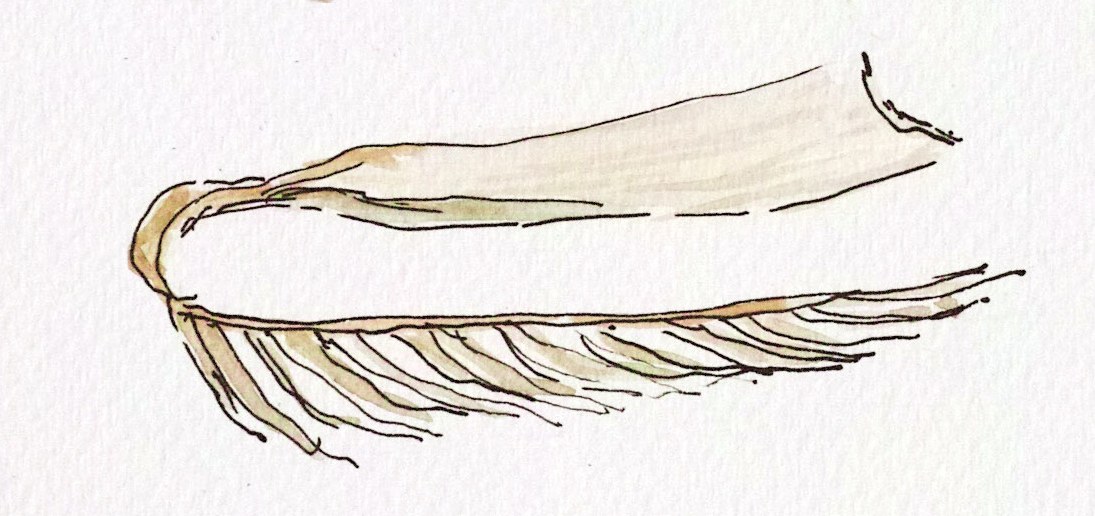
Wrap the kindling in dried areca sheath, pandan leaves, or toei na leaves with the thorns stripped off. Pass it over a fire, then cut it to the size wanted. A tai catches fire easily: light it well away from roofs and anything flammable, and watch the red ash at its tip.
Tools needed:
 Knife
Knife6
6
Bind
Bind
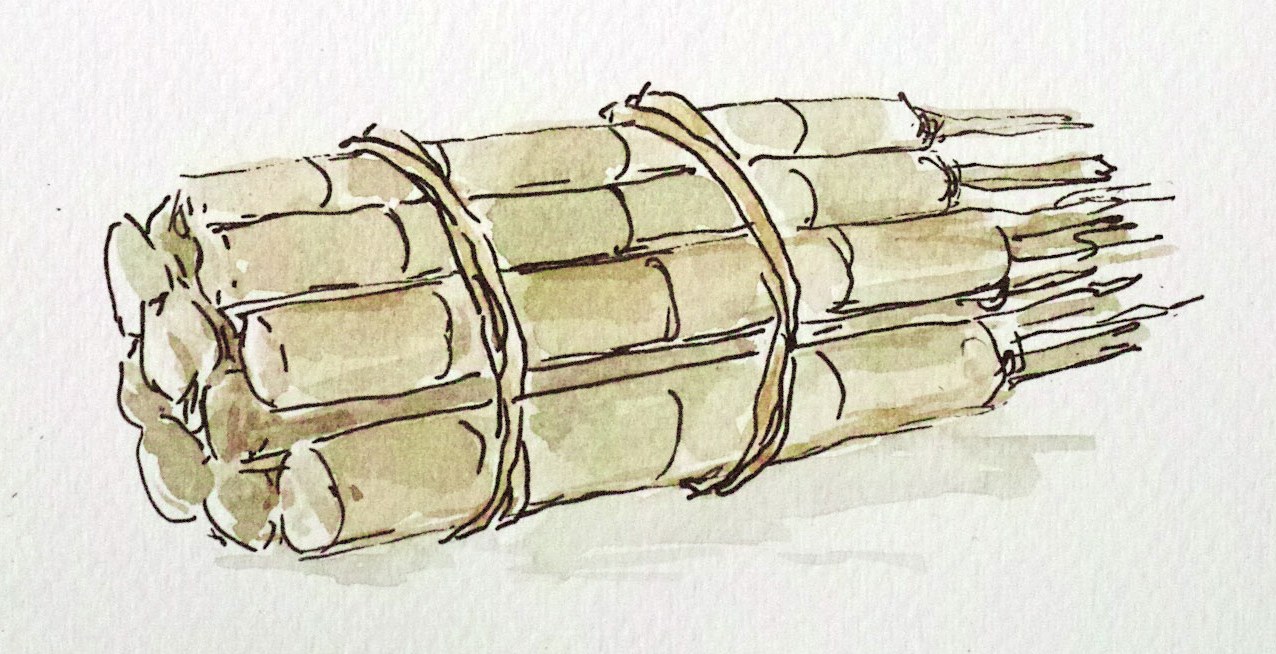
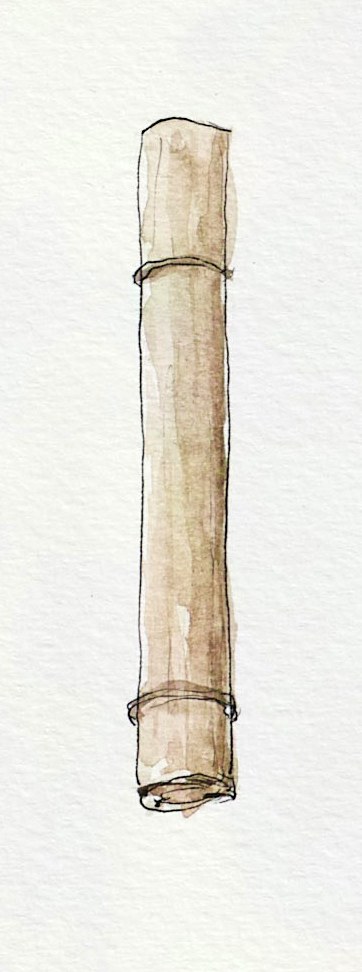
Bind it with cord in segments along its length, and make a handle at the back end.
Materials for this step:
 Cord1 piece
7
7
Real photos
Real photos
Photos and drawings of tai (Sirindhorn Anthropology Centre, author จุฑามาศ ลิ้มรัตนพันธ์ (Chuthamat Limrattanaphan), CC BY 4.0).
8
8
How it is used
How it is used
Light the tip. After a while the red ash at the tip hides the flame; flick it off with a stick so the tai shines again. Large tai are used for travelling because they burn long. Tai also serve as kindling for lighting fires. A tai catches fire easily: light it well away from roofs and anything flammable, and watch the red ash at its tip.
9
9
Troubleshooting
Troubleshooting
Troubleshooting the tai.
Flow
Loading...
10
10
History and limits
History and limits
In the past people made their own tai, for light at night, for reading or going out after frogs and fish in the paddies. At Ban Lamai on Ko Samui, coconut coir mixed with yang oil is wrapped in areca sheath. Tai were also used to light the firewood at cremations, and are put in the mrap offerings of the southern Tenth-Month Merit festival. Since electricity, tai are hardly seen. A tai catches fire easily: light it well away from roofs and anything flammable, and watch the red ash at its tip.
Source: Sirindhorn Anthropology Centre, Traditional Objects of Everyday Use database, "ไต้", author จุฑามาศ ลิ้มรัตนพันธ์ (Chuthamat Limrattanaphan), southern Thailand (CC BY 4.0 licence).
**Limits** The source gives no sizes or proportions, and there is no listing for samet bark, yang oil or areca sheath, so they are named in the text.
Related Blueprints
These blueprints share knowledge with this one — techniques, materials, or principles that connect them in the learning graph.

CC0 Public Domain
This blueprint is released under CC0. You are free to copy, modify, distribute, and use this work for any purpose, without asking permission.
Support the Maker by purchasing products through their Blueprint where they earn a Maker Commission set by Vendors, or create a new iteration of this Blueprint and include it as a connection in your own Blueprint to share revenue.